

6 Famous Monasteries That Found New Life as Hotels
6 Famous Monasteries That Found New Life as Hotels

Historic buildings of all kinds are irresistible to hotel developers and architects looking for a project with charm and character. Restoring such properties can be a laborious process, but the chance to create something unique is hard to beat. Some of the most fascinating projects involve former monasteries and convents, which often boast plenty of space for guests and standout locations. Discover six remarkable monasteries around the world that took on new lives as hotels.
San Domenico Palace – Taormina, Italy
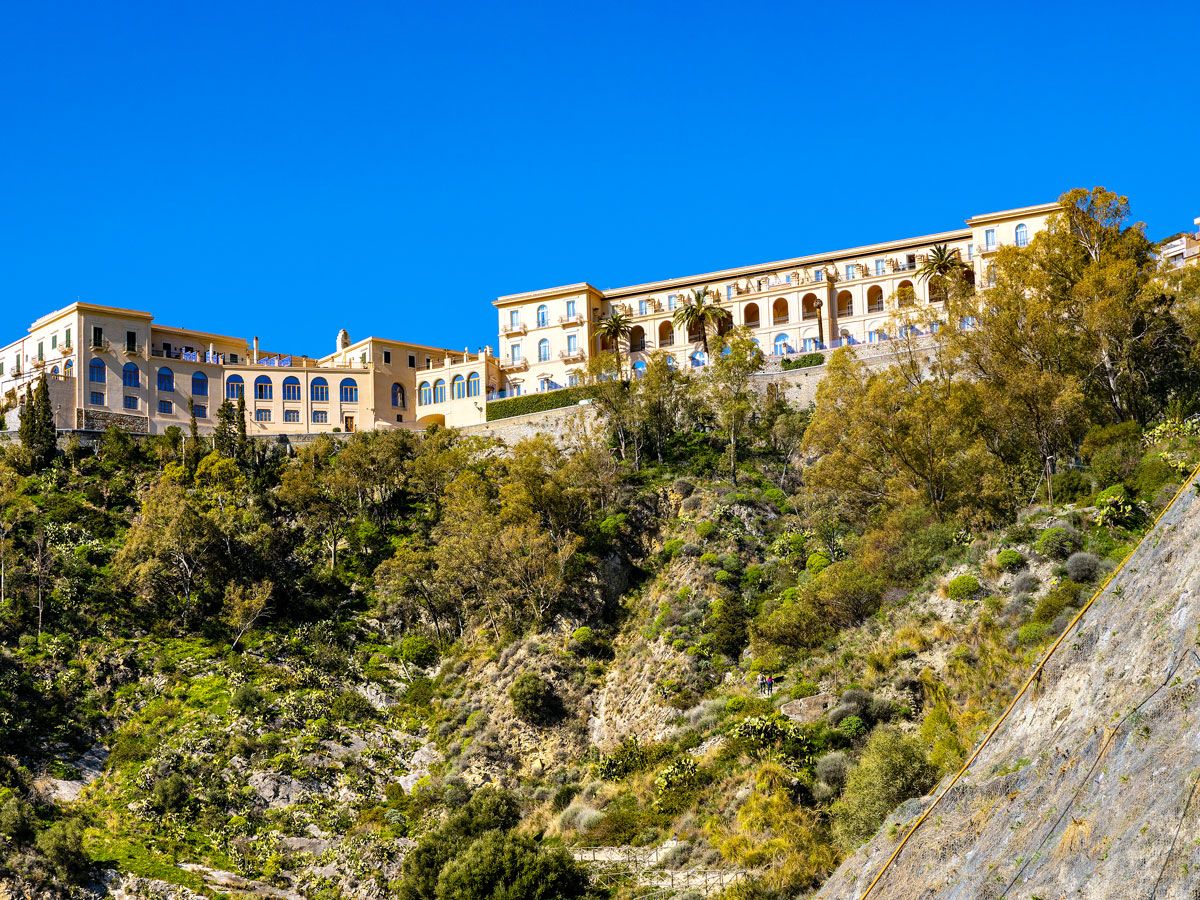
If you’re a fan of HBO’s hit TV show The White Lotus, you’ll recognize this breathtaking monastery-turned-hotel from its starring role on the small screen. The story of this Four Seasons property in Taormina, a hilltop town on the island of Sicily, began in 1374 when Dominican monks founded a monastery here. Initially, it was based in a small church, but the order had a generous benefactor named Baron Damiano Rosso d’Altavilla. He lived in a lavish home overlooking the Ionian Sea, and when he died, he bequeathed the house, stipulating that it should be used as a convent.
In the 19th century, ownership passed to Prince Cerami, who saw its value as a hotel. Opened in 1896, the hotel has attracted the rich and famous over the years, among them King Edward VII, Oscar Wilde, Audrey Hepburn, Elizabeth Taylor, and Sophia Loren. Today, the high-profile luxury hotel remains every bit as fabulous as you might imagine it from watching the second season of The White Lotus.
El Convento – San Juan, Puerto Rico
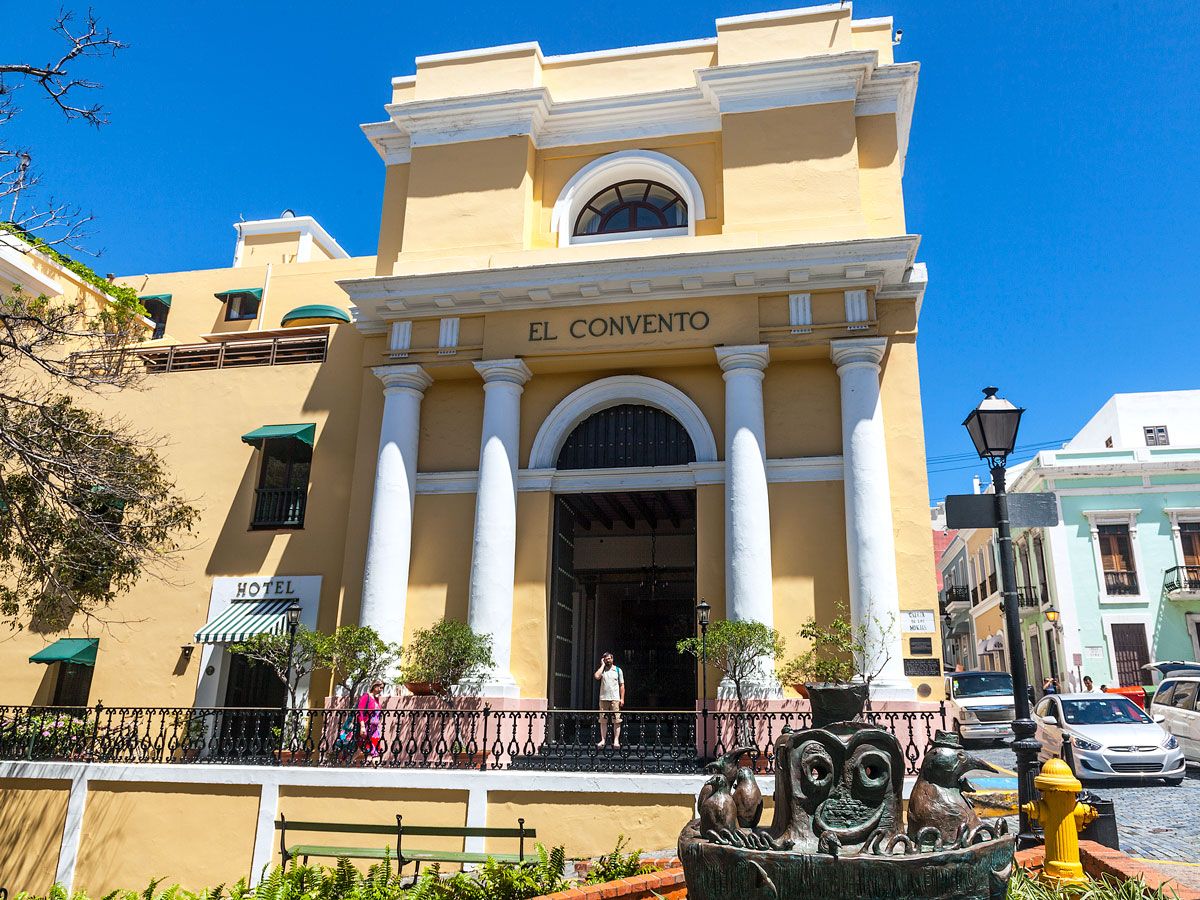
What’s now Hotel El Convento in San Juan was once the first Carmelite convent (a religious order within the Catholic Church) in Puerto Rico. Opened in 1651, the convent eventually closed its doors in 1903 and sat empty for a decade. Finding a purpose for the historic structure proved tricky — first, it became a shop, then a dance hall, and later a flophouse providing cheap digs for anyone who could do without electricity or running water.
In 1962, however, it scored an upgrade when it opened as an upscale hotel. The colonial architecture has been meticulously restored, and its sumptuous, stylish interiors are a far cry from the early 1900s. Wooden beams, antique furniture, velvet sofas, and handcrafted tiles give the hotel an abundance of character — fitting of its location in Old San Juan, recognized as a UNESCO World Heritage Site.
Belmond El Monasterio – Cusco, Peru
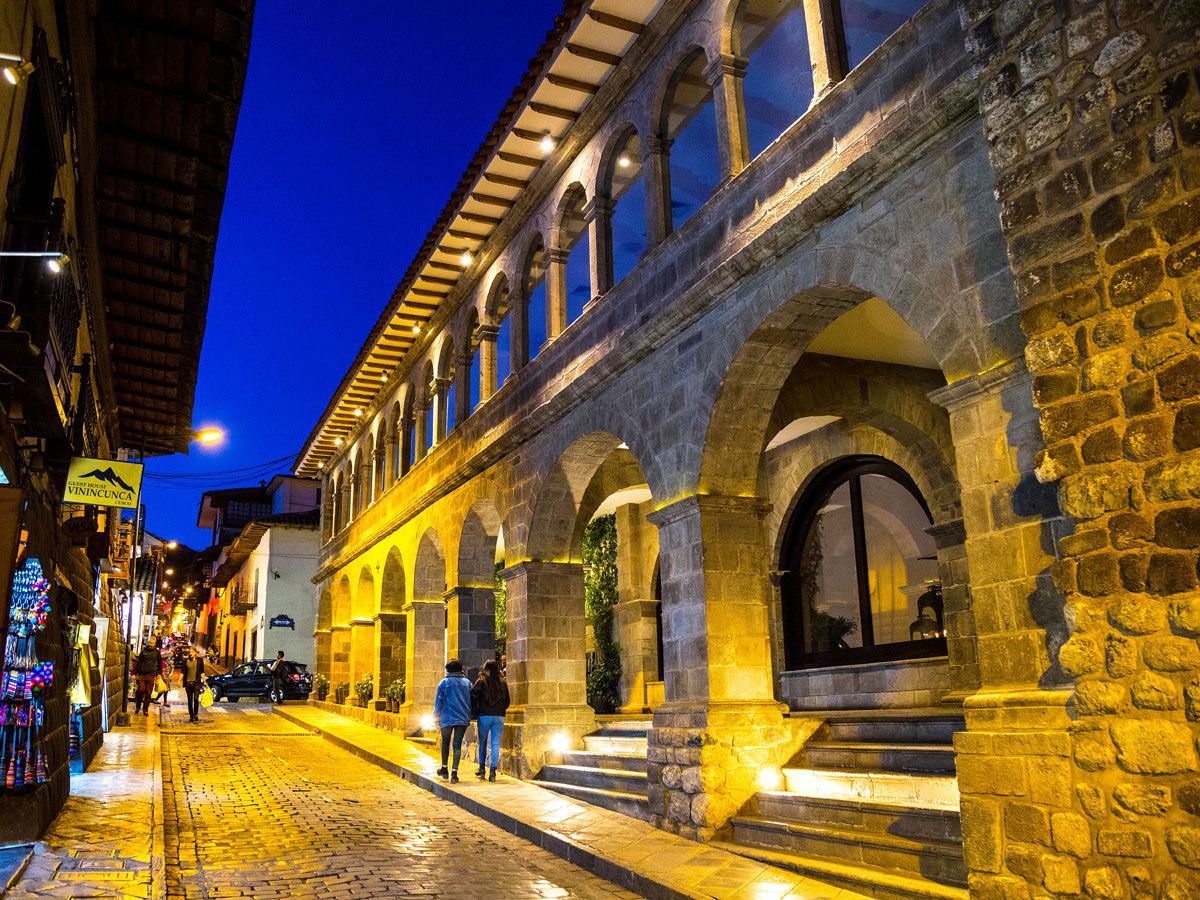
The 15th-century Inca ruler Amaru Qhala built a lavish palace in the heart of Cusco, the capital of the sprawling Inca Empire. But a little over a century later, the city was occupied by the Spanish, who constructed their own buildings on Inca foundations. In 1598, the Seminary of San Antonio Abad took shape, but a few decades later, on March 31, 1650, it was severely damaged by a powerful earthquake.
When the monastery was rebuilt, a sumptuous Baroque chapel was added. The convent eventually became the five-star Belmond El Monasterio. Stay at the Michelin-recommended hotel today, and there’s little doubt that the cloistered and tranquil courtyard was once the ideal setting for meditation and religious thought.
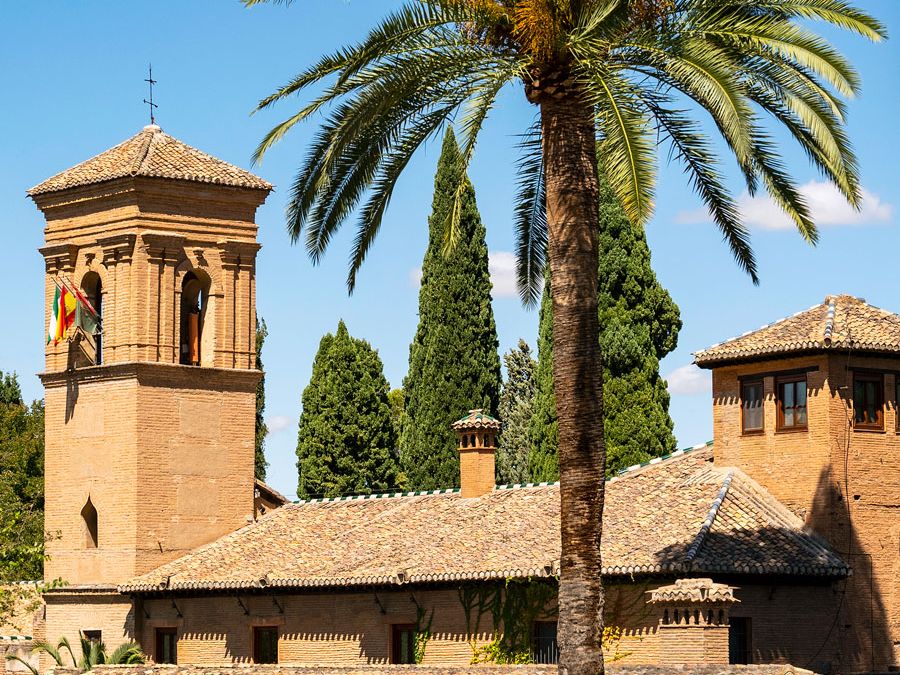
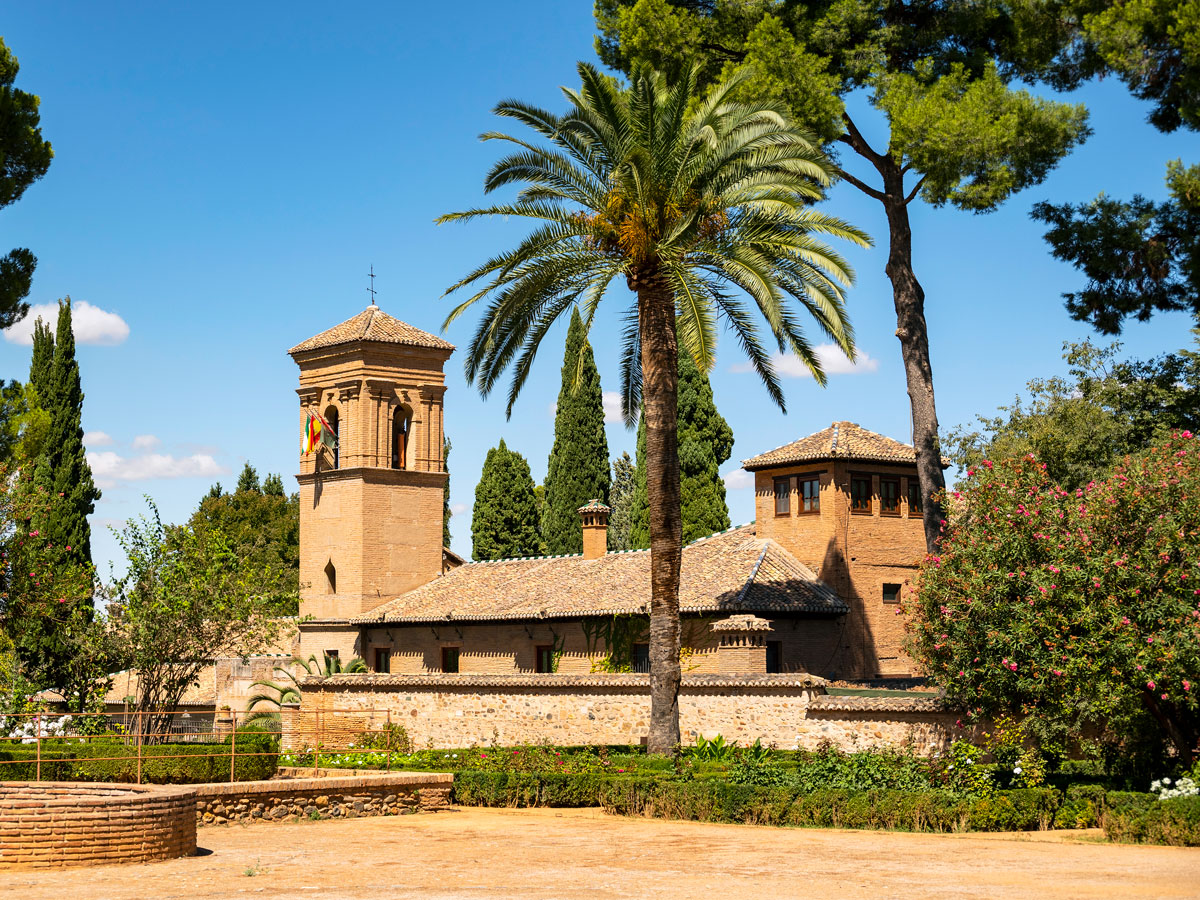
Parador de Granada – Granada, Spain
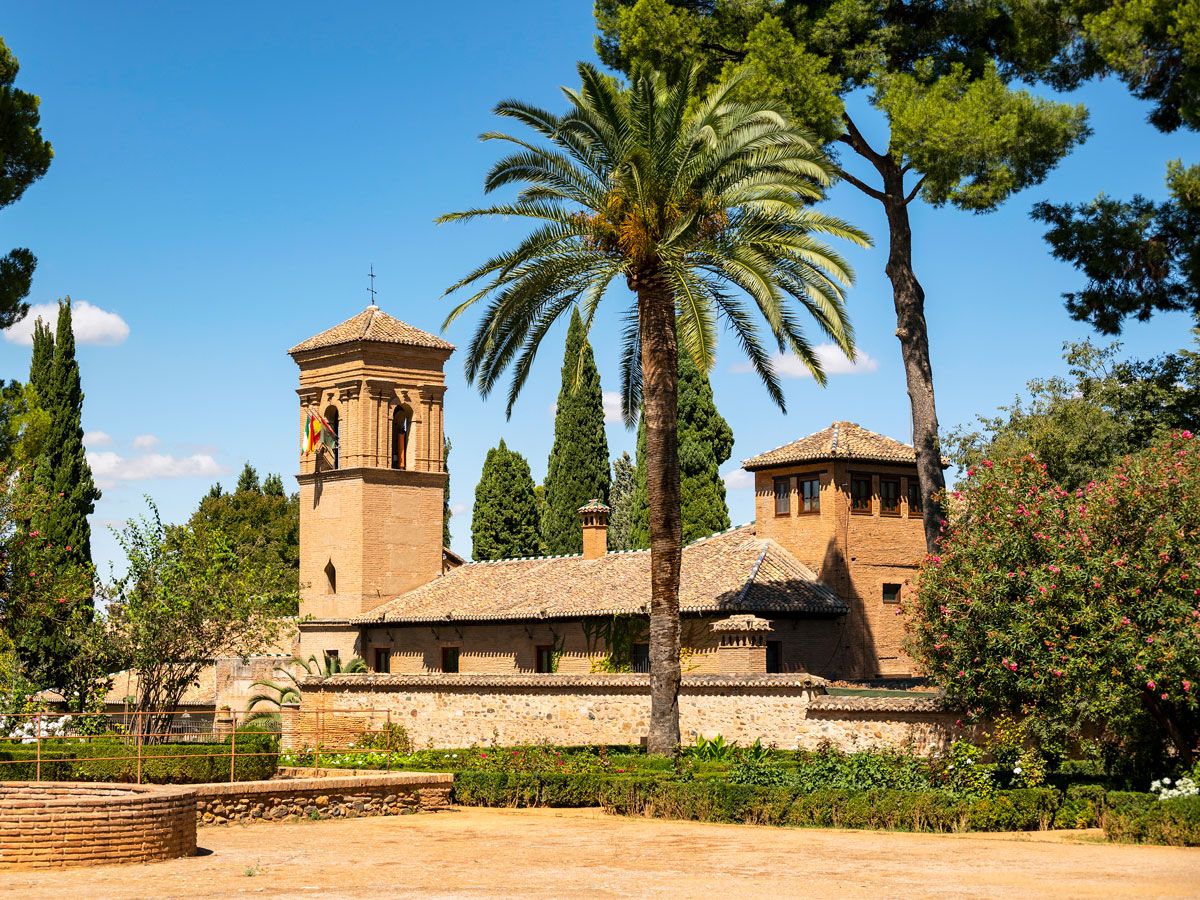
The Parador de Granada — an upscale hotel located within the famous Alhambra Palace — began life as part of a mosque complex originally known as the Palacio de los Infantes. The Nasrids constructed it between 1332 and 1354. When they left, Isabella I of Castile ordered that it should become a Franciscan convent.
Opened as a hotel in 1944, it occupies what’s surely one of the most breathtaking locations in Spain. Many of the centuries-old features remain, such as a patio that became a cloister, as well as a room that originally housed the tombs of the Catholic monarchs before they were transferred to the city’s Royal Chapel in 1521. Guests can take in the extraordinary view over the Alhambra’s Generalife Gardens from the qubba, a domed structure characteristic of Islamic architecture.
Le Monastère des Augustines – Québec, Canada
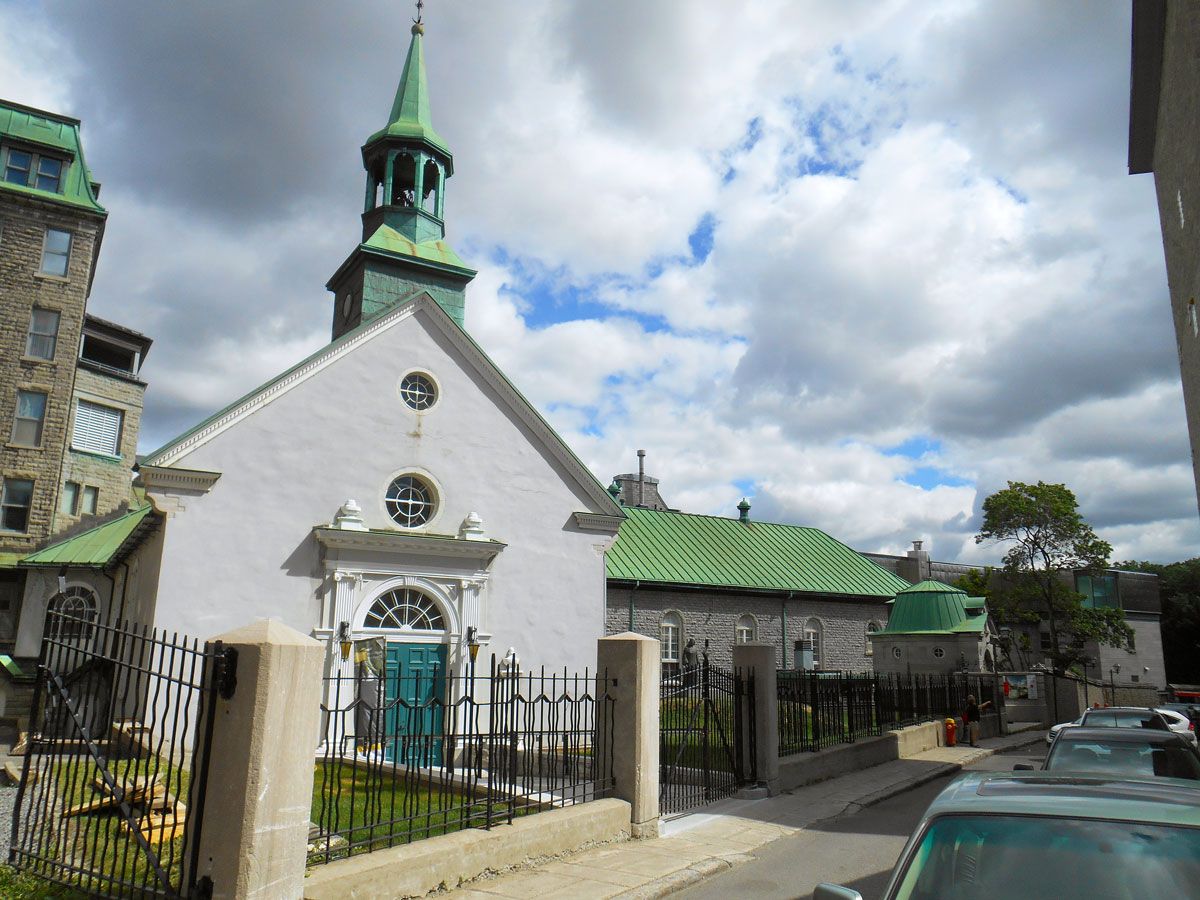
A holistic approach to health and wellness characterizes the delightful Monastère des Augustines, located in the heart of Québec City’s fortified old town. A trio of French nuns who arrived in Canada in 1639 founded the original monastery the hotel occupies today. These Augustinian Sisters were health care pioneers and set up the Hôtel-Dieu de Québec monastery, which contained the first hospital in North America north of Mexico.
These days, its simple but elegant rooms provide a sanctuary for those seeking a restorative retreat. Don’t check in expecting a television or a phone, as you’ll find neither. Instead, draw on the knowledge and wisdom of the Augustinian community to find balance and a deeper emotional intelligence that may serve you well when you return to your everyday life.
The Augustine – Prague, Czechia
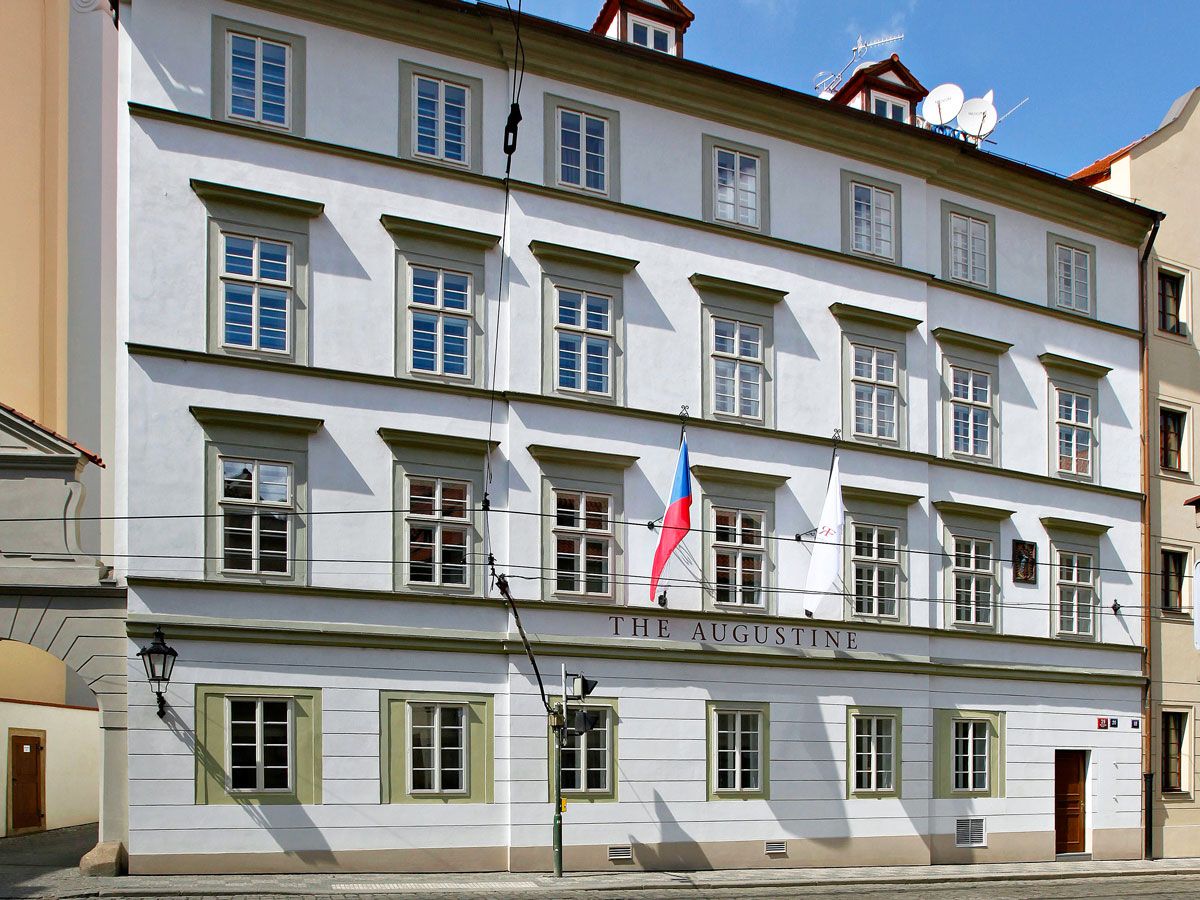
The Augustine, part of Marriott’s Luxury Collection, has a very special history. The hotel comprises seven wings, all of which are located within the grounds of the historic St. Thomas Monastery. Vaulted ceilings, wooden beams, and original ironwork have been preserved while accommodating the modern comforts and conveniences travelers expect of hotels today.
The hotel traces its story back to the 13th century, when a group of Augustinian friars built a church, which today shares its tranquil gardens with the hotel. Beer was brewed on site until 1951; the tradition was revived in 2009 using a nearby microbrewery and is now sold exclusively to guests. Staff members also care for a library of medical books, which is closed to the public. However, if you book a stay at the hotel, you can take a guided tour.
More from our network
Daily Passport is part of Inbox Studio, an email-first media company. *Indicates a third-party property.