






8 Places Where Uber Has Been Banned or Unavailable — and Why
8 Places Where Uber Has Been Banned or Unavailable — and Why


Uber and other rideshare companies have become ubiquitous over the last decade, but their presence isn’t felt everywhere. A number of cities and even entire countries have banned the app-based juggernaut altogether for a variety of reasons, ranging from regulatory issues to safety concerns. Sometimes, these bans are permanent, but more often they are temporary — Uber has won most of these battles of attrition in the end, though not all of them. Here are eight cities, states, and countries where Uber isn’t available (and why).
China

Like many American corporations with an otherwise global presence, Uber does not operate in mainland China. That’s true for a variety of reasons, from strained geopolitical tensions to the risk of unpredictable government regulations. After making an aggressive push for market share in the Middle Kingdom, the company cut its losses in 2016 and sold its China operations to DiDi, the country’s dominant ride-hailing app.
Germany

If you found yourself in a German Uber in 2014, the company could have been subject to a $250,000 fine. At the time, Uber was facing fierce opposition from traditional taxis, and the government was none too pleased with how unregulated the entire outfit was — to the point that it briefly passed a nationwide ban on the company’s UberPop service, which connected passengers with private drivers using their own cars. That order was short-lived, however, and Uber has been free to operate in Deutschland ever since.
Portland, Oregon

In a 2014 lawsuit accusing the company of being “in violation of the City of Portland’s Private for Hire Transportation Regulations and Administrative Rules,” the Portland Bureau of Transportation ordered Uber to cease operations in Oregon’s most populous city. The dispute was eventually resolved, and earlier in 2025, a bill was introduced that would guarantee drivers more protections.
Thailand

Taking an Uber (or any other car) when you could instead take a traditional open-air tuk tuk seems like a missed opportunity, so perhaps it’s no great loss that the company’s services are unavailable in Thailand, following a 2014 ban. Should you find yourself in need of a rideshare, however, your best option is Grab, the most popular company of its kind in all of Southeast Asia. The “everything app” also offers food delivery and a digital wallet that allows users to make online payments.
Nevada

Just because the state is home to Las Vegas doesn’t mean anything goes in Nevada. After refusing to comply with licensing requirements and other regulations, Uber left the building in 2014. Uber has long claimed that it’s a technology company, not a transportation company, and therefore doesn’t need to meet the same standards as traditional taxi services — a claim that many other jurisdictions have rejected. After a major legal victory, Uber returned to the Silver State the following year.
Russia
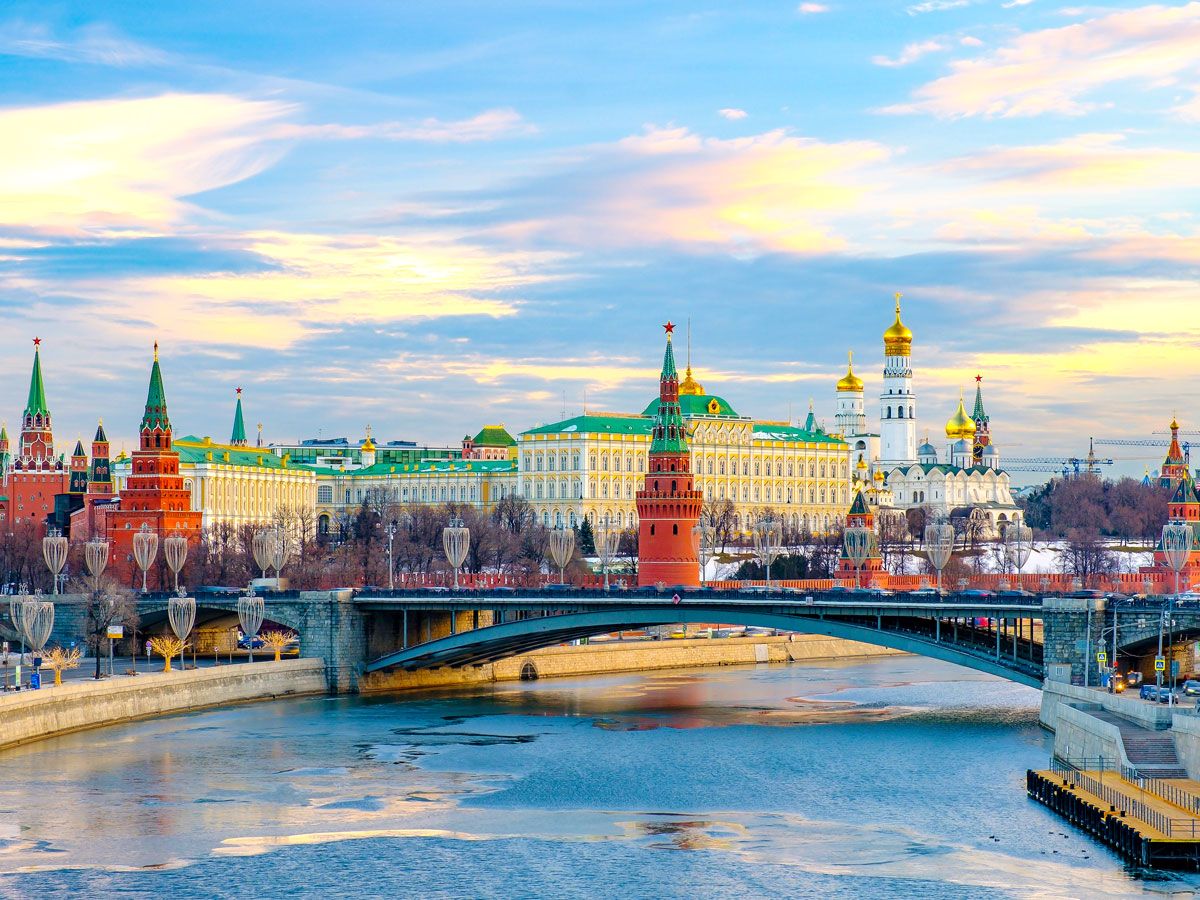
Uber largely exited the Russian market in 2018, when it merged with the Russian company Yandex Taxi. In 2023, it sold its remaining stake and fully left the Russian Federation. Yandex, known as the “Google of Russia,” also took over the company’s rideshare services in nearby Armenia.
Denmark

Following new regulations that required drivers to have seat sensors and fare meters, Uber exited Denmark in 2017 rather than comply. As was the case in many other countries, the company received a great deal of pushback from the old guard, namely taxi unions and politicians concerned about Uber’s lack of regulation. Uber returned to the small Scandinavian nation in 2025 in a new format that allowed users to order a car from the Uber app and receive one from Copenhagen-based taxi company Drivr — a hybrid approach also seen elsewhere.
Hungary

In June 2016, Hungary’s parliament passed legislation allowing the country’s national communications authority to block what it described as “illegal dispatch services” from being accessed online. The “forced suspension” followed intense backlash from taxi drivers and lasted until 2024, when Uber resumed operations in Budapest as part of a partnership with Főtaxi. This move was part of an increasingly common pattern in which the company managed to weather the storm of regulations, protests, and bans — and eventually continue doing business in a place that previously forbade it.
More from our network
Daily Passport is part of Inbox Studio, an email-first media company. *Indicates a third-party property.