





Amtrak Just Set Another Ridership Record
Amtrak Just Set Another Ridership Record

In 2021, during the pandemic, Amtrak hit a low point in terms of annual ridership, welcoming a mere 12 million passengers across the country. But in the years since, ridership numbers have shot up to unprecedented highs. After setting an all-time record in 2024, America’s national rail provider eclipsed its record ridership totals again in 2025. Let’s dive into the details and examine what’s behind Amtrak’s surging popularity.
Ridership Levels Soaring to New Heights
In the company’s 2024 fiscal year (October 2023 to September 2024), Amtrak saw 32.8 million passengers take to the rails. The following year (October 2024 to September 2025), 34.5 million travelers rode aboard Amtrak, marking a 5.1% increase in ridership. The company also generated $2.7 billion in adjusted ticket revenue (a 10.4% increase) and $3.9 billion in total operating revenue (a 9.1% increase).
Amtrak’s Northeast Corridor — which connects Boston, New York, Philadelphia, Baltimore, and Washington, D.C., among other major cities — welcomed 1.14 million passengers alone, 8.1% more riders than in the year prior. Amtrak also saw a 4.2% increase in long-distance travel, thanks in large part to more than 500,000 rides aboard the Floridian line, which was introduced in late 2024 and connects Chicago and Miami.
Ridership also surged aboard state-supported train lines, including a whopping 140.7% increase on the Borealis line connecting the Twin Cities to Chicago (88,444 passengers in 2024 vs. 212,909 in 2025). Trains across California, Virginia, Michigan, Pennsylvania, and many other states saw notable increases in ridership as well.
Why Are Ridership Numbers Increasing?
One can partially attribute the spike in ridership to substantial investments being made to maintain Amtrak’s infrastructure and ensure that trains run as reliably and efficiently as possible.
A record $5.5 billion went toward Amtrak’s capital projects throughout the 2025 fiscal year, amounting to a 24% increase over the previous year. This included $1.1 billion for track, catenary, signal, and structural maintenance, as well as additional money toward maintaining bridges and tunnels that are essential to Amtrak. An additional $182 million was invested to modernize stations so they’d be in accordance with the Americans With Disabilities Act, which makes Amtrak more accessible than ever before.
The introduction of new Amtrak routes also boosted ridership. In late 2025, the Mardi Gras line restored Amtrak service between Mobile, Alabama, and New Orleans, Louisiana, for the first time in nearly two decades. Approximately 18,000 passengers rode aboard that line in its first month of operation.
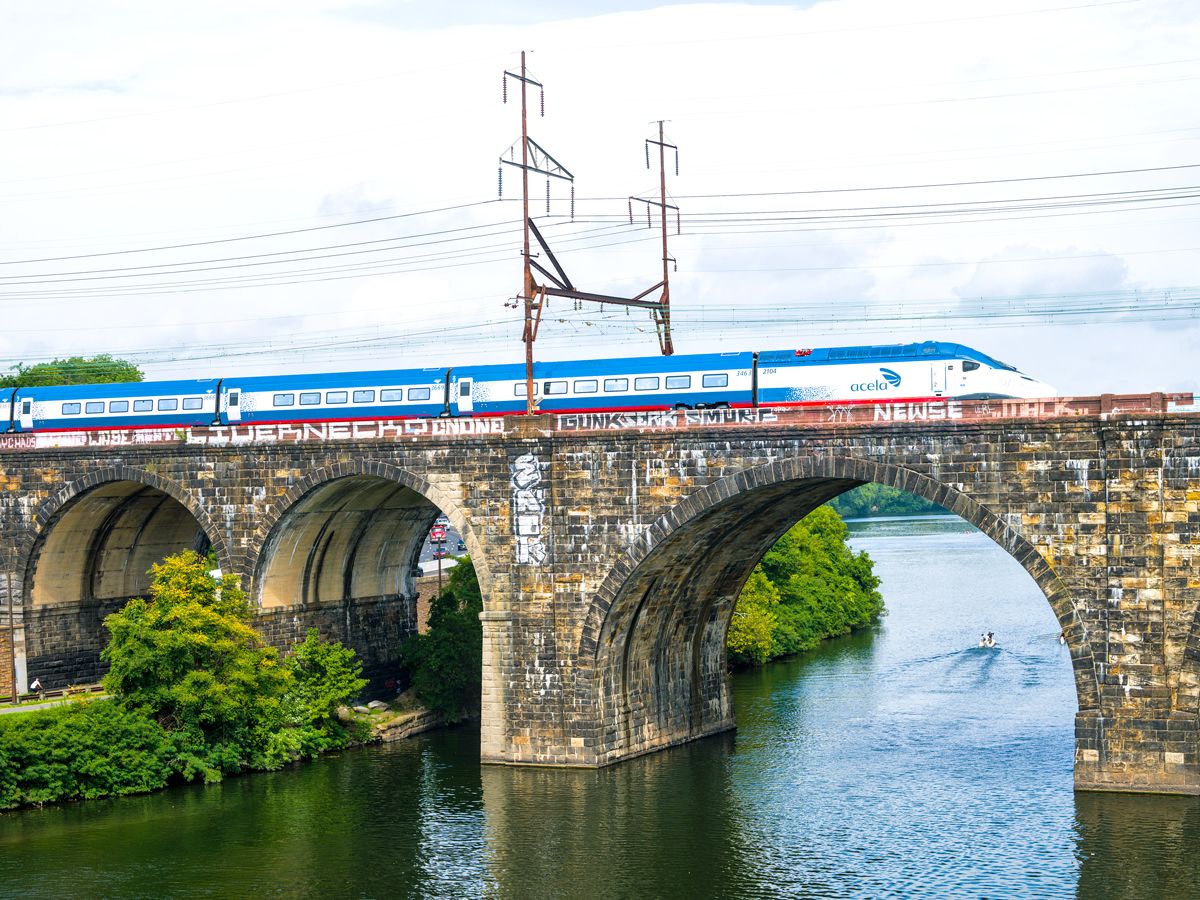
Furthermore, the company welcomed 60,000 monthly riders aboard its new NextGen Acela high-speed train; expanded its Capitol Corridor service between cities such as Sacramento, Oakland, and San Jose; and increased its Winter Park service to five days a week between the cities of Denver and Fraser, Colorado.
Amtrak has also looked to advertising to boost its ridership. Unveiled in October 2024, the Retrain Travel campaign reminded people that they could avoid the stresses of flying and driving by riding the rails instead. Additionally, the company upgraded onboard amenities: Wi-Fi, food and beverage options, station signage, and other features meant to make the travel experience more pleasant than before.
What’s Next for Amtrak?
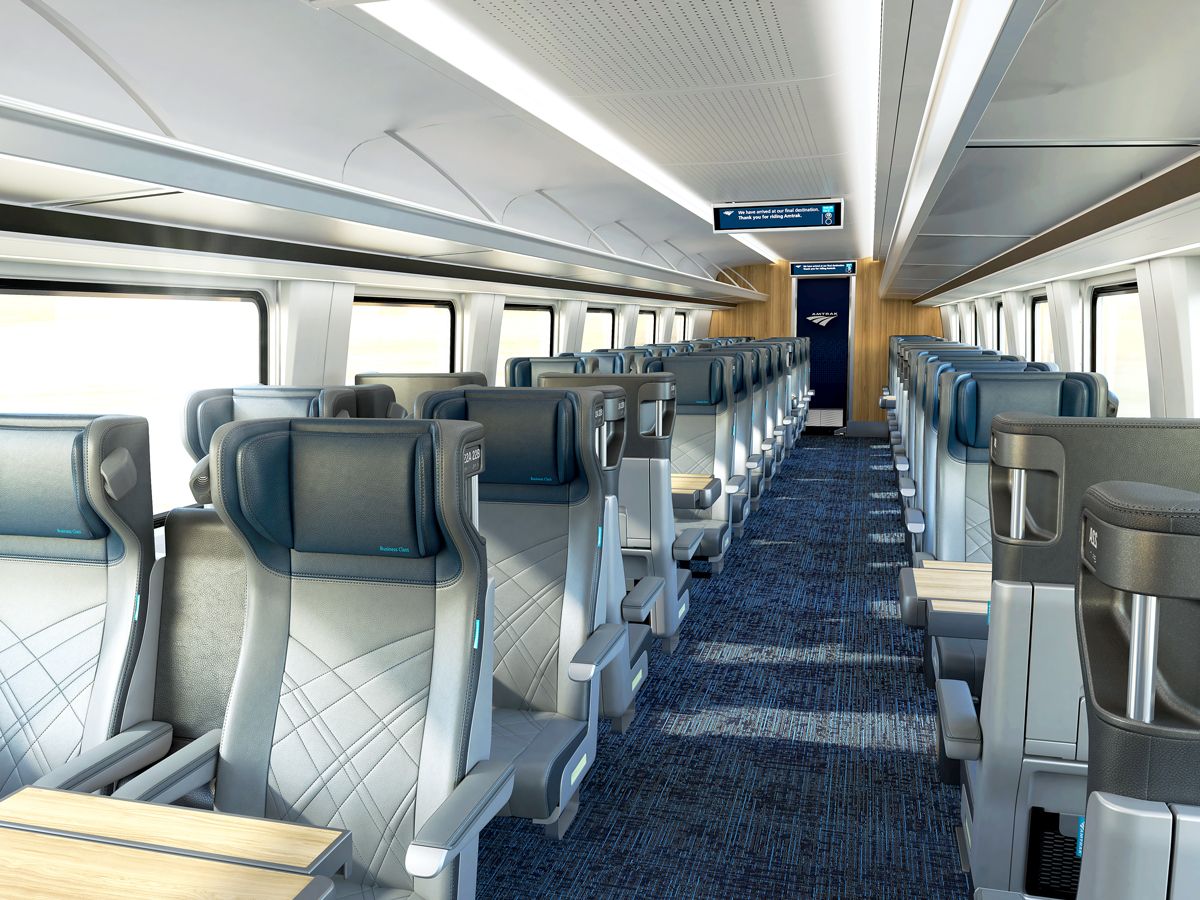
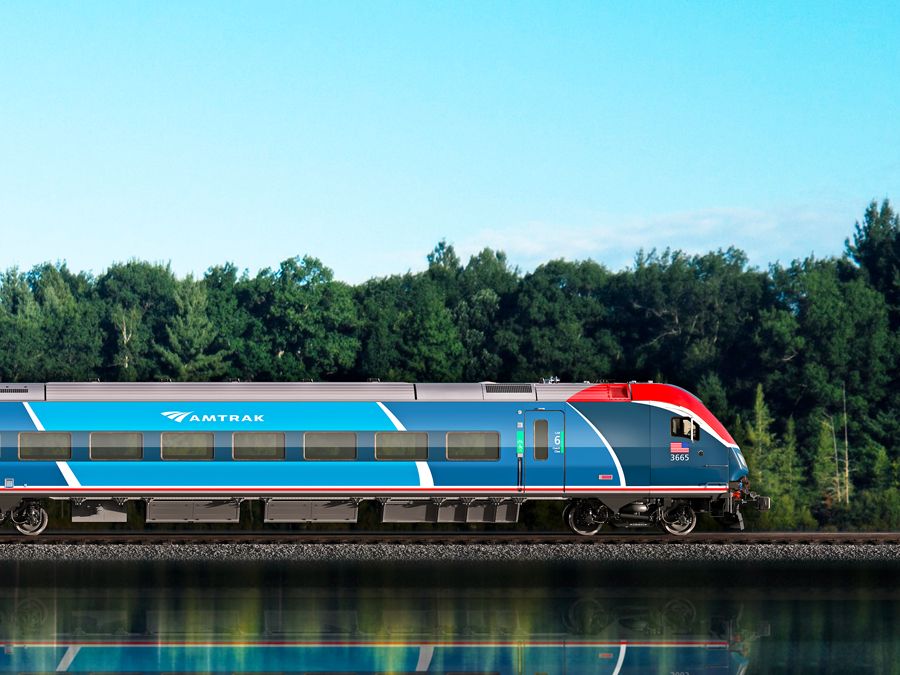
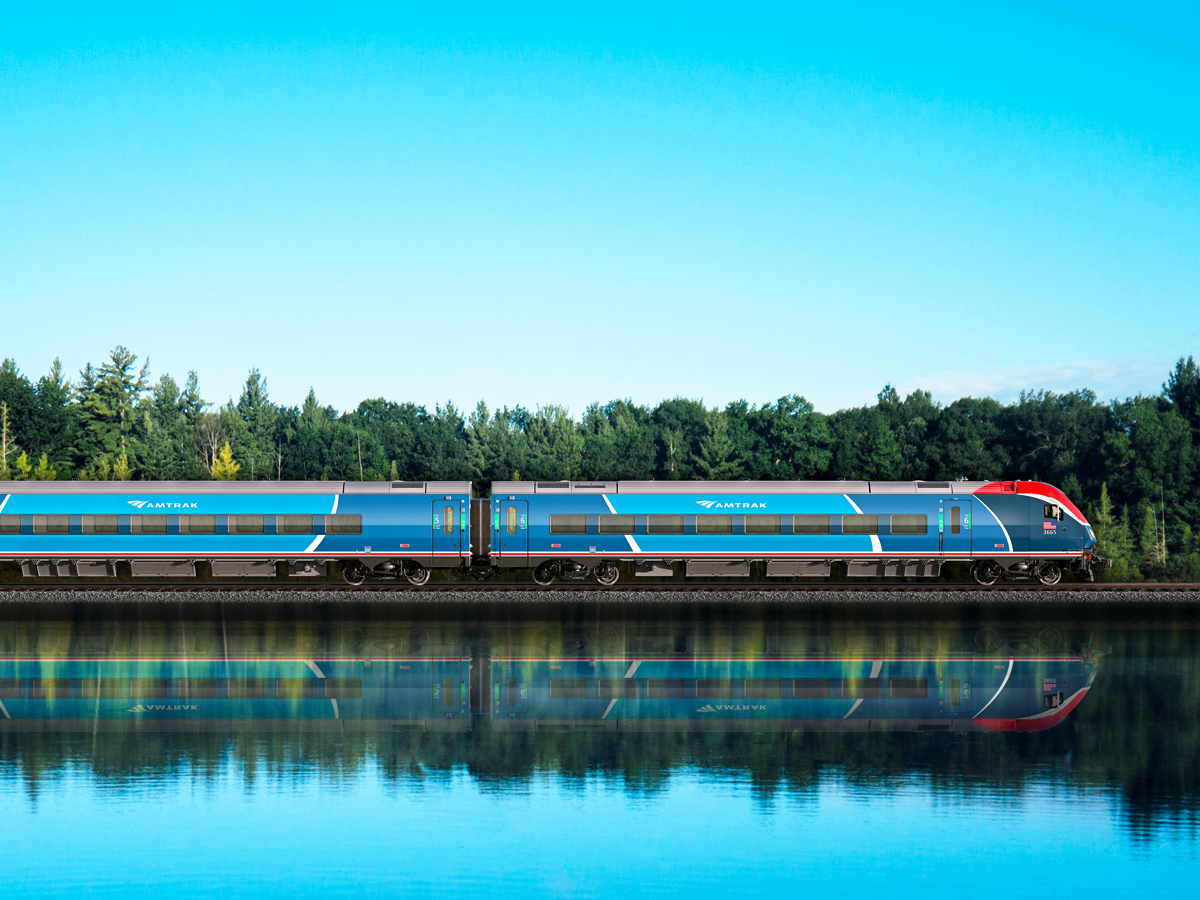
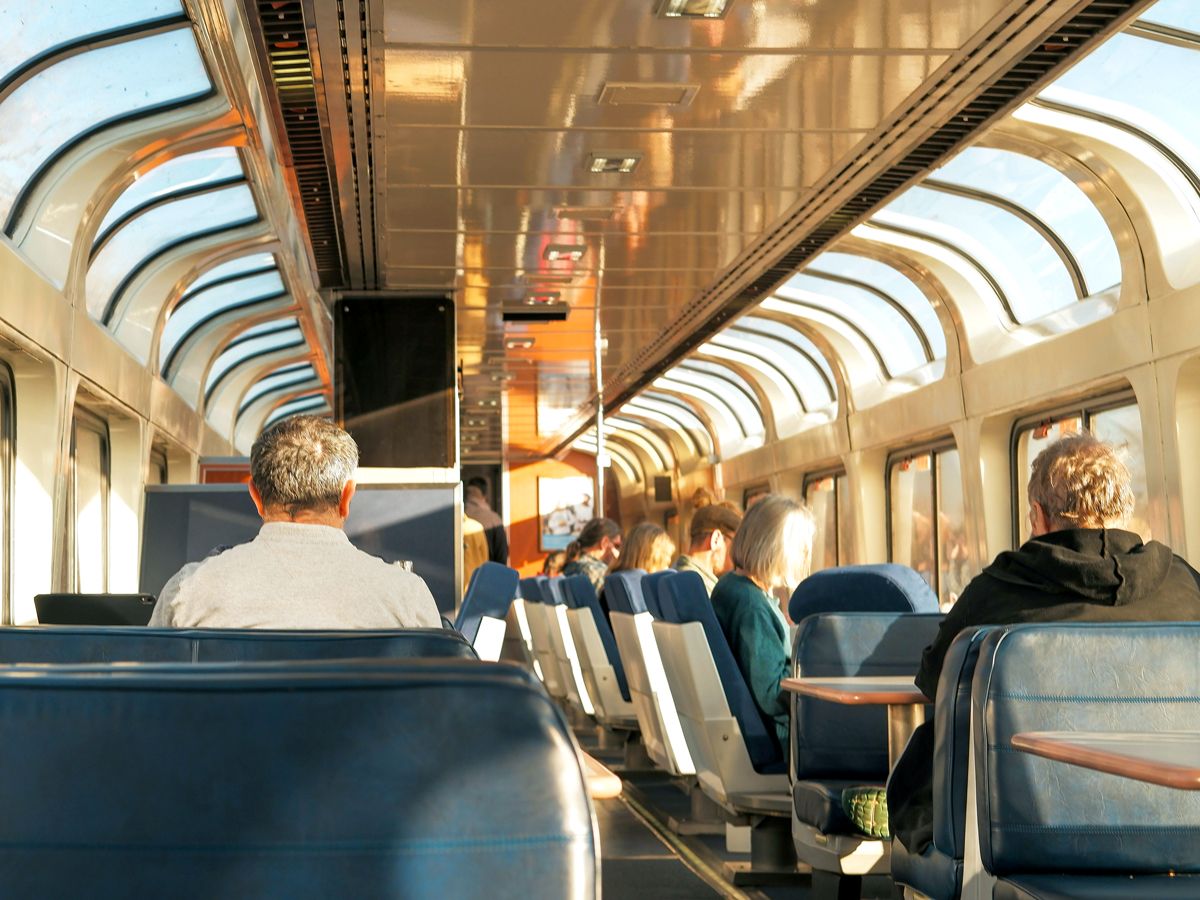
In addition to the continued rollout of high-speed NextGen Acela trains, Amtrak plans to unveil its new, ultramodern Airo fleet in the coming fiscal year. These spacious trains will feature panoramic windows, travel up to 125 mph, and offer the best fuel-efficiency in Amtrak’s fleet. The Airo is set to debut on popular routes such as the Northeast Regional, Maple Leaf, Palmetto, and Keystone Service trains.
In other news, Amtrak is working in tandem with New Jersey Transit to complete construction on the Portal North Bridge Project, which aims to relieve congestion in the ultra-busy Northeast Corridor. And in June 2025, the company began work on the East River Tunnel Rehabilitation Project, which aims to help relieve traffic in and out of New York City.
Having successfully made 19 stations ADA accessible in 2025, Amtrak also plans to upgrade 50 more stations in 2026, with the goal of achieving system-wide accessibility by 2029. It’s all part of Amtrak’s ambitious goal to double ridership to around 66 million riders by 2040.
Featured image credit: Image courtesy of Amtrak
More from our network
Daily Passport is part of Inbox Studio, an email-first media company. *Indicates a third-party property.