


5 of the Oldest Olympic Venues Still in Use
5 of the Oldest Olympic Venues Still in Use

While some Olympic venues are only ever intended as temporary structures, others become a lasting legacy. Some have even served in multiple Olympic Games, often undergoing extensive refurbishment to enable them to meet today’s more exacting standards. With the 2026 Winter Olympics in Milan and Cortina d’Ampezzo around the corner, take a trip back in time to some of the cities that hosted the earliest modern Olympic Games — and find out how their most enduring venues have fared over time.
Zappeion and Panathenaic Stadium – Athens, Greece
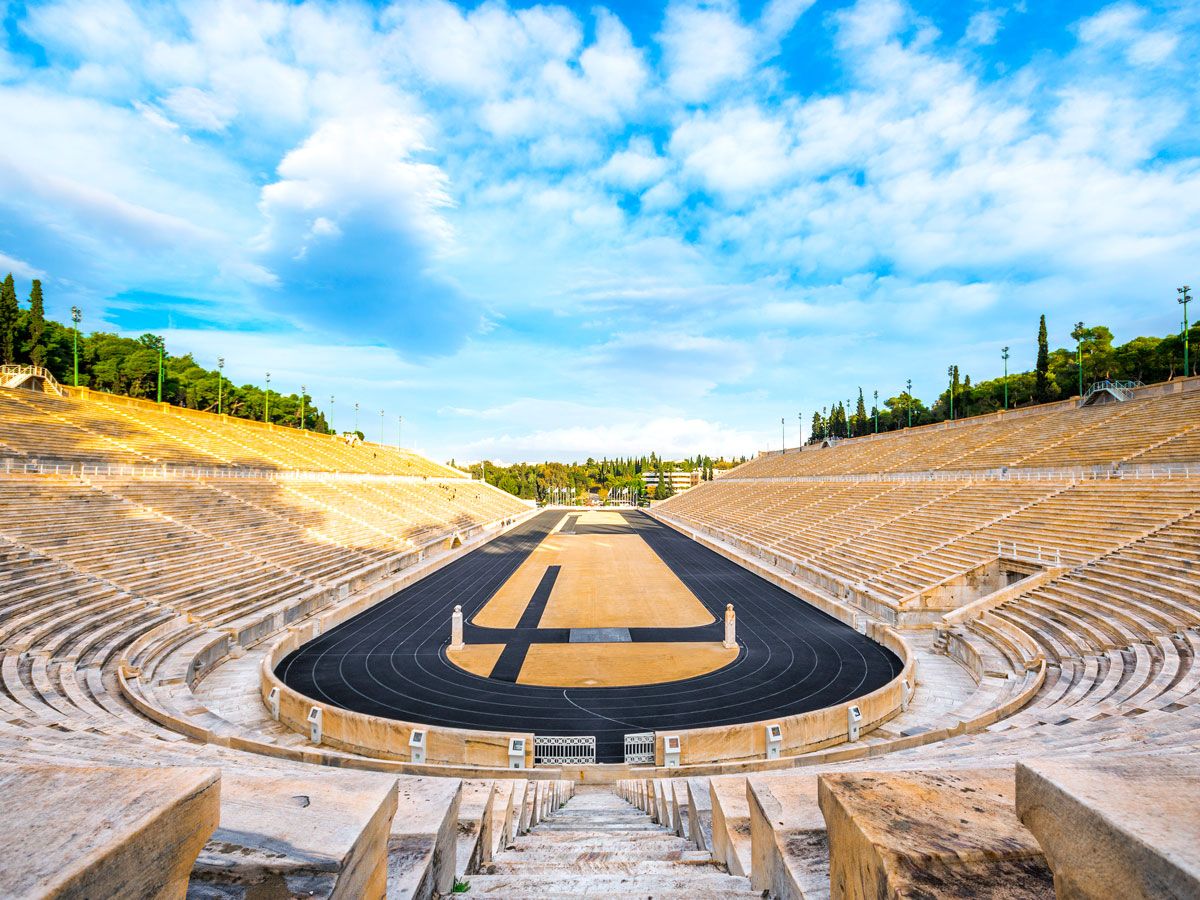
The glorious Panathenaic Stadium was constructed from marble in the second century. Having once staged gladiator fights, it was later was excavated and renovated so that it could be used for the opening and closing ceremonies of the first modern Games, the 1896 Summer Olympics in Athens.
Another remarkable building, known as the Zappeion, hosted fencing matches during the 1896 Games in its circular atrium. However, its association with the Olympics continued long after those competitors put down their foils. The Zappeion formed part of the Olympic Village for the 1906 Games in Athens and also played a role more recently, when it housed the media center at the 2004 Games. Today, it’s a venue for conventions and exhibitions. The Athens Lawn Tennis Club, which was founded in 1895 and hosted tennis events for the 1896 Games, is also still in use.
Vélodrome Jacques Anquetil – Paris, France
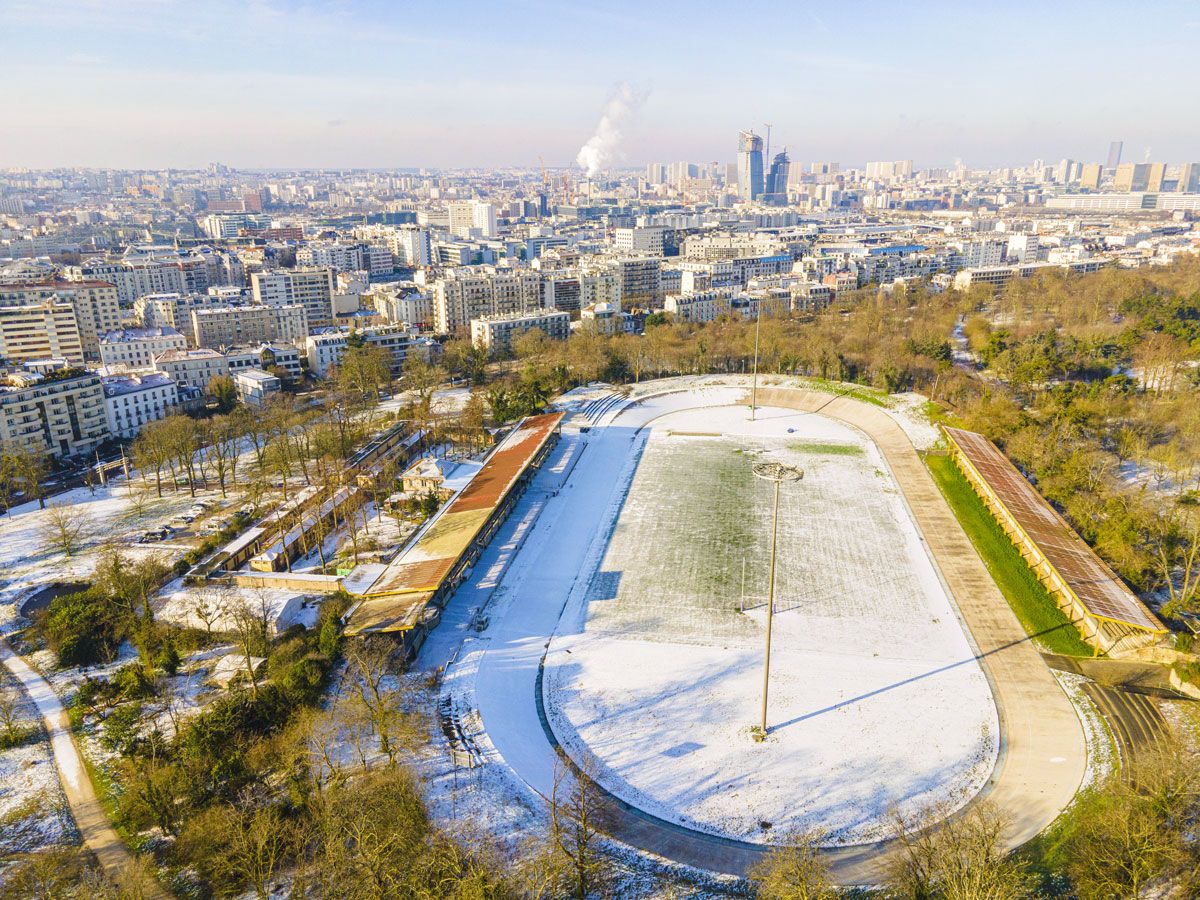
The Vélodrome de Vincennes dates back to the 1890s, and its original iron stands were built by Gustave Eiffel of tower fame. This versatile venue staged competitions in six sports during the 1900 Summer Olympics in Paris — cycling, archery, cricket, football, rugby, and gymnastics. It was brought into use again when the Games returned to the French capital in 1924, though only for cycling competitions.
Decades later, from 1968 to 1974, the Vélodrome became the finishing point for the final stage of the iconic Tour de France cycling race (until the finish line was moved to the more central Champs-Élysées). Facing deteriorating conditions, it closed in 1980. Now known as the Vélodrome Jacques Anquetil or by its nickname La Cipale, the stands and track underwent extensive restoration to reopen in 2015.
Francis Olympic Field – St. Louis, Missouri
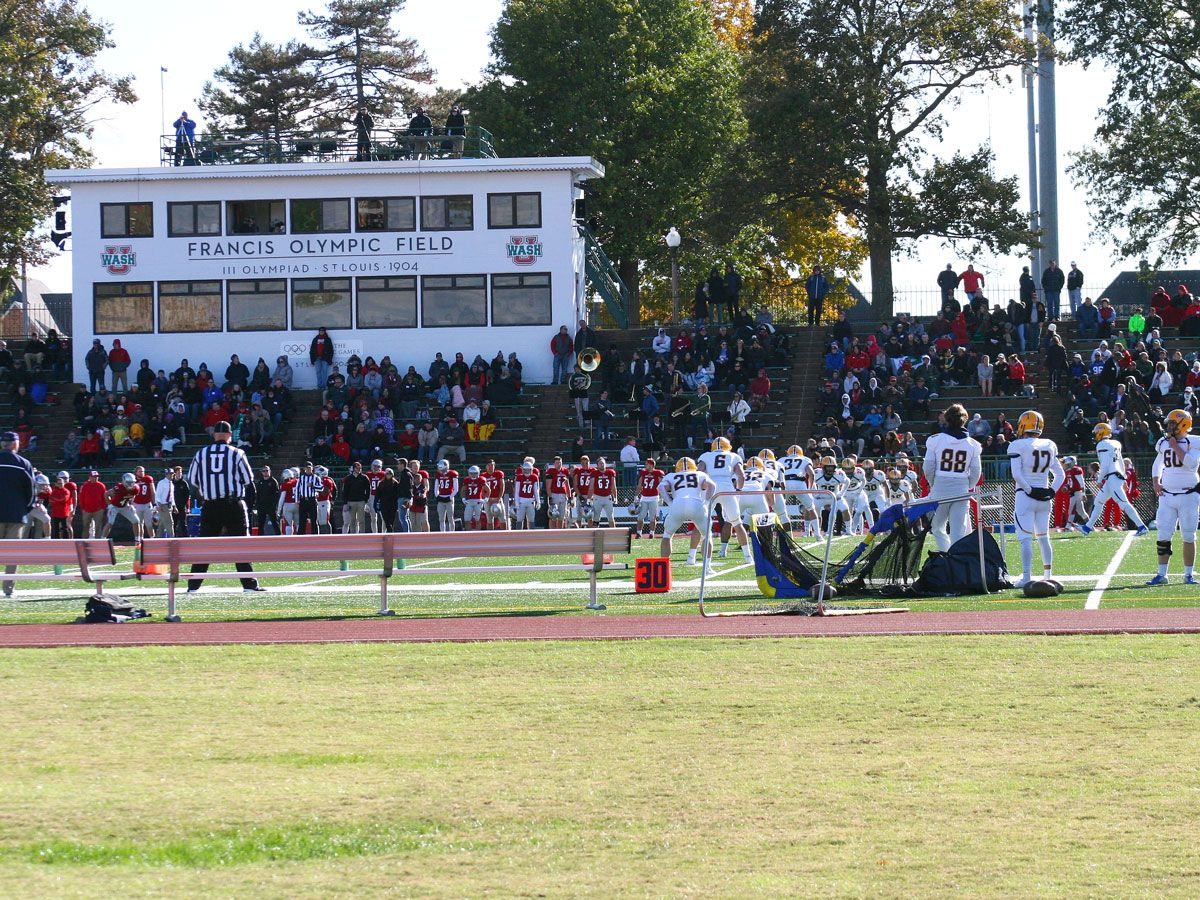
Francis Olympic Field is named after David Rowland Francis, a Washington University graduate and later governor of Missouri, who was instrumental in bringing this prestigious international sporting event to St. Louis. During the 1904 Summer Games, Francis Olympic Field was the setting for an impressive program of archery, gymnastics, athletics, cycling, football, lacrosse, tug-of-war, weight lifting, and wrestling.
Afterward, it became the home base for the Washington University in St. Louis Bears football team and now also hosts the university’s track and field, cross-country, and soccer teams. However, renovations in 1984 reduced the capacity from 19,000 spectators to 4,000, as the original wing sections had to be demolished because they no longer met modern standards.
Ryde Pier – Isle of Wight, England
The practice of staging events outside the host city began when London hosted the 1908 Olympic Games. Events such as sailing, rowing, and shooting were all held at venues beyond the British capital. For example, the Henley Royal Regatta Course, in the town of Henley-on-Thames, and the Bisley Rifle Range in Surrey were used again when the Olympics returned to London in 1948.
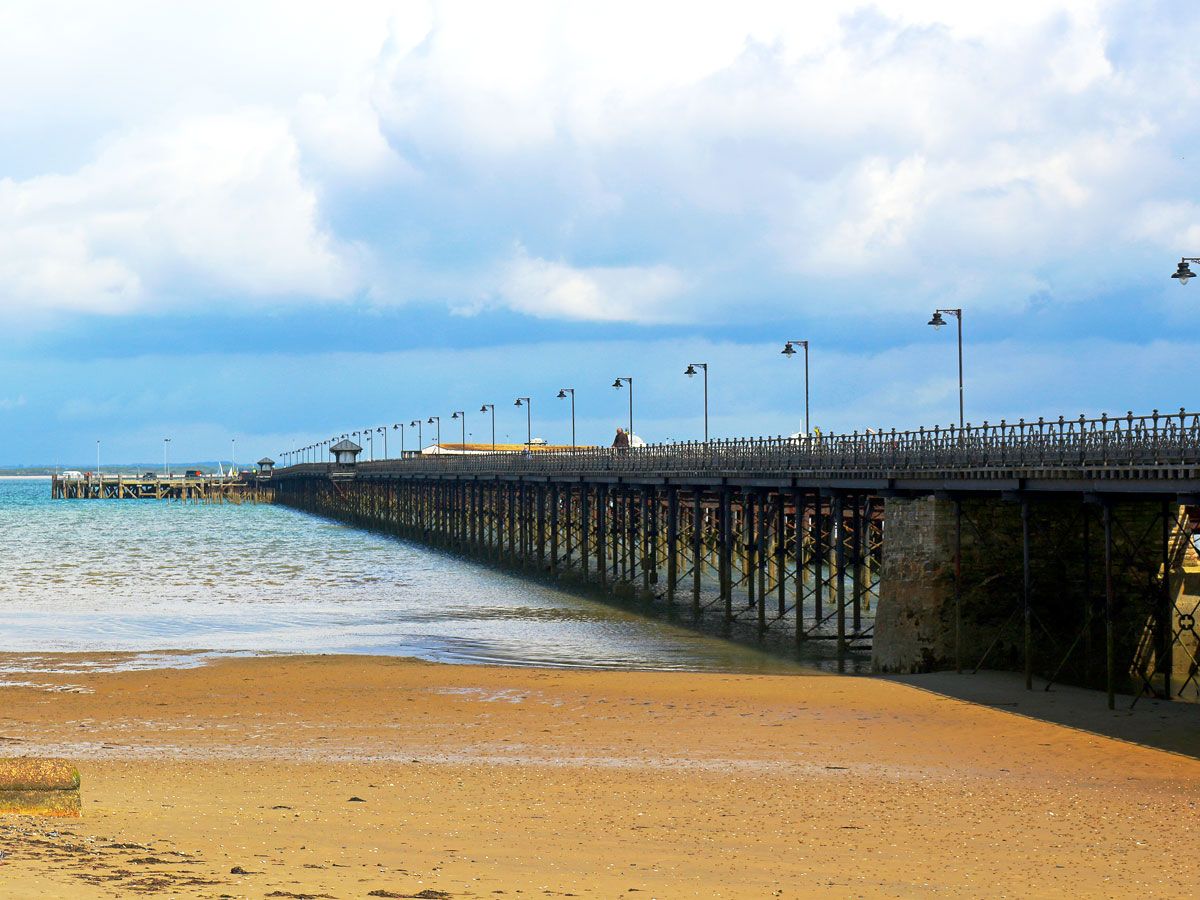
The same wasn’t true for Ryde Pier, but this heritage structure on the Isle of Wight remains a popular local landmark more than a century on — not least because it’s the second-longest seaside pleasure pier in the U.K., after the Southend Pier. During the 1908 Games, spectators gathered at the end of the pier to watch yacht races, all of which were won by the Great Britain crews, to the delight of the crowd.
Stockholms Stadion – Stockholm, Sweden
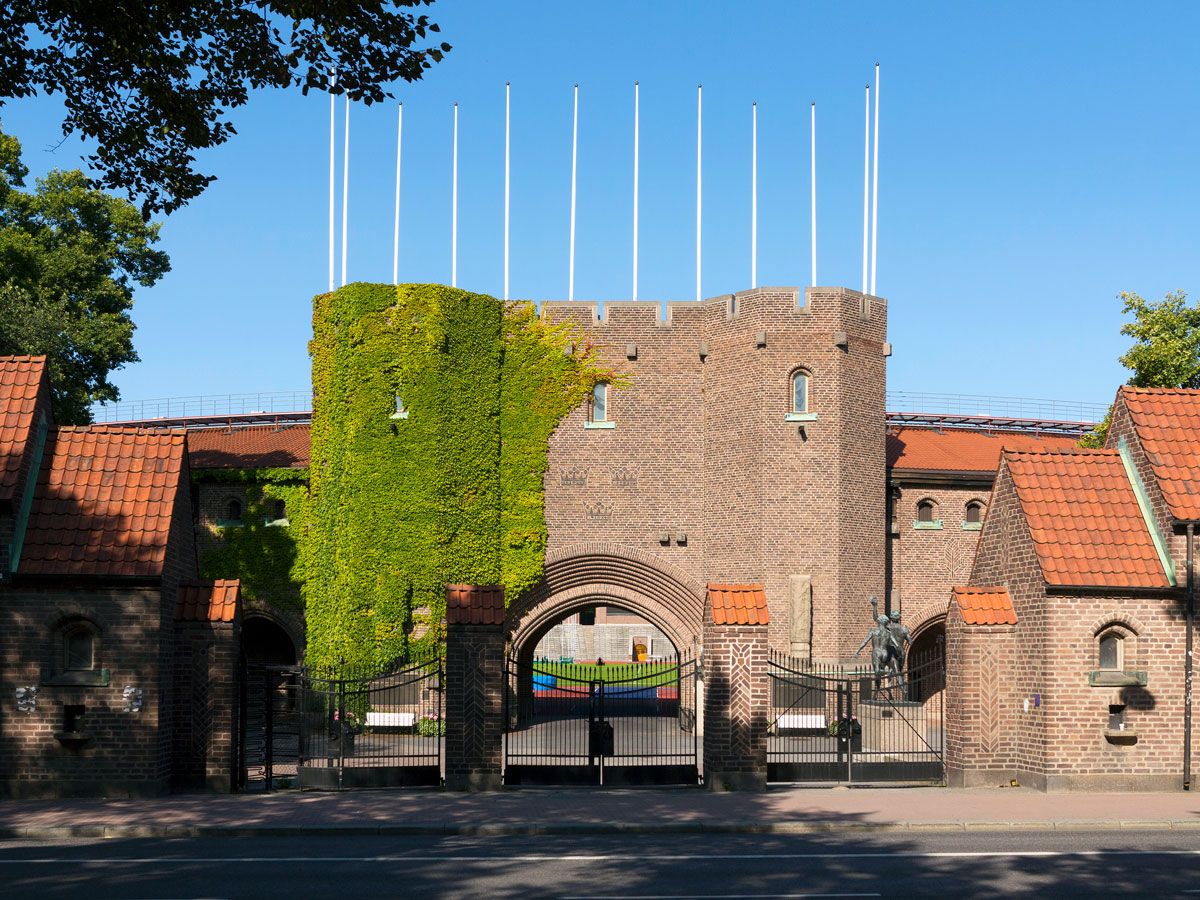
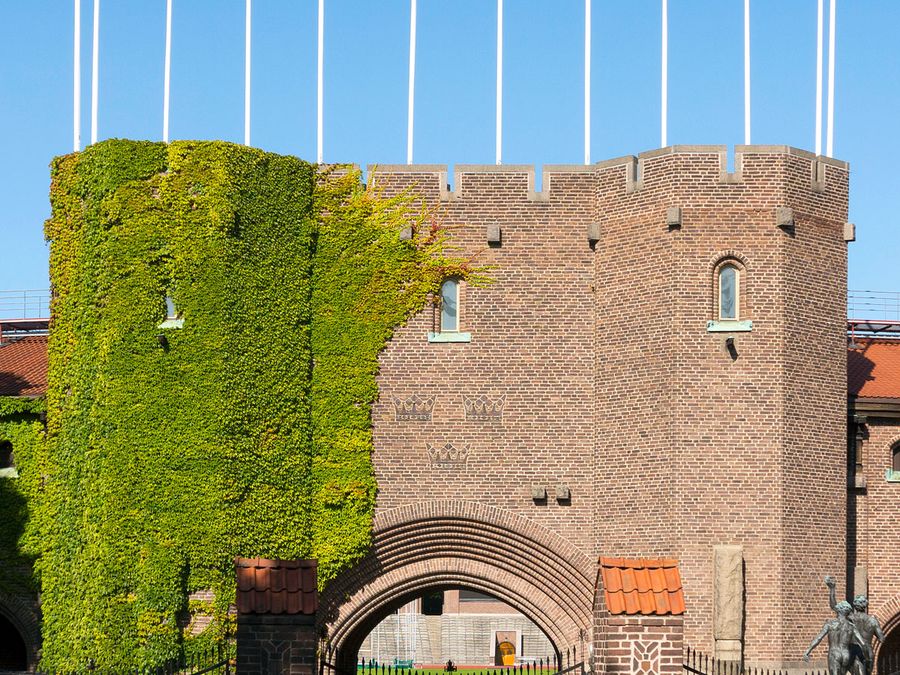
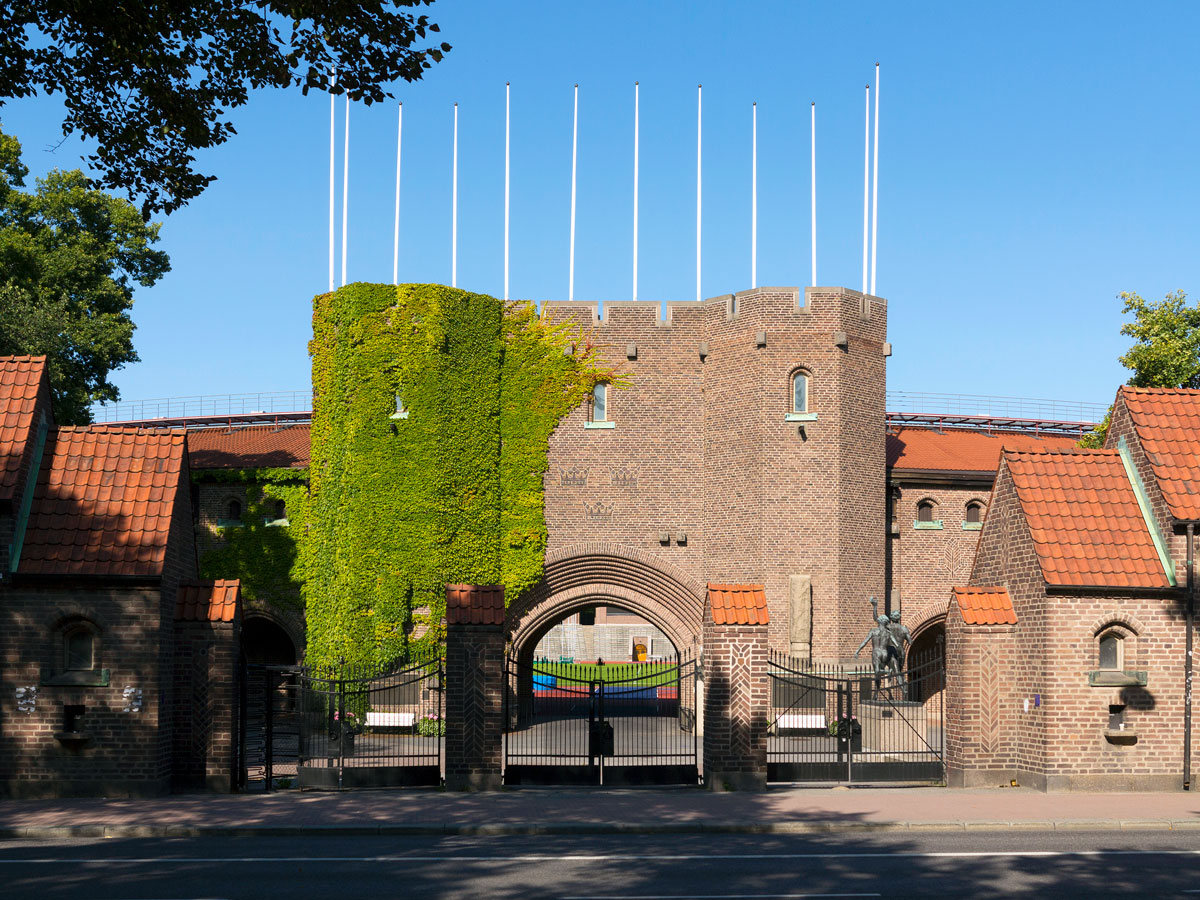
This historic stadium served the Swedes well in the 1912 Olympic Games when it hosted equestrian events, running, football, gymnastics, tug-of-war, and wrestling. The organizing committee initially intended to construct a temporary structure from wood, but later decided to build something more permanent.
The distinctive design, representing the Swedish National Romantic style, was the vision of architect Torben Grut. He was passionate about using traditional, locally sourced materials and had a reputation for craftsmanship. The stadium bore more than a passing resemblance to a castle with crenellations and towers befitting a fortification. Today, it hosts sporting events and concerts. It’s also open to the public, popular with joggers and those playing soccer with friends.
More from our network
Daily Passport is part of Inbox Studio, an email-first media company. *Indicates a third-party property.