





Why Are the New TSA Scanners So Slow?
Why Are the New TSA Scanners So Slow?
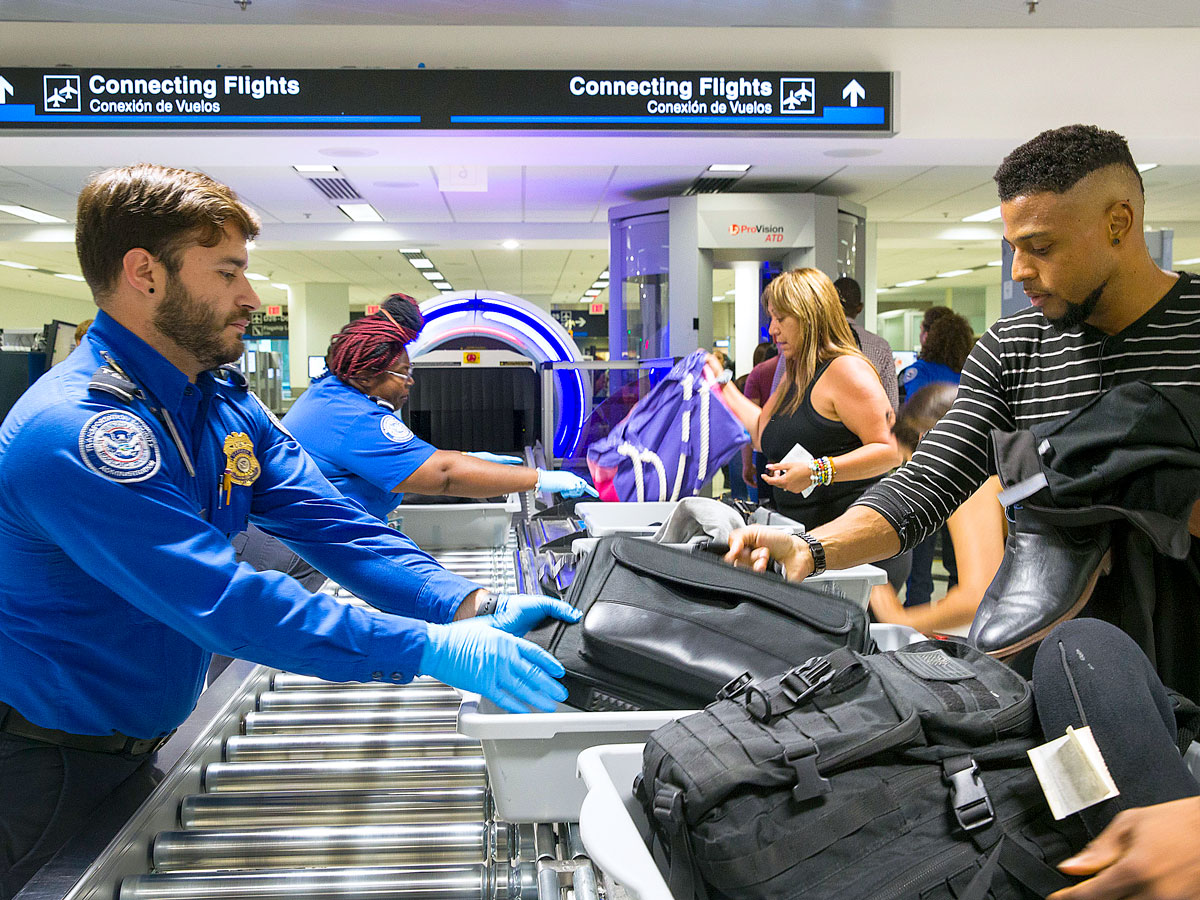

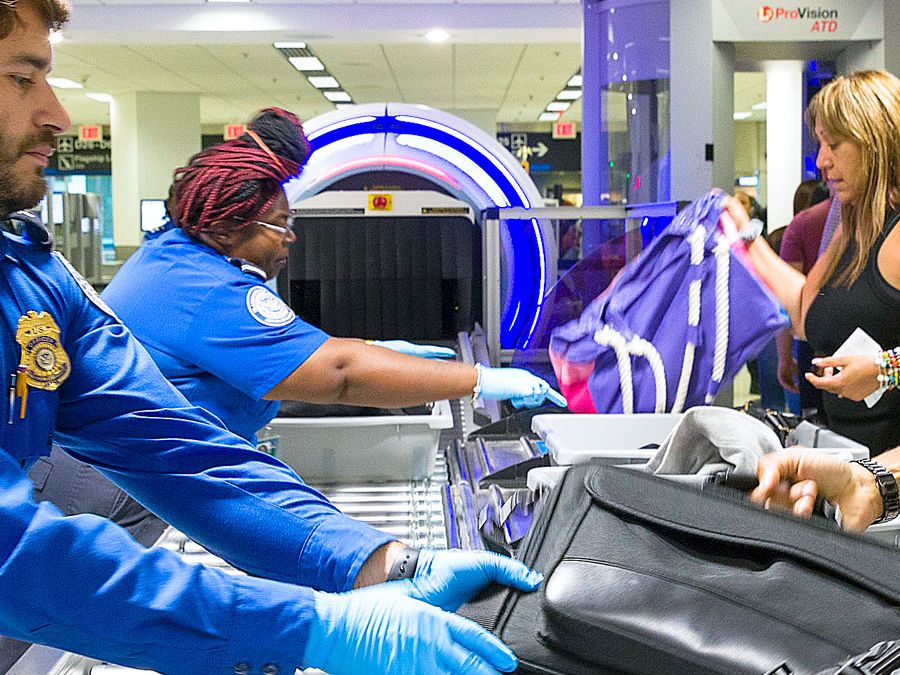
It’s safe to say that no traveler likes going through airport security. Even if you have a routine that works for you, there’s always a chance that long lines or other delays could result in a missed flight — or, at the very least, more anxiety than normal. That’s been especially true in recent months, as the new Transportation Security Administration (TSA) scanners have made the process slower, not faster, for some travelers. This naturally leads to a question: Why are they so slow, anyway?
New Technology, New Problems
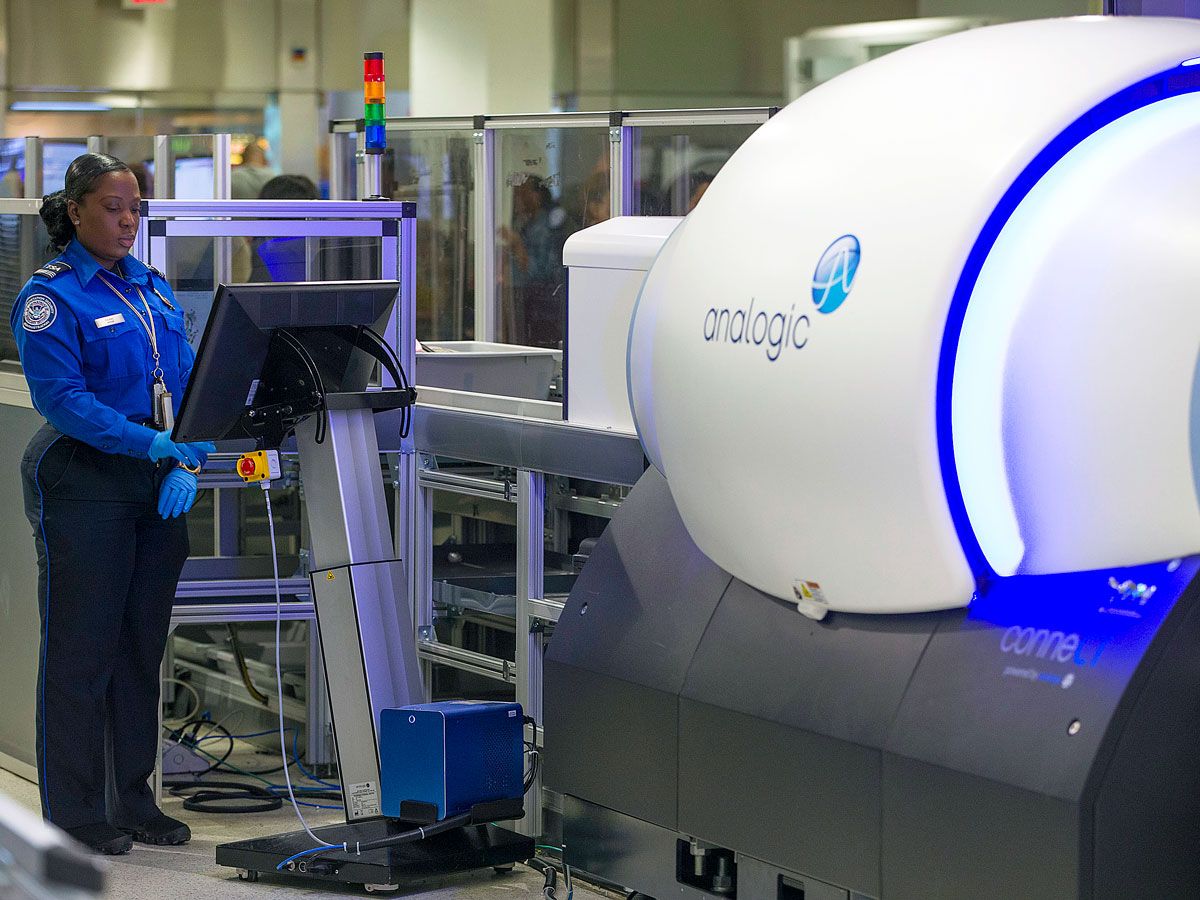
Those bulky, sci-fi-looking screening machines — officially known as computed tomography (CT) scanners — use 3D imaging to produce more reliable images of bag contents than their predecessors, which aims to reduce the need for secondary inspections. They were first approved in 2019, when the TSA purchased 300 of them to install at select U.S. airports. In 2023, following several other orders, the TSA spent a cool $1.3 billion on more than 1,200 units.
“These CT units represent sophisticated technology that helps our professional, dedicated, and highly skilled workforce detect new and evolving threats to improve aviation security,” TSA administrator David Pekoske said at the time. “Deploying these units across our security checkpoints as expeditiously as possible will also improve checkpoint efficiency and the passenger experience.”
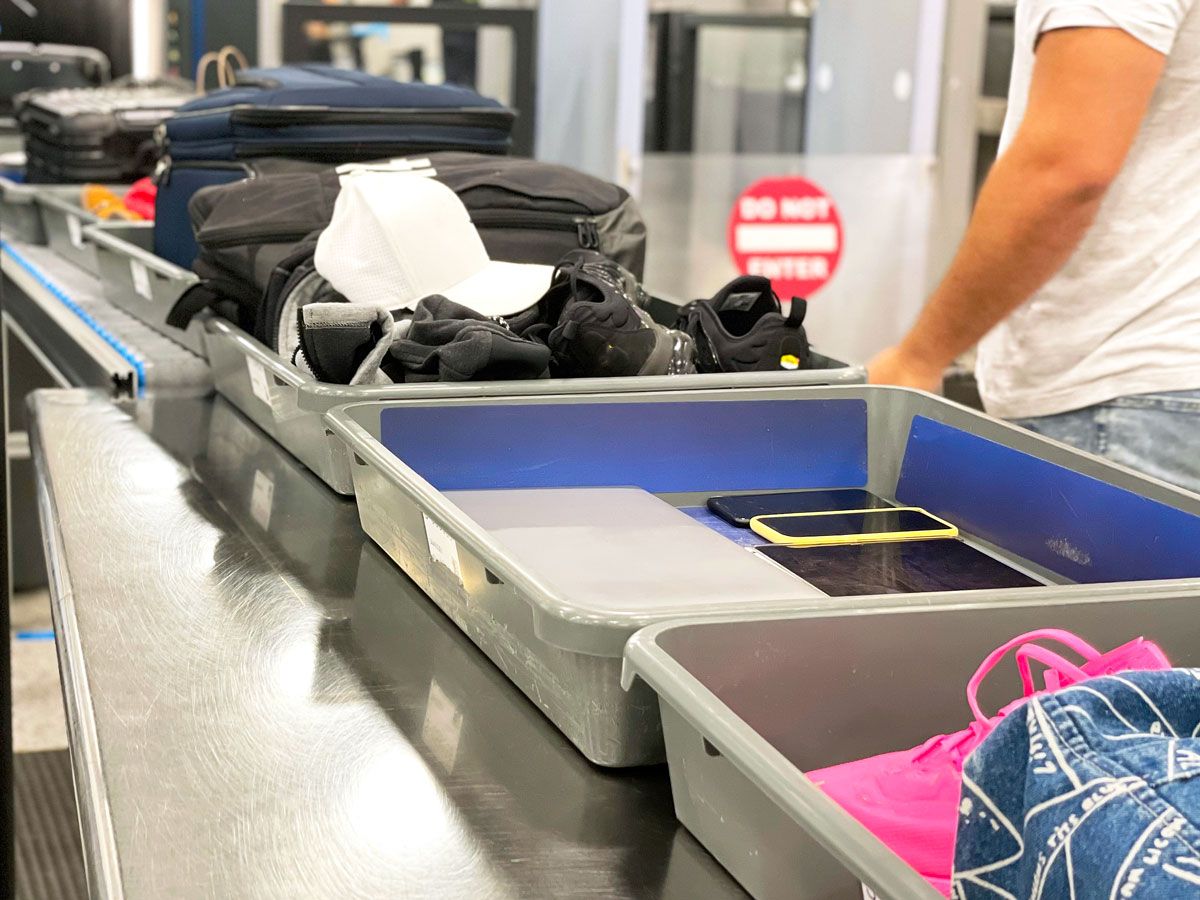
The new CT scanners, which, as of early 2026, have been installed at more than 250 airports across the country, are also intended to hasten the screening process by eliminating the need to remove certain liquids, laptops, and other electronic devices from carry-on items. As is often the case with new technology, however, they’ve sometimes had the opposite effect.
Growing Pains
In 2022, the travel website The Points Guy reported on travelers who were frustrated with the slow speed of the new scanners. In a statement, the TSA pointed to training issues with the new technology, sharing with the outlet that “as with any new technology, there is a learning curve for officers; as their proficiency increases, there is an expectation throughput will meet and exceed existing systems.” The agency clarified that the machines themselves are not the culprit, adding, “Our operational testing of the CT units shows that the baggage search technology takes no additional time.”
Growing pains were certainly to blame on opening day for Pittsburgh International Airport’s new terminal last November, when several passengers complained of long lines that made getting through security “four times slower” than usual. Though the TSA released a statement touting Pittsburgh’s 12 dedicated lanes (an increase from the previous seven) that represent “a leap forward in both safety and efficiency,” the experience on the ground was a bit different as people adapted to a new system.
It isn’t just travelers who have to adapt, however — it’s the actual TSA officers who have to operate the new scanners. As one of them posted on Reddit, officers at Pittsburgh International Airport received minimal training on the new machines. The officer added that the machines “are breaking down constantly, and we don’t really know how to use them yet. Things will speed up a bit once the technical issues are fixed and we become proficient in the new machines.” A scanner is only as efficient as the person operating it, and first days are difficult regardless of profession.
As the CT scanners become the norm rather than the exception, it’s likely that getting through security will indeed be faster and more efficient than it used to be, especially if travelers no longer have to remove certain items from their bags to be scanned separately. For now, though, keep arriving early just in case — particularly if the airport you’re traveling through just installed the new scanners.
Featured image credit: Joe Raedle via Getty Images News
More from our network
Daily Passport is part of Inbox Studio, an email-first media company. *Indicates a third-party property.