






6 Things You Should Never Pack in Carry-On Luggage
6 Things You Should Never Pack in Carry-On Luggage


Are you a carry-on-only traveler or do you like to check a bag when you fly? Either way, you’ll need to pay special attention to certain items in your suitcase. You may be surprised to learn that some common items are restricted in carry-on bags because they could be deemed hazardous or run afoul of TSA rules. We’ve compiled a list of six items that can’t come on board with you, so you can speed through security like a pro.
Spreadable Pastes and Gels Greater Than 3.4 Ounces
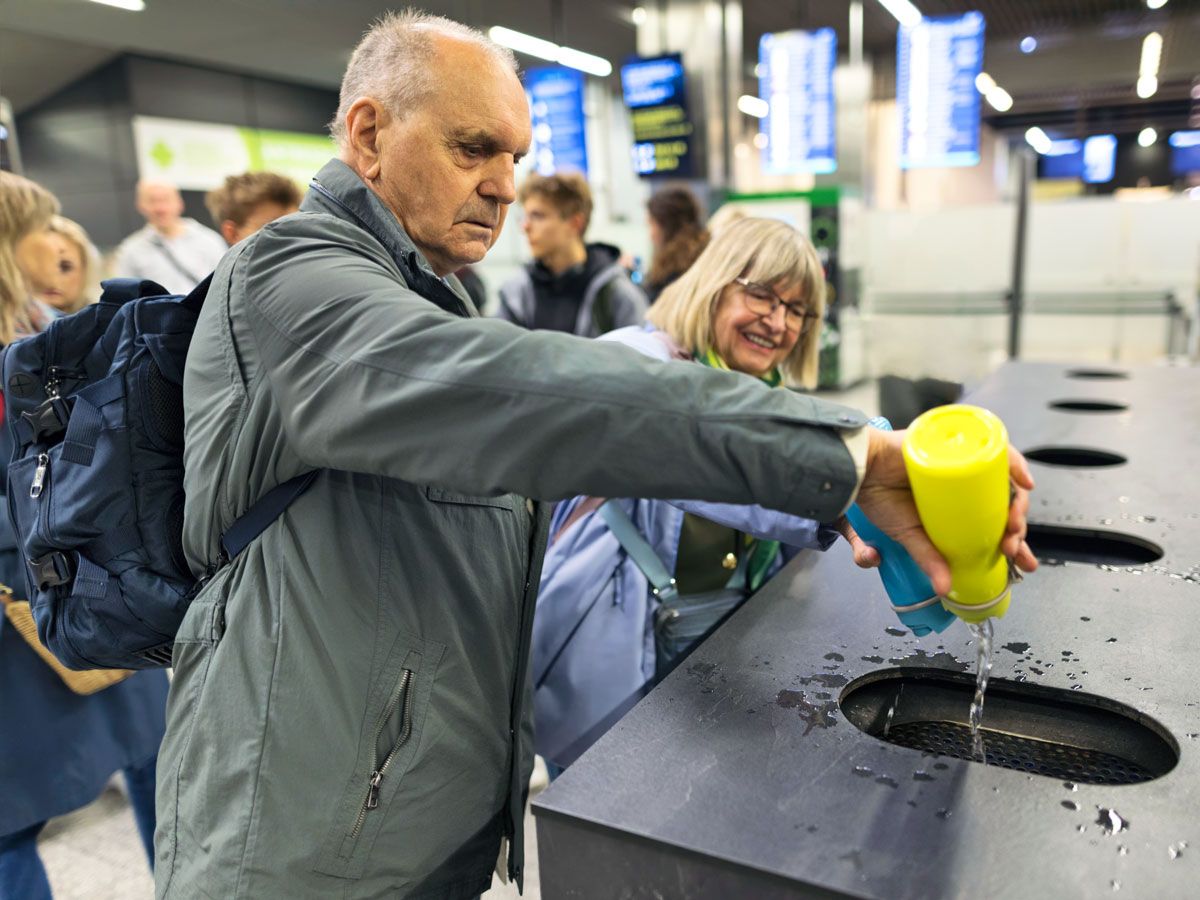
Most travelers are well aware of the fact that, since 2006, taking large quantities of liquids in carry-on luggage is banned. Though some airports worldwide now have upgraded scanners that can accommodate liquids in quantities greater than 3.4 ounces, most flyers (especially in the U.S.) will be limited to smaller sizes.
And liquids, in this case, aren’t just things you can pour. For airport security purposes, a liquid is classified as anything that can be spread, and that includes pastes and gels. So, don’t think about packing large amounts of maple syrup, peanut butter, jelly, or soft cheese in your carry-on unless you want to have these items confiscated.
Tent Pegs

Campers, take note: If you’re planning on packing tent pegs (aka tent spikes) for your trip, make sure they’re not in your carry-on. The TSA classifies tent pegs as a sharp item, similar to razor blades, knives, and large scissors. As such, they must be transported in checked luggage (and be effectively sheathed to prevent accidental injury during inspections).
Technically, the tent itself is permitted as or in carry-on luggage, though you’ll need to check if it meets the airline’s permitted bag dimensions. A camping stove is also acceptable as a carry-on, so long as you’ve emptied out the fuel and cleaned it thoroughly.
Certain Sporting Equipment

The TSA differentiates between various types of sporting equipment, stating that anything that can be “used as a bludgeon” is not permitted in carry-on luggage. In other words, items such as baseball bats and golf clubs have to be transported in checked luggage. Similarly, poles used for skiing are deemed to be a hazard and cannot be brought into the cabin.
Whether you can pack hiking poles in your carry-on is less clear-cut. It depends on whether they have blunt or sharp tips (and it’s wise to ask the airline, as policies vary). Canes, however, are classed as a mobility aid and are therefore permitted in the aircraft cabin.
Firearms and Ammunition
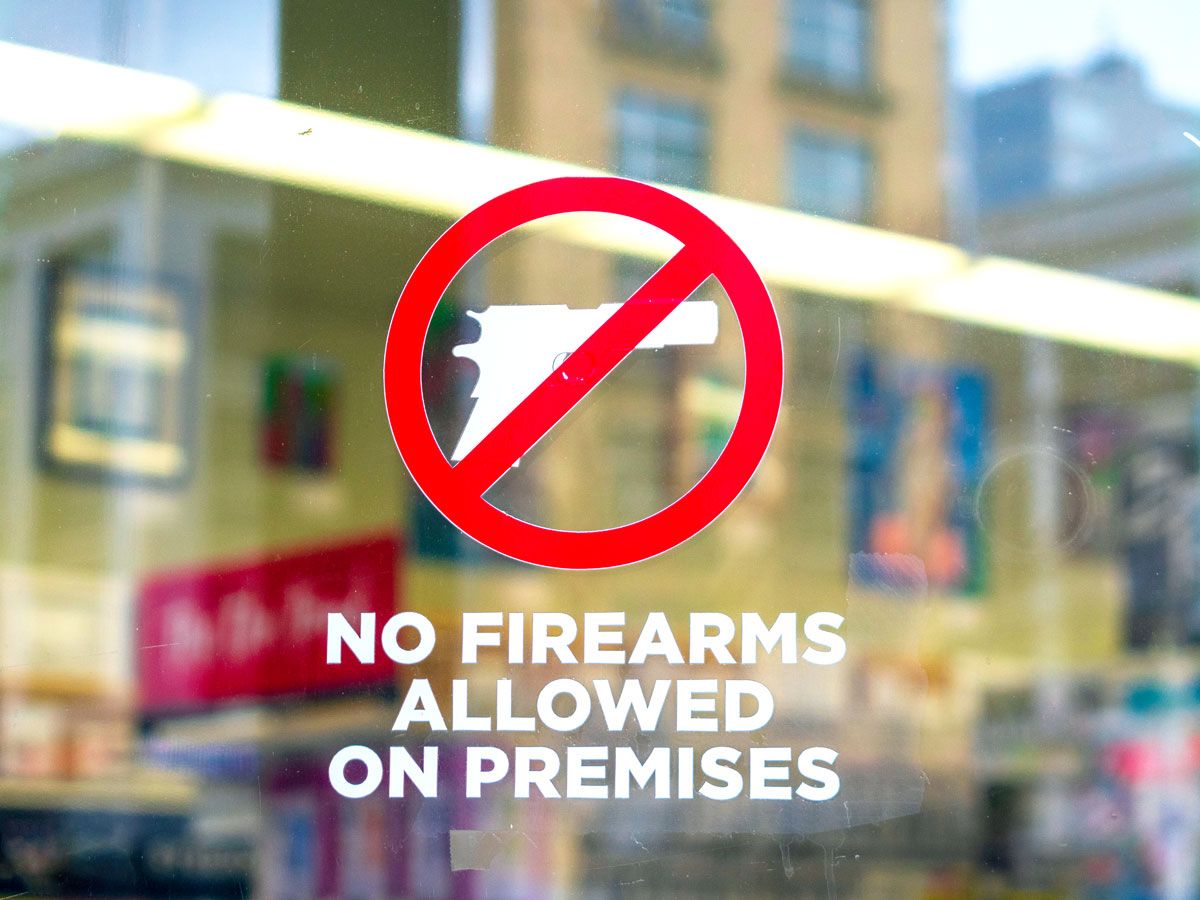
As you’d probably expect, firearms and ammunition are not permitted in the aircraft cabin and have to go in a traveler’s checked luggage. (This applies to replicas, too.) There are also strict conditions concerning the carriage of firearms to ensure everyone’s safety. Most crucially, the firearm cannot be loaded and must be locked in a hard-sided case. Small amounts of ammunition can be packed in checked luggage in a container designed specifically for that purpose, such as a fiber, wood, or metal box. Rifle scopes are permitted in carry-on bags.
However, the FAA cautions that travelers should always contact their airline to provide details of what they wish to transport. Additionally, be diligent about checking local, state, and international regulations, as these can differ considerably.
Self-Defense Items Like Pepper Spray
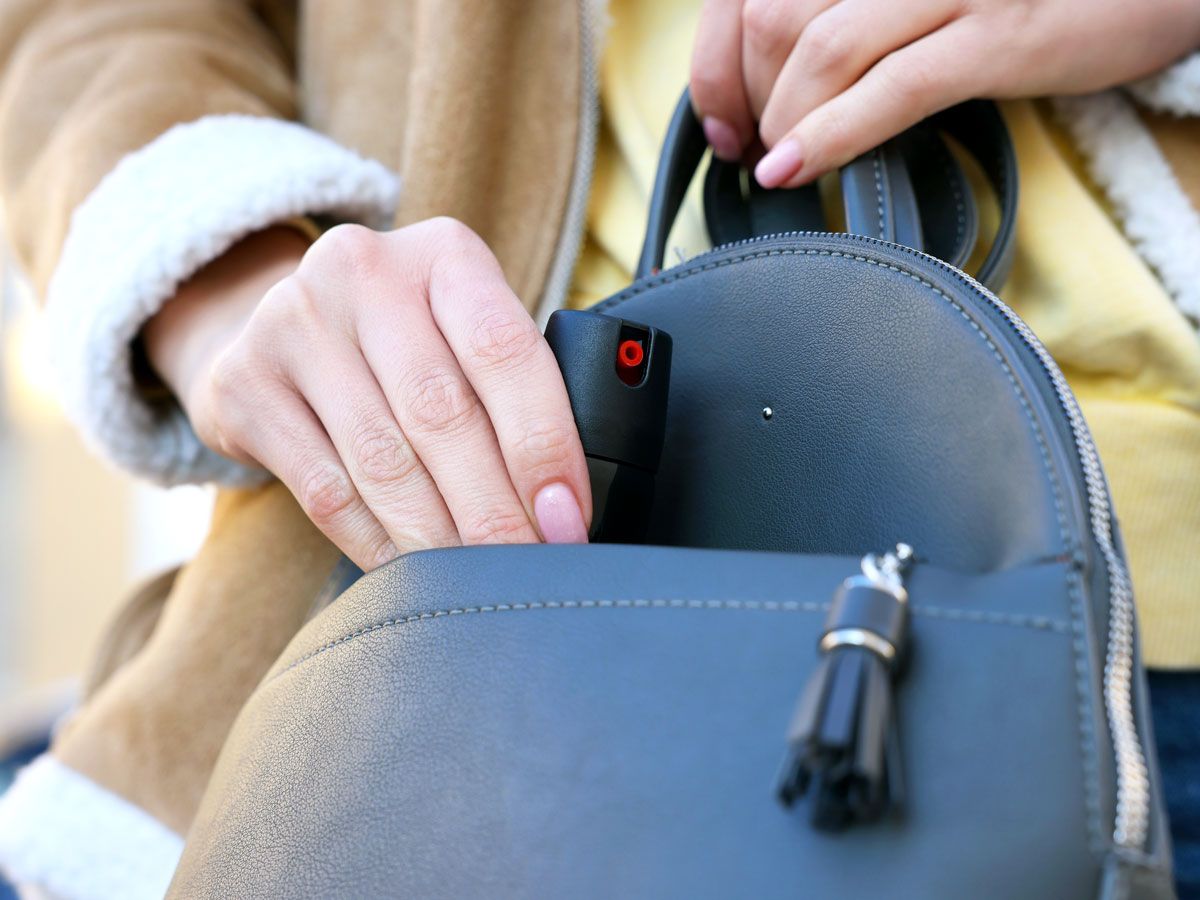
The FAA classifies products that can be sprayed to aid self-defense as hazardous materials, but the agency makes an exception for smaller items when it comes to checked luggage. While none of it can come into the cabin with you, you can pack mace and pepper spray in your checked bag as long as it doesn’t exceed 4 ounces.
However, many other hazardous materials, such as paints and lighter fluid, can’t be packed in carry-on or checked luggage. The TSA says the same goes for bear spray, so if you were planning to carry some for a wilderness hike, you’ll have to rent or purchase it at your destination.
British Christmas Crackers

Sometimes when we travel, it can be fun to adopt another country’s traditions as a souvenir of your trip. If you’re visiting the U.K. during the holidays, you might be enamored with the idea of exchanging Christmas crackers at a festive meal.
However, these gift-filled treats have a small amount of gunpowder inside, which is what causes the “snap” sound when the tube is pulled. If you try to bring them back to the U.S., either in carry-on or checked bags, officials will confiscate them. Most airlines ban them anyway; British Airways is a notable exception. Instead, try a different Christmas tradition, like exchanging books as Icelanders do during the annual Jólabókaflóð on December 24.
More from our network
Daily Passport is part of Inbox Studio, an email-first media company. *Indicates a third-party property.