


5 Countries Known for Taking Siestas
While napping during the day can be viewed as lazy or unproductive in countries such as the U.S., some cultures view it as a necessary wellness practice. Rooted in the Latin word sexta, meaning the sixth hour of the day, the tradition of the siesta dates back to Roman times, especially in hotter climates. Although the advent of modern technology such as air conditioning (along with the growth of capitalism and globalization) may try to negate the siesta’s inherent value, here are five countries that continue to make time for an afternoon snooze.
Spain
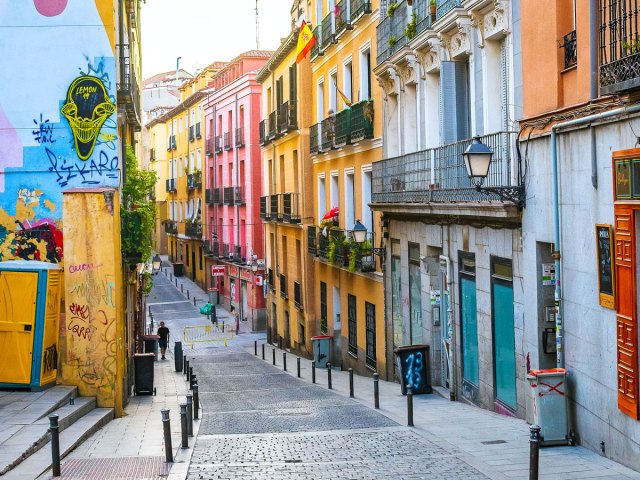
Spain and siestas go hand in hand. The practice dates back to the sixth century, when the Rule of St. Benedict, a foundational code of conduct for monks, encouraged a midday rest around 2 p.m. to ensure a balanced, healthy way of life. Spaniards quickly adapted to this recommendation, thanks in large part to the region’s hot climate and agricultural economy. Since rural workers toiled long hours, the workday was often divided into two sections, which allowed time for a large meal and a subsequent nap during the midday break.
However, since the global economy began to infiltrate Spain, the siesta has become less ubiquitous in big cities such as Barcelona and Madrid, with many younger working-age people reporting that they never take a siesta. Nevertheless, the tradition is alive and well in many rural Spanish towns, with most shops closing midday for a proper rest.
Italy
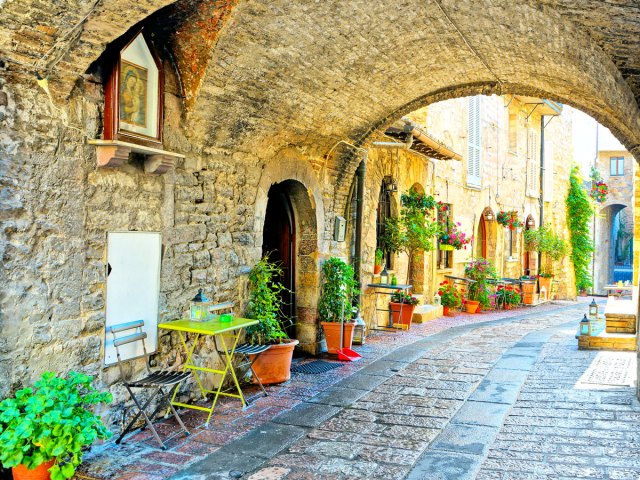
Italians practice a tradition known as riposo, a midday break that translates literally to “rest.” Most often honored in small towns, riposo occurs every day around noon and can last three to four hours. Since lunch is also the largest meal of the day, this gives people enough time to gather, eat, and take a nap.
As a result, many rural Italian villages become ghost towns in the afternoon, with restaurants, pharmacies, and even police stations closing for riposo. However, small cafes often stay open, offering espressos, pastries, and panini for anyone who chooses to be out and about. These midday breaks are especially important in the summer, as rest time is highly encouraged during the hottest part of the year. It also reflects Italy’s more laid-back culture, where enjoyment and rest — la dolce vita — are at least as valuable as productivity.
Greece
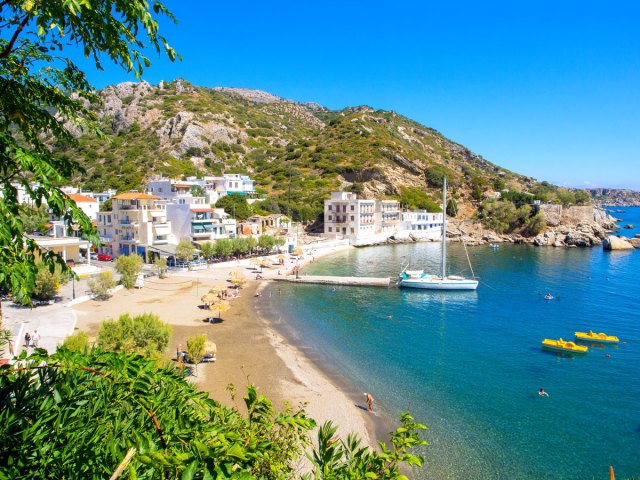
Afternoon rest is also embedded into Greek culture. In fact, Greek law requires common hours of silence, which also discourages the use of power tools, motorcycles, and other loud machines during the afternoon. Mesimeri, the Greek word for “midday,” colloquially translates to “quiet time.”
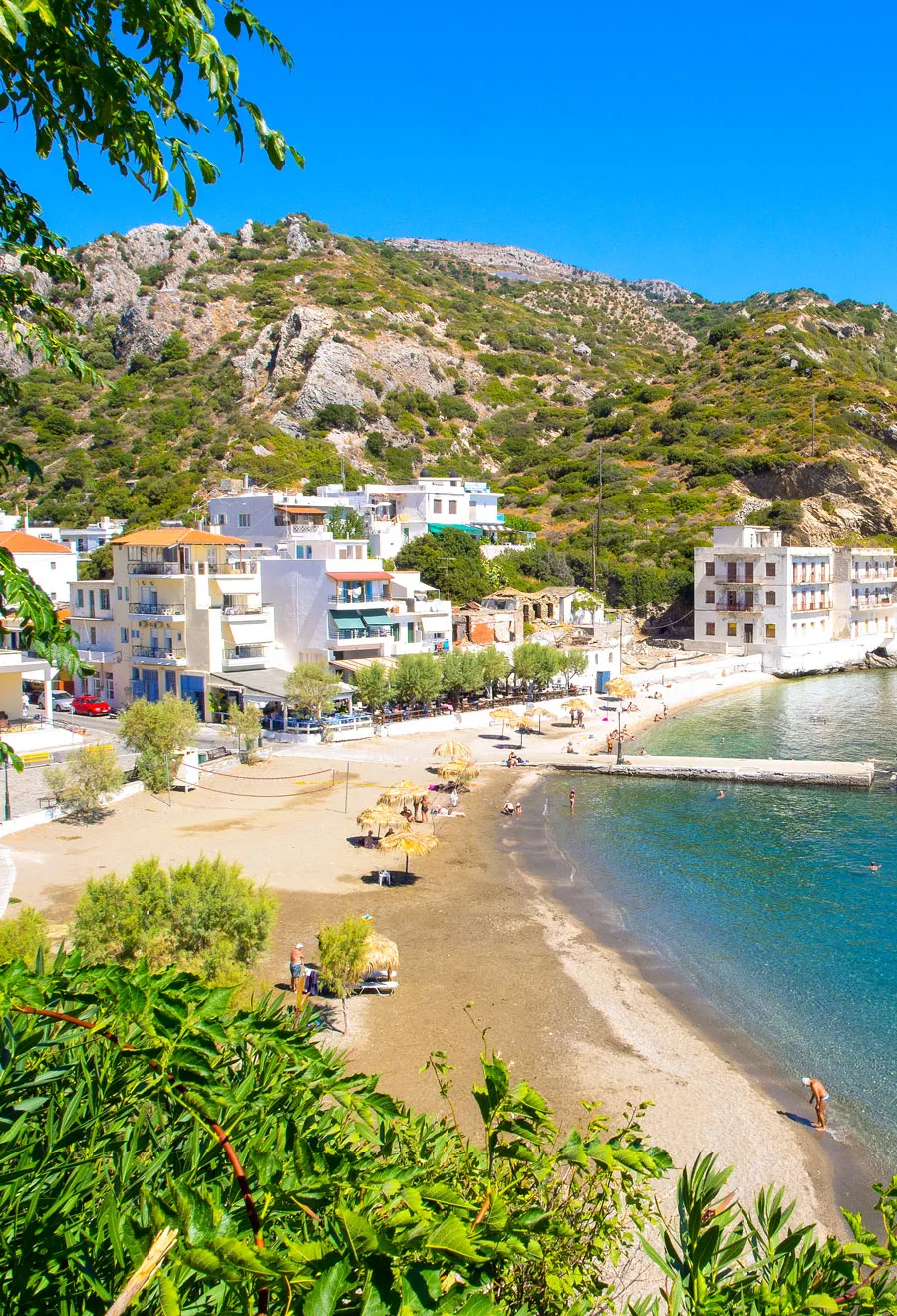
Perhaps no place better exemplifies a healthy rest culture than Ikaria, a small Greek island that has been identified as a “Blue Zone,” one of a handful of places around the world where people live longer and enjoy a higher quality of life. On Ikaria, island residents commonly live to well into their 90s and have lower rates of chronic disease. This trend is often attributed to a healthy Mediterranean diet, a relaxed culture, and the prioritization of rest. Notably, midday naps are part of the island culture, with the quiet time starting around 2 p.m. and lasting for several hours.
Mexico
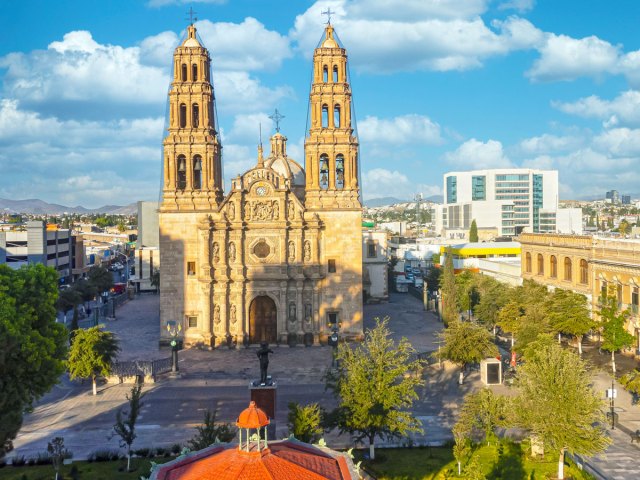
Up until around the 1940s, siesta culture was prevalent in big Mexican cities such as Mexico City. The hour of rest began around 1 p.m. and accounted for shops, businesses, and schools closing for la comida, the largest meal of the day. The beloved tradition provided a midday refresh, allowing enough time to eat a complete meal and take a nap if needed.
Today, traditional siesta culture holds more prominence in hotter or rural regions. Although Mexicans still eat their biggest meal in the afternoon, naptime is not always prioritized. In fact, in many places that still practice the tradition, the modern siesta has been condensed down into a power nap that lasts roughly 20 to 30 minutes.
The Philippines
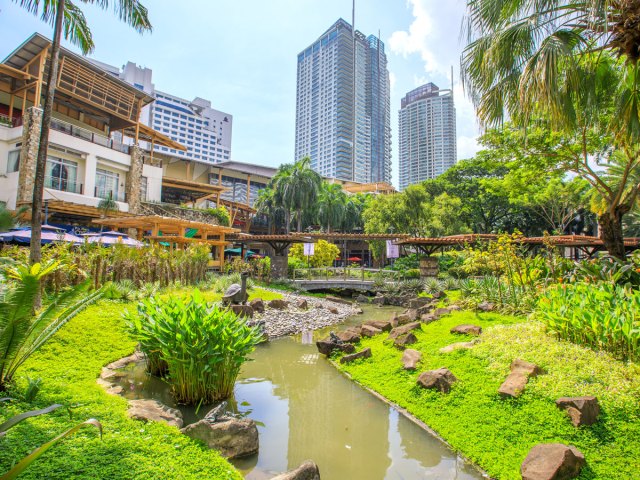
In the Philippines, the midday nap is a long-held custom that has been around since Spanish colonization. After the Spanish left the Philippines in 1898, Filipinos continued the tradition, known as idlip (“slumber”).
However, the Filipino version isn’t as lengthy as its Spanish predecessor. Instead, idlip is a quick power nap to help get you through the day, typically taken right after lunch. Visitors may notice that the afternoon is generally quieter throughout the Philippines, as locals take a break. The afternoon lull is broadly accepted as a wellness practice, encouraging rest and improving well-being — especially when the day is at its hottest.
More from our network
Daily Passport is part of Inbox Studio, an email-first media company. *Indicates a third-party property.