




No One Likes the Middle Seat — So Why Do Planes Have Them?
No One Likes the Middle Seat — So Why Do Planes Have Them?
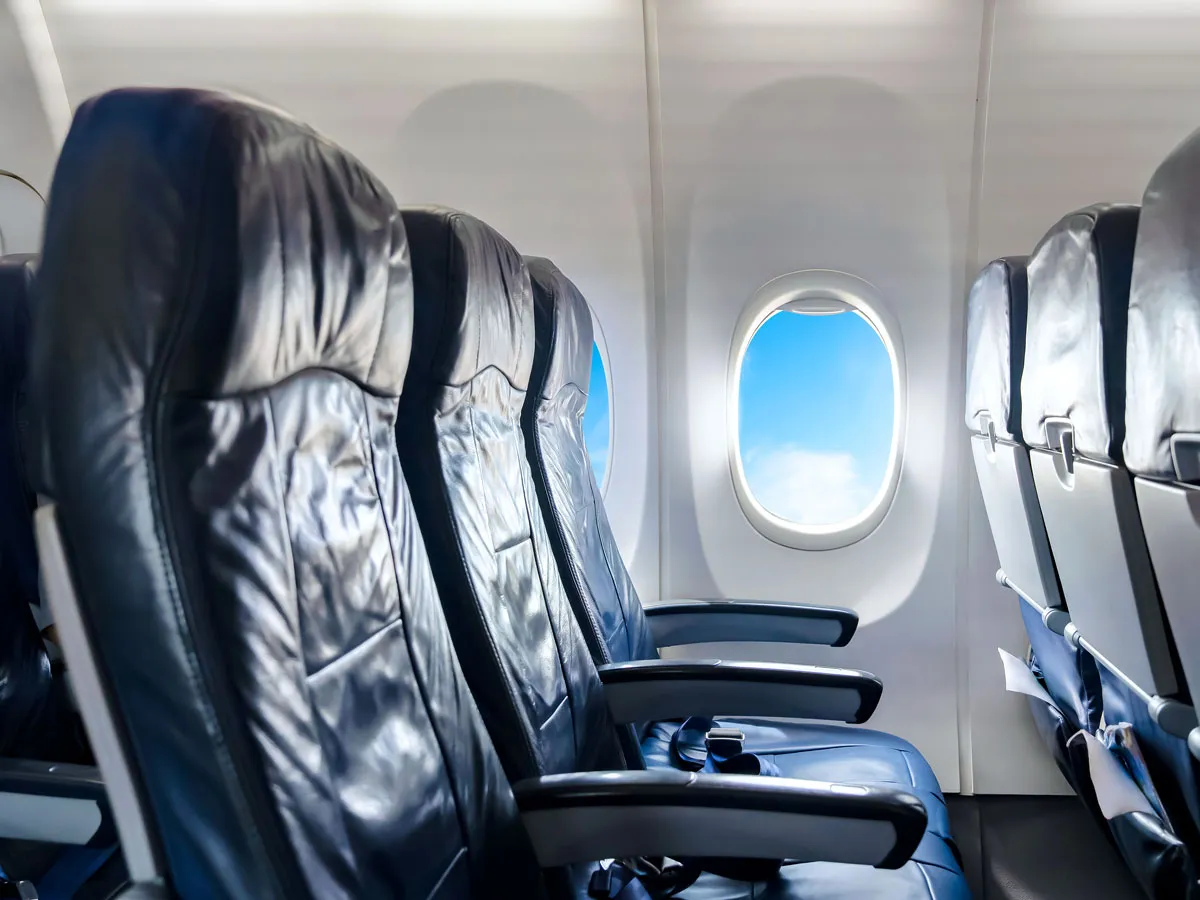

It’s safe to say that few, if any, travelers like being stuck in the middle seat. But that raises the question: Why do middle seats exist in the first place? The reasons have to do with aerodynamics, operating costs, and safety. Here’s why airplanes have middle seats — and why they’re not going away anytime soon.
Aircraft Design
Aircraft manufacturers build a wide variety of aircraft so airlines can put the right plane on the right route. Airlines don’t need a 350-seat Boeing 777 to fly from, say, Denver to Wichita, but that high capacity and extended range can come in handy on a route such as Chicago to Tokyo.
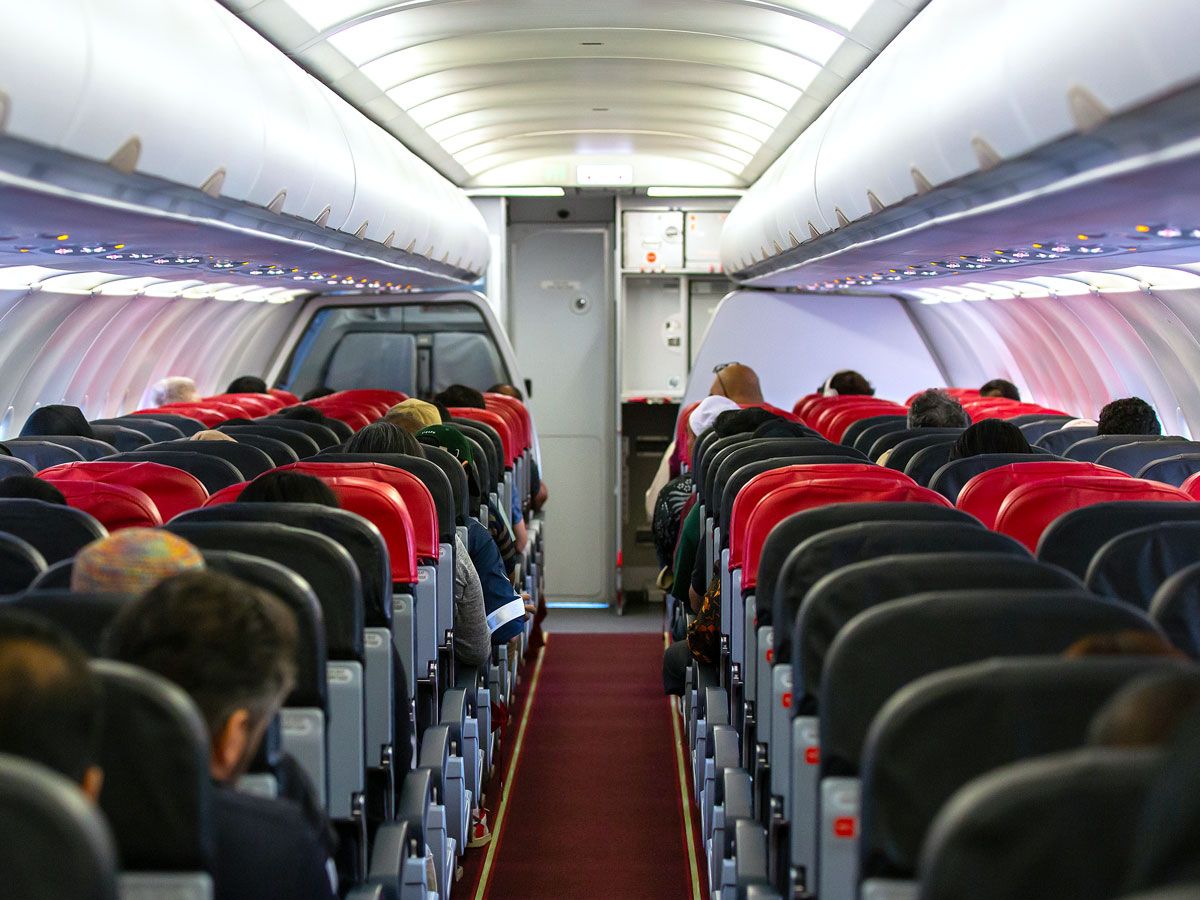
The sweet spot for most airlines falls in the 130- to 200-seat range, which is why the Airbus A320 family and Boeing 737 family of aircraft are — by far — the most popular planes flying today, with over 12,000 of each type delivered as of 2025. Both of these aircraft have a single aisle with three seats on either side, meaning there are two middle seats in each row.
That’s no coincidence. When Boeing engineers were designing the 737 way back in the 1960s, their goal was to introduce jet service to smaller airports for the first time. The fuselage needed to be as narrow as possible to minimize weight, drag, and fuel burn, and short enough to fit airport constraints. Importantly, the aircraft also had to be capable of carrying enough passengers to make flights profitable. The plane’s designers settled on a single aisle with three seats on each side because it struck the perfect balance between operating economics and passenger comfort.
The 737 was a hit with airlines, and subsequent stretches and newer models within the same family, such as the 737 MAX, kept the same framework for commonality. When Airbus introduced the A320 family in the 1980s, it also followed the pattern that passengers had become used to, though the Airbus cabin was slightly wider — 12 feet, 2 inches, versus 11 feet, 7 inches on the Boeing 737.
Airline Economics

Just because A320s and 737s are designed to naturally fit three seats on each side of the aisle doesn’t mean airlines have to configure them that way, but there’s a reason you’re unlikely to see airlines opting for a roomier two-by-two layout (at least in coach). In short, more seats equals more revenue potential. Airlines make money based on how many seats they can sell on each flight, and the more seats they fit on an aircraft, the lower the costs (measured by a metric called cost per available seat mile, or CASM).
For example, a Boeing 737-800 at American Airlines has 30 rows of seats. The first four rows are dedicated to first class, with seats configured in a two-two configuration. The airline can justify this less efficient layout because a small number of passengers will be willing to pay a hefty premium for more space.
The remaining 26 rows of economy seats are configured three by three. If economy seats were also configured two by two, instead of three by three, the plane would have only 120 seats in total instead of 172, which is 30% fewer passengers.
Ultimately, airlines have determined that there simply aren’t enough passengers who are willing to pay higher airfares for a roomier layout, so they need the configuration with middle seats (and tighter legroom) in order to make flights profitable.
Safety Reasons
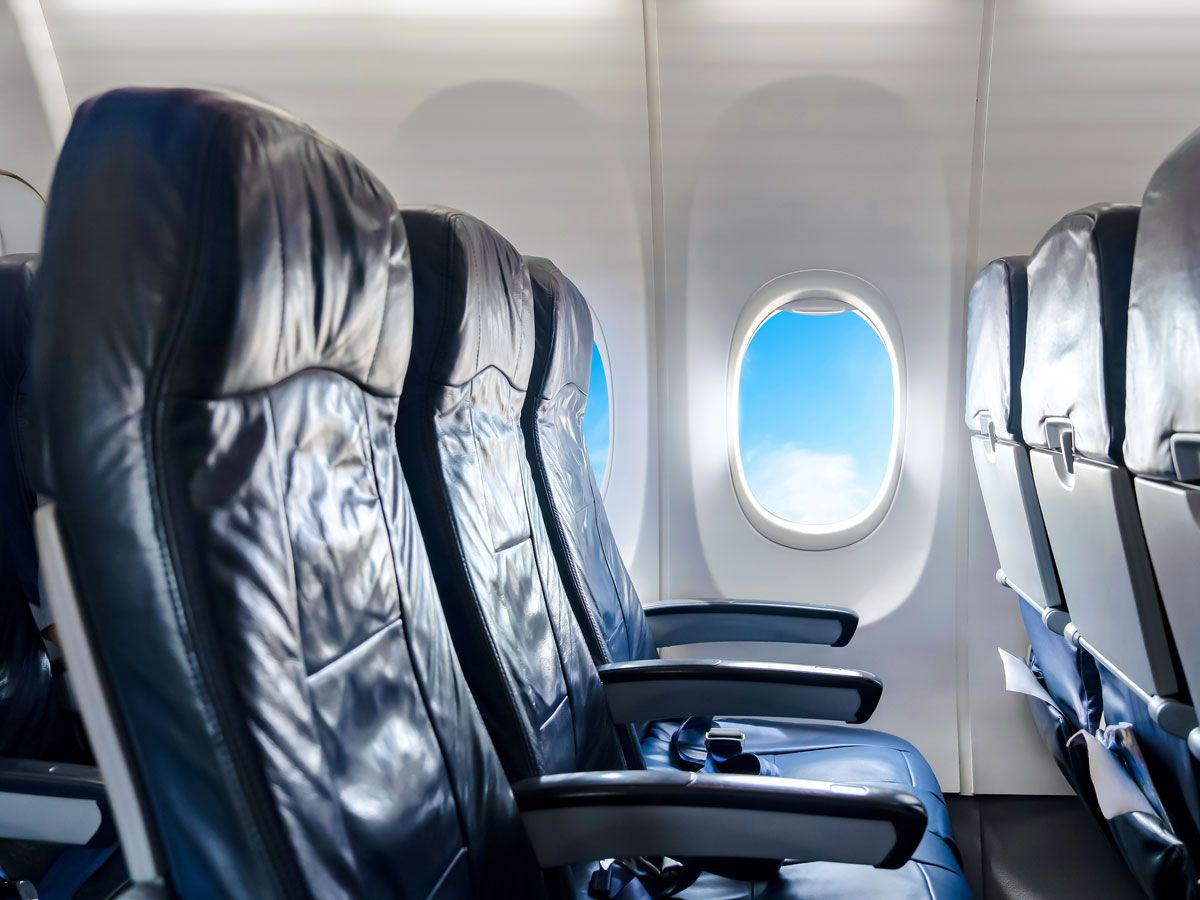
The three-by-three layout also works from a safety perspective. Government regulations stipulate minimum widths for aircraft aisles to facilitate a timely evacuation in the event of an emergency. Narrow-body planes like the A320 and 737 aren’t wide enough for airlines to squeeze in another aisle and offer a two-two-two layout to remove the middle seat. Similarly, wide-body aircraft don’t have enough space to accommodate a third aisle.
Airlines aren’t allowed to squeeze in more seats per row, either. Not only would most passengers not fit in seats that are narrower than the current 17 to 18 inches per seat, but safety rules require that there are no more than three seats on each side of the aisle in any row, so passengers don’t have to squeeze by more than two seats to exit.
Airplanes With Fewer or No Middle Seats
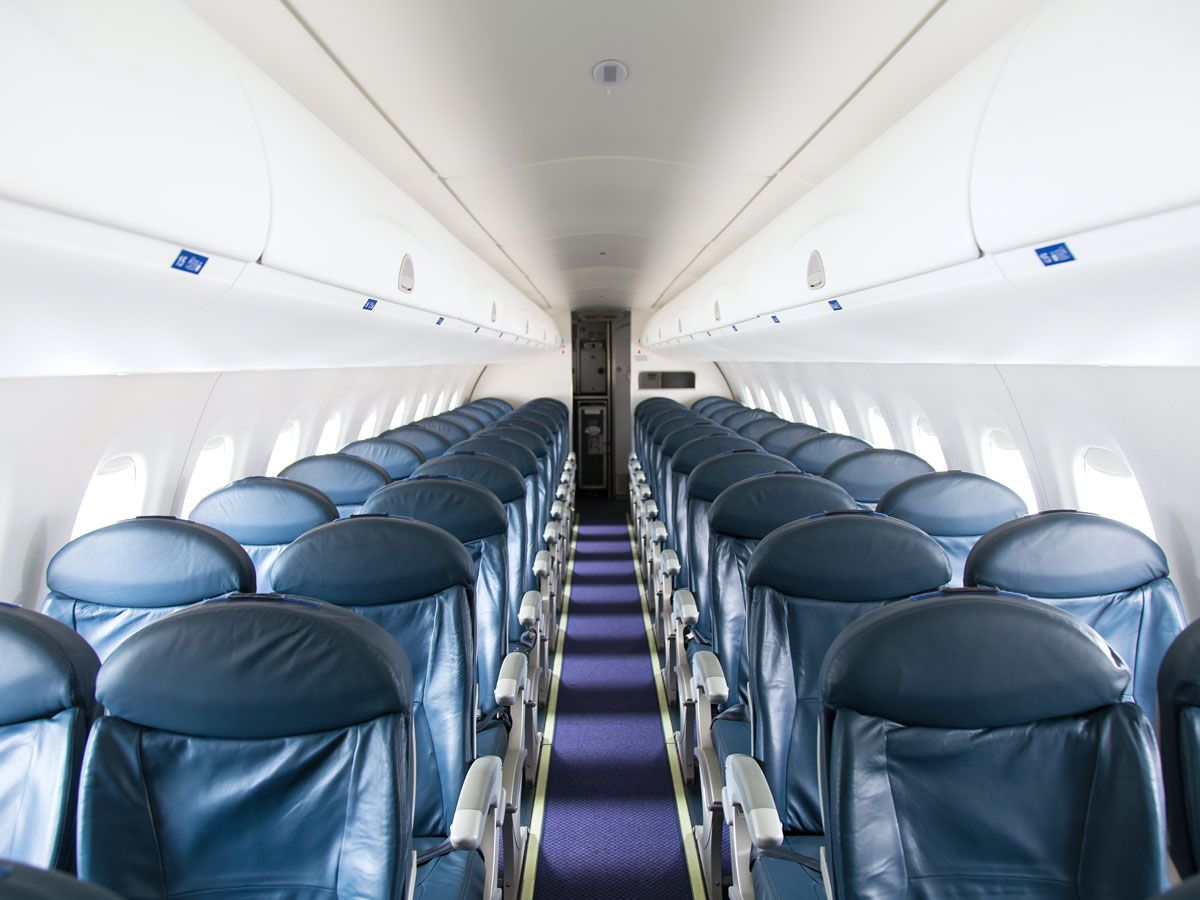
Looking to avoid the middle seat if at all possible? Unfortunately, for the reasons explained above, chances are high that you’ll find yourself on a plane with middle seats on your next flight. But there are a few exceptions, particularly for shorter regional hops.
American Eagle, Delta Connection, and United Express all fly smaller planes without middle seats from the Bombardier CRJ family (e.g., CRJ-700 or CRJ-900) and the Embraer ERJ family (e.g., E-175). Because they are designed for routes to cities with less passenger demand, these aircraft are smaller and have narrower fuselages, with two seats on either side of the aisle instead of three.
The larger Airbus A220 aircraft — operated by airlines including Air Canada, Delta, and JetBlue — has a two-by-three layout in economy class. This is similar to the DC-9 and MD-80 aircraft, which were originally designed to compete with the Boeing 737 but have since been largely phased out. On the A220, that means there’s only one middle seat per row, and better yet, the cabin is wide enough that each seat can be slightly wider, which makes for a more comfortable flight. But if you do get stuck in the middle seat, at least you’ll get to have both armrests, according to the unwritten rules of airplane etiquette.
More from our network
Daily Passport is part of Inbox Studio, an email-first media company. *Indicates a third-party property.