





9 U.S. Small Towns With the Weirdest Laws
9 U.S. Small Towns With the Weirdest Laws

No matter where you travel, local laws exist to deter common crimes such as theft and assault. But there are certain communities across the U.S. with bafflingly specific laws. Often, you needn’t worry about being prosecuted, as these strange rules are usually relics of days gone by and rarely enforced. But in a strictly legal sense, these obscure ordinances are still considered valid statutes, and it’s worth being aware of their existence … just in case. Here’s a look at nine of the strangest laws you’ll find throughout small towns in the U.S.
Pocatello, Idaho
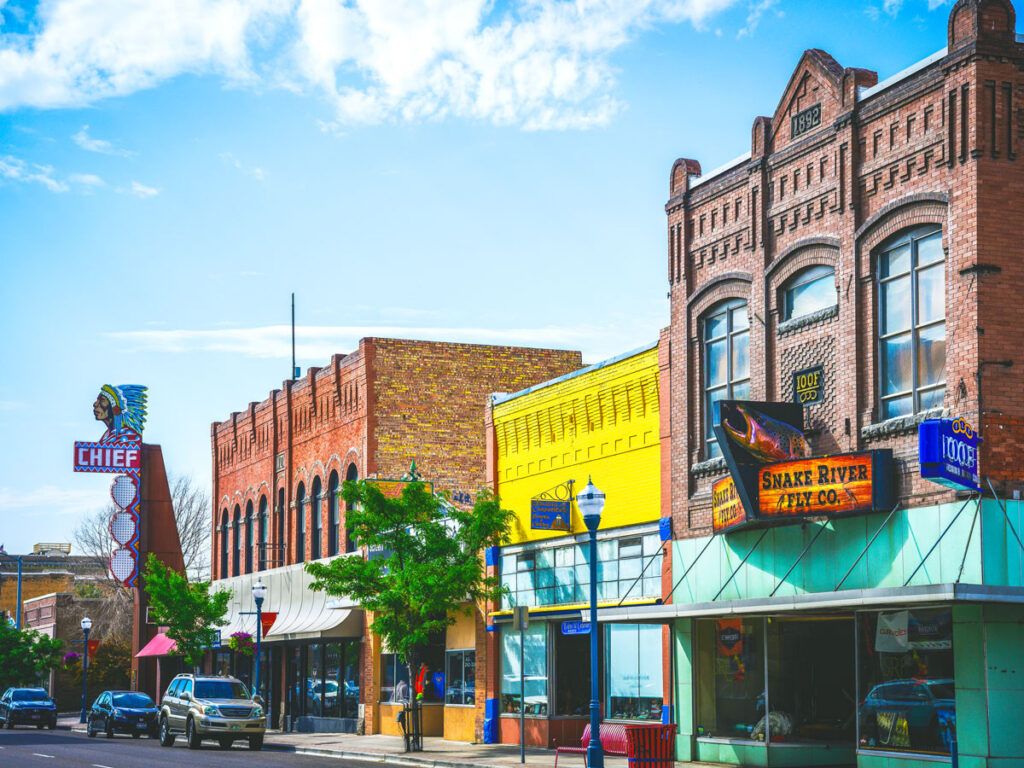
In 1987, this small community in southeastern Idaho declared itself the “U.S. Smile Capital.” This declaration was based on a strange local ordinance first enacted in 1948. That year, Pocatello endured an especially brutal winter, and in an effort to boost spirits, Mayor George Phillips passed a tongue-in-cheek ruling declaring it illegal not to smile. While the ruling faded into obscurity, the law was rediscovered in 1987. Today, the people of Pocatello celebrate annually with local smile contests and “arrests” of those who refuse to show their pearly whites.
Grand Haven, Michigan
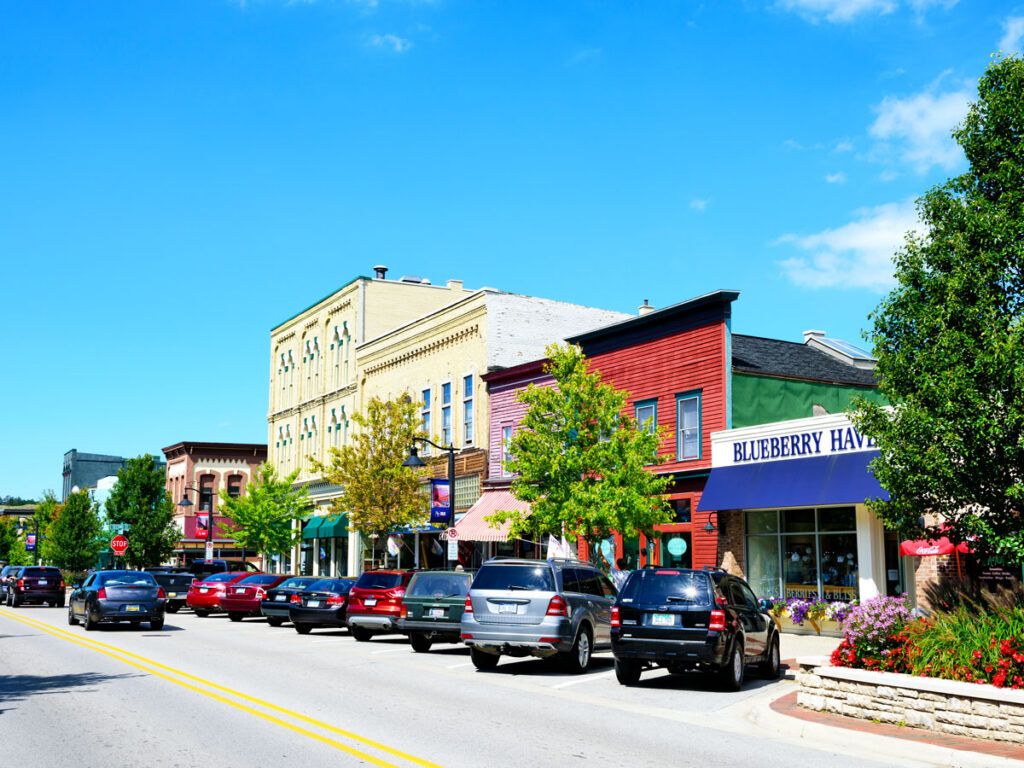
Hoop skirts were a popular Victorian-era fashion trend, but they’re rarely worn nowadays. If you happen to don one in the western Michigan municipality of Grand Haven, however, be careful how you dispose of it. Back in the 1890s, local officials passed a ruling stating, “No person shall throw an abandoned hoop skirt into any street or any sidewalk, under a penalty of a $5 fine for each offense.” That would equate to just under $180 today, and though the law remains on the books, it’s unclear if anyone has actually been prosecuted for this violation.
Hood River, Oregon

Some activities require a license everywhere, such as driving, selling real estate, or getting married. But in Hood River, Oregon, there’s one hobby you probably don’t realize you need to be licensed for — juggling. According to city representatives interviewed by The Oregonian, however, the rule is not enforced (though it does exist). So, if you find yourself in Hood River, feel free to juggle if the urge so arises.
Gainesville, Georgia

Thanks to its thriving poultry industry, this small city northeast of Atlanta is known as the “Poultry Capital of the World.” But Gainesville doesn’t just produce poultry — the local government also wants to make sure that people eat it a certain way. According to an ordinance adopted in 1961, it’s illegal to eat chicken with utensils; folks are mandated to use their hands instead. That said, don’t expect to be prosecuted for the obscure law: In 2009, a woman celebrating her 91st birthday was jokingly arrested for violating the rule, before she was quickly “pardoned” by the mayor.
Devon, Connecticut
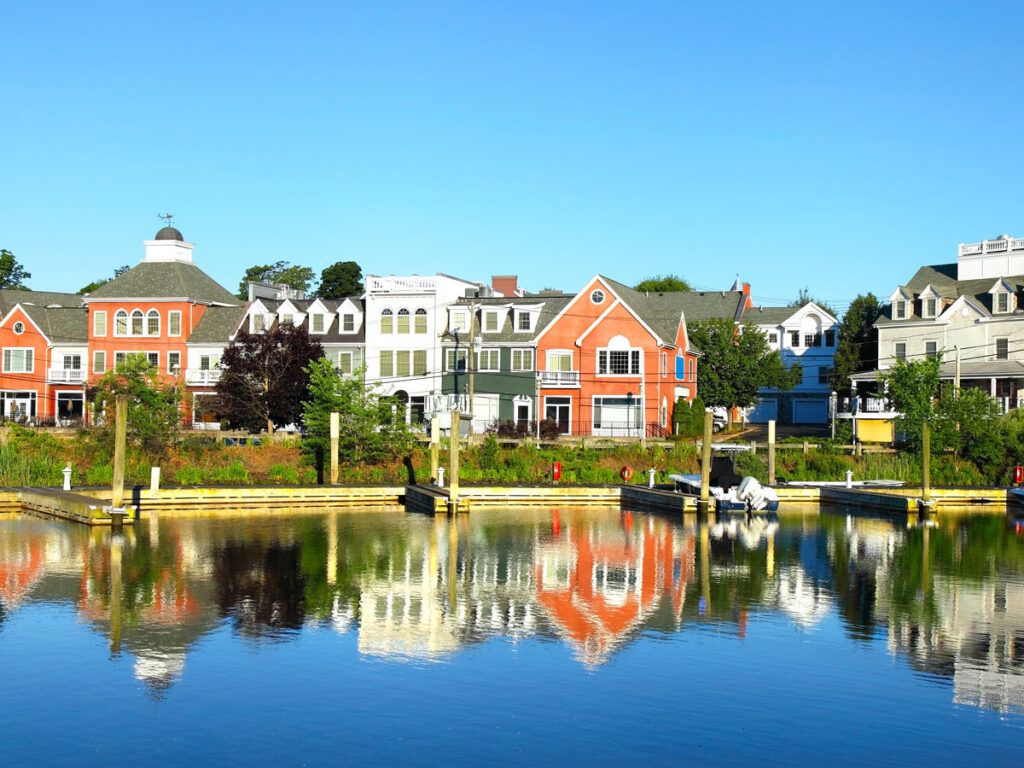
From sunset to sunrise, people in Devon, a neighborhood of Milford, Connecticut, are strictly prohibited from walking backward. While it’s unclear why (and when) this law was enacted, an article in the Hartford Courant notes some law experts believe it was an early, flawed attempt at establishing safer traffic laws for pedestrians.
Carmel-by-the-Sea, California

In the coastal community of Carmel-by-the-Sea, it’s forbidden to wear high heels extending past a certain height without acquiring a permit first. This law has been on the books since 1963, and it’s said to have initially been adopted to protect the city against lawsuits from any person tripping over irregular pavement. The law applies to heels that are more than 2 inches high, or that have a base of less than 1 square inch. Police don’t typically cite folks who violate the law, but just in case, permits are always available free of charge at city hall.
Skamania, Washington

This unincorporated community along the Columbia River in southern Washington is sparsely populated by humans, though people have reported seeing a different kind of biped: Bigfoot. Since 1969, a local law has existed that prohibits anyone from harming Bigfoot (or Sasquatches and Yetis in general), with violators subject to one year of jail time or a fine of up to $1,000.
Waterville, Maine

The weather can get quite cold in south-central Maine, which may lead to runny noses. But avoid blowing your nose until you’re out of the public eye. According to local Maine radio station WCYY, it’s illegal to clear your nose in the community of Waterville if there are other people nearby. All nose blowing must be done in private, though odds are you won’t actually be prosecuted.
Spartanburg, South Carolina
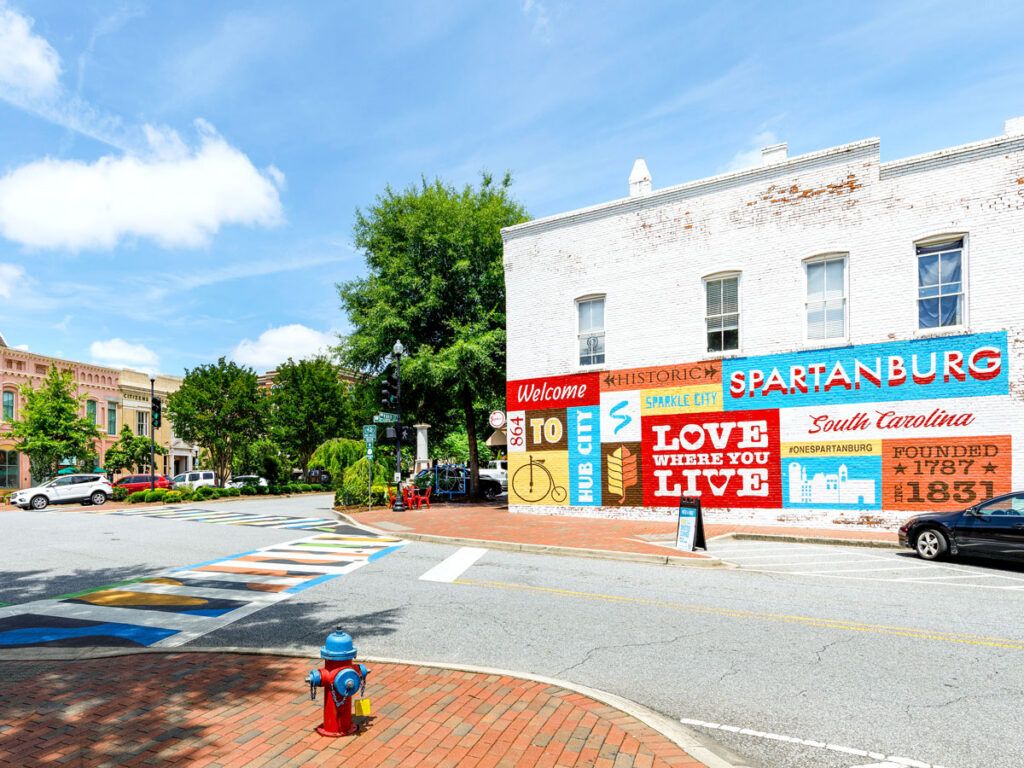
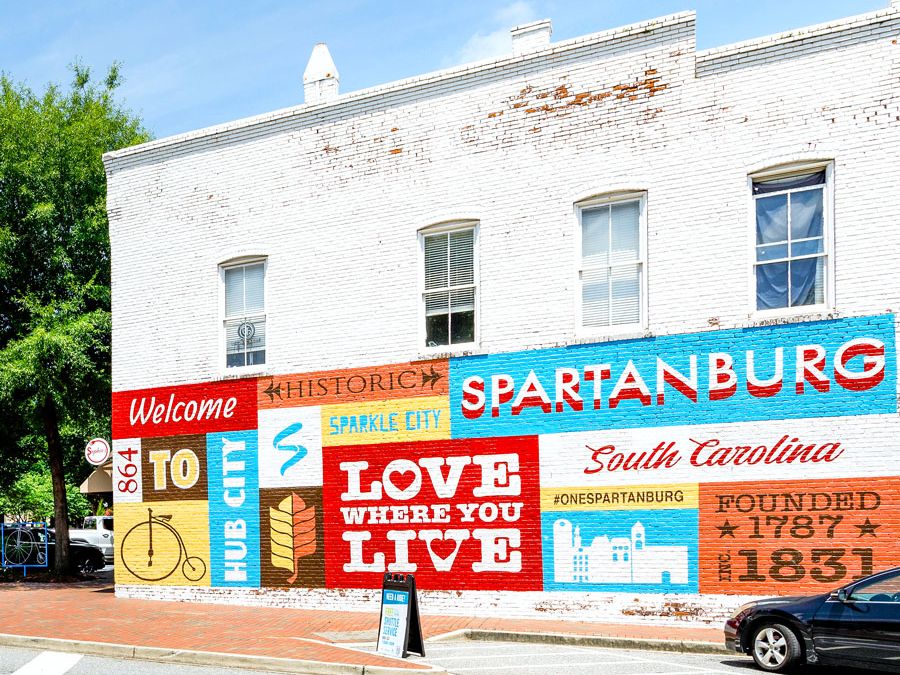
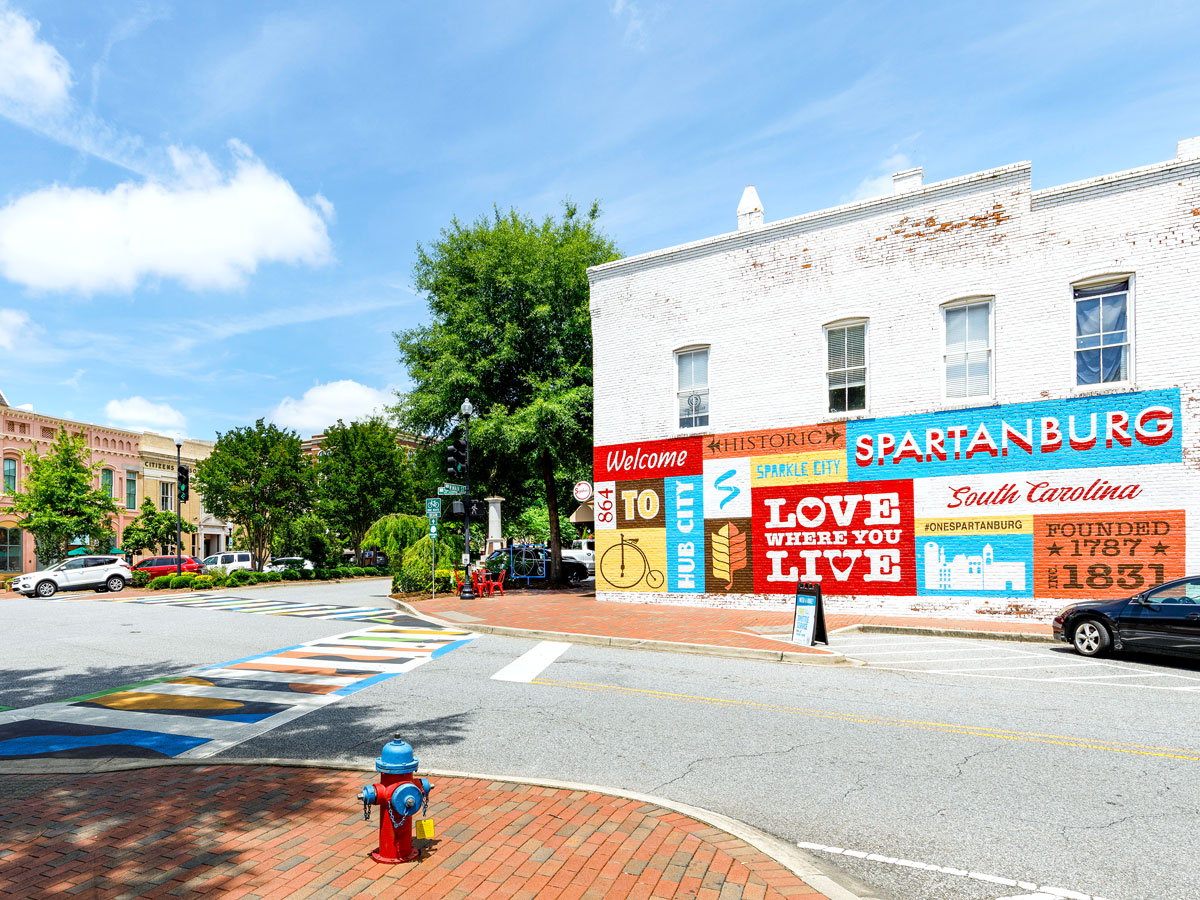
The idea of eating watermelon in a cemetery may sound bizarre, but in Spartanburg, South Carolina, people are prohibited from doing just that in Magnolia Cemetery. This law isn’t entirely random, though — there’s a reasonable justification behind it. A discarded watermelon seed may cause vine growth, which could disrupt the foliage and burial plots throughout the cemetery. For this reason, all watermelons must be eaten off premises.
More from our network
Daily Passport is part of Inbox Studio, an email-first media company. *Indicates a third-party property.