





What Happens if You Refuse a TSA Pat-Down?
What Happens if You Refuse a TSA Pat-Down?

Airport security measures can be vexxing, but they are part and parcel of flying in the 21st century. Baggage and personal screening procedures were introduced to help keep us safe while in the air, aimed at detecting dangerous items such as concealed weapons before they’re able to be carried on board an aircraft. For most passengers, these checks are routine. Occasionally, however, TSA officers may pull you aside for a follow-up physical screening known as a pat-down. But is this an optional step in the security process, or are you required to comply? And are there any alternatives? Find out about your rights if the TSA pulls you aside for a pat-down.
TSA Screening Procedures
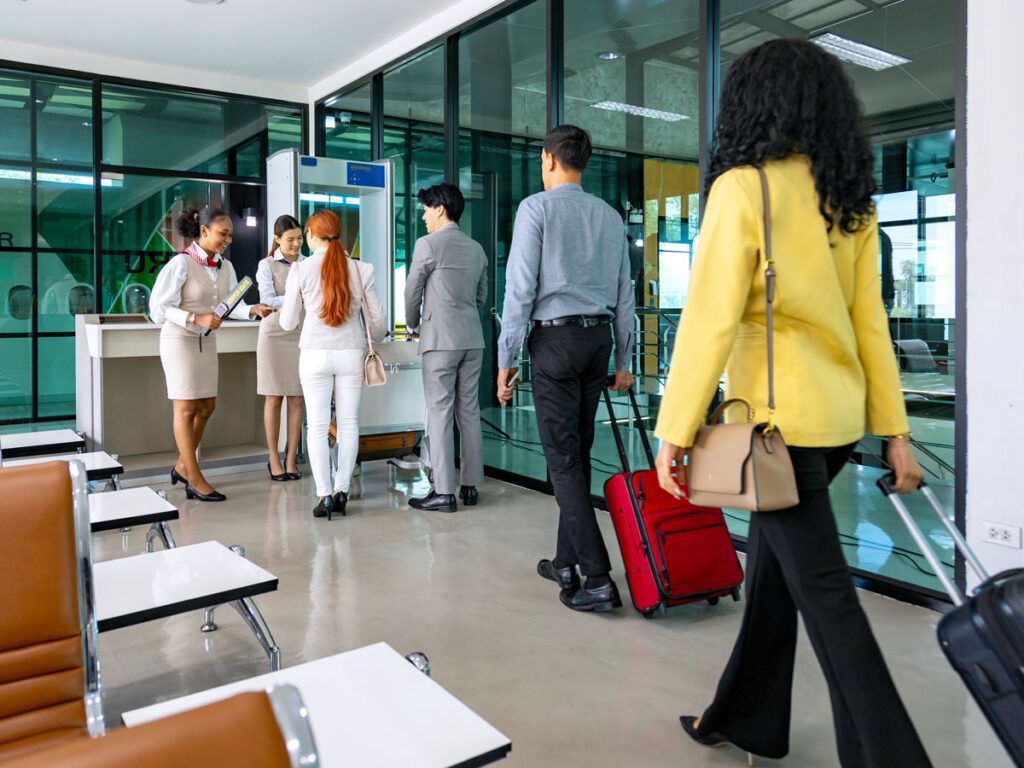
In U.S. airports, the Transportation Security Administration uses a variety of methods to screen passengers. The most familiar is advanced imaging technology (AIT) — colloquially known as a body scanner — which uses nonionizing millimeter-wave radio waves to detect metallic and nonmetallic concealed items. Two antennae rotate around the person’s body to capture an image of a generic human outline (which looks more like a gingerbread figure or paper doll than a real person).
For a small percentage of people, prohibited or forgotten items can show up as they pass through the body scanner. The rules permit TSA officers to then carry out what’s known as a pat-down screening to confirm that nothing’s amiss. Some travelers may actually ask for a pat-down instead of the body scanner if they have any concerns, though the CDC confirms that these machines are safe and not detrimental to people’s health.
What Happens During a Pat-Down?
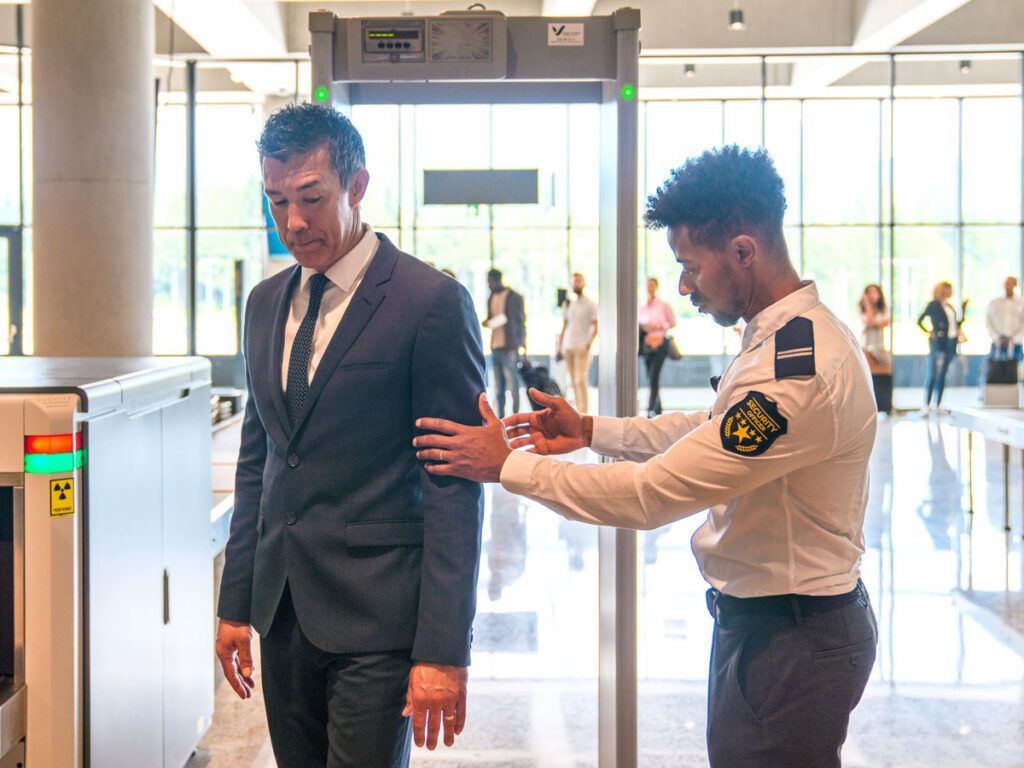
A pat-down is a manual inspection that typically happens if a traveler doesn’t pass through the body scanner successfully. If the screening technology flags an anomaly or something that’s not right, the TSA officer may have a brief conversation with the passenger about what it could be, such as a forgotten set of keys or loose coins. Even sweat can produce a false alarm, as moisture can impact readings.
A pat-down screening involves an officer of the same sex inspecting areas of the body such as the head, neck, arms, torso, legs, and feet, applying sufficient pressure to feel if anything is being concealed. The officer may also request that head coverings are removed. In rare cases, officers may need to do a pat-down of more sensitive areas using the back of their hand.
What About Young Children or the Elderly?
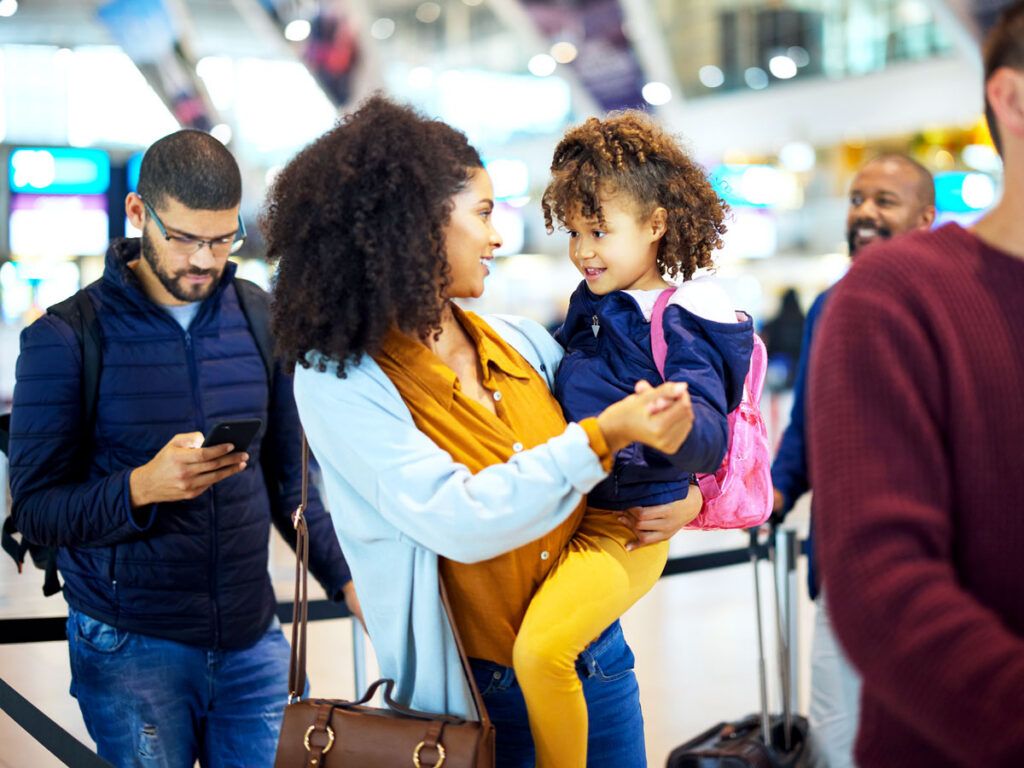
For children under 12, different rules apply. While parents can (and should) carry infants in their arms as they pass through the scanner, other youngsters have to pass through alone but can leave headwear and shoes on. Modified screening procedures such as multiple passes through the body scanner aim to identify anomalies and remove the need for a pat-down.
Travelers over 75 aren’t exempt from a pat-down should something be flagged; however, if you find it painful or tiring to stand for any length of time, you are within your rights to ask for a chair during the process. You should also inform the officer of any medical conditions or areas that are painful to touch.
On the other hand, travelers of any age who have medical conditions that make AIT or metal detector screening inadvisable should inform a TSA officer at the start of the screening process, as a pat-down may be the most suitable method in such cases.
What Are Your Rights?
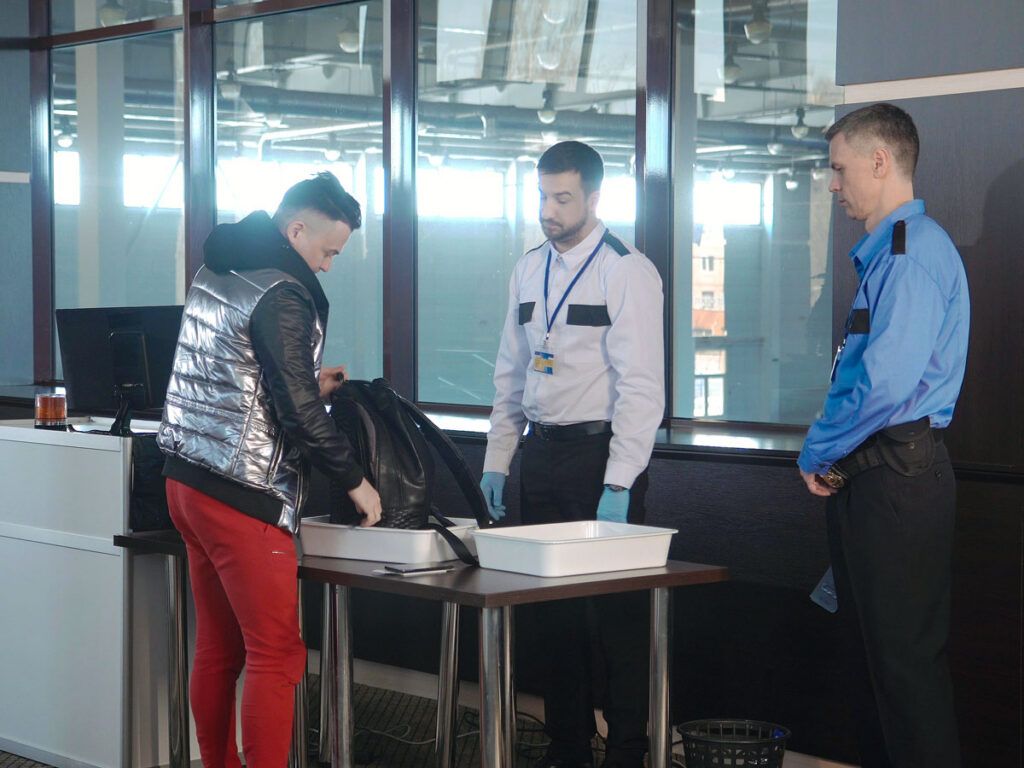
If you’re advised that a pat-down is required, simply put, you have two choices: oblige or leave the airport. Failure to comply means you can’t continue with your journey, though if you remain polite, you’ll simply leave with your possessions and no further action will be taken. Arguing with officers, however, may land you in trouble with the law for causing a disturbance and failing to comply with instructions.
If you don’t wish to undergo a pat-down in front of other travelers, you can request that the inspection be done in private. This must be carried out by a TSA officer of the same sex, and another officer must be present in a supervisory capacity. Additionally, you can ask for a witness of your choice to be present.
What About TSA PreCheck?
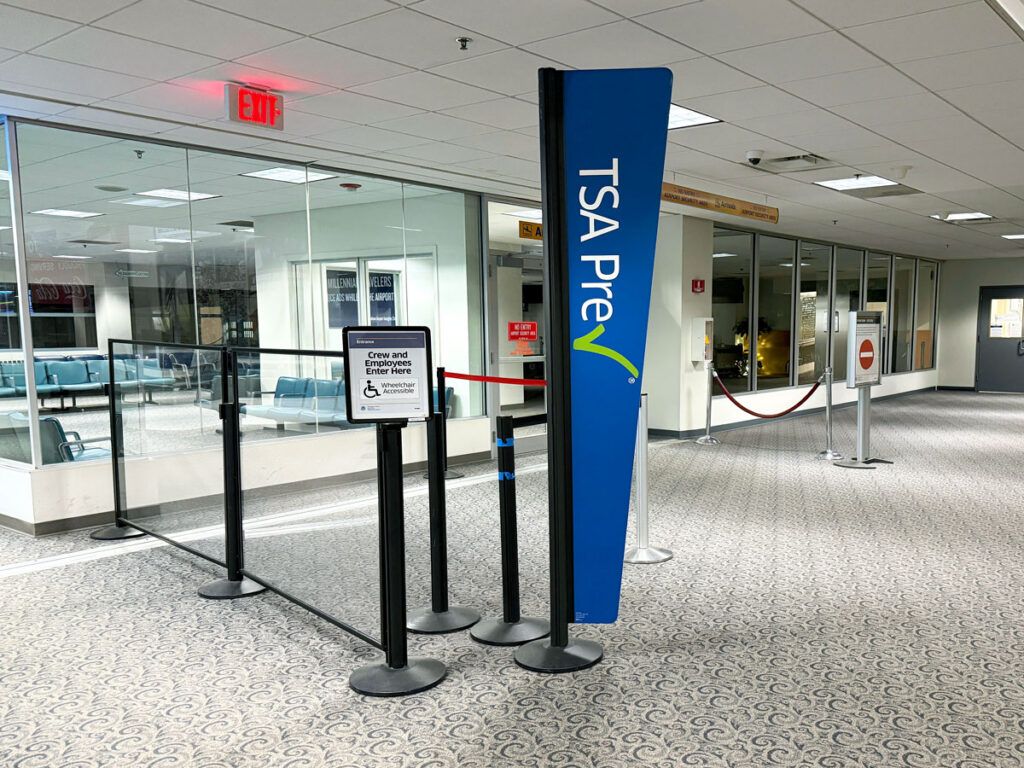
TSA PreCheck is a popular option for frequent travelers, as it enables them to skip the long lines in favor of a priority lane, expediting their progress through the security hall. According to the TSA, 99% of PreCheck travelers pass through security within 10 minutes.
Once approved, you’ll be able to pass through security without taking off shoes, belts, and light jackets, and electronics and liquids of allowable quantities can remain in your bag. However, you can still be selected for a pat-down at the officer’s discretion — TSA PreCheck doesn’t exempt you.
At the end of the day, the TSA officers are only doing their job, and you can make it easier — and hopefully avoid the need for follow-up screening — by following instructions. Remove items such as belts, hats, and coats, and check to ensure your pockets are empty. Also try to dress for the temperature inside the terminal rather than outside to avoid breaking into a sweat. But if you’re told you’ll need a pat-down and you want to fly, there’s no getting around it.
More from our network
Daily Passport is part of Inbox Studio, an email-first media company. *Indicates a third-party property.