




Airlines Are Cracking Down on This Carry-On Item
Airlines Are Cracking Down on This Carry-On Item

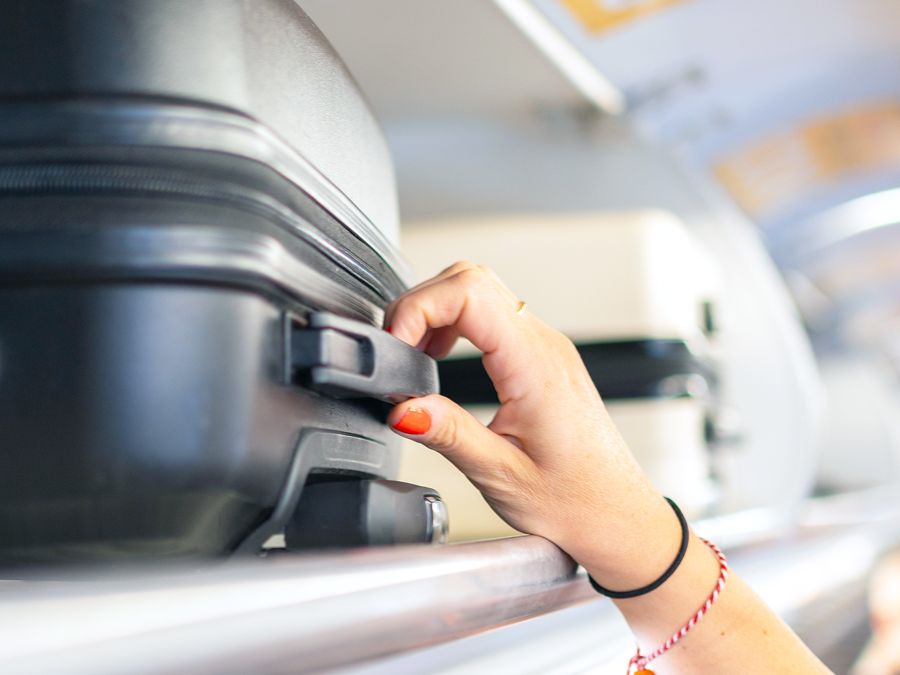
A lot of carry-on rules seem arbitrary. For instance, why can you bring only 3.4 ounces of certain liquids rather than, say, 3.6? But at least one carry-on rule is in place for a reason. For proof, look no further than an Alaska Airlines flight from Wichita to Seattle in February 2026 that had to return to the airport when a passenger’s power bank overheated and caught fire at cruising altitude. As a result of this and a string of similar incidents, many airlines are implementing new policies related to lithium-ion batteries in general and power banks in particular. Here’s what travelers should know.
Power to the Passenger (Within Reason)
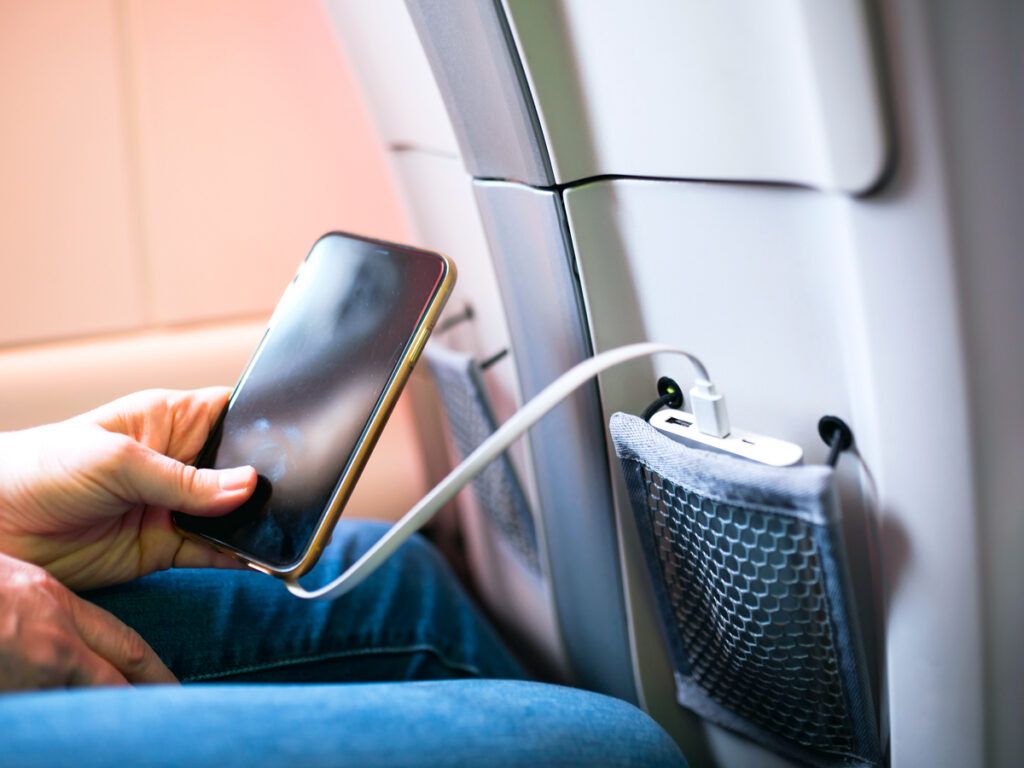
Federal Aviation Administration statistics note a total of 724 incidents between March 3, 2006, and May 15, 2026, involving lithium-ion batteries, which are used to power phones, laptops, battery packs, portable chargers, and other electronic devices that countless passengers bring on board every day.
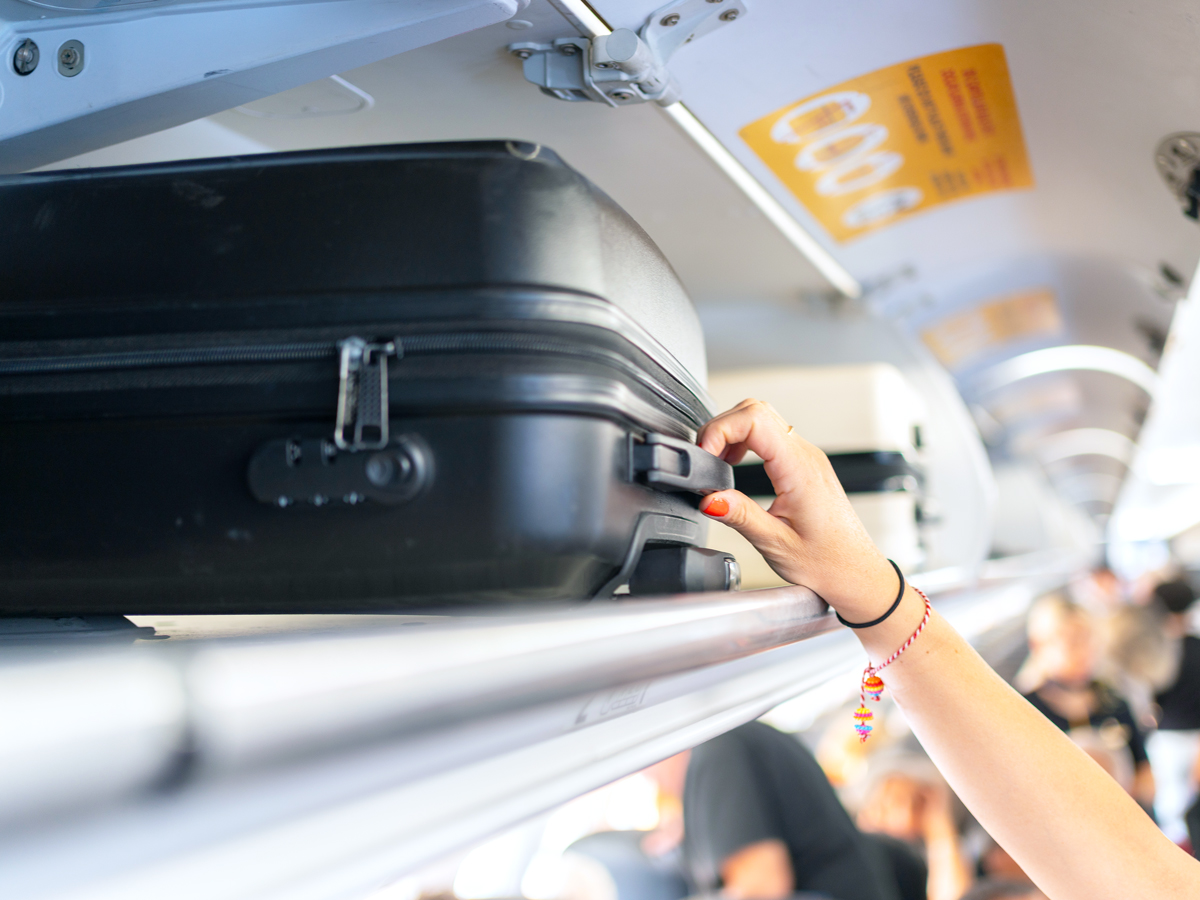
Because of this, as of May 1, 2026, anyone flying on American Airlines has to keep their power banks out of the overhead compartments. The banks must be rated at 100 watt-hours or less and be “within reach and visible while in use,” according to the American Airlines website — which is to say in the seatback compartment or the carry-on bag stowed under the seat in front of them. The reasoning has mostly to do with visibility: Power banks stored in overhead compartments are harder to monitor and easier to forget about, which can slow response times if and when they catch fire.
That’s also why lithium-ion batteries can no longer be placed in checked baggage at all. “All lithium-ion batteries are capable of overheating and undergoing a process called thermal runaway,” the FAA states on its website. “Thermal runaway can occur without warning as a result of various factors, including if the battery is damaged, overheated, exposed to water, overcharged, or improperly packed. Thermal runaway can also occur on its own due to manufacturing defects.”
Other airlines have similar rules in place. As of April 20, 2026, Southwest allows only one lithium-ion power bank not exceeding 100 watt-hours, while United and Delta both allow two lithium batteries up to 160 watt-hours. All three airlines state that batteries, including portable chargers, are not allowed in the overhead bin. These restrictions were put in place following a 2025 FAA alert stating that there had already been 50 incidents involving power banks stored in overhead compartments that year alone.
Read the Fine Print

The TSA restricts nearly 500 items from commercial aircraft, some of which are banned altogether and some of which can be brought aboard in either checked or carry-on luggage, but not both.
The extensive list includes, but is not limited to, bear spray (banned altogether), box cutters (checked luggage only), turpentine (banned), spray paint (banned), nunchucks (checked luggage only), and live fish (carry-on luggage only), among hundreds of other items. Most of these are eminently reasonable, even if they make you wonder who the first person was to try (and fail) to bring English Christmas crackers on their flight.
Before traveling, it’s always a good idea to check the TSA’s helpful “What Can I Bring?” webpage to make sure you follow the latest guidelines.
Featured image credit: © aquaArts studio—iStock/Getty Images
More from our network
Daily Passport is part of Inbox Studio, an email-first media company. *Indicates a third-party property.