





5 Reasons Airlines Can Put You on Their No-Fly Lists
5 Reasons Airlines Can Put You on Their No-Fly Lists

Most people associate “no-fly lists” with potential terrorists or serious security threats. And while that’s true of the federal government’s no-fly list, airlines also maintain their own lists and can ban passengers for a range of travel behaviors that pose a risk to flight safety or affect the airline’s bottom line. From refusing crewmember instructions to skipping part of a flight itinerary, some actions can lead to being denied boarding or permanently banned from an airline. Here are five reasons an airline could put you on its no-fly list.
Skiplagging
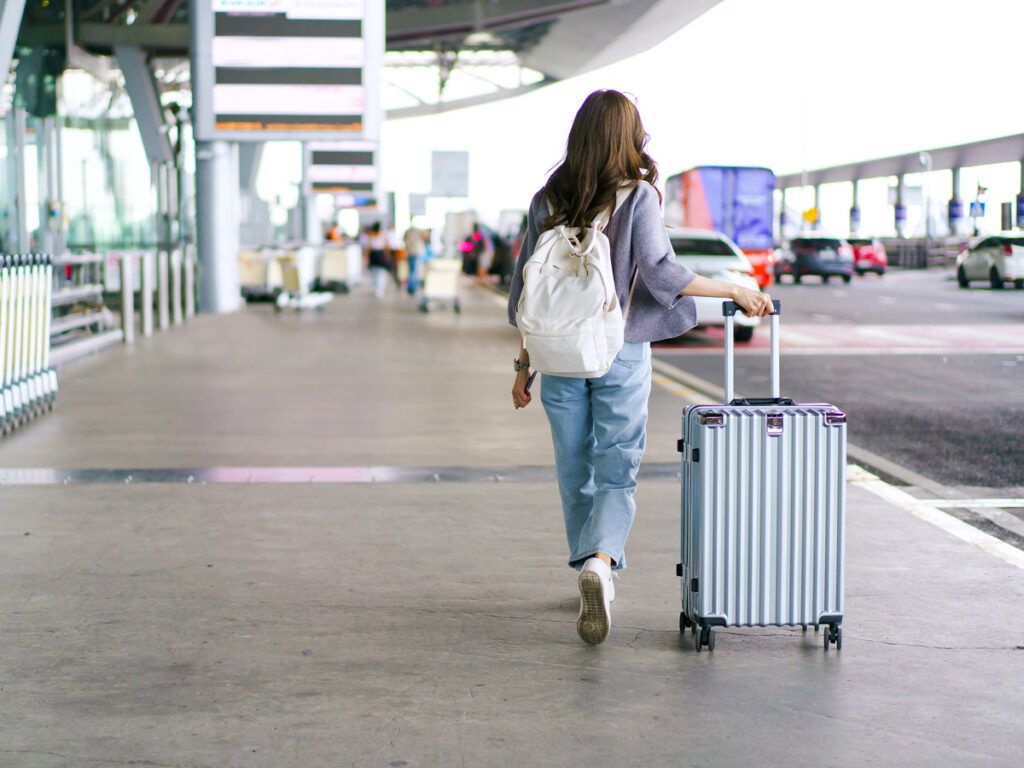
Skiplagging (also called hidden city ticketing) is the practice of booking a flight and intentionally not flying the last leg of your itinerary. Travelers employ this strategy when a direct flight to their intended destination is expensive, but a cheaper ticket exists for a different route that includes a layover in that same destination. In this case, the traveler books the cheaper connecting flight, takes the first leg to their desired city, and skips the final leg of the journey.
You may be wondering how it’s possible that skipping a portion of the journey can be more affordable, but airlines price routes based on competition and demand rather than distance, which means a longer route can sometimes be cheaper than a shorter one. Skiplagging takes advantage of this mismatch.
While it can save travelers money, airlines strongly discourage the practice because it exploits their pricing systems and can disrupt operational planning. Some airlines even outright prohibit it. For example, American Airlines states in its conditions of carriage that skiplagging can result in having your return ticket canceled. And if you’re a habitual offender, the airline may refuse to sell you a ticket or allow you to board a flight in the future.
Endangering the Flight
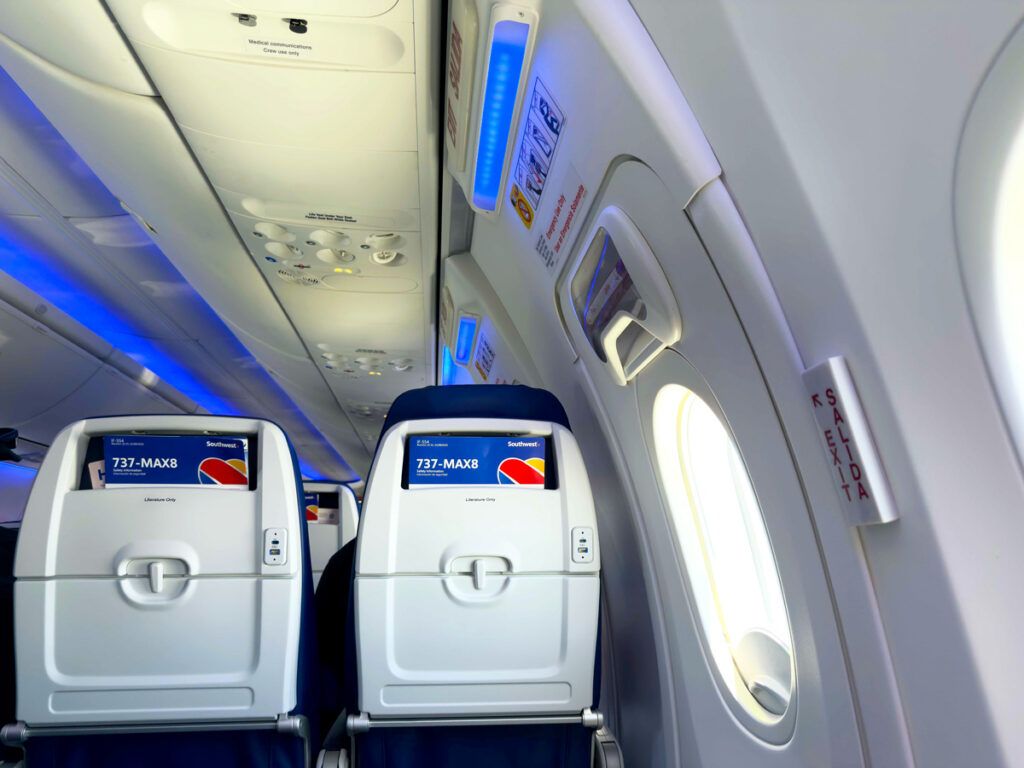
Endangering a flight includes any behavior that threatens the safety, security, or normal operation of the aircraft. Examples include attempting to open an emergency exit door during flight, trying to access the cockpit, or making comments or behaving in ways that suggest a security threat, such as joking about terrorism. Even when there is no real intent behind them, airlines take these actions very seriously because they can cause panic, trigger emergency procedures, or even lead to a flight being diverted or grounded.
Aviation rules are strict to protect everyone on board, so disruptive or threatening behavior can result in removal from the aircraft, legal consequences, and long-term travel restrictions. For instance, in Delta’s contract of carriage, the airline says it can refuse transport “when the passenger’s behavior may be hazardous or creates a risk of harm to himself/herself, the crew, or other passengers or to the Carrier’s aircraft and/or property, or the property of other passengers.”
Intoxication
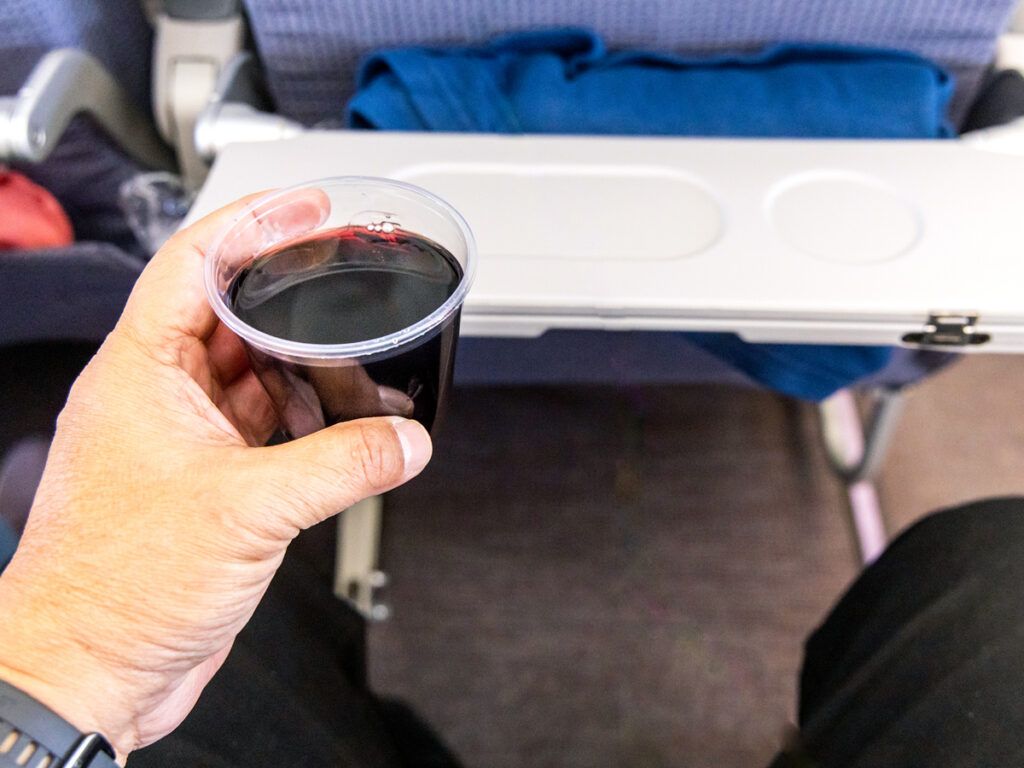
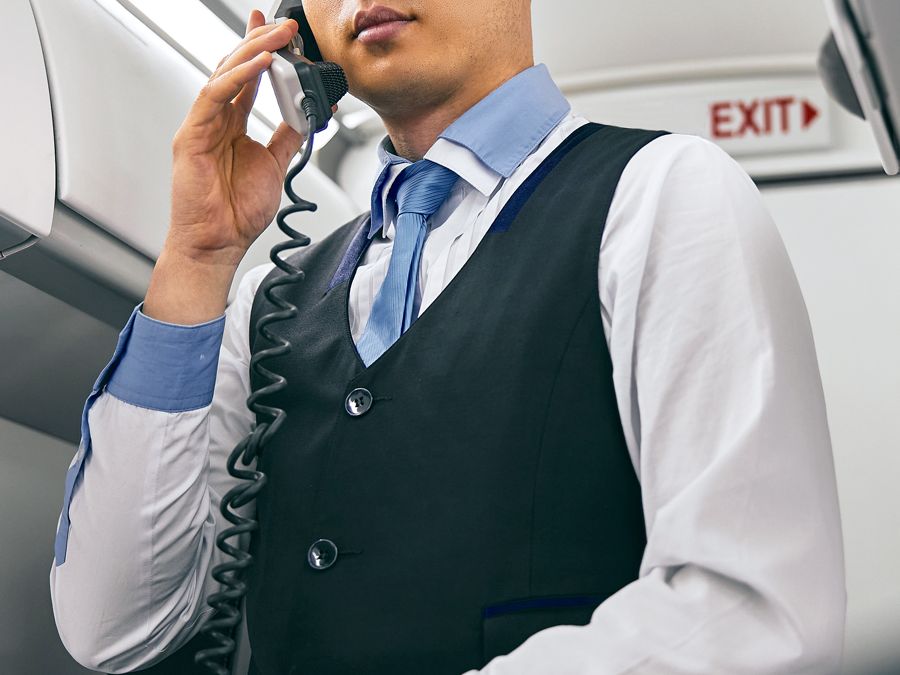
Air travel and alcohol can be a risky combination. While having a drink or two before or during a flight is common and rarely a problem, heavy intoxication can escalate into a serious issue. Airlines are legally allowed to deny boarding to visibly intoxicated passengers, and disruptive behavior in the air, such as aggression, threats, or refusing crewmember instructions, can result in a diversion and removal from the flight, arrest, hefty federal fines, and permanent bans from airlines.
Because alcohol affects the body more intensely at altitude, intoxication can happen faster on a plane than on the ground, increasing the risk of poor judgment and disruptive behavior. The Federal Aviation Administration (FAA) also prohibits consuming alcohol on a flight not served by a flight attendant — meaning BYOB alcohol is strictly forbidden on board and could also land you a spot on the airline’s no-fly list.
Not Complying With Crewmember Instructions
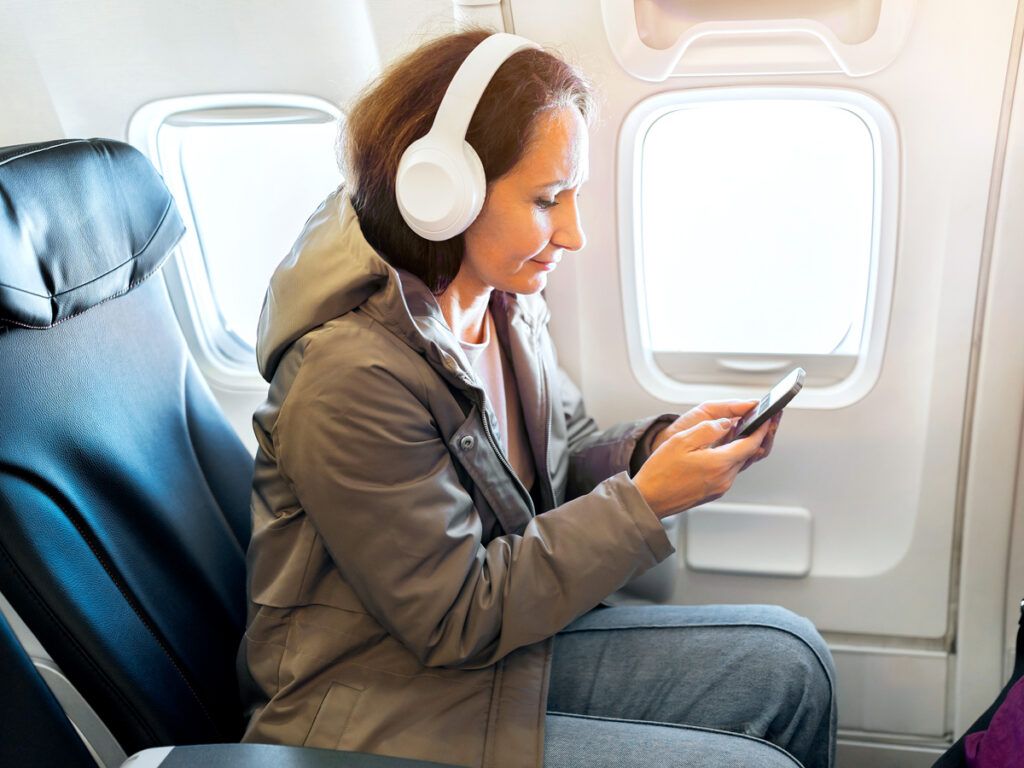
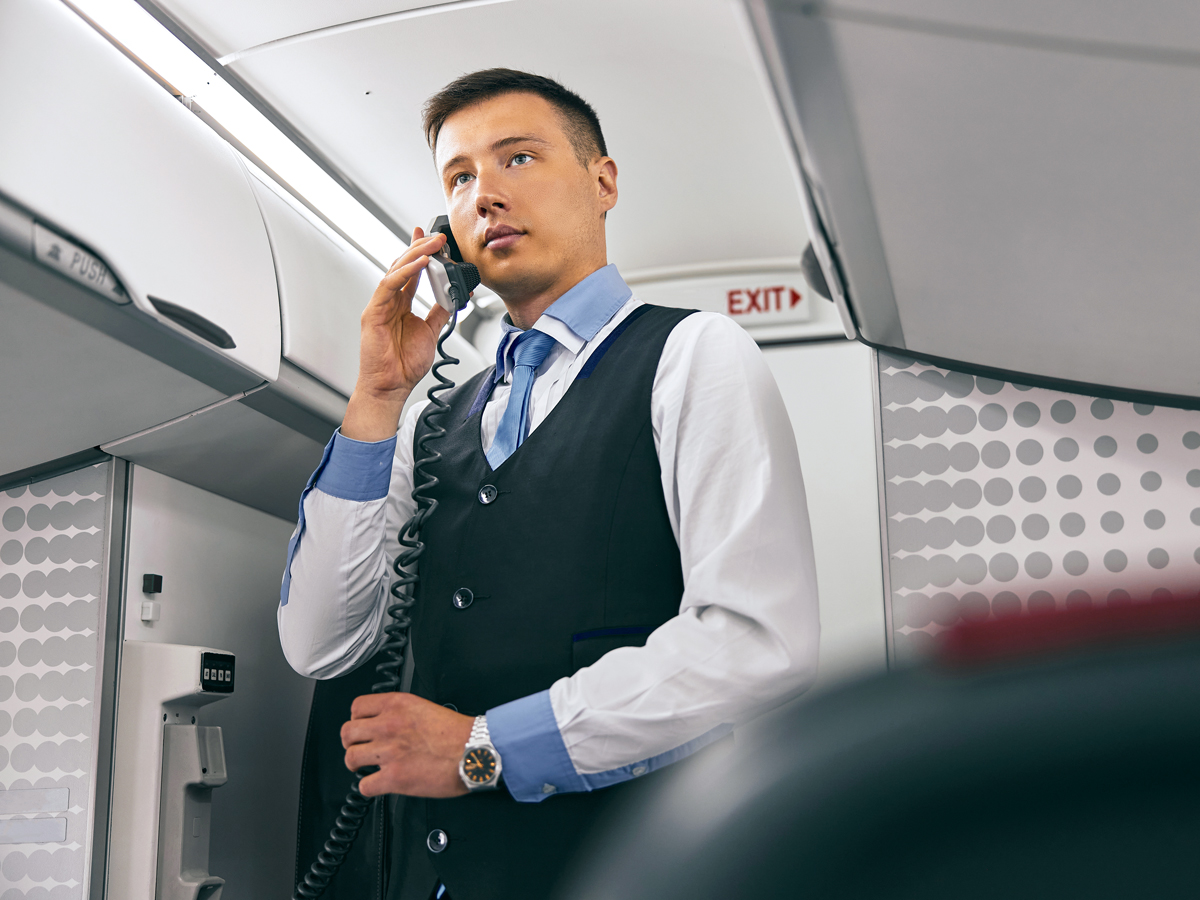
Failing to comply with crewmember instructions can have serious consequences during air travel, even if the request seems minor to you. Airlines expect passengers to follow all crew directions to help maintain everyone’s safety and comfort on board.
For example, United Airlines recently updated its contract of carriage to require passengers using personal devices to wear headphones, to reduce cabin noise and disturbances for others. Those who don’t comply risk being kicked off the flight and banned from flying with the airline in the future. The airline also enforces a rule prohibiting voice or video calls after the aircraft doors have closed.
Other examples of instructions crewmembers may ask you to follow include stowing laptops and tray tables during takeoff and landing, remaining seated when the seat belt sign is on, keeping aisles and emergency exits clear of bags or personal items, wearing shoes when moving around the cabin, keeping pets properly secured in their carriers, not smoking or vaping in the lavatory, and complying with safety procedures during turbulence or delays.
In most cases, refusing to follow instructions like these could lead to a warning, but if you outright refuse or become combative or aggressive, you’ll be faced with removal from a flight and the potential for a permanent ban from the airline, depending on the situation.
Harassing or Assaulting Fellow Passengers or Staff
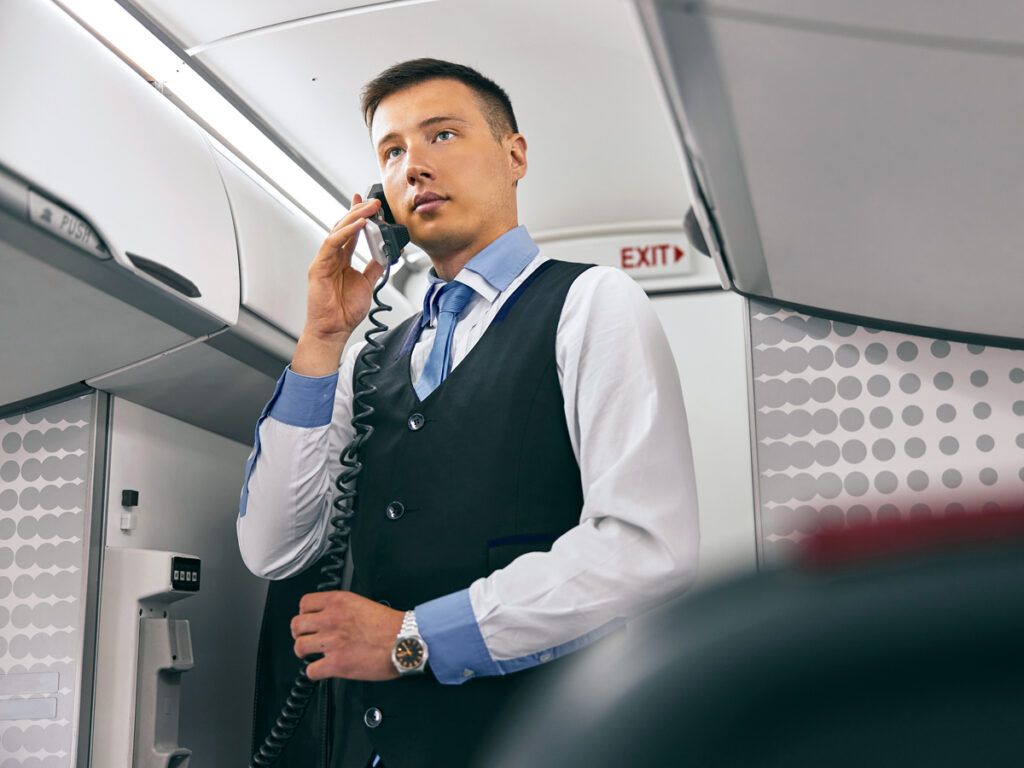
Lastly, harassing, assaulting, or endangering passengers or crew can also result in being placed on an airline’s internal no-fly list. As an example, American Airlines states, “We may not let you fly (temporarily or permanently) for any reason, including if you are uncooperative, abusive, harassing, or show the potential to be while on board.”
Airlines often maintain permanent bans for serious misconduct such as physical or sexual harassment, threats or verbal abuse, dangerous intoxication, or refusing or ignoring crew instructions. In some cases, interfering with cabin crew duties is also a criminal offense, leading to potential fines or jail time.
More from our network
Daily Passport is part of Inbox Studio, an email-first media company. *Indicates a third-party property.