





Do Airlines Cancel Empty Flights?
Do Airlines Cancel Empty Flights?
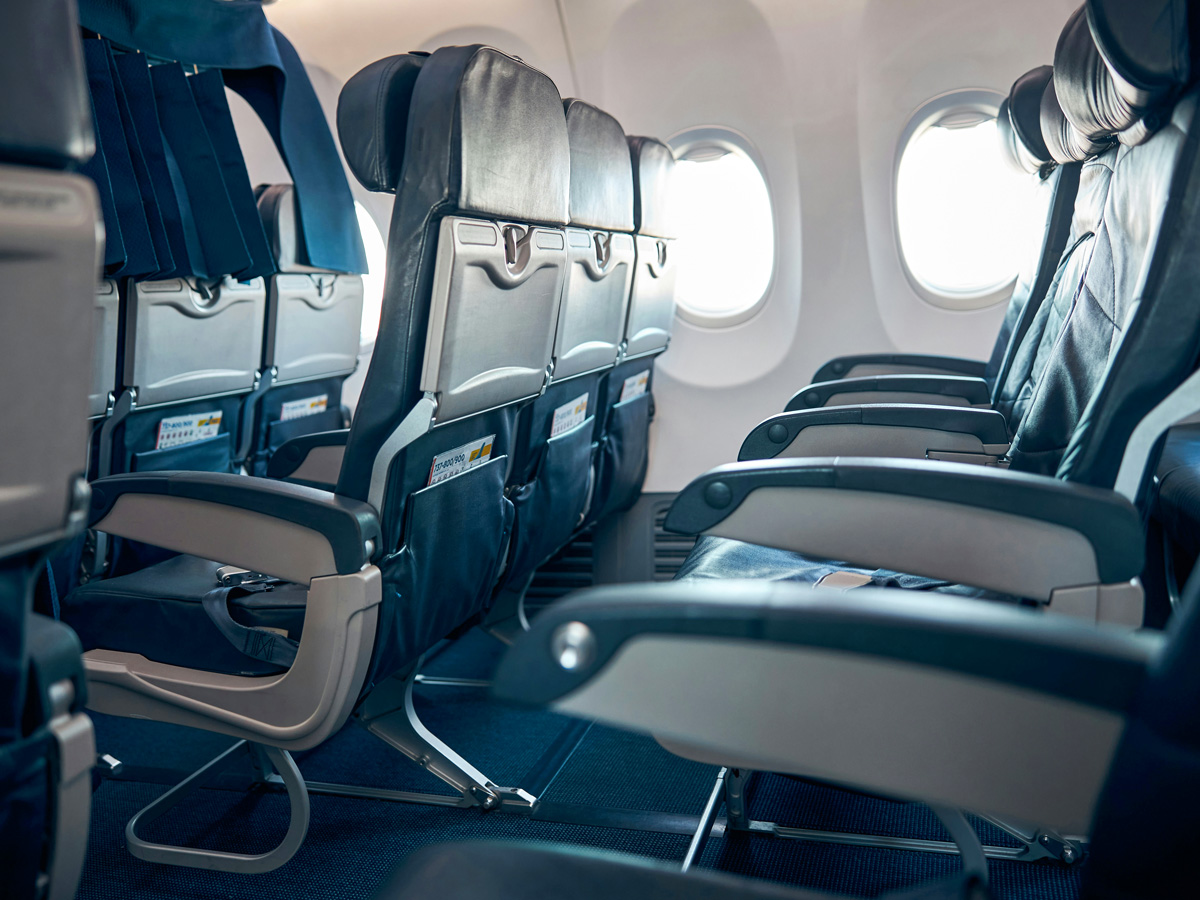

When you see that the flight you’re booking is close to empty, you may feel like you’ve hit the jackpot. Fewer passengers could equal a free seat upgrade — or possibly a whole row all to yourself. But as the day of your trip approaches, you may wonder whether the plane is actually too empty. Does it even make financial sense for an airline to operate a flight when passenger numbers are well below capacity?
While airlines do adjust schedules in response to low demand, they typically do so well in advance. Fully canceling an individual flight close to departure for the same reason is far less common. In fact, some flights take off with virtually no passengers on board. Here’s why.
Why Underbooked Planes Still Fly
Airlines rarely look at flights in isolation. Each plane has a schedule of multiple flights each day, so the one operating your flight today might be needed for a return journey tomorrow, or another service just a few hours later.
Imagine there’s a morning flight from Dallas to Los Angeles with only half a dozen passengers. The aircraft might be due to fly back to Dallas that same afternoon with a larger group, so canceling the outbound service would create a headache for the airline. Going ahead with the “empty” leg tends to be much simpler than finding an alternative plane or moving passengers to new flights and rearranging crew schedules. It may also turn out to be less expensive in the end.
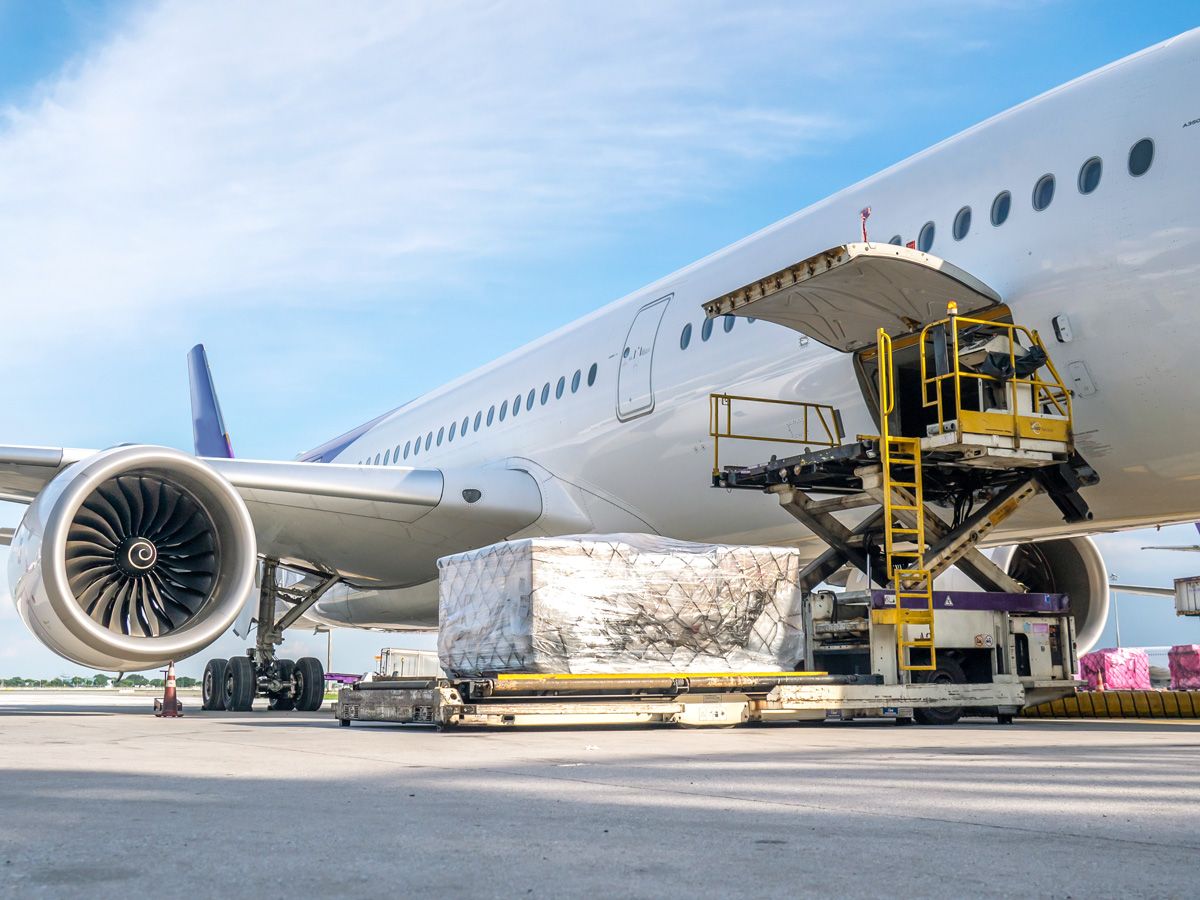
Passenger numbers don’t tell the whole story, either. Aircraft often carry freight and mail, which may have been sent with tight delivery deadlines. Airlines also need to consider passengers already booked on connecting services, who could be left stranded if a leg is canceled.
When Airlines Do Cancel Flights
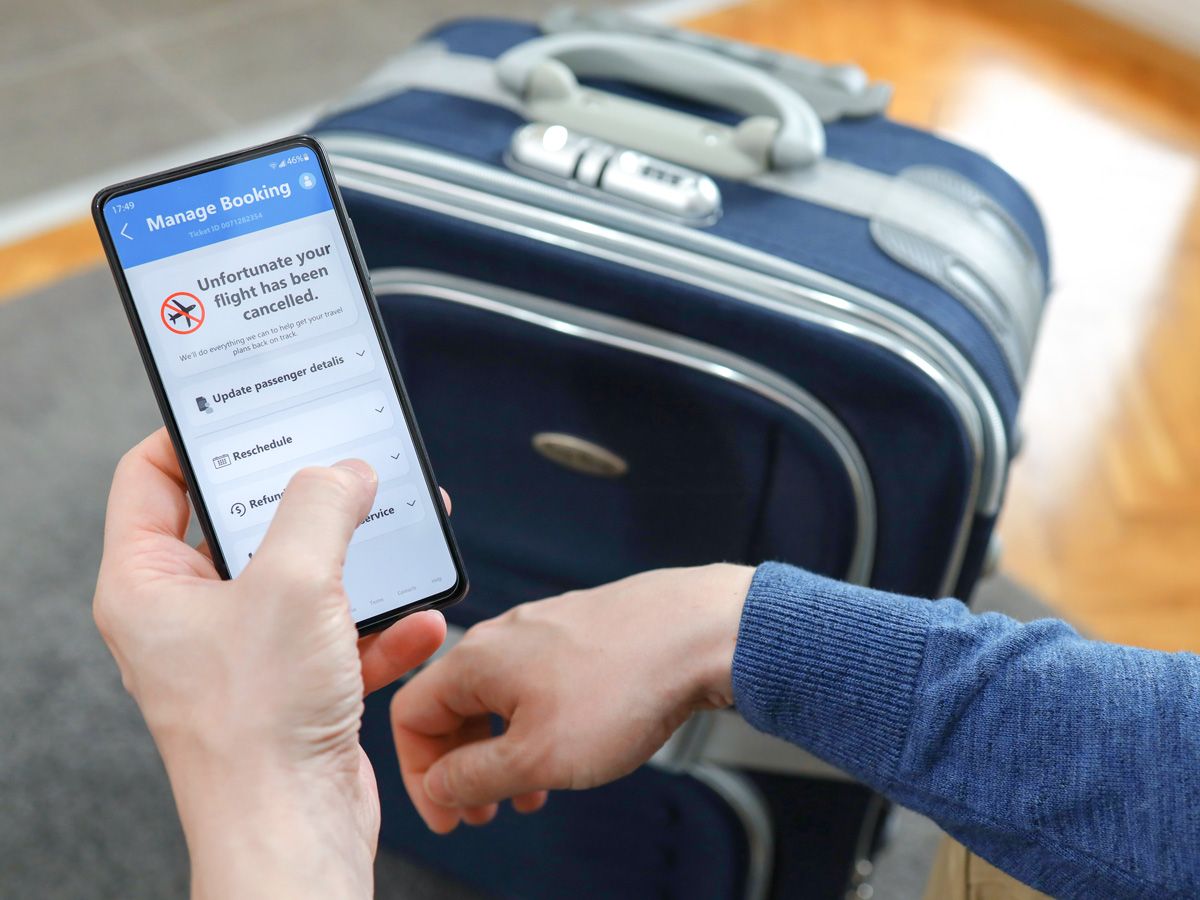
Staffing issues, technical problems, and inclement weather are potential reasons for flight cancellations close to departure — low passenger numbers, not so much. If demand for a flight is consistently low, though, airlines will likely take action for future schedules.
This could include combining it with another service, reducing its frequency, or removing it from a route map completely. One example is Southwest Airlines, which reported the reduction of weekday and off-peak flights to match demand in its 2025 annual report. But these decisions are typically made in advance as part of wider logistical planning, rather than on a whim at the departure gate.
Airport Slots and Ferry Flights
Takeoff and landing slots at some of the world’s busiest airports are like gold dust. This is because demand often far exceeds availability, and airports charge extortionate prices for preferential times. Airlines failing to use at least 80% of their slots risk losing their priority to retain them — an industry practice known as the “use-it-or-lose-it” rule. That gives airlines an incentive to honor their schedule even when a flight is underbooked.
Another reason for flying an empty plane is aircraft repositioning. These so-called “ferry flights” involve moving a plane between airports, either for delivery, maintenance, or to return it to its base.
What an Empty Seat Map Really Means
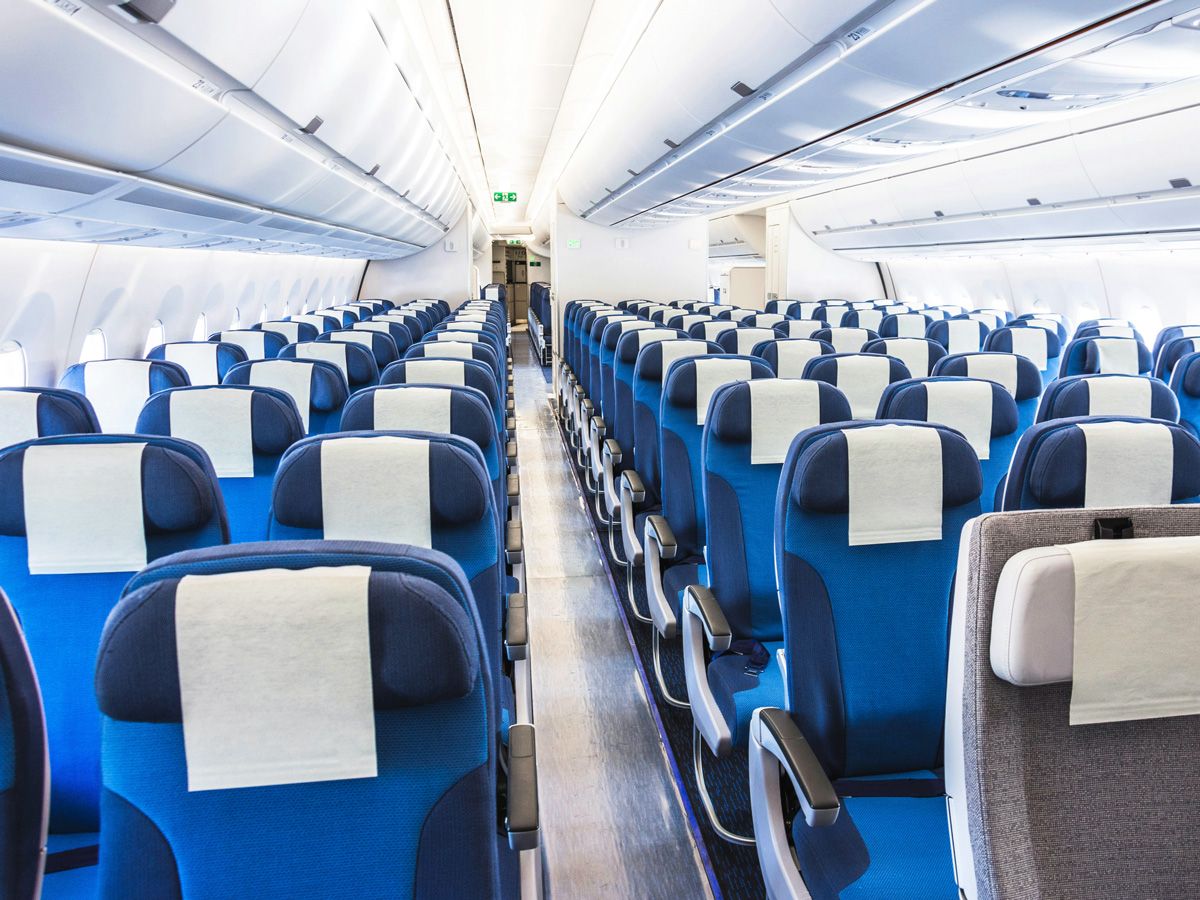
If you see dozens of empty rows on a flight’s seat map, don’t read too much into it. It’s not necessarily an indicator of how many seats have been sold. Not everyone chooses a seat upon reservation or is willing to pay an additional fee for the privilege. Many wait until online check-in opens, while others leave the decision up to airline staff.
Also keep in mind that seats can fill up closer to departure. So, if your flight looked fairly empty when you booked it months or weeks in advance, don’t count on it staying that way.
The Bottom Line
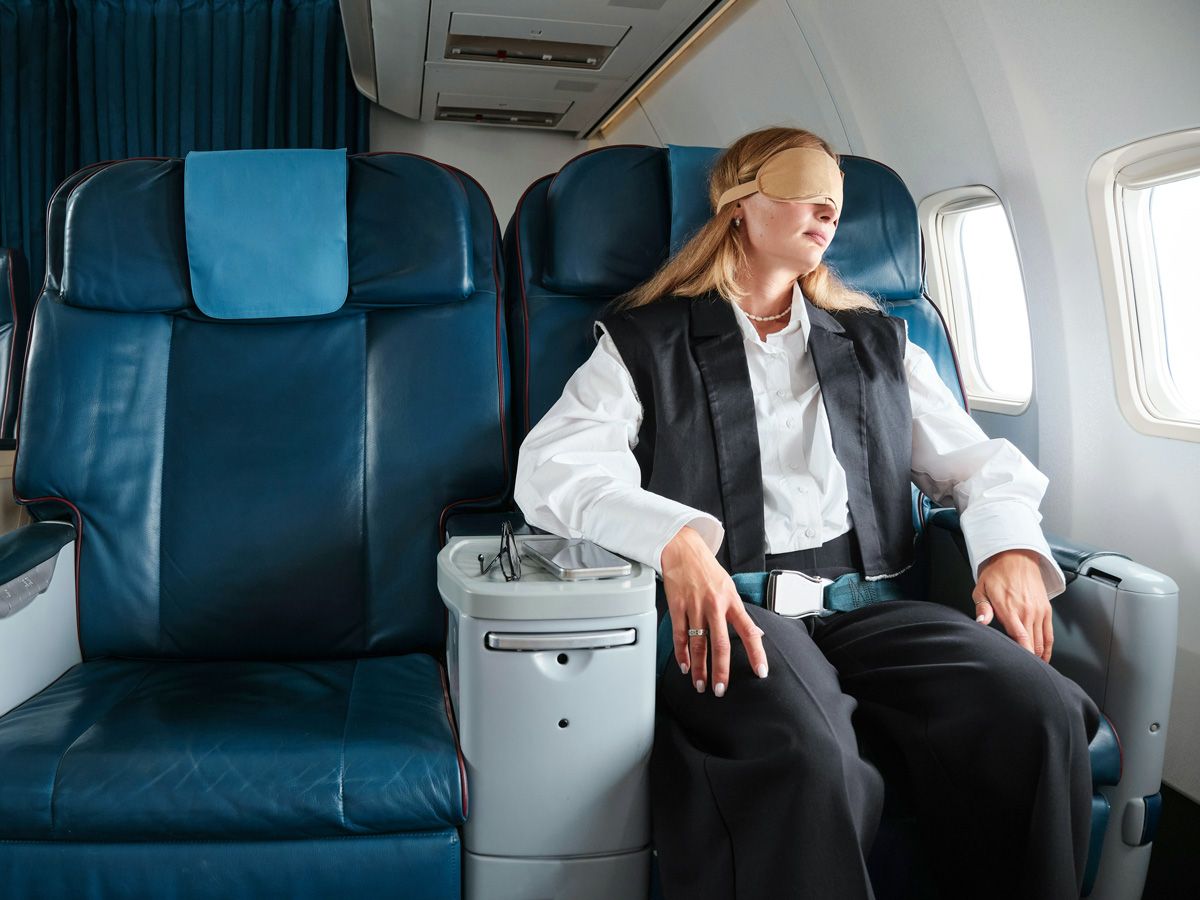
Is an empty flight a cause for concern? As a general rule, no. From honoring connecting flights to maintaining airport slots, airlines have many reasons to continue with a service that’s far from full capacity. In fact, if you do ever end up as one of a handful of passengers on a flight, you could be in for a pleasant surprise. You’ll have more room to stretch out, a quieter cabin, and maybe a little extra attention from the crew. Not bad for a flight that no one else wanted to take.
Featured image credit: © Getty Images/Unsplash.com
More from our network
Daily Passport is part of Inbox Studio, an email-first media company. *Indicates a third-party property.