





This Popular City Just Doubled Its Tourist Tax
This Popular City Just Doubled Its Tourist Tax

As many of the world’s top tourist cities face the growing crisis of overtourism, a number of them have implemented destination taxes as one way to try to manage the influx of visitors. Sometimes, you may not even realize you’re paying the tax until you receive your hotel bill at checkout. These mandatory, government-imposed fees can be a percentage of the total nightly cost at a hotel or a set amount in the local currency — ranging, for example, from 1 to 10 euros in many European destinations. Some popular places, like Venice, even charge a tax if you’re just visiting for the day. But starting this month, one destination has raised its tax to among the highest in Europe.
Growing Concerns
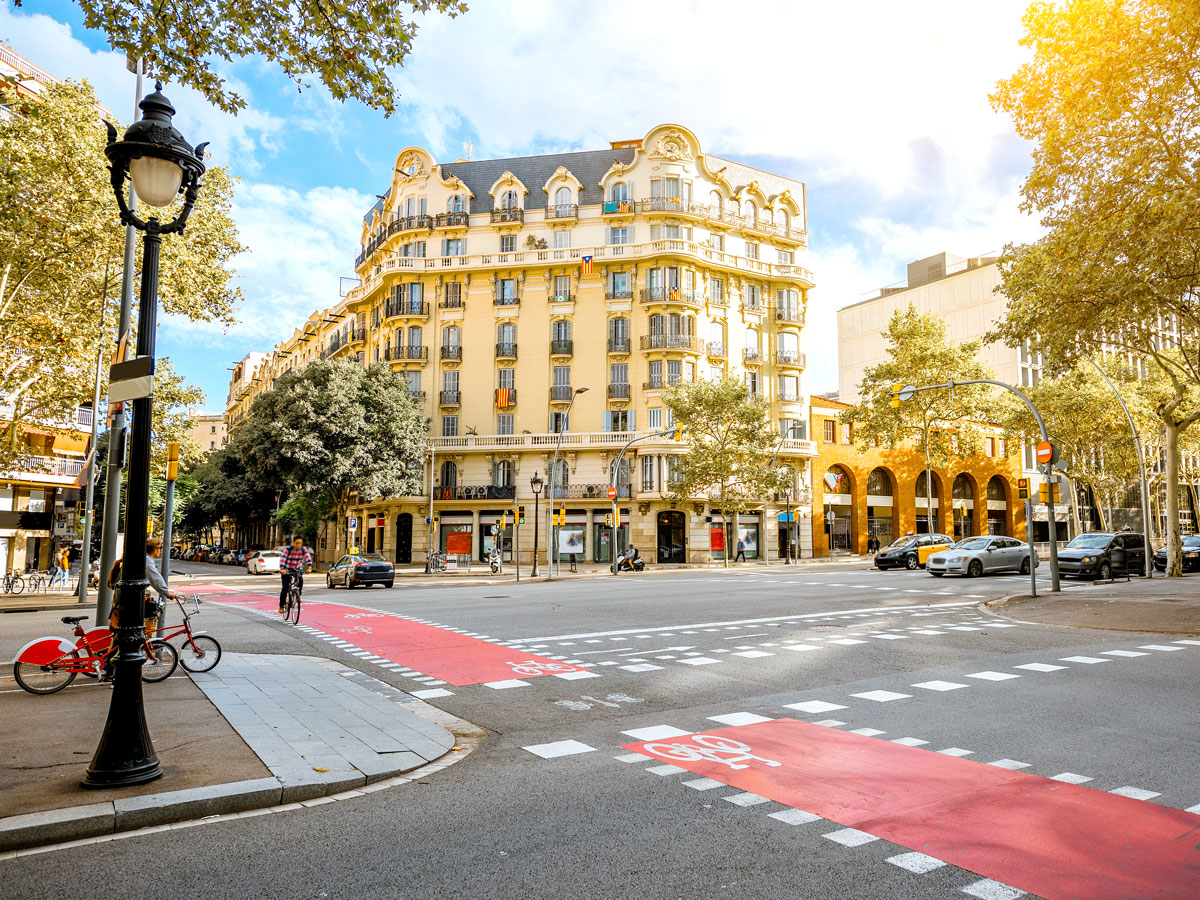
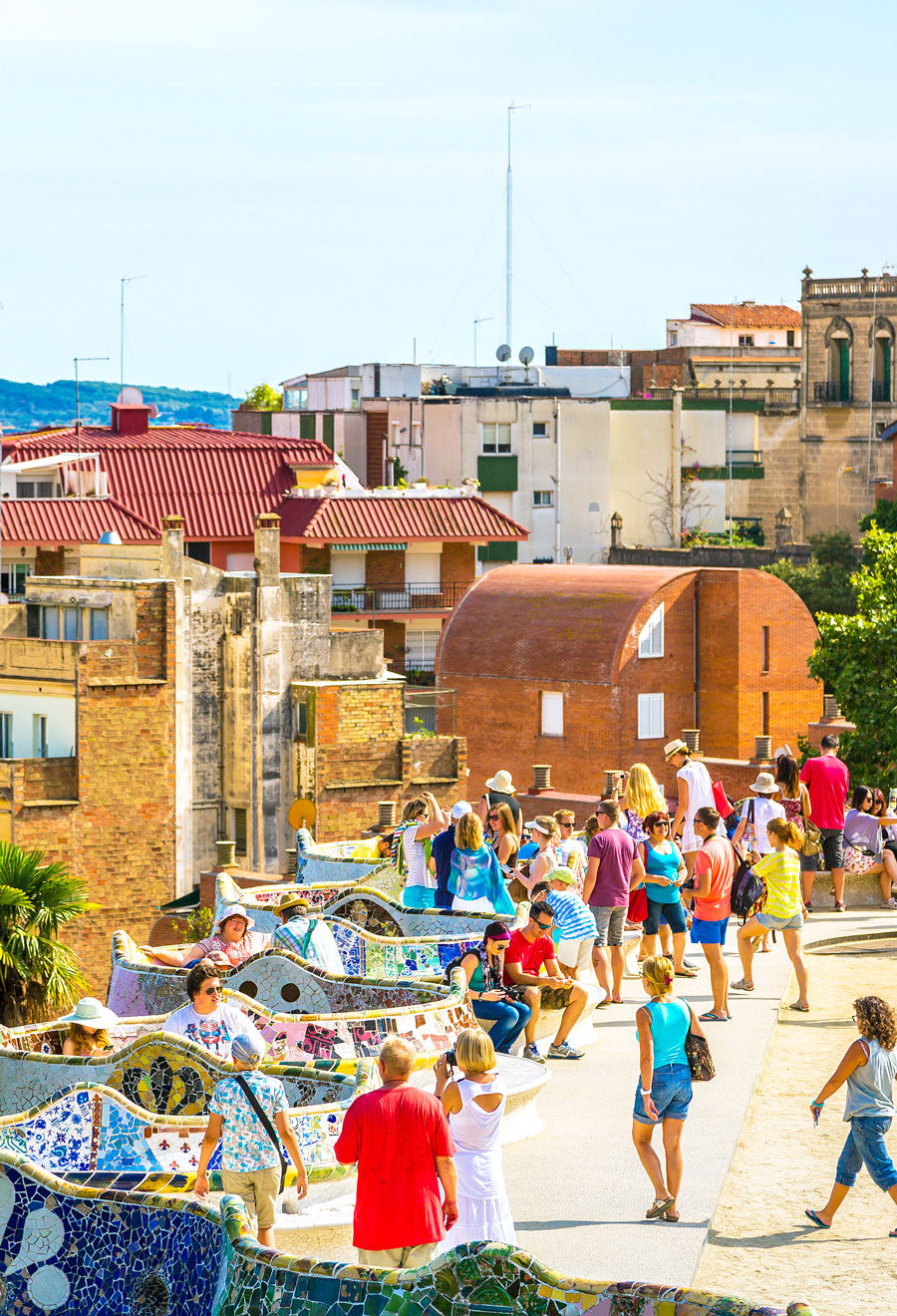
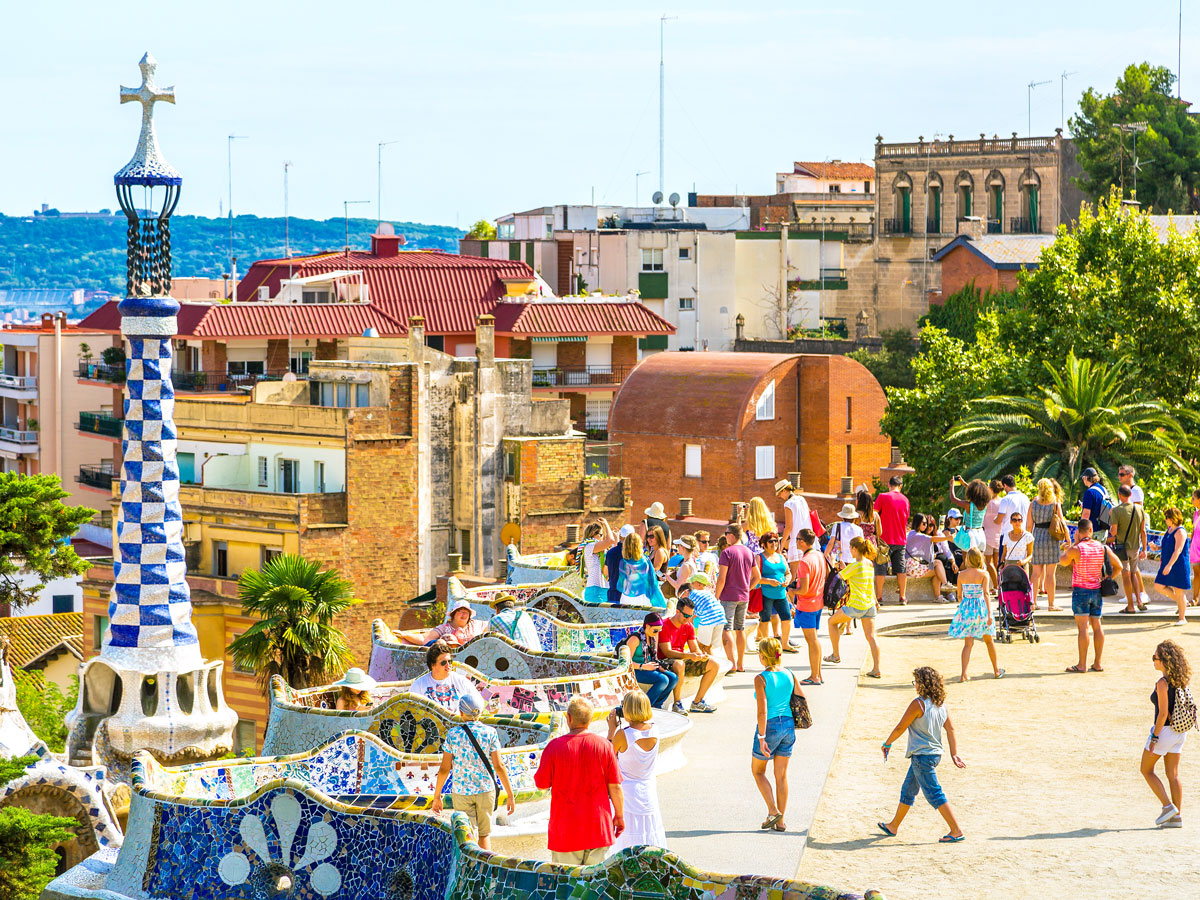
Nowhere has overtourism been more of a concern than in Europe, and Barcelona, Spain, is a prime example. Home to iconic Gaudí architecture, sunny Mediterranean beaches, renowned museums, and bustling pedestrian streets, the city just notched an all-time tourism record with 26.1 million visitors in 2025. And that number could grow even higher in 2026, as the city’s most famous landmark, the Sagrada Família, is set to finally be completed after being under construction for more than 140 years.
While tourism can be a boon for the local economy in many ways, too many visitors can have negative effects, leading not only to clogged streets and strained infrastructure but also to a rise in local housing costs. Many housing units have been converted into short-term rentals (such as Airbnb properties) to accommodate tourists, limiting supply and driving up prices for residents.
That’s one reason Barcelona residents, in particular, have been so vocally opposed to tourism in recent months, going so far as to stage anti-tourism protests that have even targeted some tourists with water guns as a symbol of their frustrations.
One of Europe’s Highest Tourist Taxes
In response to the growing concerns, the regional government of Catalonia announced that, starting April 1, 2026, it is doubling the Tax on Stays in Tourist Establishments (IEET). This applies to all hotels (with rates varying depending on hotel category), short-term tourist rentals, and cruises in the Catalonia region, of which Barcelona is the capital.
Local municipalities are also permitted to add their own surcharges, and Barcelona is raising its flat-rate surcharge by 1 euro starting in April. The surcharge is set to increase by an additional euro each subsequent year until 2029, when it reaches 8 euros per night.
Before the change went into effect, guests at a four-star hotel had to pay 5.70 euros per night in taxes (a tourist tax of 1.70 euros, plus a 4-euro Barcelona surcharge). Now, the same stay will cost 8.40 euros in taxes (3.40 euros in tourist tax and 5 euros for the Barcelona surcharge).
On top of that, the tourist tax is subject to the same 10% VAT (value added tax) you pay on the room rate itself, as the tourist tax is treated as part of the overall cost of accommodation. Taking all that into account, the nightly fees at a four-star hotel will rise from 6.27 euros to 9.24 euros. If you’re staying for a week, you’ll pay an extra 20.79 euros, which is equivalent to about $24 USD.
The increase hits luxury stays even more, rising from 8.25 euros to 13.20 euros (about $15.25 USD) per night — among the highest nightly tourist taxes in Europe. Notably, the government is also allocating 25% of the revenue from its tourist tax for housing policies to address resident concerns.
Other Cities Increasing Their Tourist Taxes

While Barcelona’s nightly tax now ranks among the highest in Europe, it’s no match for Amsterdam, one of the continent’s biggest tourism hot spots. In 2025, taxes on room rates in Amsterdam increased to 12.5% of the overnight price, and the fee for day trippers (typically cruise passengers) increased to 14.50 euros per person. On top of that, the city also announced it will no longer be building any new hotels in an effort to keep visitor numbers from becoming too unwieldy.
The concerns aren’t limited to Europe, either. Over in Asia, Kyoto has seen a massive influx in visitors keen to explore Japan’s “cultural capital” and its numerous historic temples, shrines, and gardens — while taking advantage of the favorable exchange rate in recent years. In response, the local government hiked the tourist tax by up to 900%; now, the priciest hotel rooms will cost an extra $26 USD per night.
Tourist taxes are also something to consider closer to home. If you’re visiting Houston, Texas, for example, you’ll pay a total combined state and municipal tourist tax of 17%, based on the cost of your room rate. Elsewhere, Connecticut charges a statewide 15% tourist tax, while in Los Angeles, the nightly tax is 12% of your room rate.
Featured image credit: © Sergii Figurnyi/stock.adobe.com
More from our network
Daily Passport is part of Inbox Studio, an email-first media company. *Indicates a third-party property.