


11 Behaviors That Can Get You Kicked Out of Tourist Attractions
11 Behaviors That Can Get You Kicked Out of Tourist Attractions

When visiting a tourist attraction, most travelers know the obvious rules. Don’t climb over the barriers, don’t take photos where photography is prohibited, and don’t wander into places marked “do not enter.” But some attractions have restrictions that are considerably less intuitive — and breaking them can mean anything from a fine to being escorted out or banned altogether. Here are 11 reasons you could find yourself in trouble at tourist attractions around the world.
Snapping Selfies
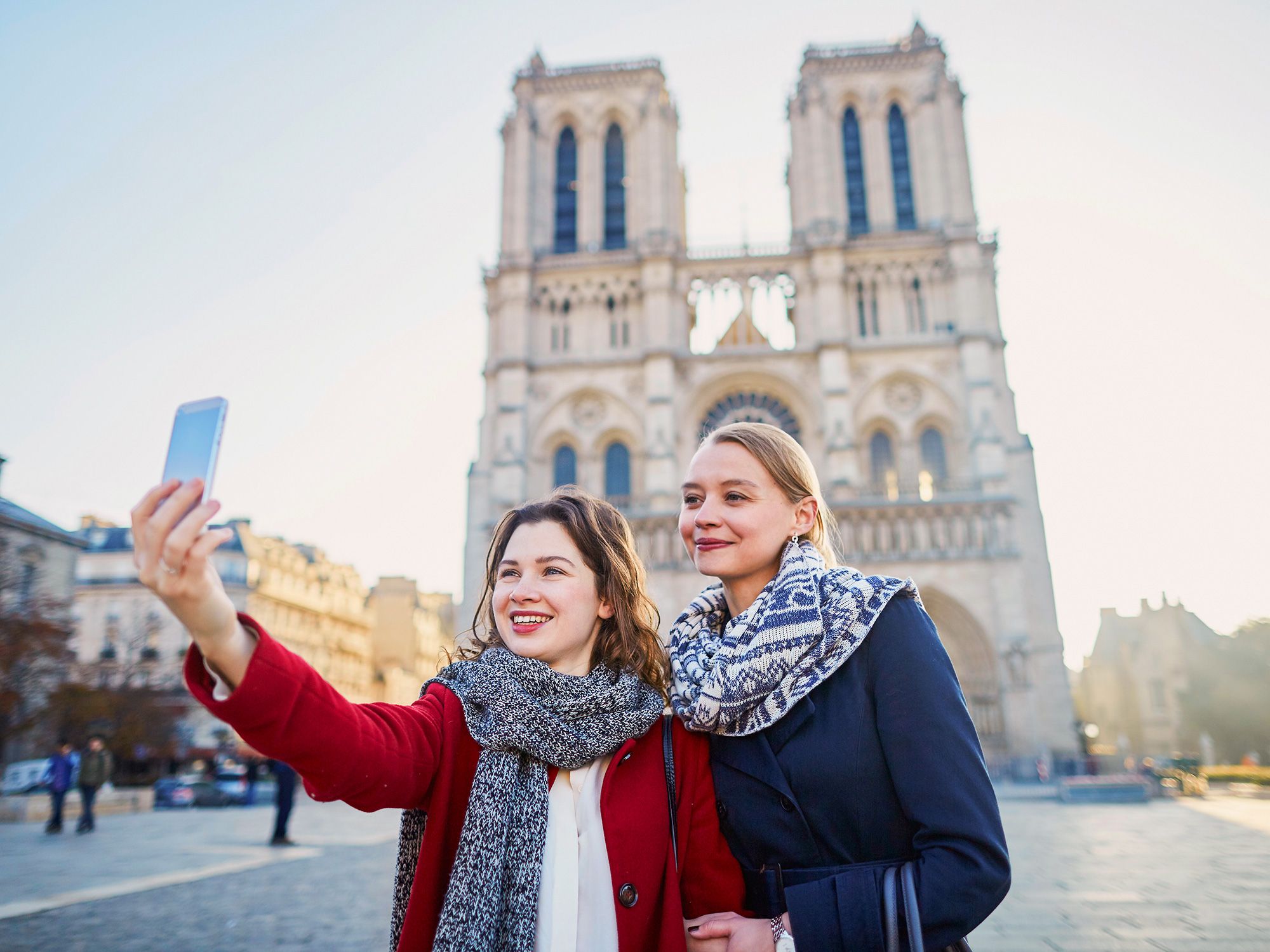
The vacation selfie may seem like a rite of passage, but plenty of popular attractions have rules about when, where, and how you can take them. Museums including New York City’s Metropolitan Museum of Art and France’s Palace of Versailles, for example, have banned selfie sticks because of concerns about damaging artwork or antiquities, while Disney theme parks prohibit them to avoid injuring other visitors.
Photos in general, with or without a stick, are completely banned at some of the world’s most famous global tourist attractions, including Vatican City’s Sistine Chapel, inside India’s Taj Mahal, and in the Tower of London’s Crown Jewels vault.
Elsewhere, the rules can be about keeping tourists from putting themselves — or animals — in danger. Authorities in Pamplona, Spain, have fined people for taking selfies during the Running of the Bulls, while officials in places like Yellowstone National Park have warned visitors against getting dangerously close to wildlife to snap a photo.
Donning the Wrong Footwear
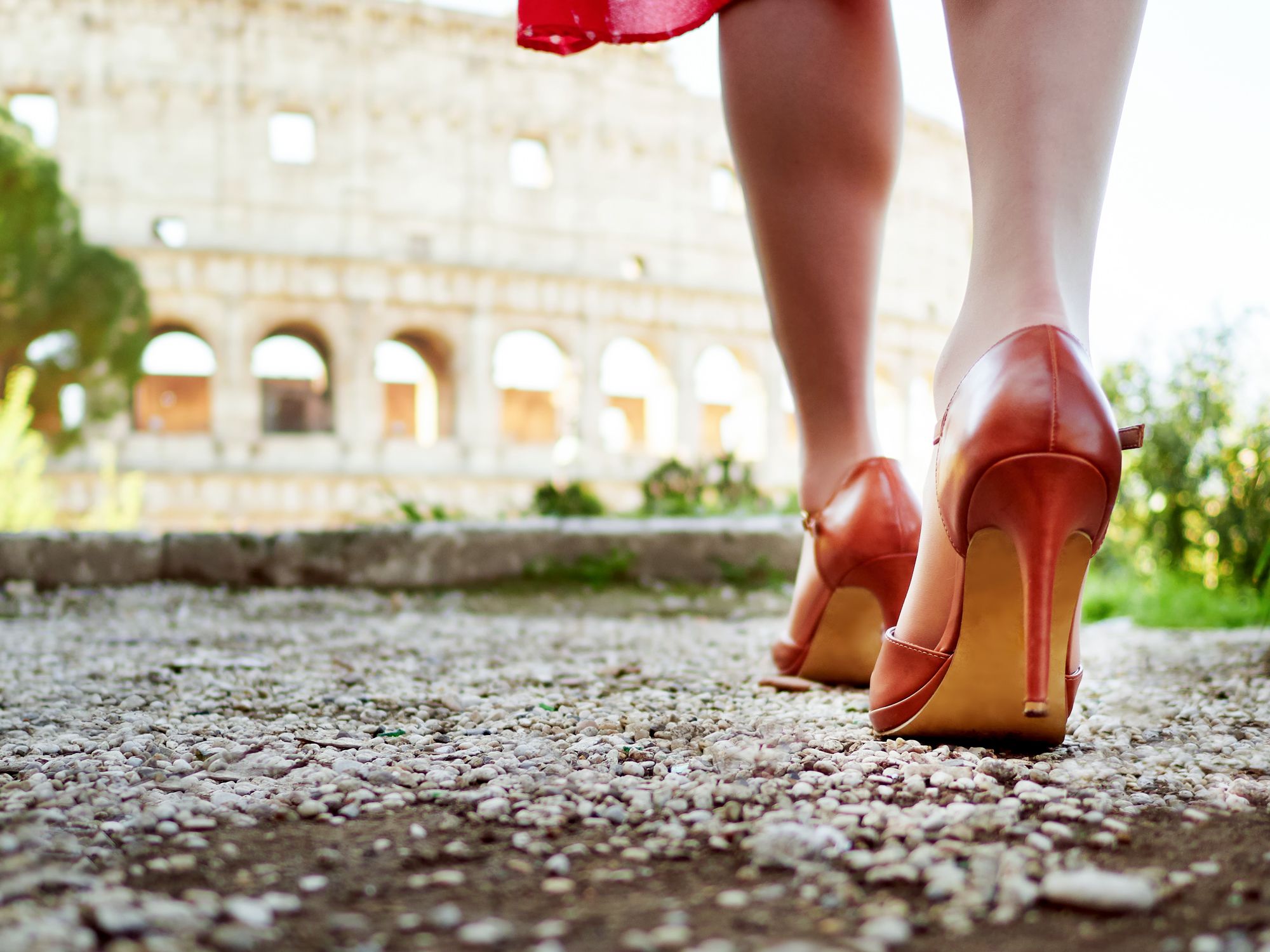
The wrong shoes can do more than leave you with sore feet — they can also get you turned away from an attraction or even fined. At Greece’s archaeological sites, for example, high heels are prohibited because they can damage delicate surfaces, making stilettos a particularly poor choice for sightseeing at the Acropolis. Elsewhere, attractions with uneven terrain, steep climbs, caves, or other hazards may require visitors to wear sturdy, closed-toe shoes for their own safety.
Footwear rules don’t necessarily stop when you leave the attraction. In countries such as France, Greece, Portugal, and Spain, driving in flip-flops can result in a fine, so be sure to change out of those beach sandals before getting behind the wheel. Even going barefoot can be a problem in some destinations, like in Portofino, Italy, where local rules require visitors to wear shoes.
Showing Too Much Skin

A bathing suit may be perfectly appropriate beach attire, but wear it a few blocks away from the sand and you could find yourself in trouble. In destinations such as Venice, Barcelona, Cannes, and Sorrento, tourists can face fines for walking around town in swimwear. In the popular seaside destination of Albufeira, Portugal, taking to the streets in your beachwear can result in fines of more than $1,700.
Likewise, popular religious sites around the world have their own dress codes, and visitors who show up in shorts, with bare shoulders, or with exposed knees can be refused entry or asked to leave. In Vatican City, for example, visitors are expected to cover their shoulders and knees, so sleeveless tops, miniskirts, and shorts that hit above the knee can get you turned away at the door of St. Peter’s Basilica.
Wearing a Hat
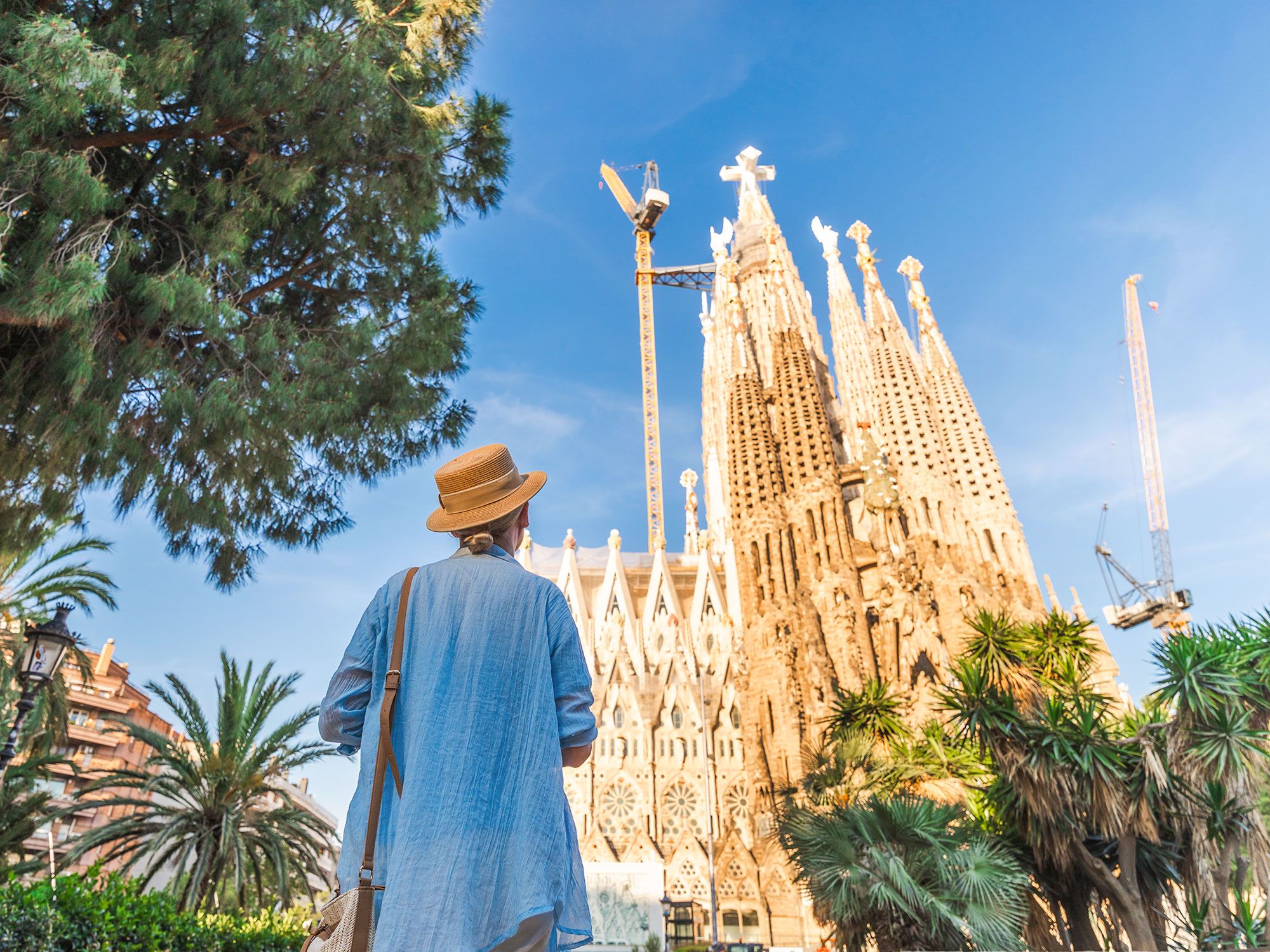
Sometimes, even an everyday accessory can get you tossed from a tourist attraction. At Barcelona’s Sagrada Família, for example, hats are prohibited inside the nave and museum except for religious, health, or belief-related reasons. The basilica’s rules warn that visitors who don’t comply can be refused admission or ejected from the site. If you’re planning to admire Antoni Gaudí’s architectural wonder, you’ll want to leave the baseball cap in your bag.
Sitting Where You Shouldn’t
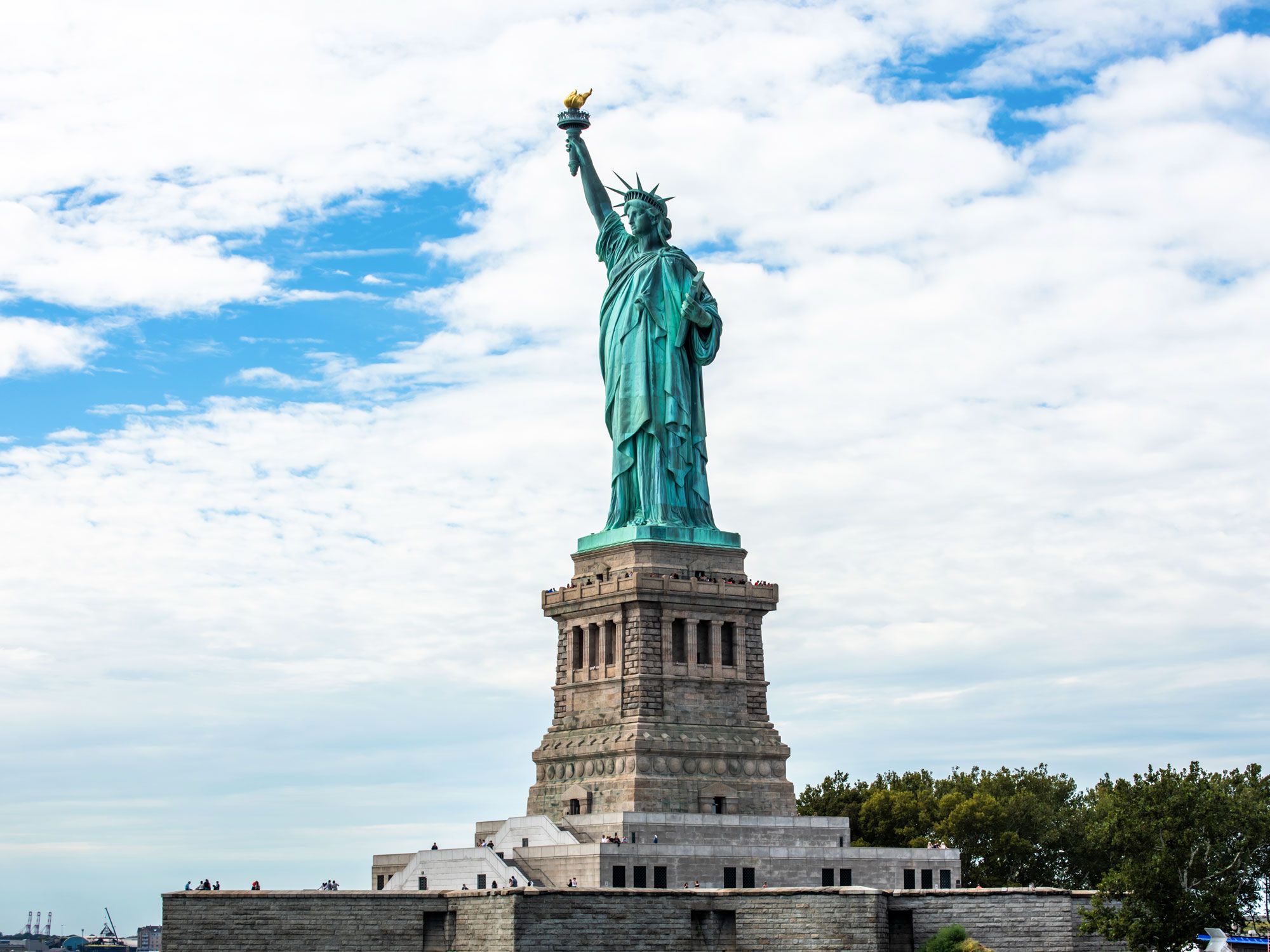
Even the simple act of sitting down can get you in trouble at a tourist attraction. At the Statue of Liberty National Monument, for example, visitors aren’t allowed to sit or stand on railings, ledges, walls, exhibits, statues, or a host of other structures around Liberty and Ellis islands. The rules are designed to protect visitors and the historic site, and anyone who refuses to follow a ranger’s directions can face a citation or arrest. If you need to take a load off during your visit, you’ll want to stick to a good old-fashioned bench.
Touching the Art
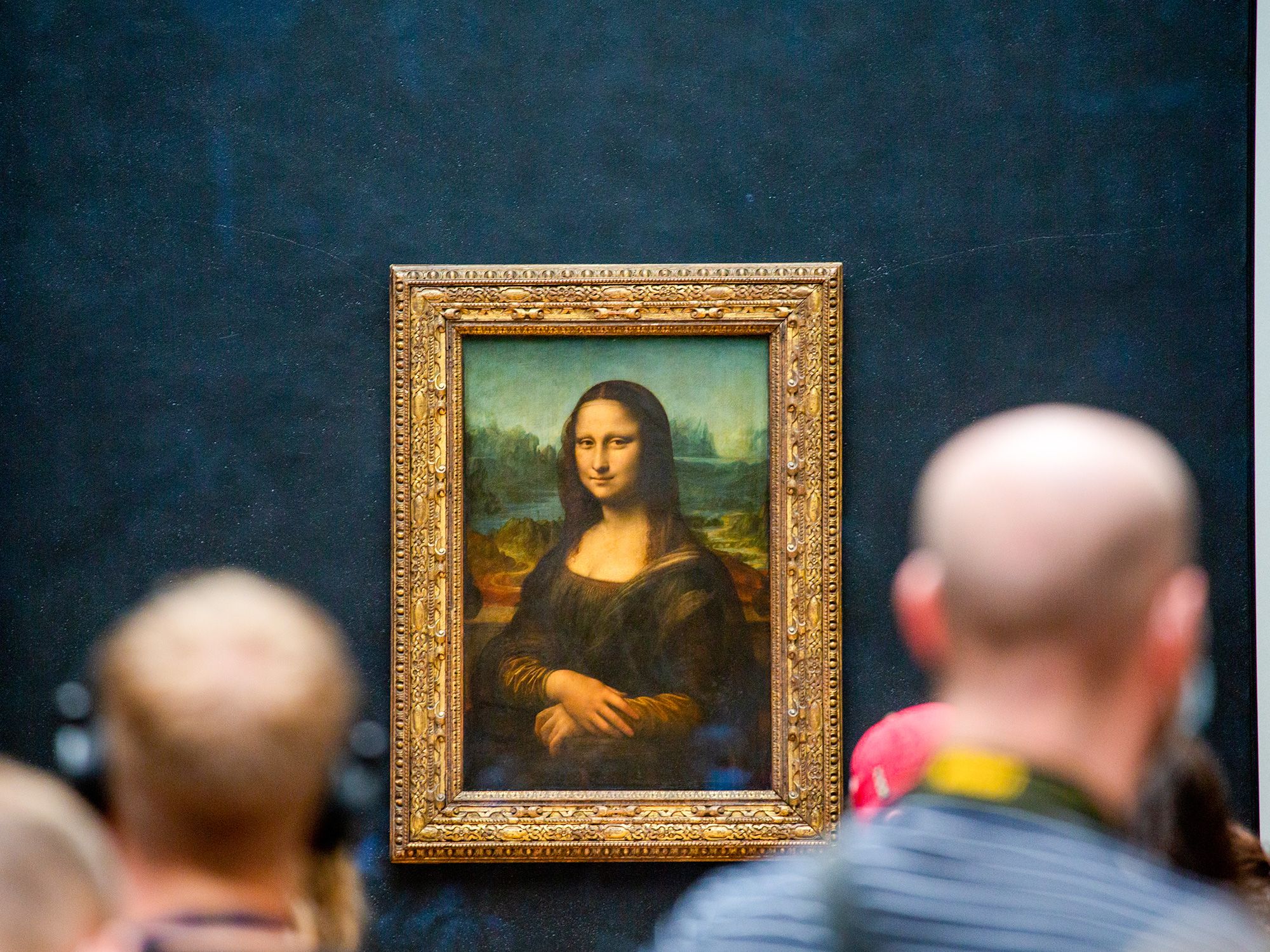
When you’re standing in front of a piece of art, it can be tempting to get as close as possible. Still, you should practice common sense and resist the urge to reach out and touch the work. Museums including New York’s Museum of Modern Art explicitly prohibit visitors from touching “the artwork, frames, platforms, labels, display cases, or anything that is used to project the art,” and violators can have their admission revoked.
Being Too Loud
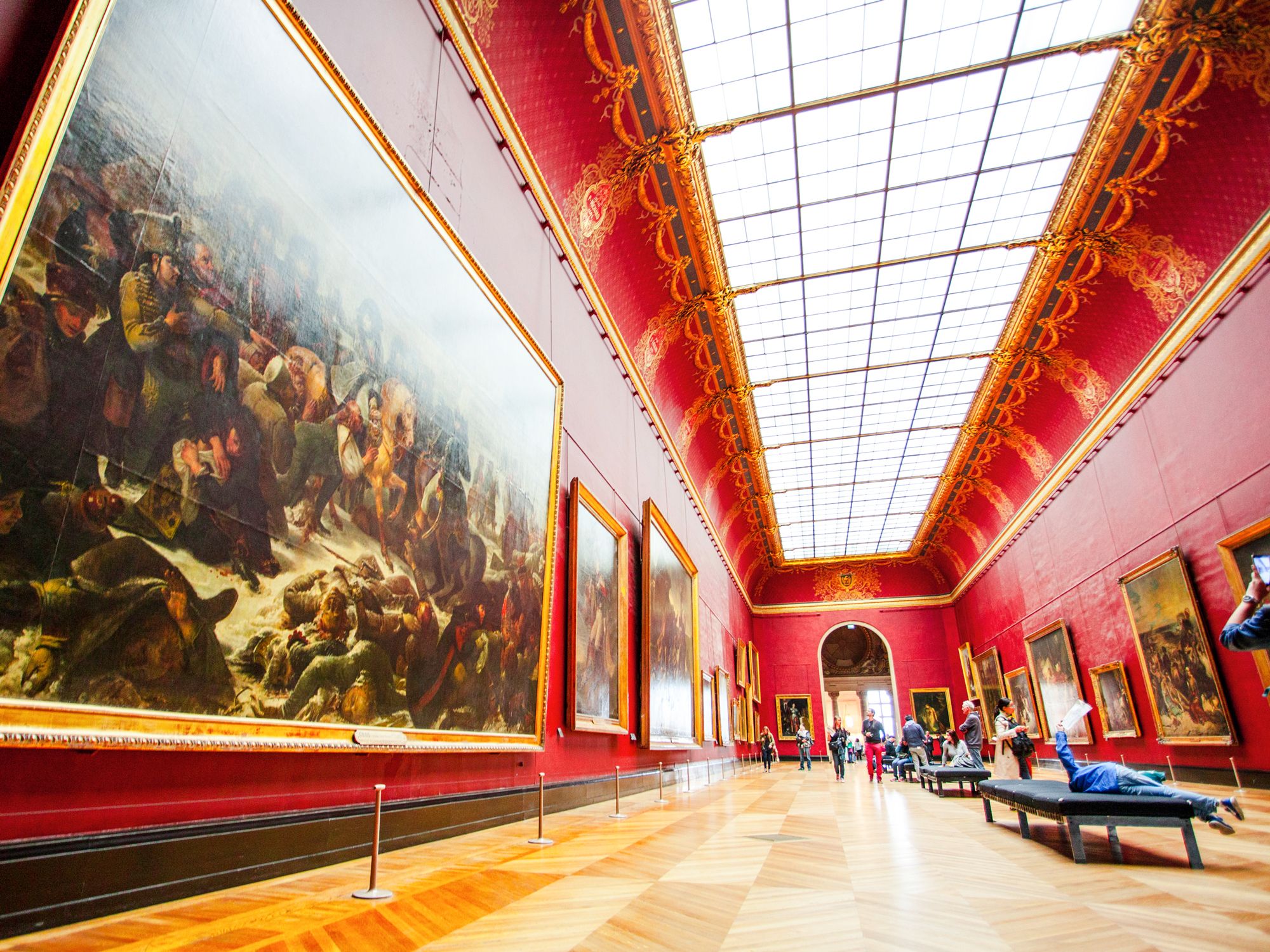
At the Louvre, you don’t have to go as far as touching a priceless work of art to get in trouble (though that would also come with consequences). The iconic Paris museum asks visitors to keep their voices down and specifically prohibits “a lot of noise” in its exhibition rooms. Public speaking is also restricted to authorized guides, teachers, and other approved speakers, meaning you can’t simply launch into an impromptu lecture about the “Mona Lisa.” Visitors who don’t follow the museum’s rules can be asked to leave.
Climbing a Monument
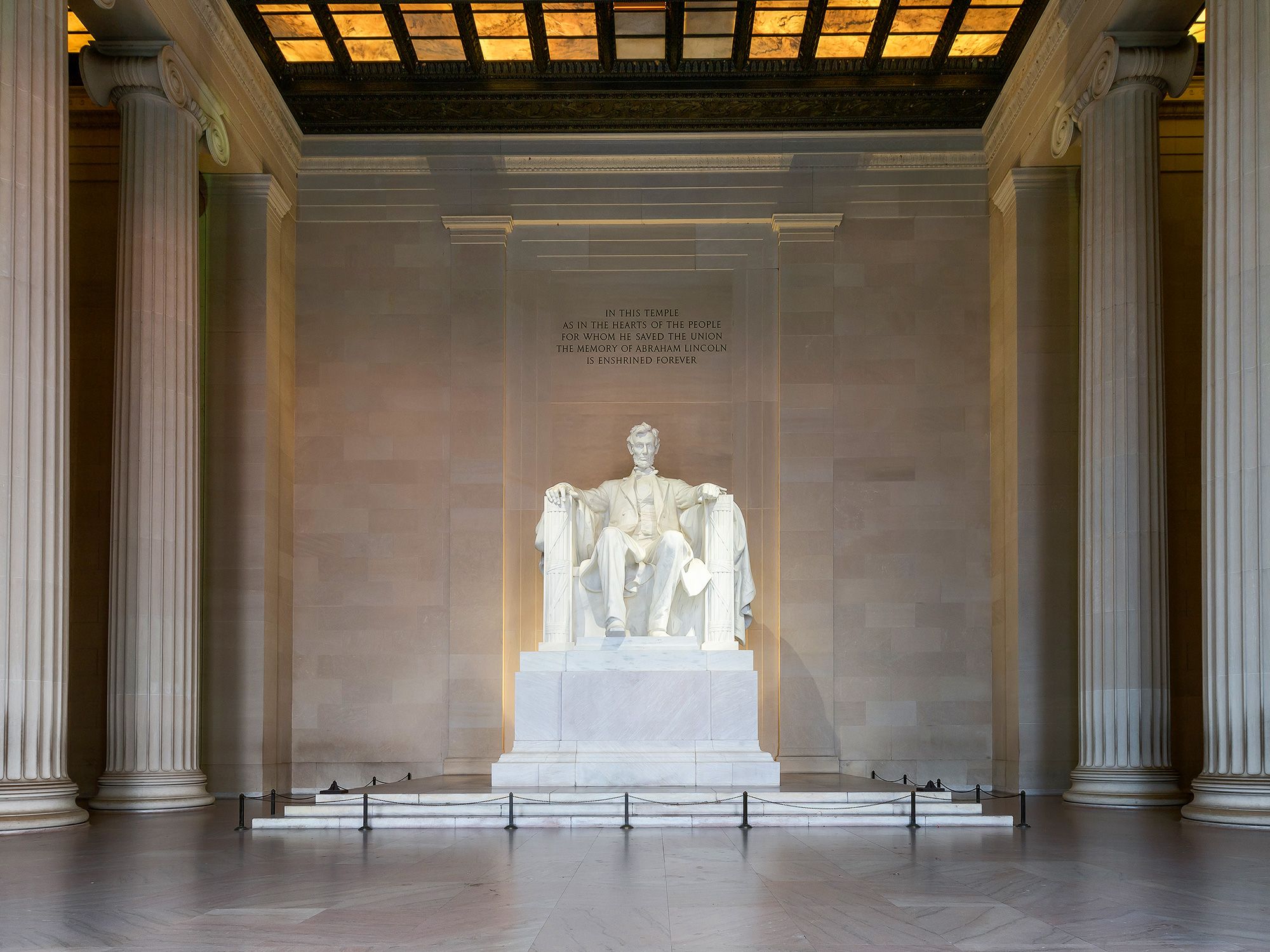
Standing atop a world-renowned monument might make for an epic selfie, but these landmarks were designed to be admired — not scaled. At the Lincoln Memorial in Washington, D.C., visitors are prohibited from climbing on the monument’s structures, and the National Park Service can remove people who violate park regulations or refuse to follow ranger instructions.
Using Your Camera’s Flash
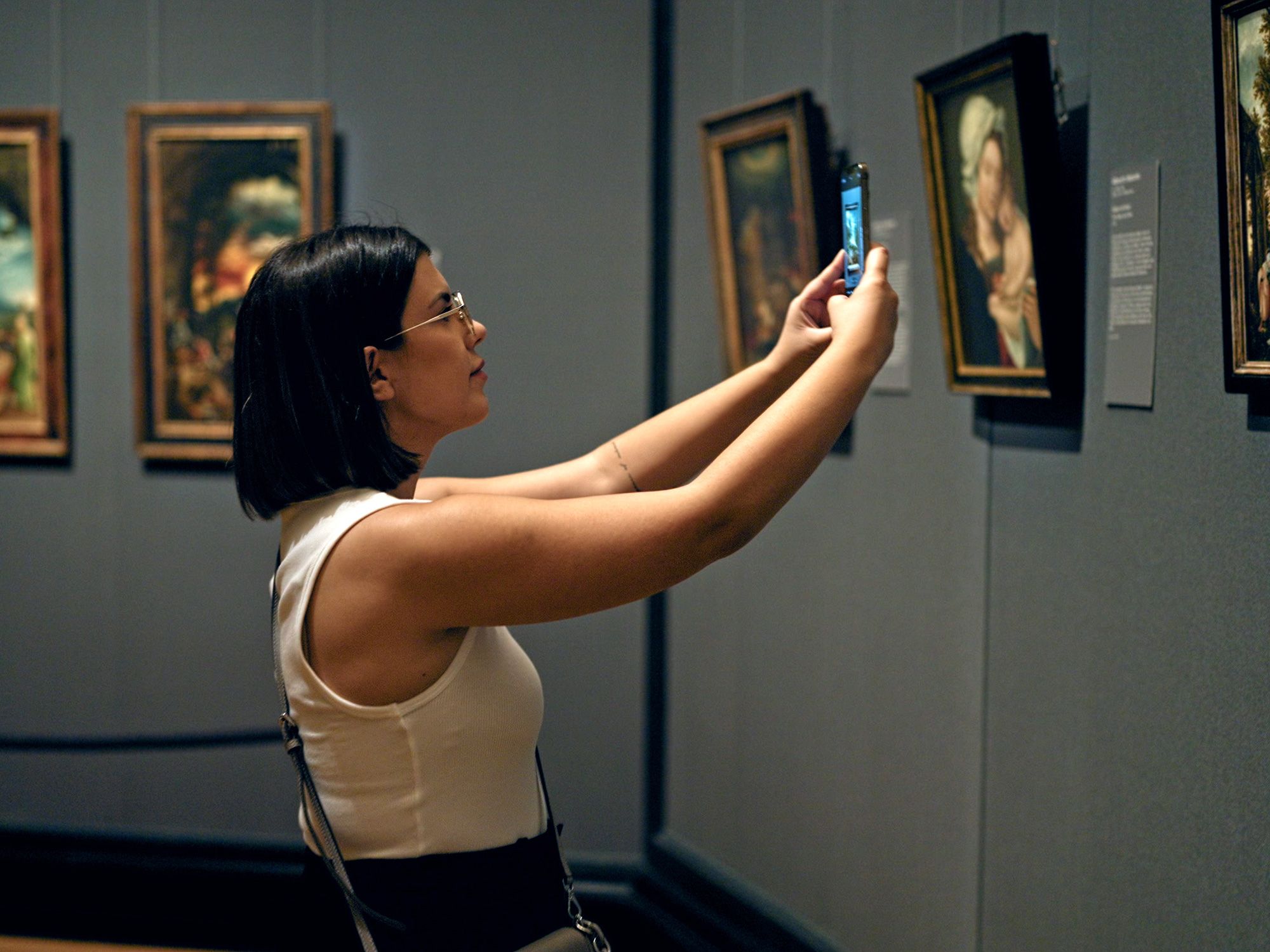
Want a picture of Michelangelo’s David? Go ahead — just make sure you turn off the flash. At Florence’s Galleria dell’Accademia, where the famous sculpture is displayed, flash photography is prohibited, as are selfie sticks, tripods, and other bulky photographic equipment. The museum’s current rules say that visitors who violate its regulations can be immediately removed from the premises. Similar restrictions apply in the galleries of many other popular art museums around the world.
Interacting With Wildlife

That adorable animal may look like it wants a snack — or to be part of the perfect selfie — but getting too close can get you into trouble. Many national parks and wildlife attractions prohibit visitors from feeding, touching, chasing, or otherwise disturbing wild animals, both to protect the animals and to keep people safe.
At Yellowstone National Park, for example, visitors must stay at least 25 yards from most wildlife and 100 yards from bears, wolves, and cougars. Feeding or intentionally disturbing wildlife is prohibited, and violating park regulations can result in fines or other penalties. So, admire that bison, bear, or elk from a safe distance — and definitely keep your snacks to yourself.
Harassing a Disney Character
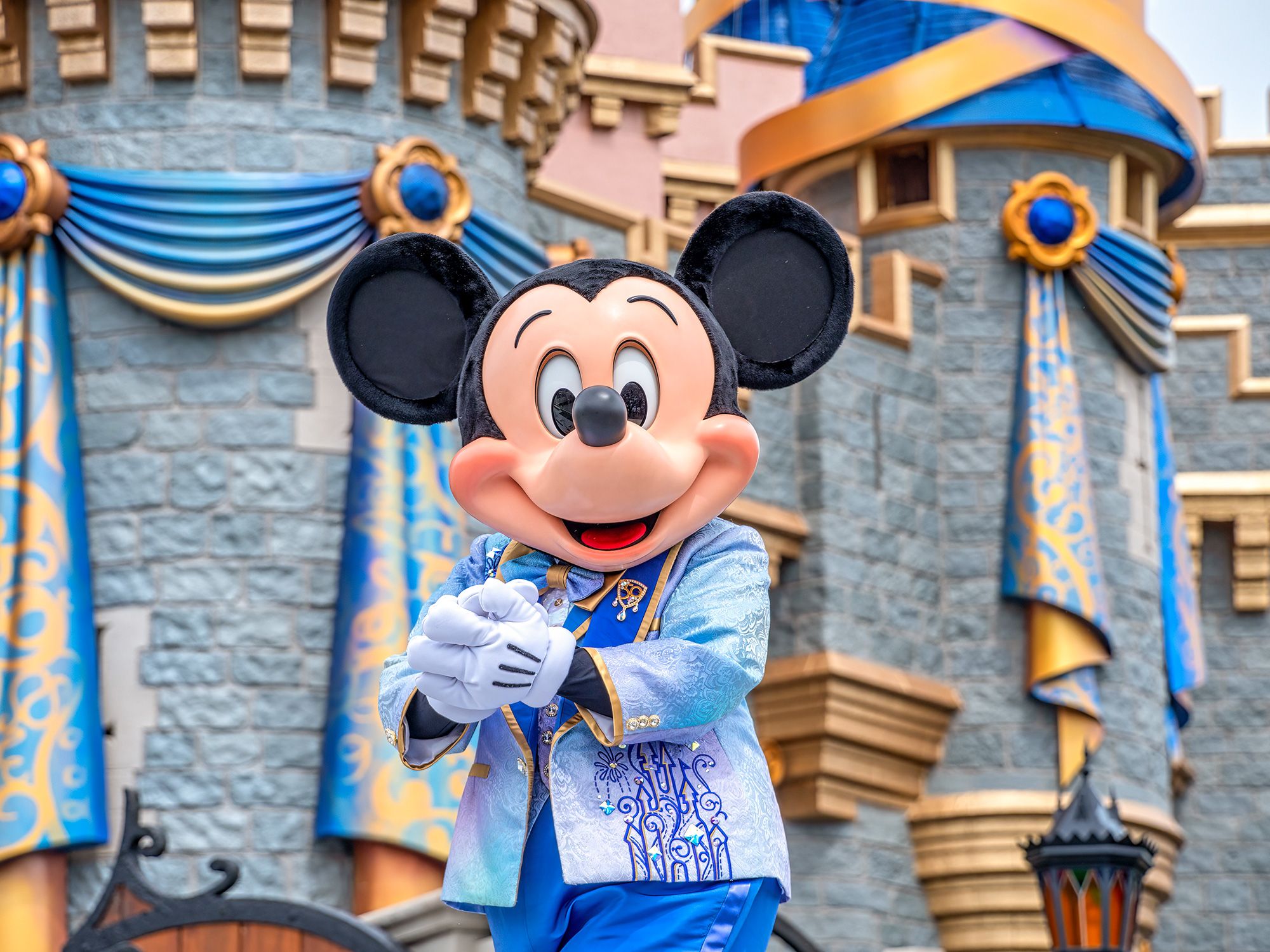
Mickey Mouse may look like he’s always down for a hug, but it’s best not to assume that’s allowed. Visitors to Disney parks are expected to treat their characters — and the performers inside those heavy costumes — with respect, and guests who cross the line can be removed from the park and even hit with a lifetime ban.
Several Disney character performers have spoken out about the disrespectful treatment they sometimes receive, often from adults. It’s so common that character performers have special signals they can use to alert other cast members when they need help, allowing them to get assistance without breaking character.
Featured image credit: © Shi/stock.adobe.com
More from our network
Daily Passport is part of Inbox Studio, an email-first media company. *Indicates a third-party property.