




Can You Fly With Plants? Here’s What TSA Says
Can You Fly With Plants? Here’s What TSA Says


You’ve probably heard countless stories of travelers being forced to throw out their toothpaste or lotion for being an ounce above the limit. But toiletries are far from the only problem. While another everyday household item is less common in luggage, it still might cause kerfuffles in the TSA line. Here’s everything you need to know about traveling with plants.
A Potentially Thorny Situation
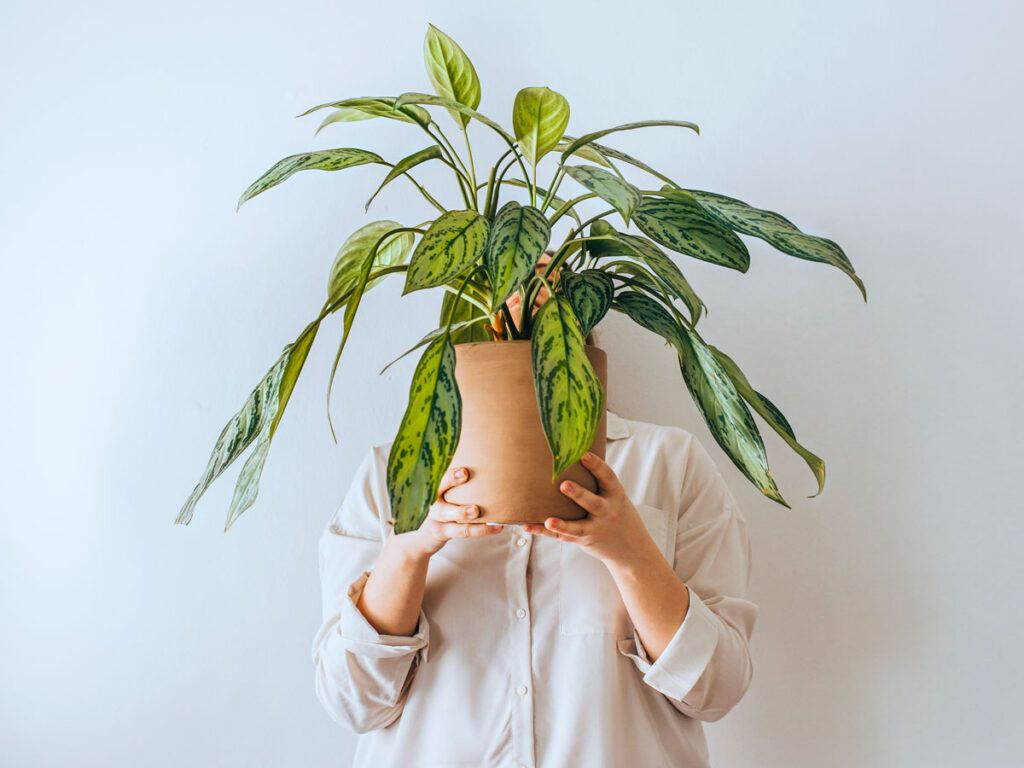
Good news for plant lovers: The TSA typically permits plants and seeds in both carry-on and checked luggage. However, there are exceptions, whether because of the airline or your destination — more on that in a minute.
As far as the TSA is concerned, the organization recently confirmed its stance on houseplants in response to a traveler’s question on X (formerly Twitter). The AskTSA account stated, “On domestic flights within the U.S. Mainland and Alaska, plants are generally allowed through the security checkpoint and in checked bags.”
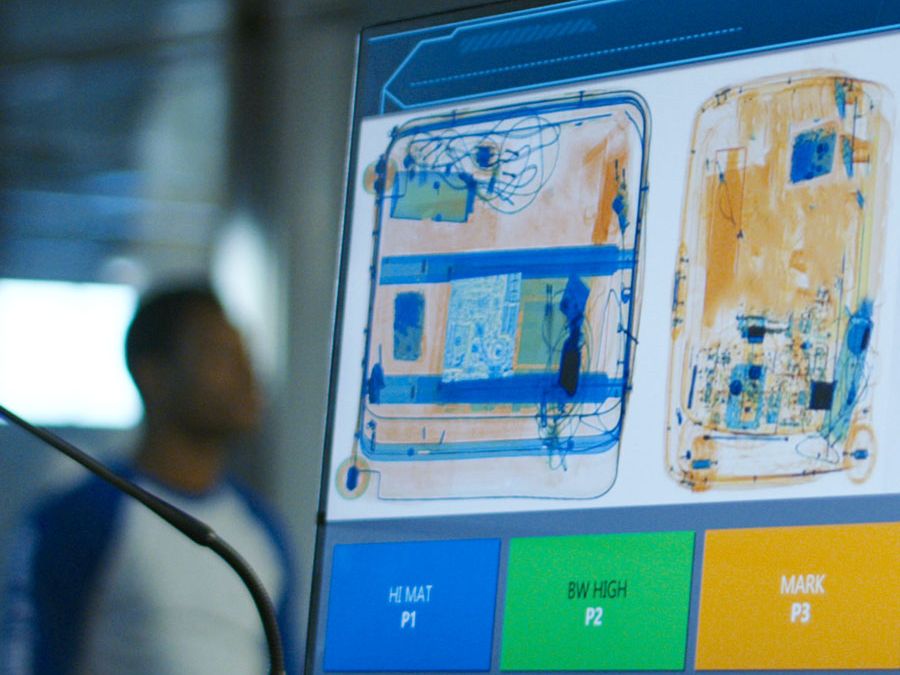
Just keep in mind that plants are still subject to security checks like any other item. This means the TSA may flag one as a security risk for any reason that an agent deems necessary. Should this happen, you may have to dispose of the plant.
Airline Policies May Differ

The TSA also advises travelers to contact their airline when traveling with plants. Even if the plant is allowed past the security checkpoint, each airline has its own policy regarding what’s allowed aboard the aircraft. Usually, if you can stow the plant under your seat or in the overhead bin, you’ll be allowed to travel with it, but it’s a good idea to contact the airline anyway to confirm.
States With Stricter Rules
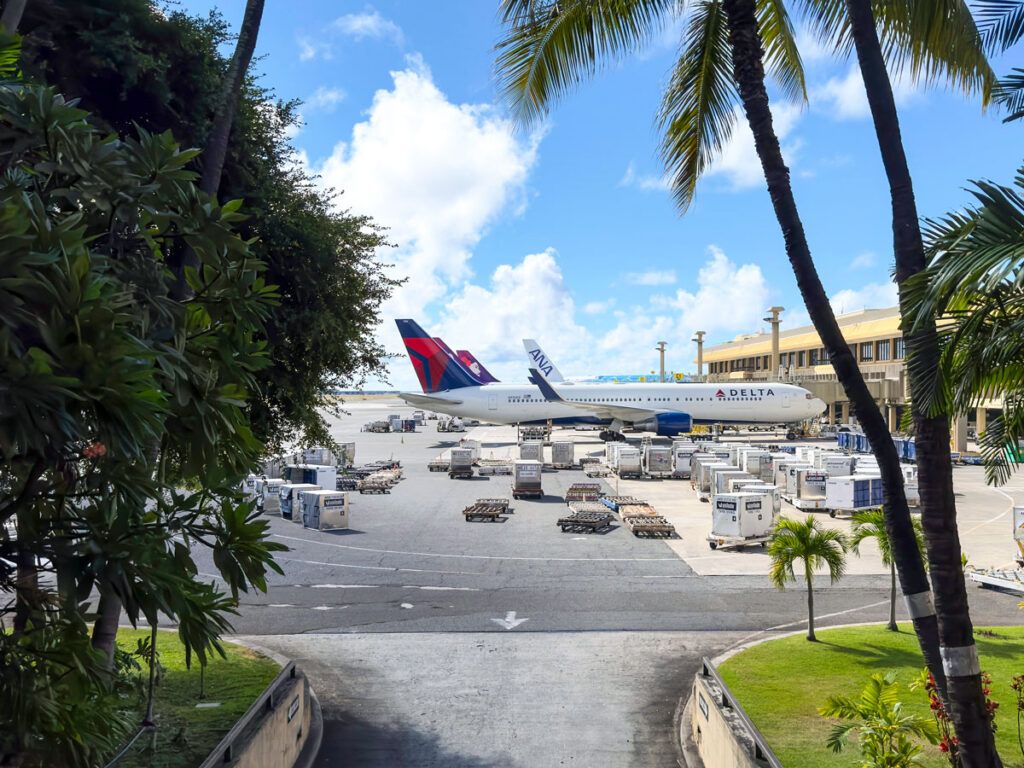
You may have noticed that Hawaii was omitted from the TSA’s X post. The Aloha State has a fragile ecosystem, and it strictly forbids importing potentially invasive vegetation that could wreak havoc on native plant life. All plants imported to Hawaii are subject to being thoroughly examined, undergoing a potential quarantine, and other strict measures.
If you’re attempting to bring a plant into Hawaii, expect to fill out a Plants and Animals Declaration Form (or the new digital alternative called Akamai Arrival). You must declare your plants and confirm that they are free of soil, insects, and disease. After arrival, you’ll need to have the plant examined at the Agricultural Inspection Counter. Any violation of these rules may result in penalties of up to $200,000 and five years in prison.
California also has strict environmental laws when it comes to importing plants. Even if the TSA lets you through security, be aware that bringing live plants into California can have serious consequences. For further information, check the California Department of Food and Agriculture website or contact the state’s Pest Exclusion Branch at (916) 654-0312.
Lastly, when traveling internationally, be aware that some countries may prohibit or restrict visitors from bringing certain vegetation. (Similar rules may apply when returning to the U.S.) If you’re traveling abroad with plants in your luggage, make sure to check ahead of time what rules and regulations apply to the country you’re visiting.
How To Fly With Plants

Now that you know when it’s OK to fly with plants, it may be useful to know the best way to pack them. Putting a potted plant in your checked bag could be risky due to temperature fluctuations in the luggage hold and baggage handling that could result in damage, so you’ll most likely want to carry the plant on the plane with you.
This Instagram video from the popular plant influencer account @theplantandthepour describes a few of the most common pitfalls people encounter when flying with plants, and how to handle them. To streamline the security screening, it’s important to make your plant easy to inspect. This means packing it so the officer can easily remove it from its container, examine the roots, and make sure that you’re not hiding anything inside.
It’s also worth noting that some plants are flagged because of excessive moisture, which may not come as much of a surprise given the TSA’s strict liquid rules. Avoid watering the plant on your day of travel — or at least until you’re beyond TSA and can do so at a water fountain.
Once you’re in the cabin, it’s a good idea to stash the plant at your feet. Placing it inside the overhead bin may result in the plant bumping around, which could damage the plant or cause leakage onto other people’s bags.
More from our network
Daily Passport is part of Inbox Studio, an email-first media company. *Indicates a third-party property.