




The First Thing You Should Do in a Hotel Room
The First Thing You Should Do in a Hotel Room

When you walk into a hotel room for the first time, you might be tempted to kick off your shoes, leap onto the bed, and turn on the TV. But before you get too cozy, there’s a task you should tend to first to ensure your room is really clean. As good as housekeeping crews are at tidying up hotel rooms before each guest, there are places where bacteria can lurk in plain sight. This is especially true in the bathroom, where moisture creates an ideal bacterial breeding ground. With that in mind, here’s one simple precaution to take before using your hotel bathroom.
What To Know About Legionella at Hotels
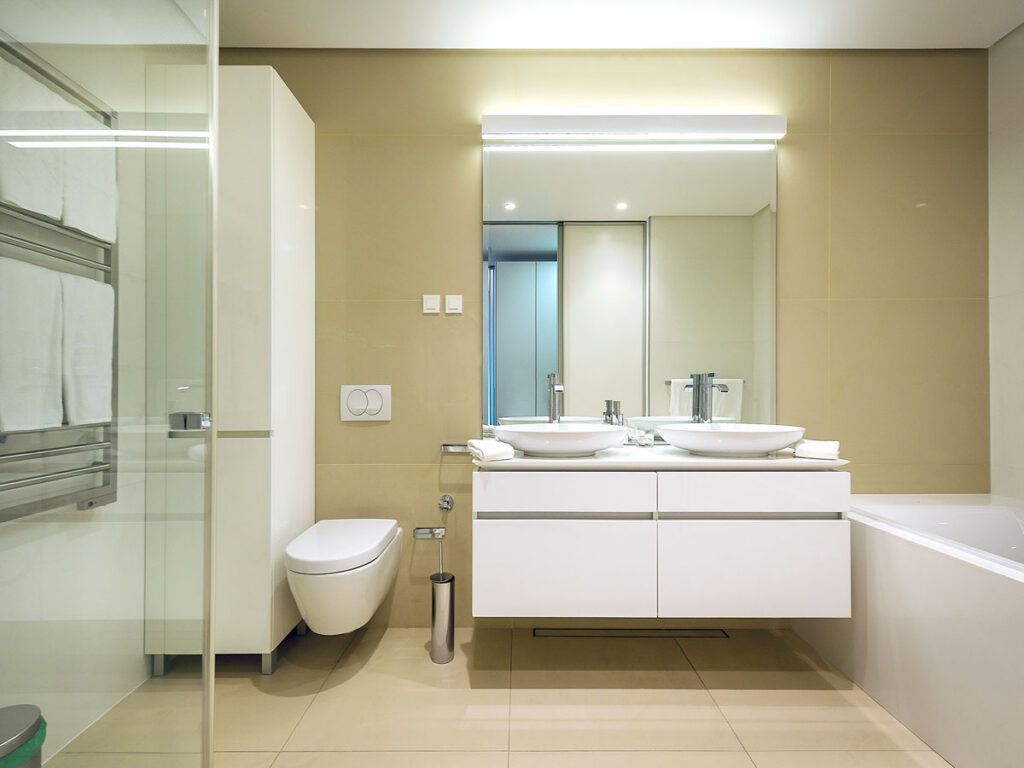
Legionella is a type of bacteria that inhabits natural freshwater environments, as well as human-made water systems such as showerheads, tubs, and faucets. The bacteria can aerosolize into a fine mist and be inhaled, which in turn can lead to serious ailments such as Legionnaires’ disease, a potentially fatal form of pneumonia. Thankfully, Legionella doesn’t spread in bathroom fixtures that are used regularly. But if a shower or faucet sits untouched, it can become an issue.
This brings us to hotel bathrooms. Legionella Control International, a group of microbiology experts dedicated to the control and management of the bacteria, warns that Legionella can spread in as little as two weeks in an unoccupied hotel room. The longer a shower goes unused, the more time the bacteria has to grow.
A study conducted by the Centers for Disease Control and Prevention between 2000 and 2014 supported these concerns. Although Legionnaires’ disease is still considered rare — affecting about 1.62 people out of 100,000 — the number of cases rose steadily over that time period. According to the CDC, hotels and resorts were responsible for the highest frequency of Legionnaires’ disease outbreaks of any institution, with 44% of recorded cases, followed by long-term care facilities at 19% and hospitals at 15%.
Legionella may not be a concern in popular hotels that are booked year-round, as guests regularly use the showers and flush bacteria from the system before it has time to grow out of control. But at a less popular or highly seasonal property, a room may sit unoccupied for weeks, and housekeeping may not always do a deep clean on each room before the next guest checks in. This can open the door to potentially harmful bacteria growing in the bathroom.
Let the Bathroom Fixtures Run
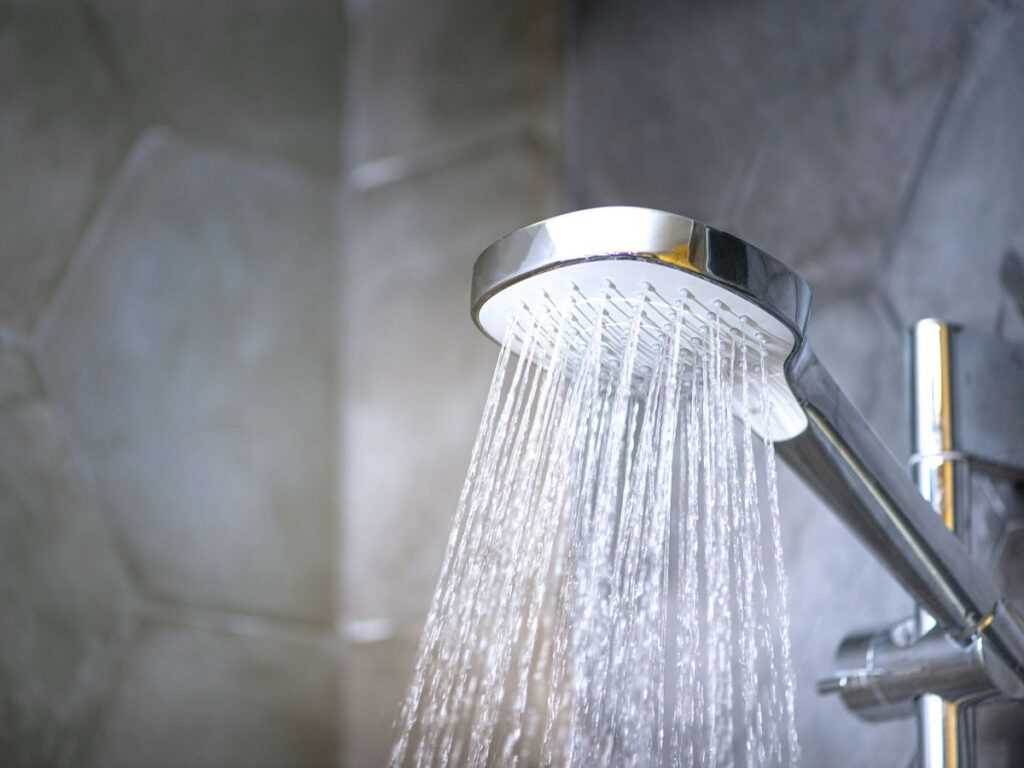
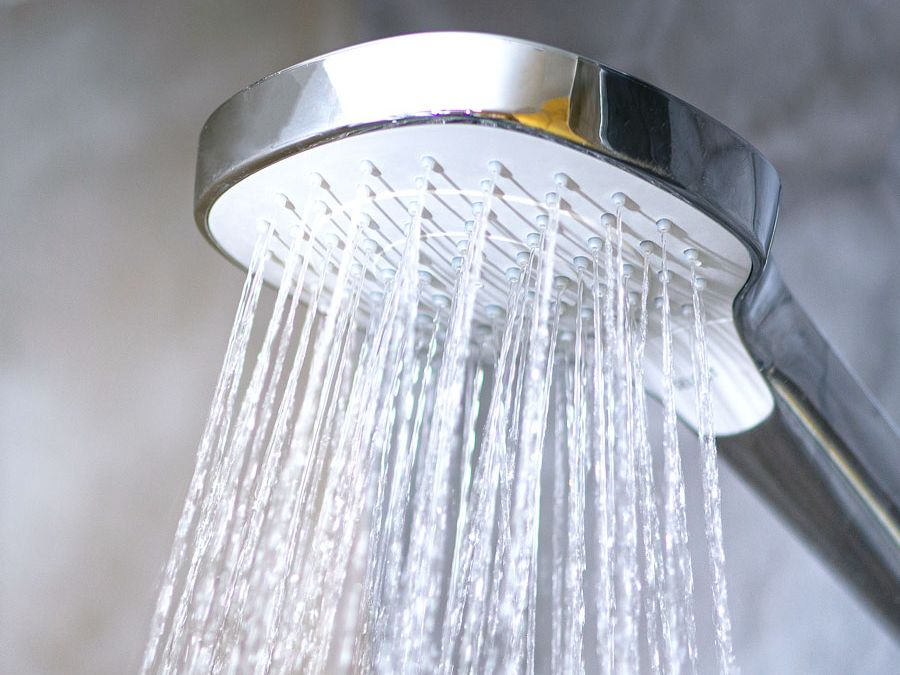
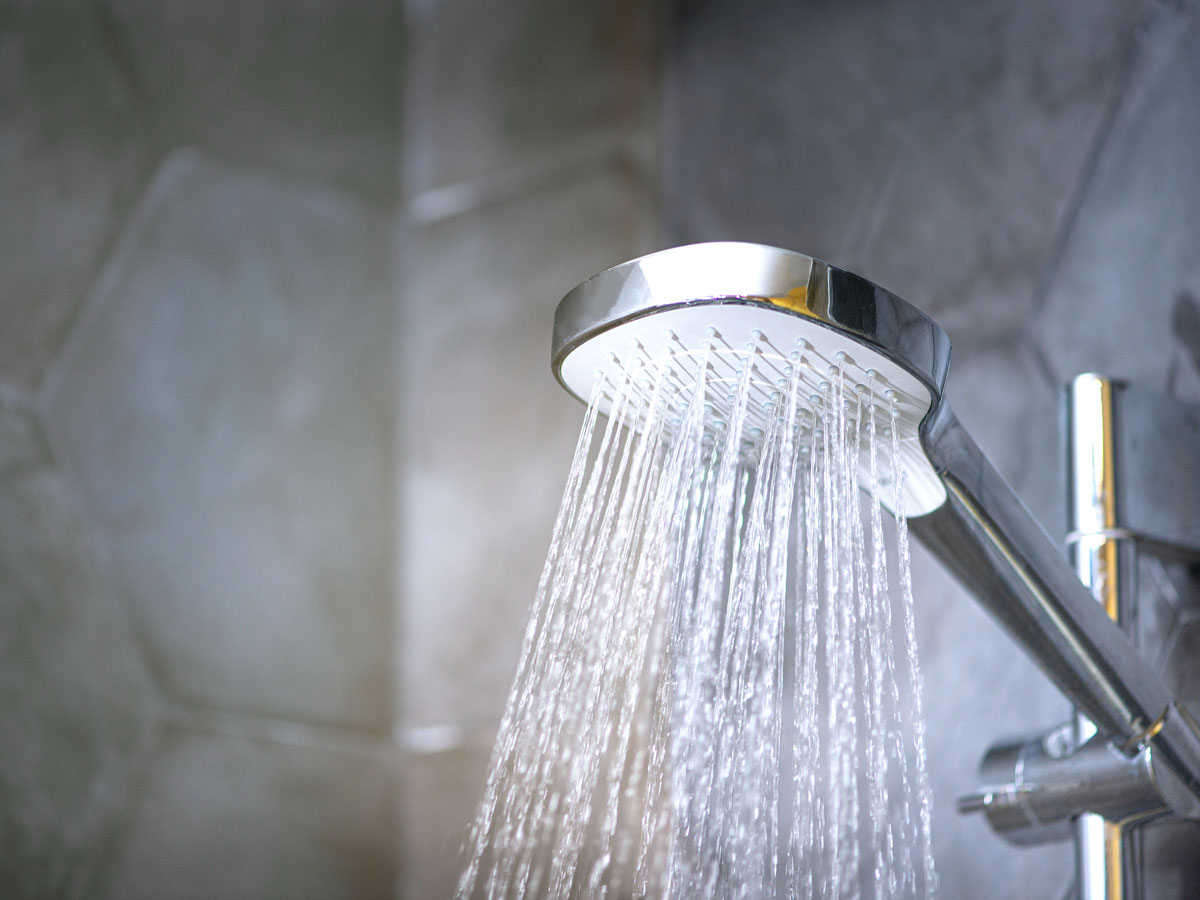
The good news is that even if Legionella spreads through a hotel showerhead, it can be flushed out in mere minutes. For this reason, Legionella Control International advises all hotel guests to run their shower at the hottest possible temperature for five to 10 minutes. It’s also a good idea to leave the room and shut the door so that you don’t accidentally inhale any vapors containing bacteria.
While you’re at it, do the same with the tub faucet, the sink faucet, the kitchenette faucet, or any other source of running water in the hotel room that you can control. This decreases the risk that you’ll contract any harmful diseases when using the hotel room’s bathroom. It’s quick and simple to flush out these systems as soon as you start your stay.
Though Legionella test kits do exist, they’re rather expensive and impractical to use for each hotel stay. For most travelers, the best option is to let the water run for a few minutes as we described above.
Additional Concerns
It’s also prudent to exercise caution around hot tubs, though less so at hotels where they’re used and maintained with regularity. But if you’re staying at an Airbnb, Vrbo, or similar rental property where the hot tub may be used less often, bacteria could be more of a concern. According to the CDC, half of people surveyed from January 2014 to December 2021 who contracted Legionnaires’ disease reported using a hot tub during their vacation. You can always contact the owner to ensure that the hot tub is used and maintained frequently.
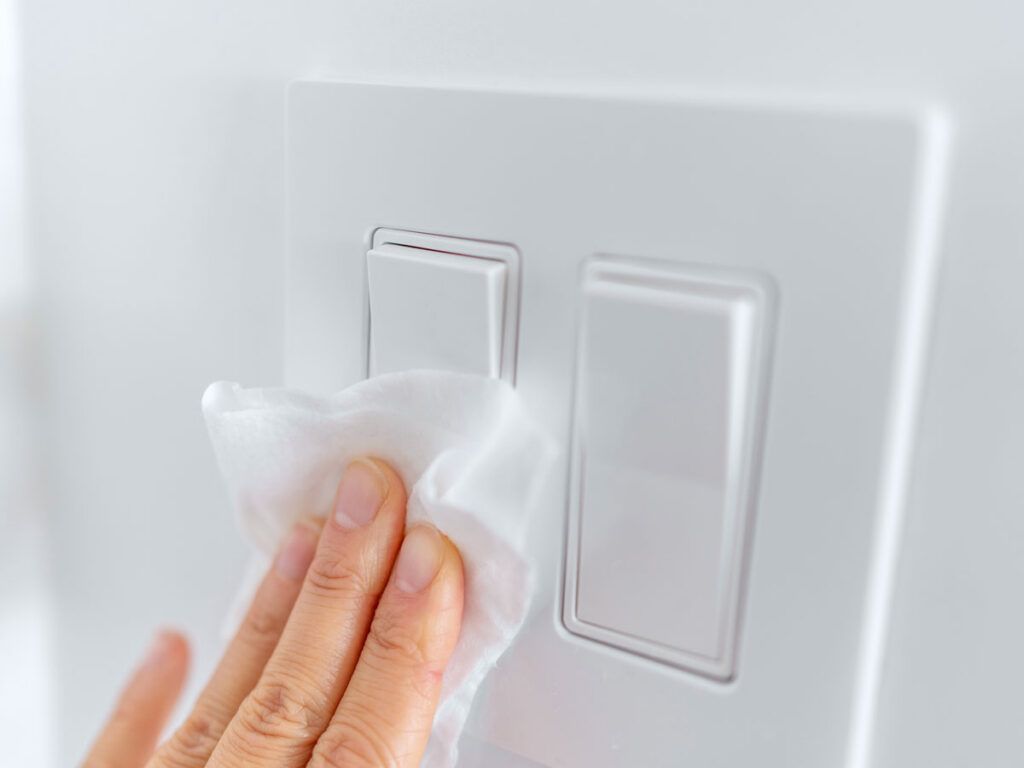
Ultimately, Legionella is only one concern with hotel cleanliness. There are other notoriously dirty parts of a hotel room, such as the ice bucket or the TV remote. The more you can educate yourself about them, the better off you’ll be in preventing the spread of potentially harmful bacteria. One simple step you can take is traveling with disinfecting wipes and using them to wipe down any common touchpoints such as door handles, faucets, and light switches.
More from our network
Daily Passport is part of Inbox Studio, an email-first media company. *Indicates a third-party property.