





7 Things Flight Attendants Would Never Do on a Plane
7 Things Flight Attendants Would Never Do on a Plane
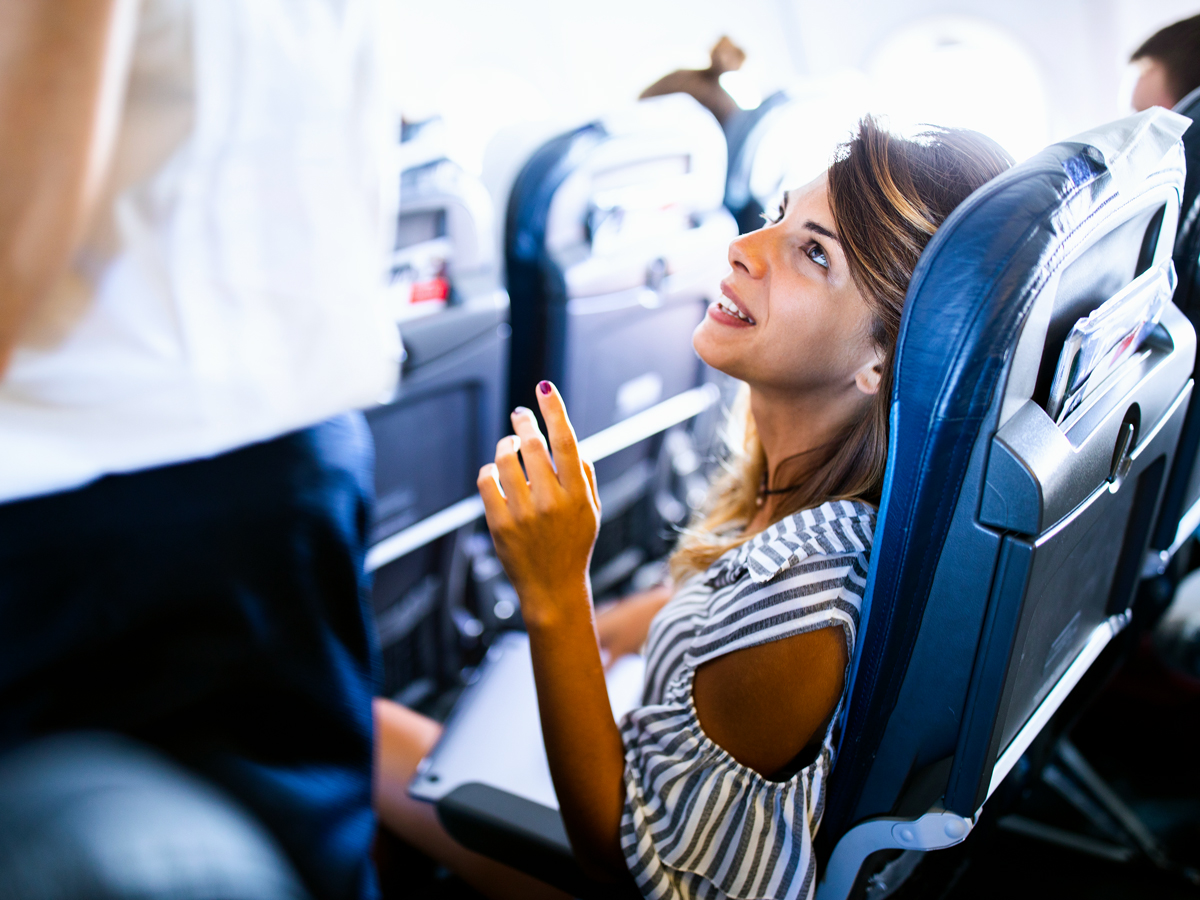

After regularly spending upwards of 90 hours per month in the sky, flight attendants know a thing or two about how to fly. When they’re off duty and traveling as passengers themselves, flight attendants tend to approach their trip with the perspective they’ve learned on the job. Here are seven things flight attendants would never do on a plane.
Use the Call Button Unless It’s Necessary
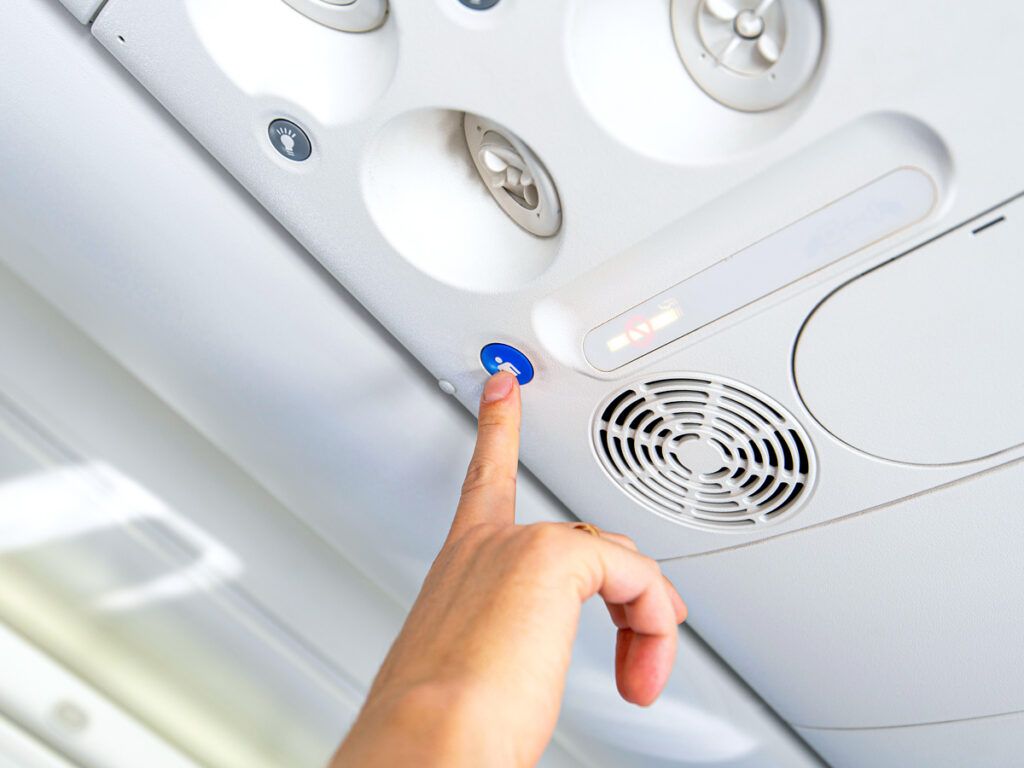
Having worked countless flights, flight attendants understand how service moves through the cabin and how small interruptions add up, leading to more pressure during already busy moments. So when traveling as passengers, flight attendants try to time requests intentionally. Some even make it a point not to use the call button at all, with several flight attendants commenting in a Reddit discussion that their priority when flying as a passenger is to stay put, not ask for anything, and not press the call button unless it’s actually urgent.
Touch Other Flight Attendants
Flight attendants often report being tapped on the shoulder, touched on the arm, or physically stopped while moving through the cabin. While it isn’t malicious in the vast majority of cases, frequent physical contact can still feel violating to a flight attendant. So, when they travel as passengers, you can expect that crew members are especially careful to avoid doing the same. Instead, they might use a verbal cue or a wave to get the attention of the working cabin crew.
Expect Special Treatment
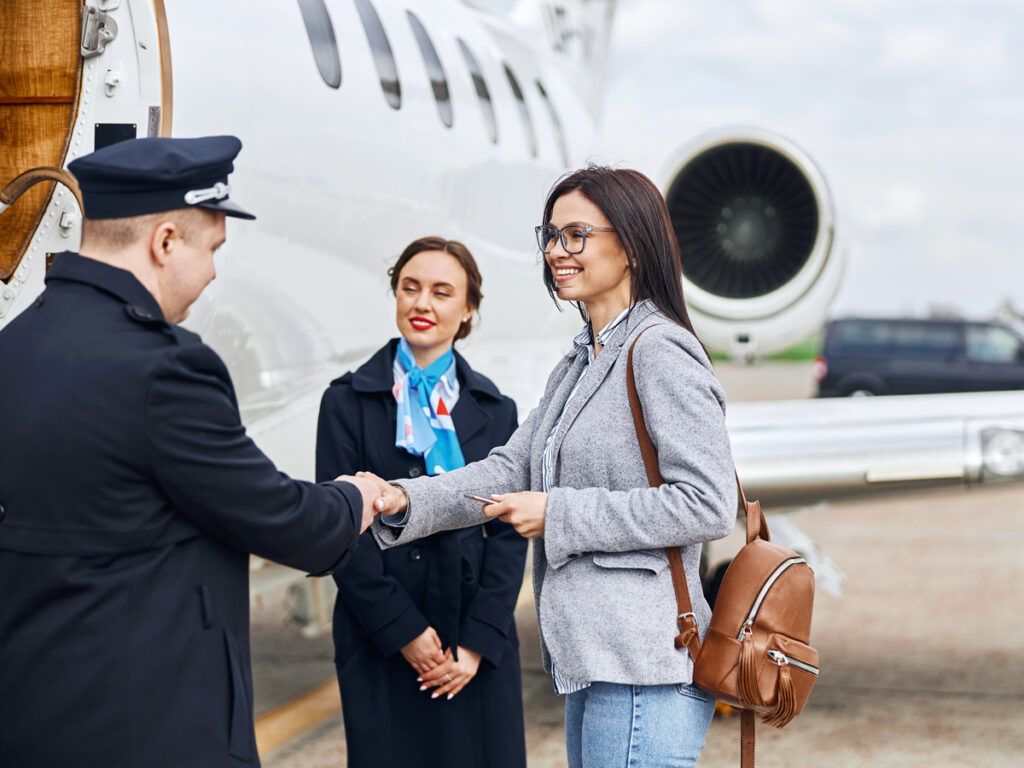
Flight attendants typically aim to be low-maintenance passengers. After spending their workdays managing requests and adapting to constant operational changes, most simply want an uneventful flight when the roles are reversed.
Many crew members travel on “nonrev” (nonrevenue, or free or discounted) tickets, and will often introduce and identify themselves to a flight crew with a quick “hello” or “thank you” as they board or exit. This isn’t because they expect special treatment, but because they like the crew to know they’re there if needed, according to flight attendants on Reddit. If they’re traveling on their own dime, however, they’ll typically act as normal passengers, with many saying in online industry discussions that they keep to themselves and try to minimize requests.
Get Too Comfortable When the Seat Belt Sign Is Off
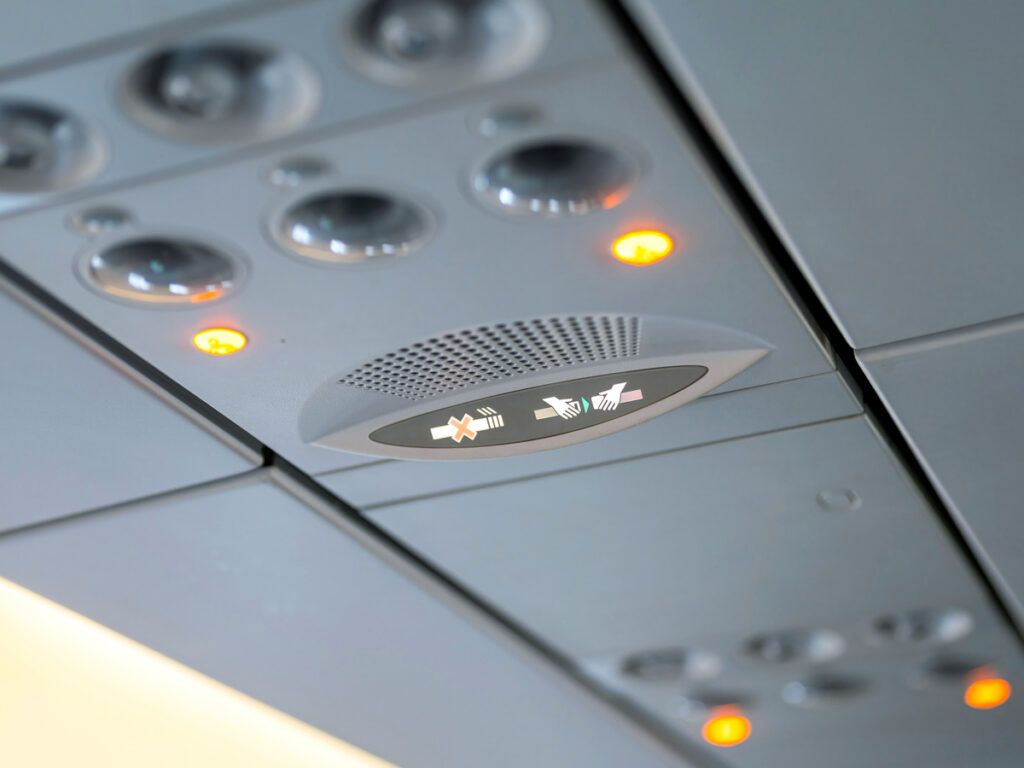
Experienced crew members know just how troublesome turbulence can be. While passengers often interpret the seat belt sign as a flexible guideline, flight attendants agree that, whether working or off duty, it’s important to keep that seat belt fastened whenever they’re seated, even if the sign is off.
Conditions can change quickly in the sky, and unexpected turbulence remains one of the most common causes of in-flight injuries. Flight attendants have seen this firsthand, so they tend to stay disciplined about staying seated and buckled when they can.
Hang Out in the Galley
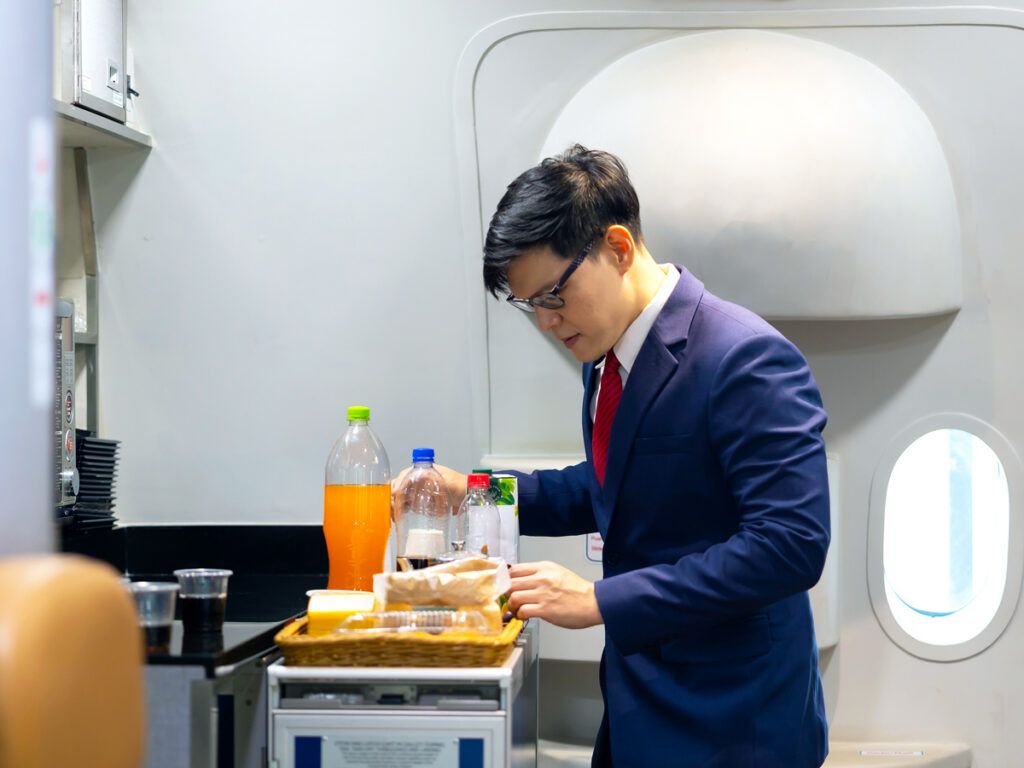
The galley serves multiple roles on an aircraft: workspace, storage area, service station, and in many cases, the only place where flight attendants can briefly reset between duties. That makes it one of the most operationally important areas of the cabin, but because it is also one of the few relatively open spaces, people sometimes loiter if they’re up for a quick stretch or waiting for the lavatory.
The galley is still quite small, however. So when they’re traveling off duty, flight attendants are especially mindful of this space — even brief congestion can slow down service or create unnecessary risk if turbulence hits or when carts are in motion.
Assume They’ll Be Able To Switch Seats
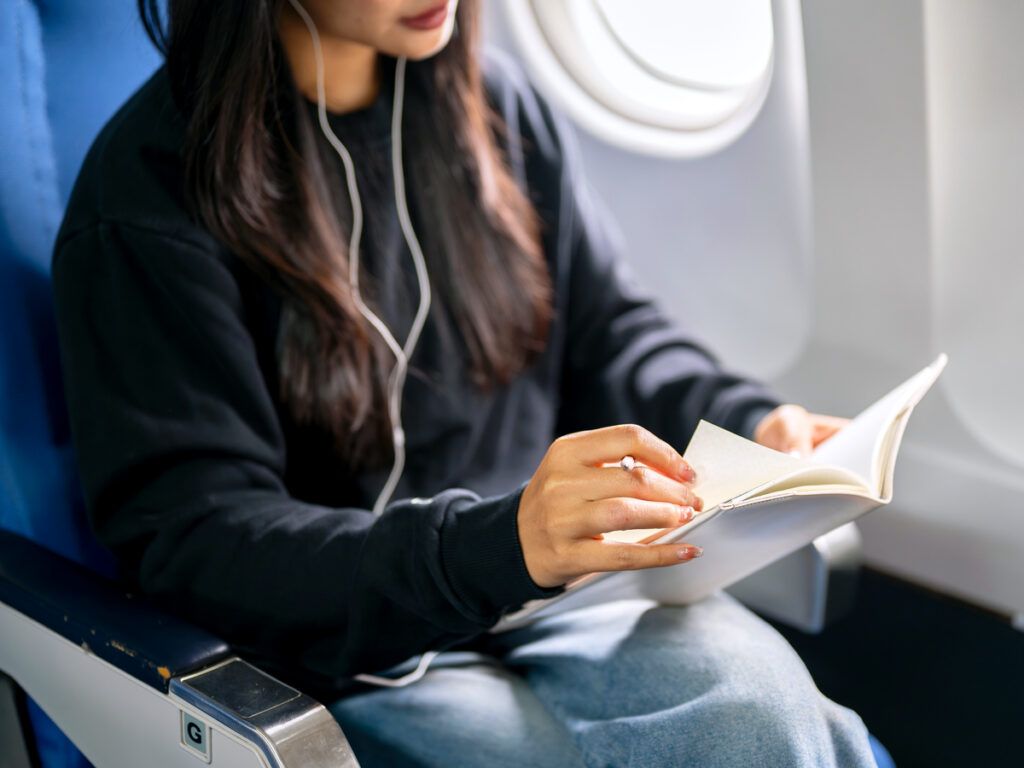
When they travel for leisure, especially if they’re flying on standby or nonrevenue tickets, flight attendants often have no control over where they’re seated and probably won’t ask to switch.
Flight attendants are aware that seat assignments are tied to much more than just someone’s personal preference. Some seats are purchased at a premium, while others may be assigned for weight and balance considerations, so full flights rarely leave room for adjustment. All of this helps flight attendants take a more pragmatic approach: Once a seat is assigned, it’s usually easier to accept it than to try reshuffling the cabin.
Forget That Flight Attendants Are There for Safety First
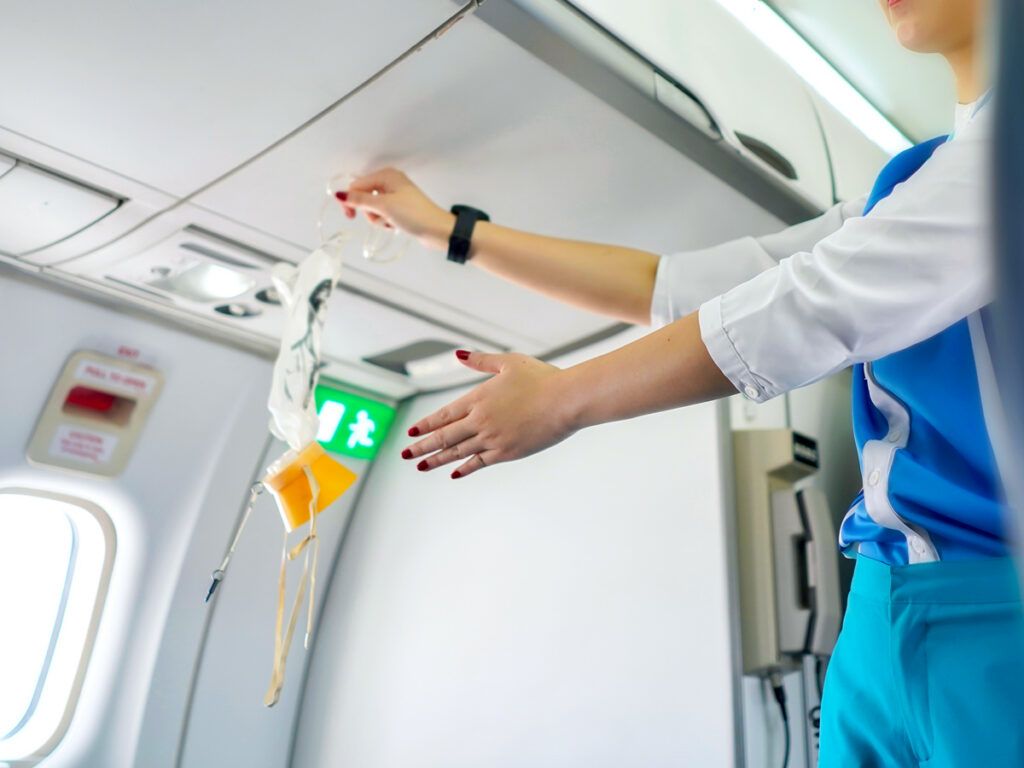
Some passengers think of flight attendants primarily in terms of service, such as for drinks, snacks, or other requests as needed. But crew members are trained first and foremost in safety procedures, and that knowledge tends to shape how they travel when they’re off duty as well.
Flight attendants are responsible for tasks such as emergency response, medical assistance, evacuations, and coordination with the flight deck. As passengers, they remain in tune with cabin operations and are likely to quickly comply with any instructions and directions that may be given.
More from our network
Daily Passport is part of Inbox Studio, an email-first media company. *Indicates a third-party property.