





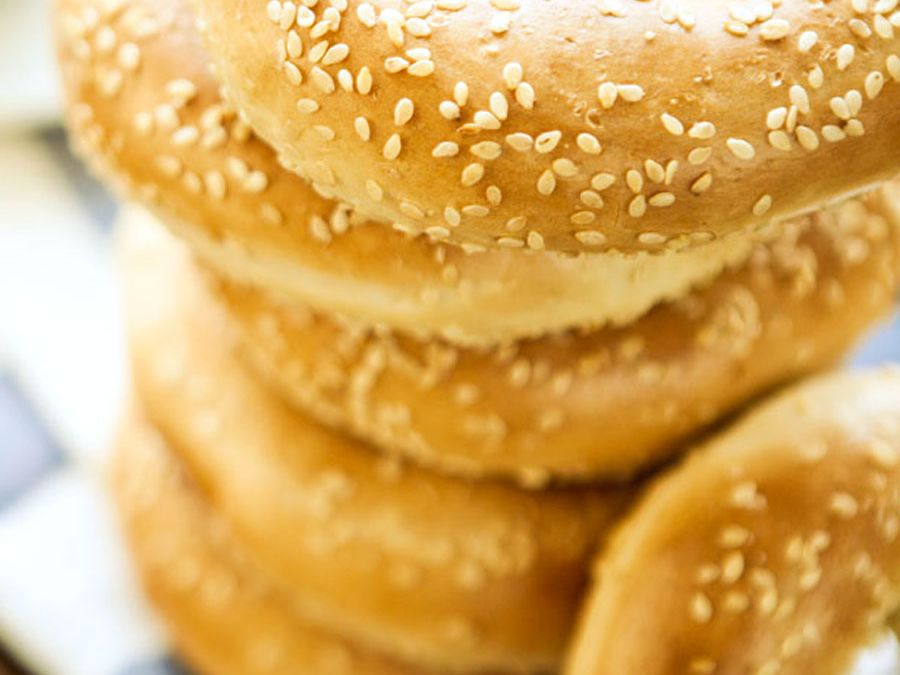
This North American City Is an Underrated Bagel Capital
This North American City Is an Underrated Bagel Capital
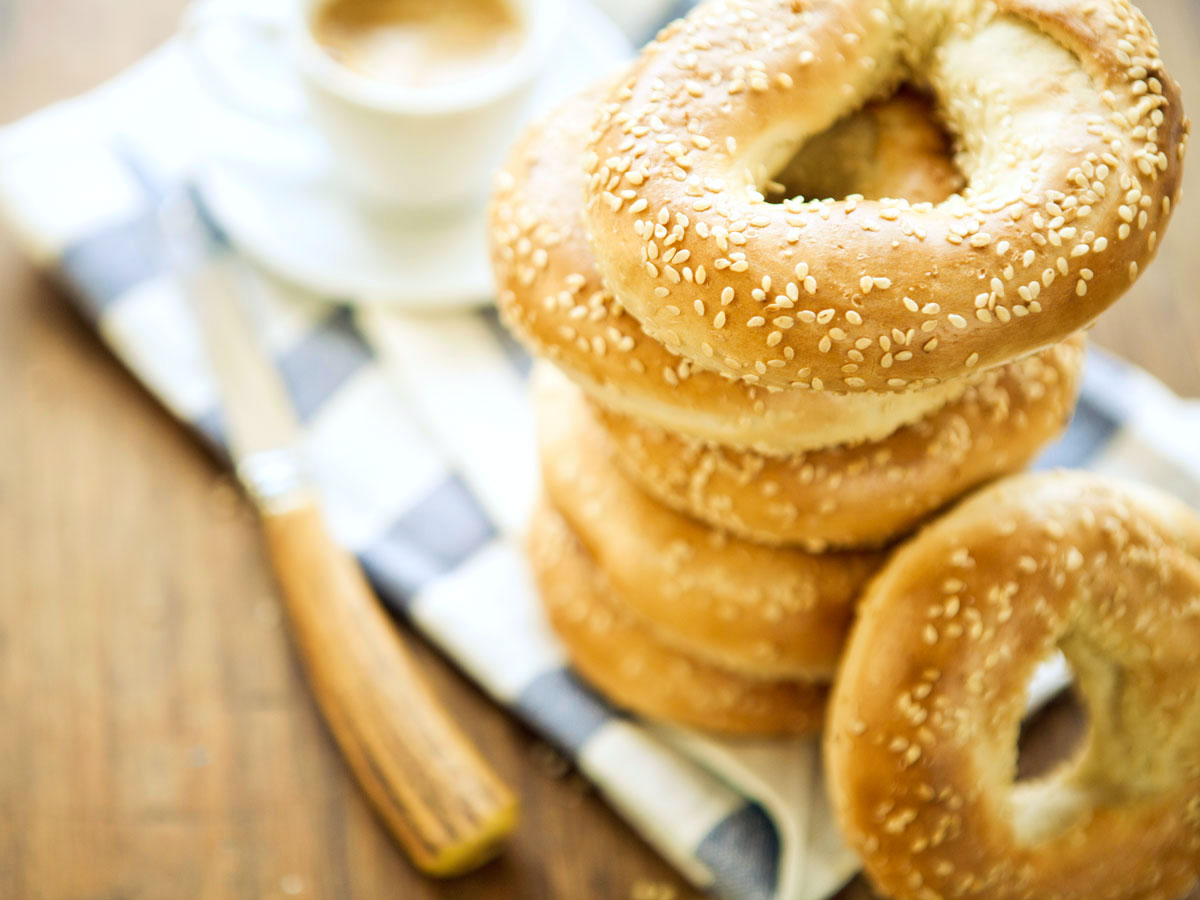

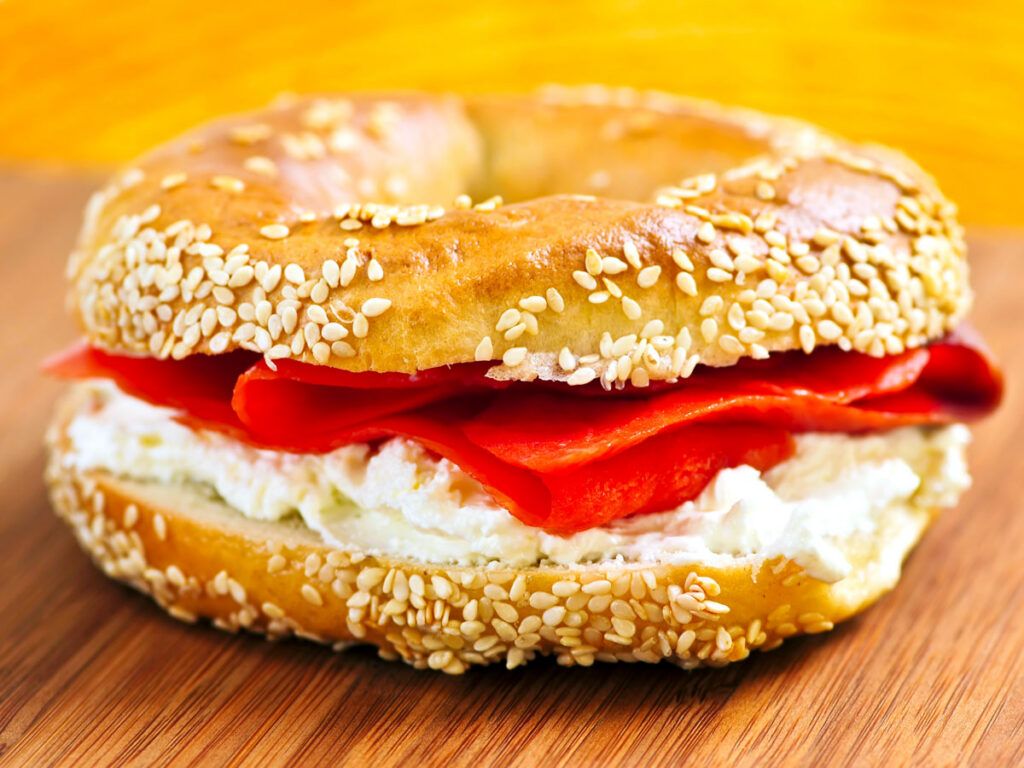
Bagels were brought to North America in the late 19th century by Jewish immigrants from Poland, where the ring-shaped bread had been a breakfast staple since the 14th century. Today, while you can find quality bagels across the continent, there’s one city that’s more associated with this beloved food than any other: the Big Apple. In New York, bagels are sold everywhere from street vendors to trendy cafes, and there are many ways to enjoy one, from an everything bagel toasted with cream cheese to a traditional one topped with lox, schmear, capers, red onions, and fresh tomato.
But there’s another North American city where the bagel reigns supreme — and it doesn’t get nearly as much hype as it should. Here’s a brief, fascinating history of why, for many, Montréal rivals New York for the continent’s best bagel.
It’s All in the Dough
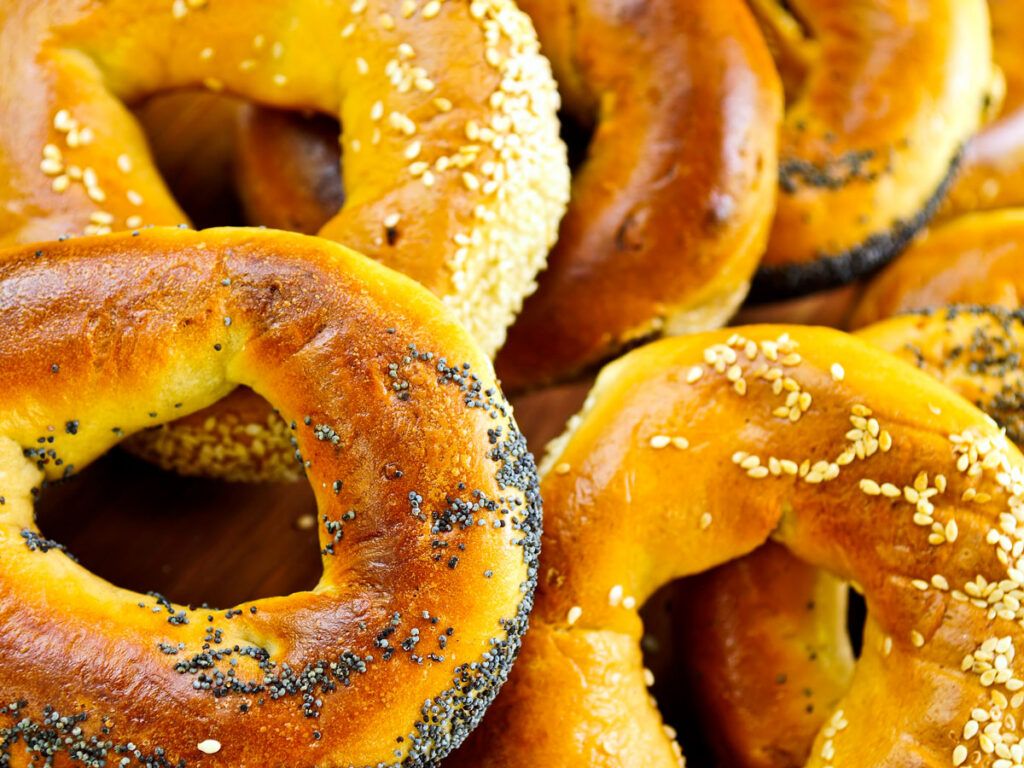
If you’ve never tried a Montréal-style bagel, you might do a double take when you see one up close. Unlike the pillowy dough found in New York’s bagels, Montréal’s take on the breakfast food is much thinner — with an irregular, hand-rolled shape and a wider center.
The bagels here earn their deep golden-brown color from being boiled in honey-sweetened water and baked in a wood-fired oven. Generously coated with poppy or sesame seeds, the Canadian bagel is sweeter and nuttier than its saltier New York counterpart, which is made from both salt and eggs (two ingredients Montréal bakers leave out).
Because the dough itself is sweet, crunchy, and flavorful, Montréal-style bagels typically don’t need many toppings. The traditional way to eat one is fresh out of the bag, cream cheese optional. And there are generally far fewer flavor options — sesame and poppy seed account for roughly 90% of sales. Québécois will also eat the delicious dough any time of day, including for lunch or after dinner or a night out.
The Origins of Montréal Bagels
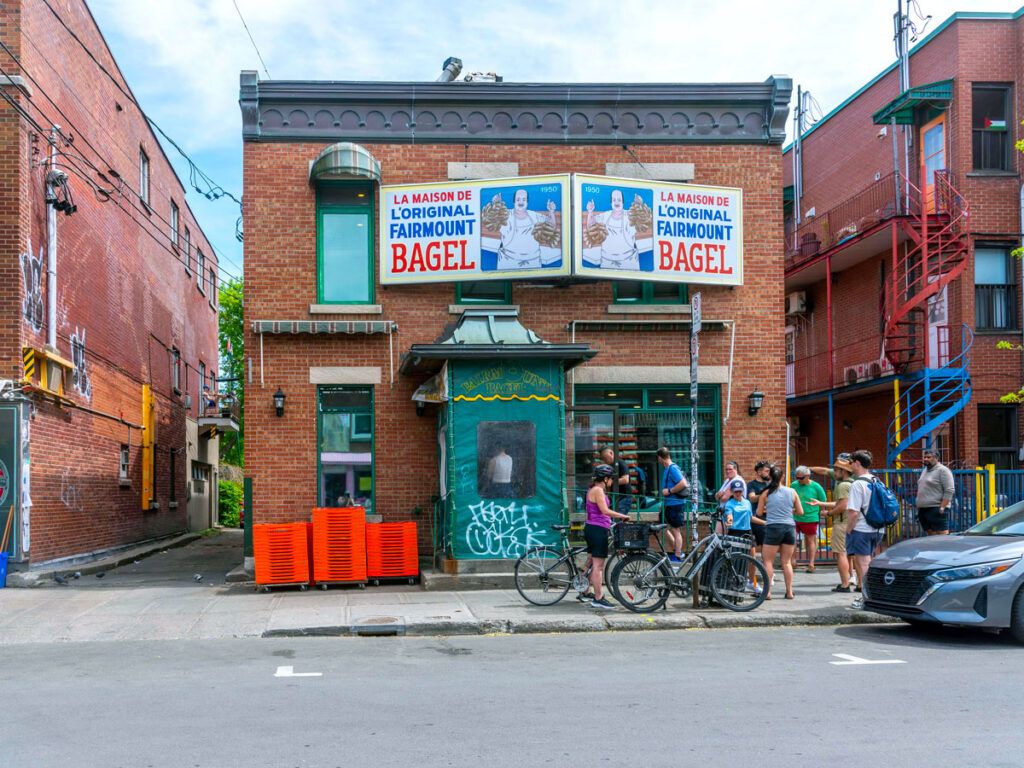
Similar to New York bagels, Montréal-style bagels were developed by Jewish immigrants in the early 1900s. The first recorded bakery that made bagels in the city was the Montréal Bagel Bakery, located off Boulevard Saint-Laurent (locally known as “The Main”) in 1919. The bakery was operated by Isadore Shlafman, a Russian baker who immigrated to Canada. In 1949, Shlafman moved his business to Fairmount Street, where the bakery still operates today as Fairmount Bagel.
Another Russian immigrant baker, Chaim (Hyman) Seligman, is also believed to have been one of the first bagel bakers in Montréal. In the early 1900s, he used to string bagels together and sell them from a pushcart, horse, and wagon — and eventually a converted taxi. Seligman founded the St-Viateur Bagel Shop, another historic place to sample the delicacy in the Mile End neighborhood.
Where To Try One
Today, St-Viateaur and Fairmount Bagel are still the most popular and legendary joints in the city. Outside of the classics, M.T.L. Bagel in Côte Saint-Luc, Bagels on Greene in Westmount, Brossard Bagel Inc. in Greenfield Park, or Bagels Le Trou in Griffintown are other favorites.
More from our network
Daily Passport is part of Inbox Studio, an email-first media company. *Indicates a third-party property.