


The Reason Most Airplane Seats Are Blue
The Reason Most Airplane Seats Are Blue
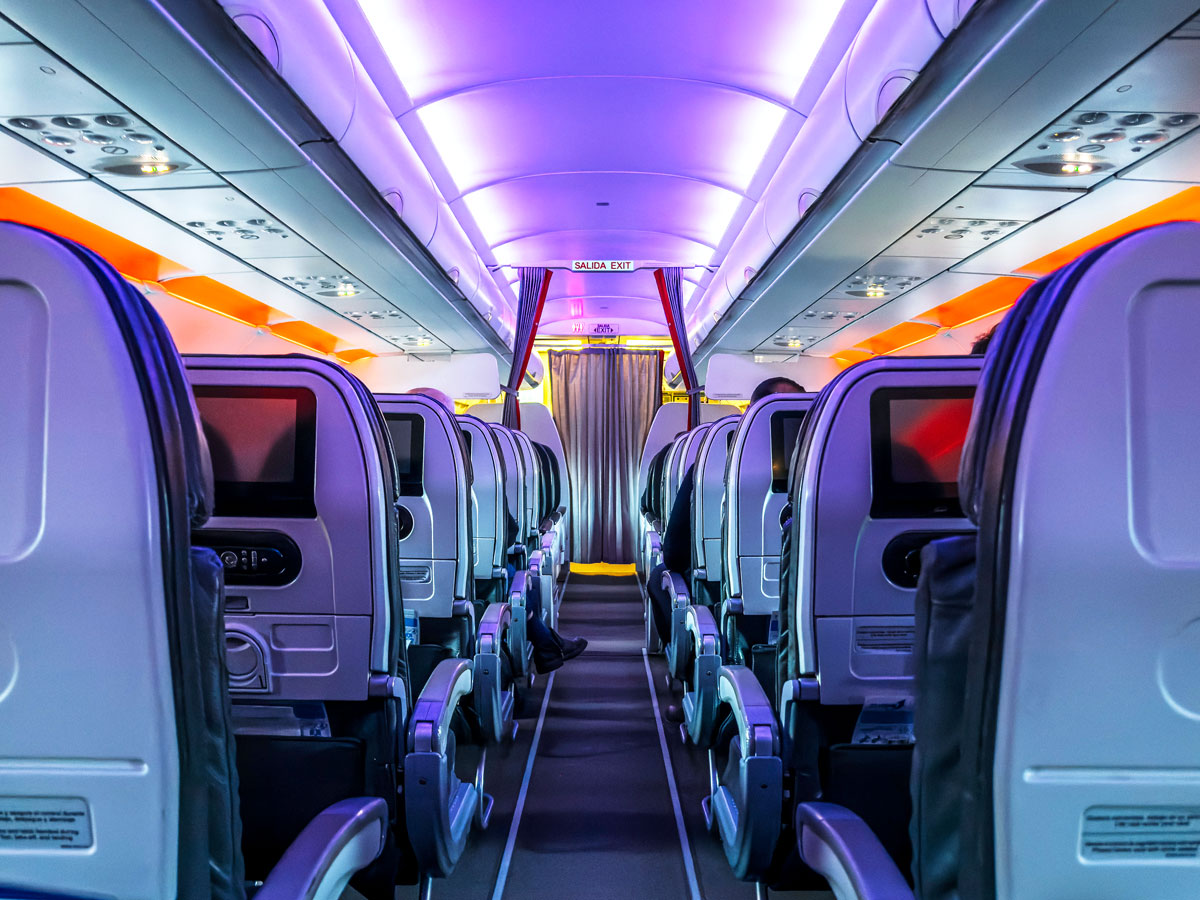

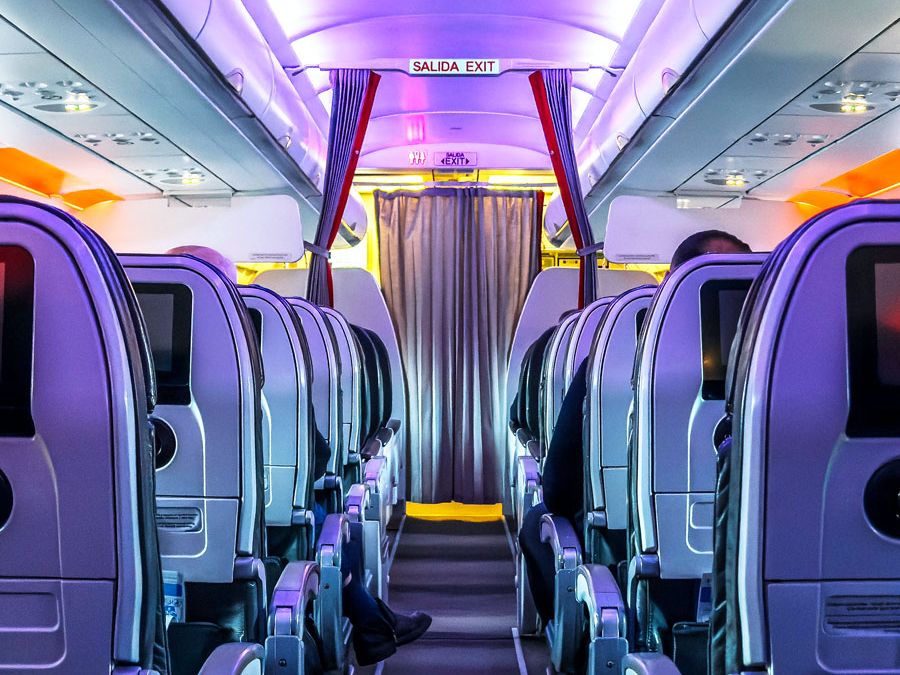
Whether you fly United, Delta, Southwest, or another major airline, the odds are high that you’ll end up sitting in a blue seat. By some estimates, as much as 80% to 90% of airplane seats feature some shade of blue. This is more than just a coincidence — there are reasons why so many airlines choose the color blue for seating. Not only do these blue seats offer practical benefits, but the color blue also has surprising psychological benefits. Here’s a closer look at why passenger planes typically have blue seating.
Blue Helps Conceal Visual Flaws
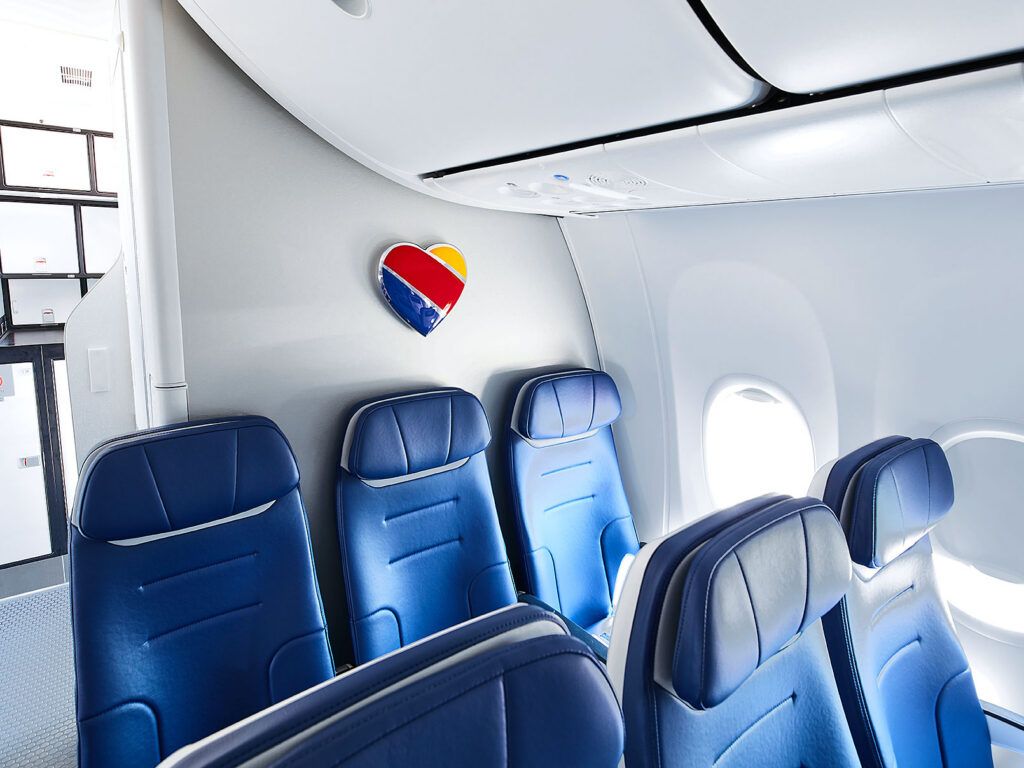
With so many passengers spilling drinks and eating crumby foods, airplane cabins inevitably get dirty. While crews clean cabins regularly, they can do only so much to get rid of wine stains and other pesky blemishes in the short time between flights. Plus, seats wear down the more that people sit in them. To help conceal those stains and wear, many airlines rely on dark blue seating.
In an interview with Reader’s Digest, travel expert Rishi Kapoor explained that dark blue does a better job than other colors and tones in hiding imperfections. By installing dark blue seating, airlines can mask visual flaws and avoid the frequent need to refurbish or replace those seats.
Blue Makes People Feel Calm
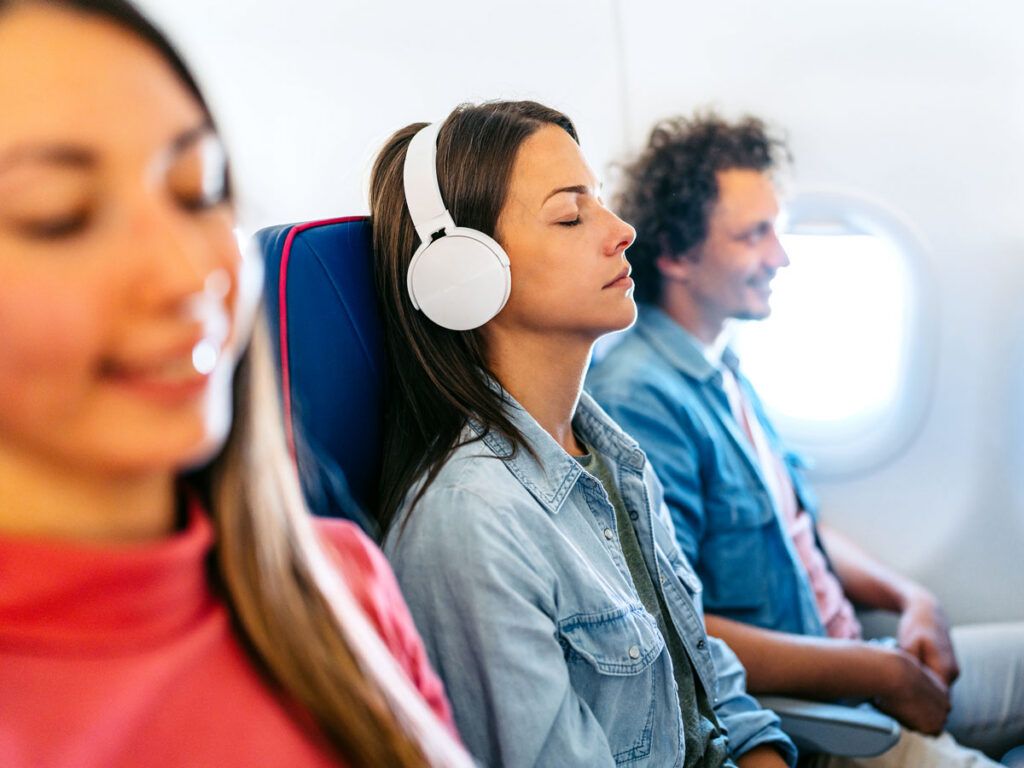
Whether you’re an anxious flyer or not, you probably want to have as pleasant and calm a flight as possible. The color blue can help you achieve that. As aircraft manufacturer Boeing explained, “Color psychology plays an important role in developing the overall look [of an airplane cabin].” According to color psychologists, blue is a soothing color that promotes tranquility, trust, and dependability.
Blue is also widely viewed as a positive color across a variety of cultures. So, no matter where a plane’s passengers are from, they’re likely to feel an instinctual sense of tranquility if blue tones are found throughout the cabin.
Blue Makes Flyers Feel Cool
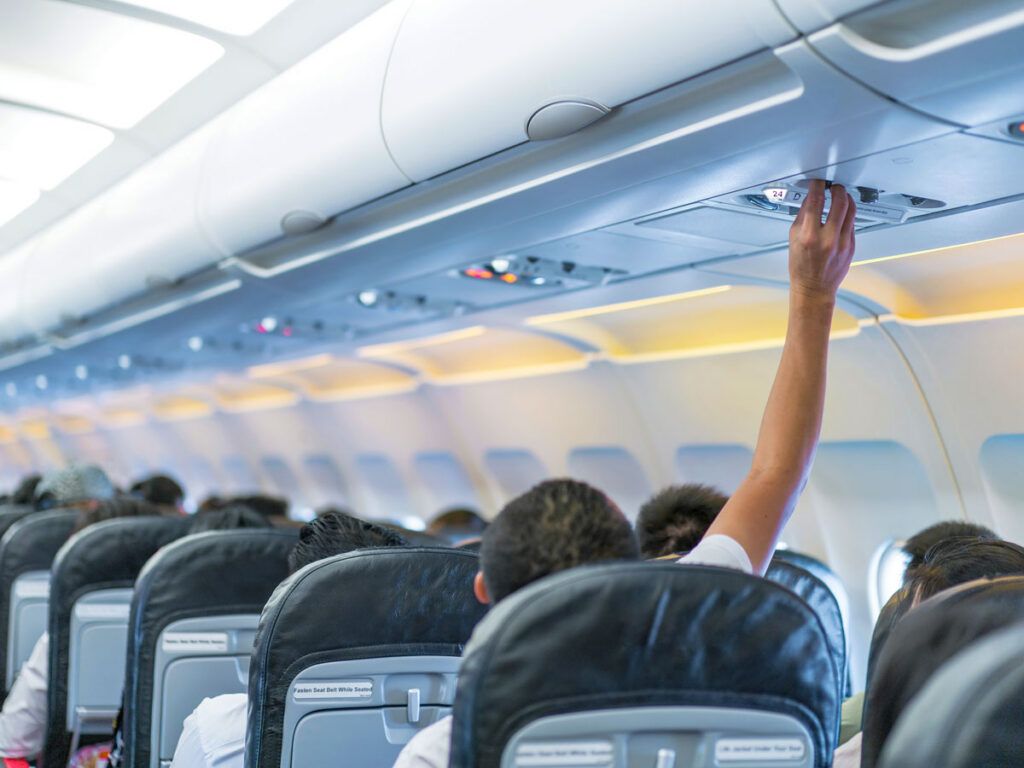
Airlines try to keep airplane cabins cool for a variety of reasons, a major one being to lessen the risk of temperature-related medical incidents. While this is achieved through turning down the thermostat, airlines also use blue seating to essentially “trick” passengers into feeling colder.
Color psychologist Virginia Tripp explained to Boeing that “colors can influence a person’s perception of humidity, temperature, and aroma.” Research suggests the color blue can even lower a person’s heart rate and body temperature. Similar colors such as gray also have this effect, which is why gray is another popular choice for airplane seats.
Blue Works Well With Lighting
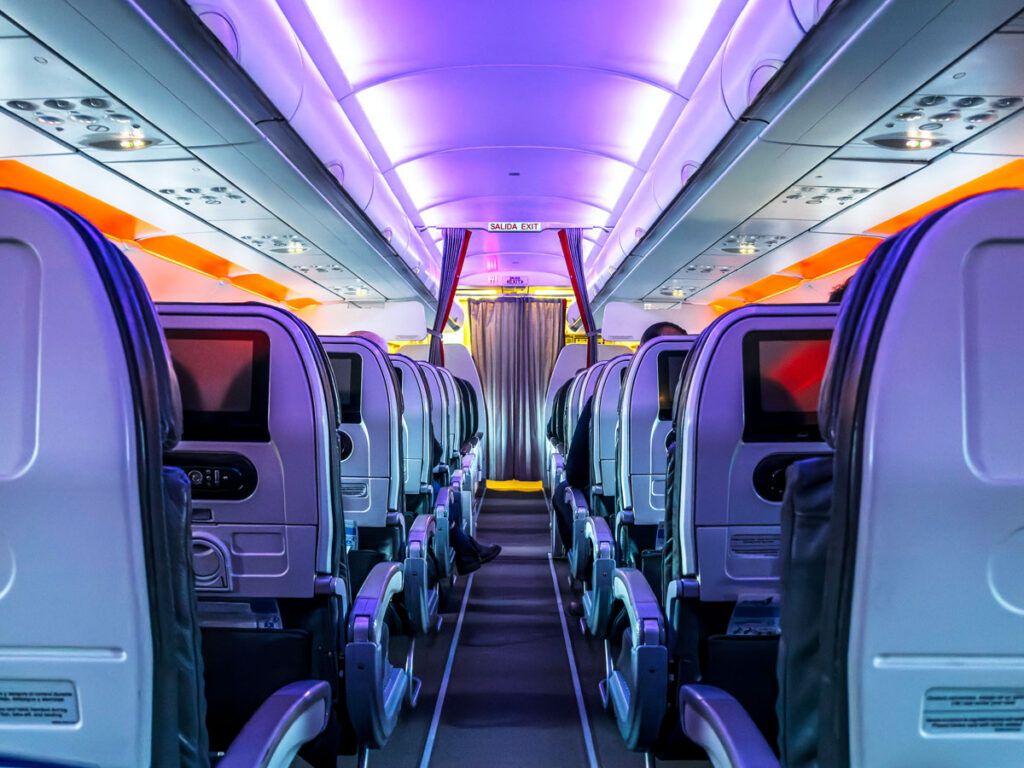
Blue seats also blend in well with the LED lighting often used in aircraft cabins. Many airlines use LED lights tinted purple or cool white as part of an effort to minimize jet lag. Blue seats work in harmony with those colors, creating a more cohesive feeling throughout the cabin, and thus a more relaxed vibe.
Blue Represents Brand Identity
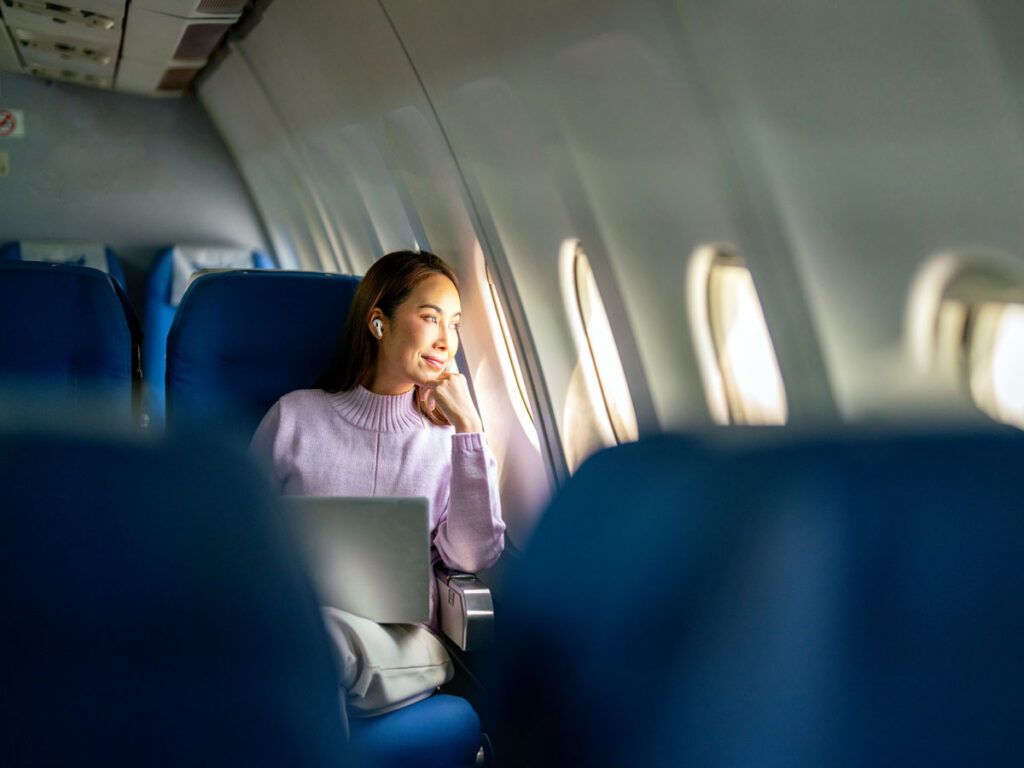
Though the color blue may have initially been selected for practical and psychological reasons, it has since become part of the branding for many airlines, such as United, Air France, KLM Royal Dutch Airlines, and, of course, JetBlue. And usually, there’s no incentive to change that. The more familiar the flying experience is, the more relaxed passengers are likely to be on their journeys.
More from our network
Daily Passport is part of Inbox Studio, an email-first media company. *Indicates a third-party property.