



10 Regional U.S. Slang Words You Should Know
10 Regional U.S. Slang Words You Should Know

English may be the official language of the United States, but each of its 50 states prides itself on having its own colloquialisms — thanks to the country’s melting pot heritage and multiplicity of languages and cultures. That cultural mix has resulted in some interesting twists on everyday words. Here are 10 fascinating regional slang words you’ll hear throughout the U.S. and where they came from.
Jawn – Philadelphia, Pennsylvania
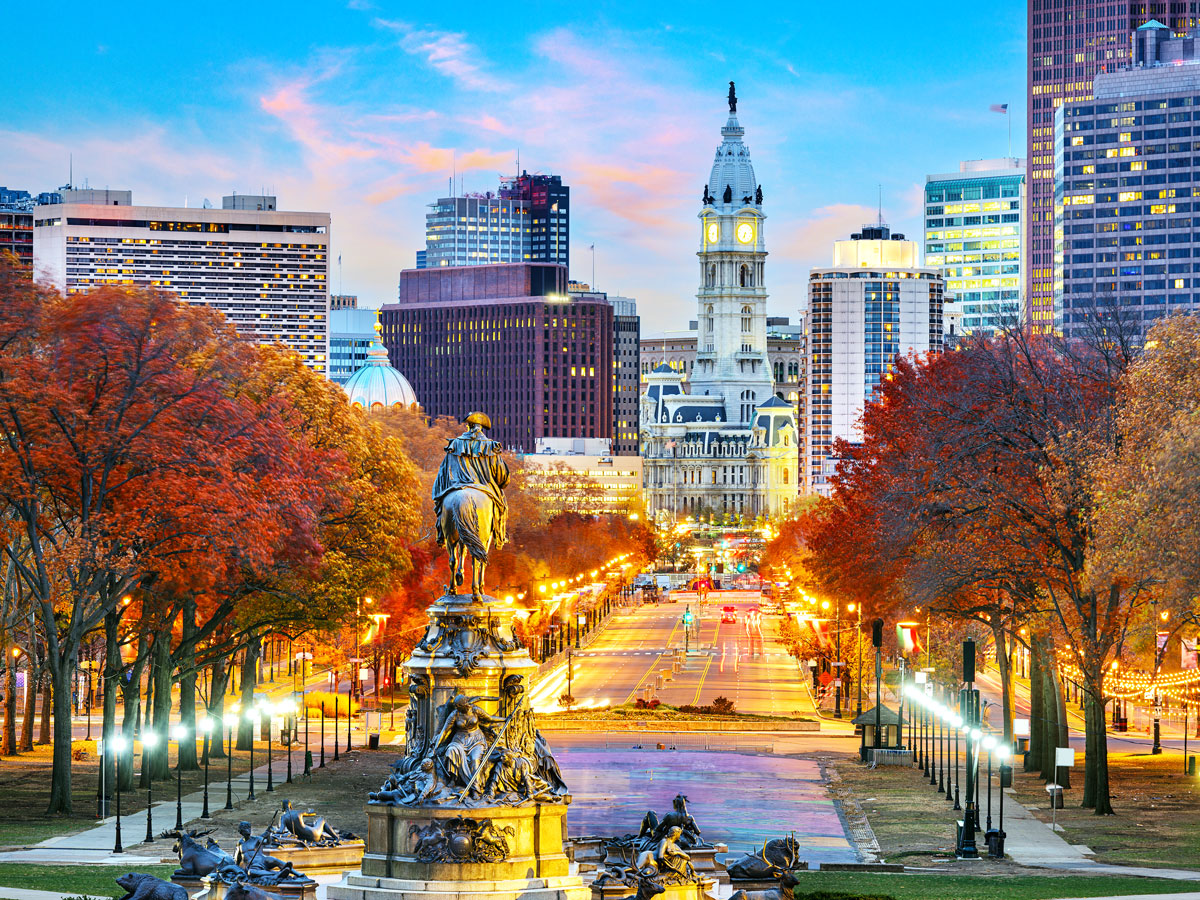
You can toss the word “jawn” in for just about any noun and be perfectly understood in Philadelphia. That’s because “jawn” is a catch-all slang term for a person, place, or thing. The loose meaning of the word may be confusing to visitors — it has no equivalent in English or any other language.
While strongly associated with Philly, the word likely originated in New York City instead. “Jawn” probably comes from the slang word “joint,” a term used to describe a dining establishment. (For example, “That’s a good burger joint.”) When the word “joint” came to Philly, it morphed into “jawn,” where it became a beloved part of local speech sometime in the 1970s or 1980s.
Wicked – Boston, Massachusetts
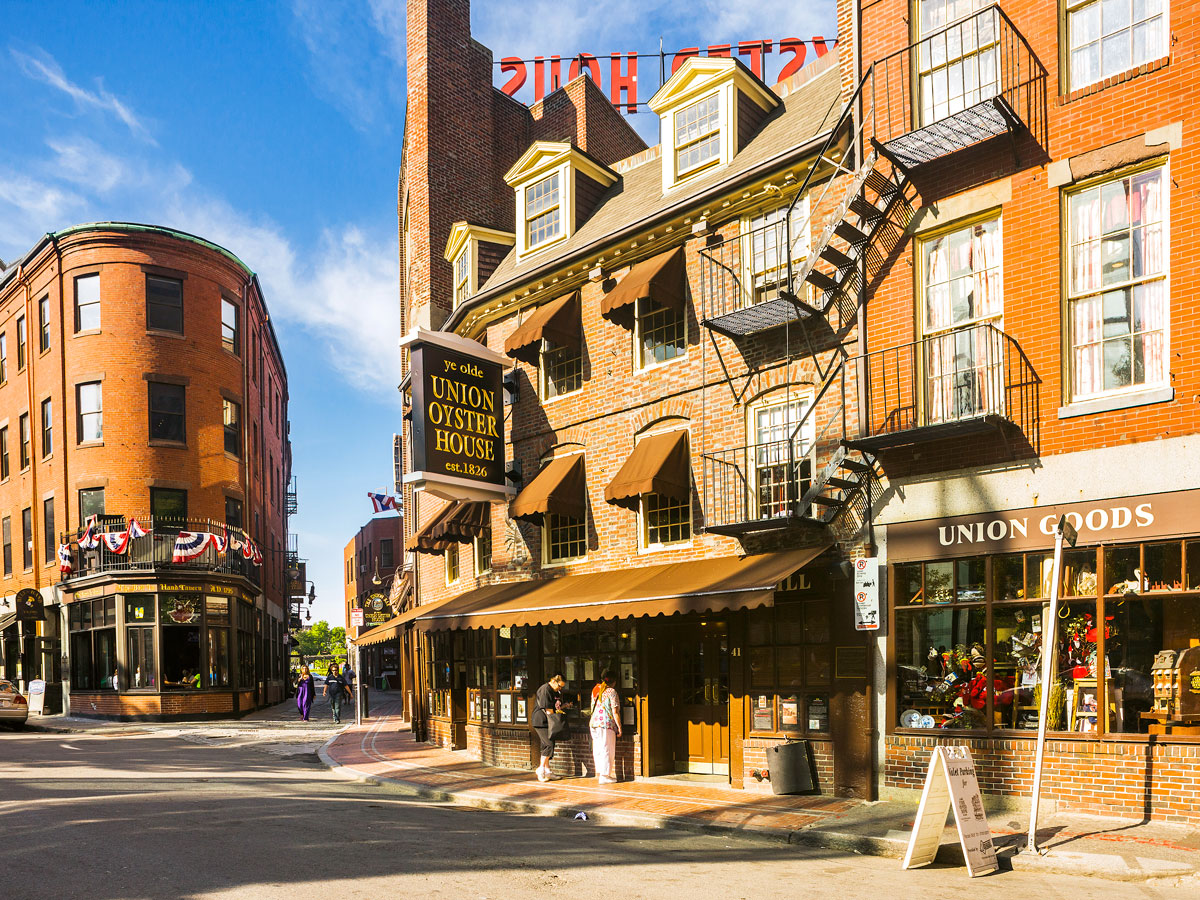
In Boston (and other parts of New England), the word “wicked” often replaces “very” or “really.” It’s used for emphasis, like when something is “wicked cool” or someone is “wicked smart.”
The true origin of using “wicked” as an emphatic adverb is lost to history, but there are some theories. It’s possible it evolved from the 13th-century terms “wicke” or “wicca” (as in witchcraft). It theoretically was used as a way to say something was cursed, making the weather “wicked” bad, for example. Some say that the witch trials in Salem only enhanced the usage.
Bubbler – Wisconsin
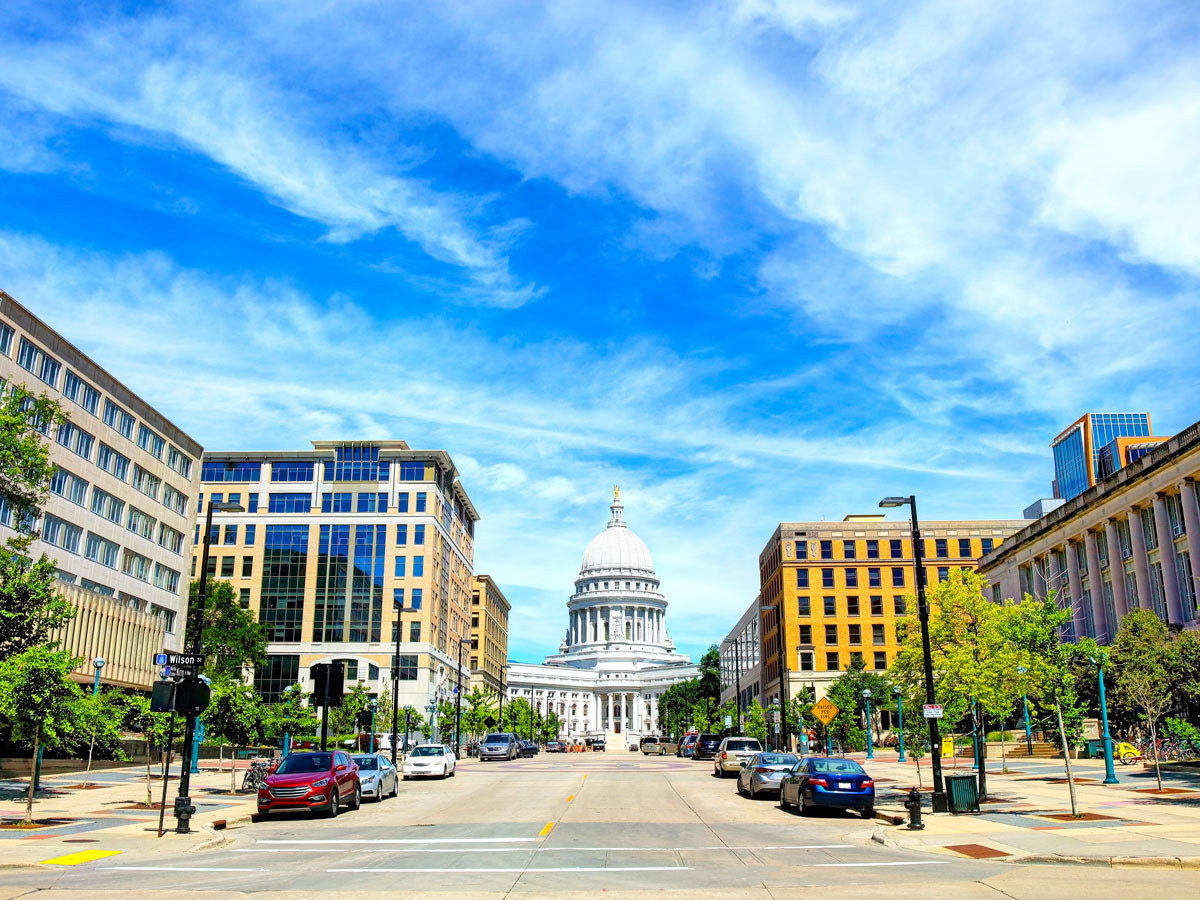
If you’re thirsty in Wisconsin, you’ll head for the nearest “bubbler” — a slang word for a drinking fountain. “Bubbler” is also used in Rhode Island and even Australia. Wisconsin NPR station WUMW investigated the origins of the term, but it turns out that no one really knows where the word came from.
A popular theory (that has since been debunked) is that the word came from the Kohler company. As the story goes, an employee named Harlan Huckleby created a water fountain he dubbed the “bubbler” in 1888, and his employer, Kohler Water Works (now Kohler Company), patented his invention. However, there’s no record of an employee at Kohler by that name or any patents from that time associated with the bubbler.
The most plausible theory about the word’s origin involves water jugs used in one-room schoolhouses. Those jugs resembled modern-day water dispensers, which school children called “bubblers” at the time. The name may have carried over to modern use. Ironically, Kohler does make bubblers today — the company just calls them drinking fountains.
Yinz – Pittsburgh, Pennsylvania
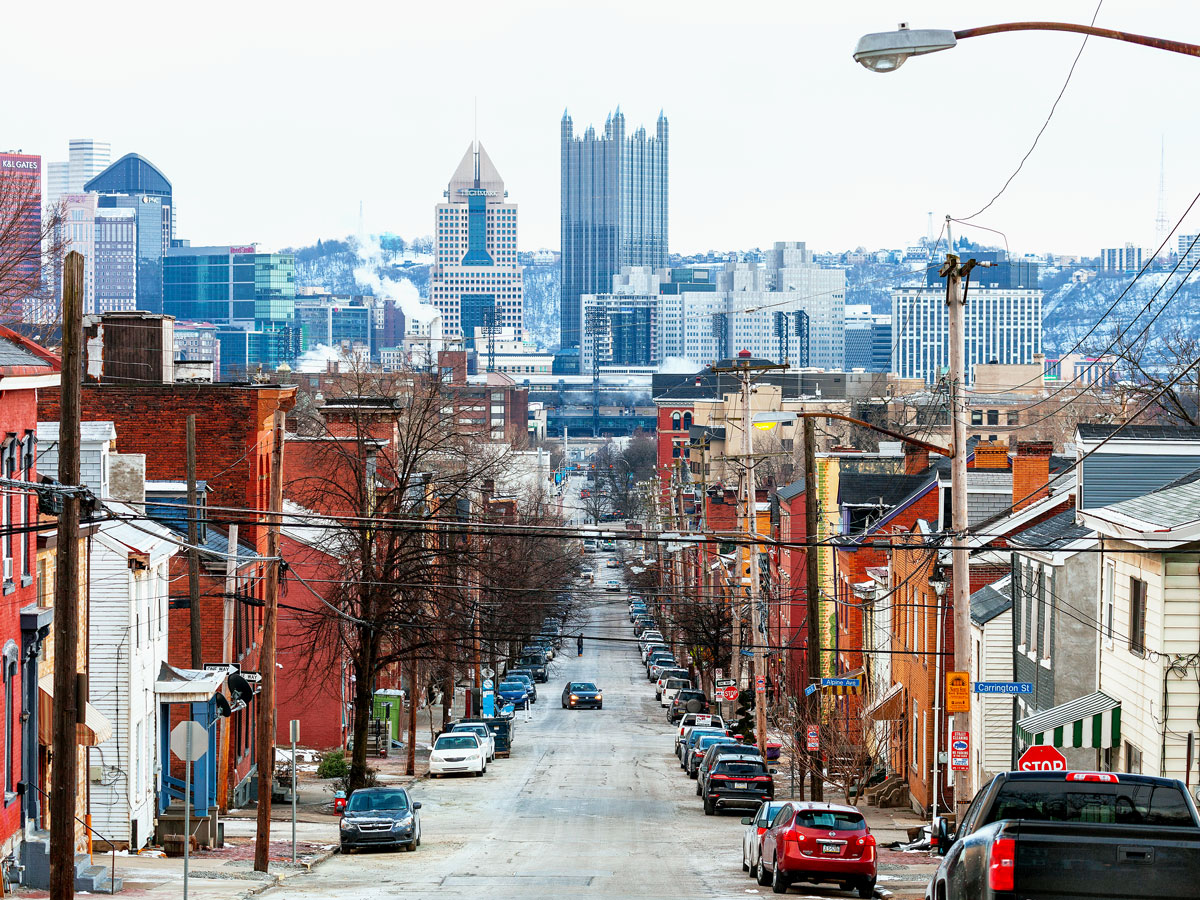
Since “y’all” is used almost exclusively in the South, the people of Pittsburgh decided to make up their own second-person plural pronoun. They chose “yinz.” When asking a group if they want to go out for dinner: “Yinz want to grab something to eat?
There’s some debate about whether this slang word is actually “yinz” or “yunz” — it can be either, depending upon whom you ask. The term likely originated from Scots-Irish settlers, who were the first Europeans to settle in southwestern Pennsylvania in large numbers in the 18th century. According to popular belief, they used the term “you ones” to indicate a group of people, and that eventually shortened to “yinz.”
Ayuh – Maine
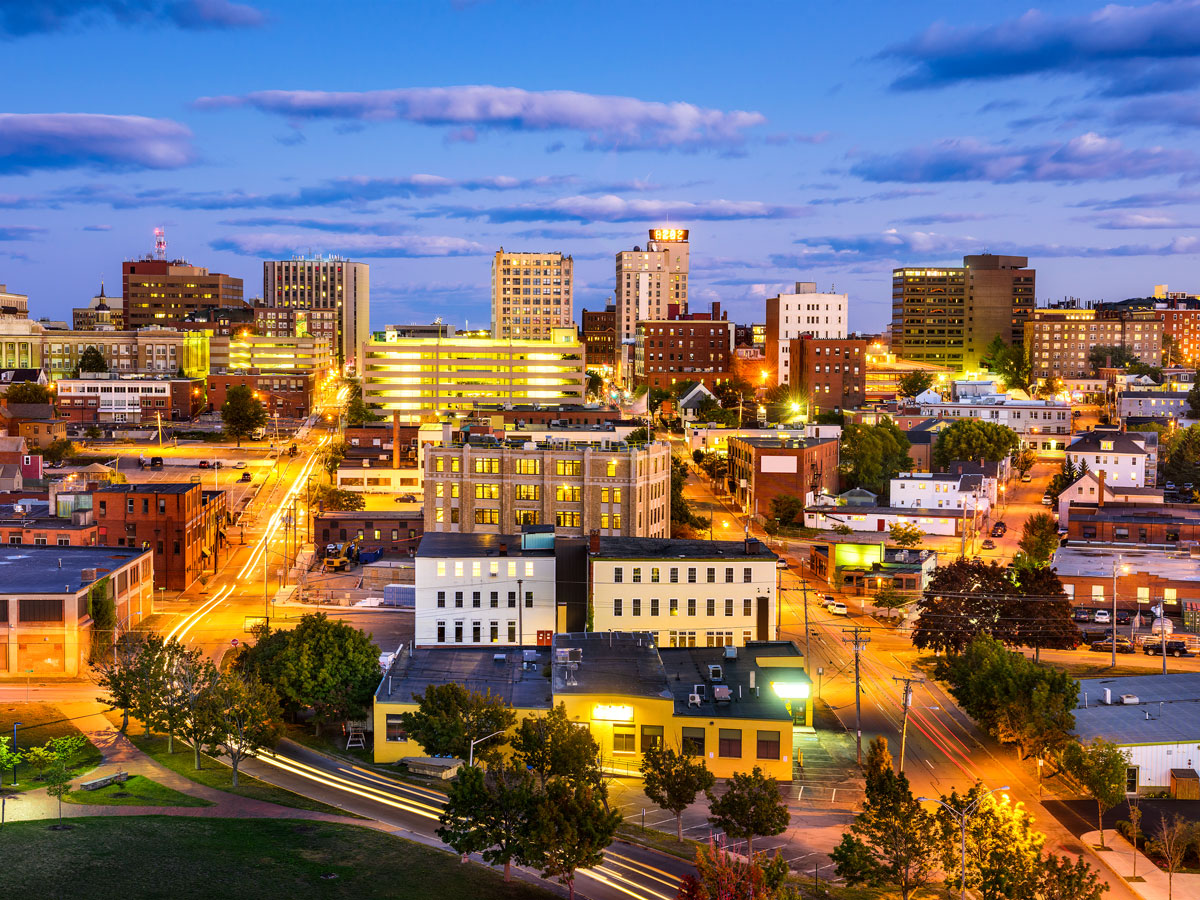
If you want to talk like a true Mainer, the first word to learn is “ayuh,” an informal way of saying “yes” or indicating your agreement to a statement. One of the regional slang words most strongly associated with the Down East accent of Maine’s eastern coastal region, saying “ayuh” out loud can sometimes stump tourists who didn’t grow up speaking it. It’s pronounced somewhat like “ey-yeah” (not “eye-yuh”).
Maine’s most famous native, Stephen King, set many of his stories in fictional Maine towns and gave his characters real Maine accents, helping to introduce readers to expressions such as “ayuh.”
Cattywampus – The South
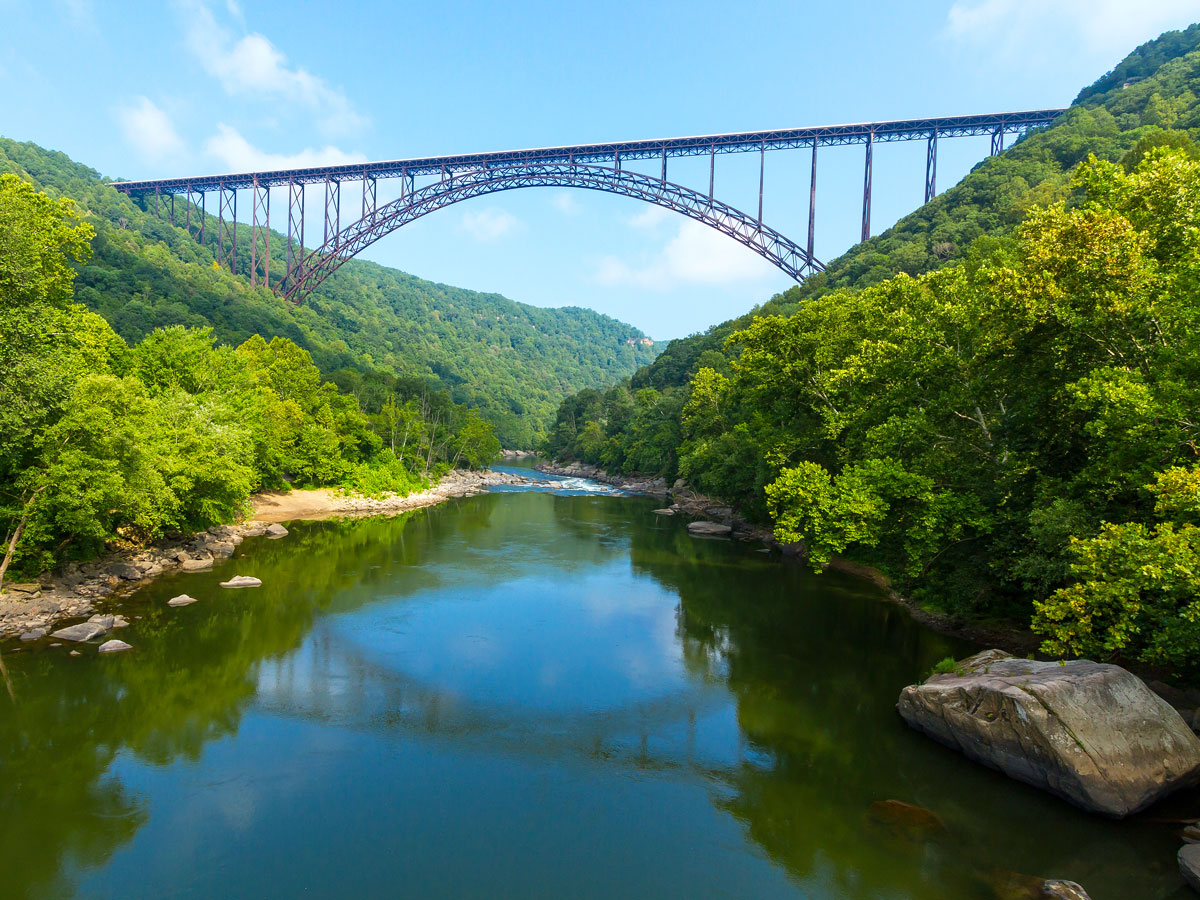
If someone tells you your tie looks a bit “cattywampus,” you’ll need to straighten it up. Cattywampus is a Southern slang word meaning off or askew. You may also see the word spelled as “caddywampus,” although there’s no consensus as to which is the right spelling. Similarly, the exact origins of the word, in use for about 200 years, are unclear. It may be a blend of the Scottish word “wampish,” which roughly translates to “flopping about,” and the colloquialism “catty corner” (“kitty-corner” in many parts of the country), meaning diagonally across.
Packie – New England
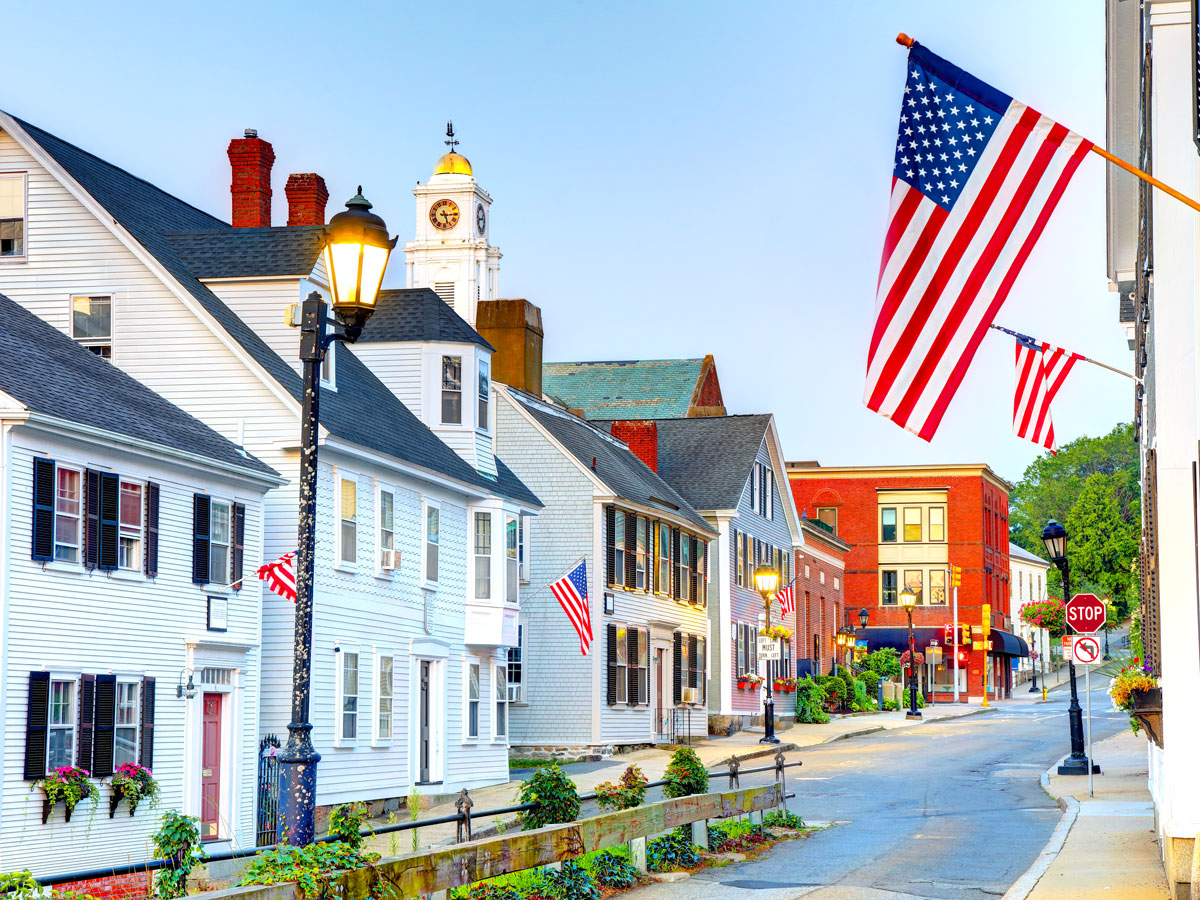
When someone tells you they are running to the “packie,” it’s likely to cause confusion if you aren’t a New England native. However, go ahead and put in your beer order, because “packie” is what many New Englanders (particularly those from Massachusetts) call the liquor store. You may also see the word spelled “packy,” but it means the same thing.
The slang word is a shortened form of the phrase “package store,” a New England term for liquor store — a vestige of Prohibition, when buyers had to wrap everything purchased in liquor stores and couldn’t display their purchases publicly. Officials later lifted the package laws, but the term (and its shortened version) stuck around.
Sluffing – Utah
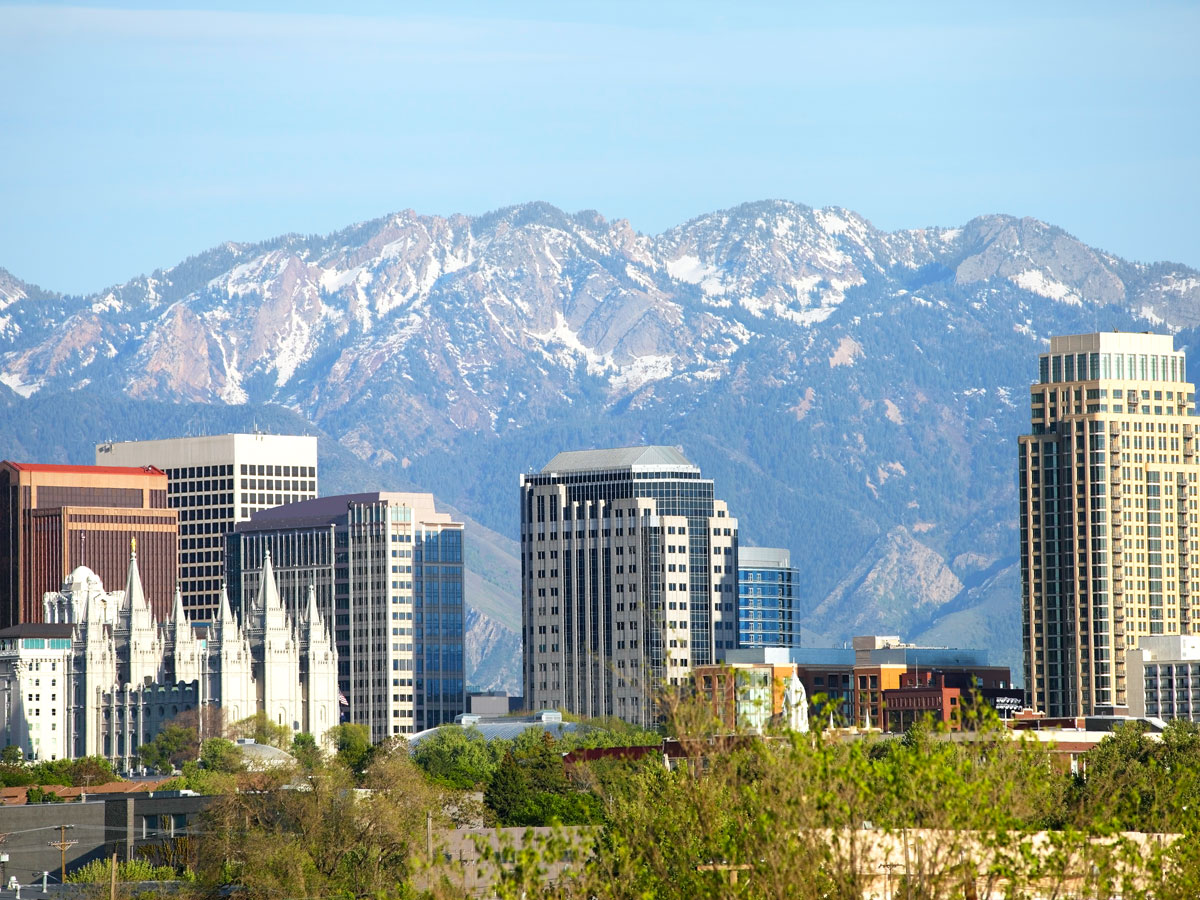
Growing up in Utah, school children will get in trouble for “sluffing,” a regional slang term that refers to cutting class. The term is likely derived from the word “slough,” meaning to shed something or get rid of something. Technically, the students are just shedding a day from their attendance records. Coincidentally, “sluff” is also an avalanche term for when loose snow on top of a snowpack slides as a formless mass — another common occurrence in Utah.
Grindz – Hawaii

“Grindz” (sometimes spelled “grinds”) is a Hawaiian slang term for food. It dates back to the mid-1800s and early 1900s, when different ethnic groups moved to Hawaii to work on sugar and pineapple plantations and had to learn how to communicate with each other. The resulting language was Hawaiian pidgin (also called Hawaiian Creole). “Grindz” is an all-purpose term used to refer to good food. If the food is extra delicious, one would say “ono grindz.”
Ope – The Midwest
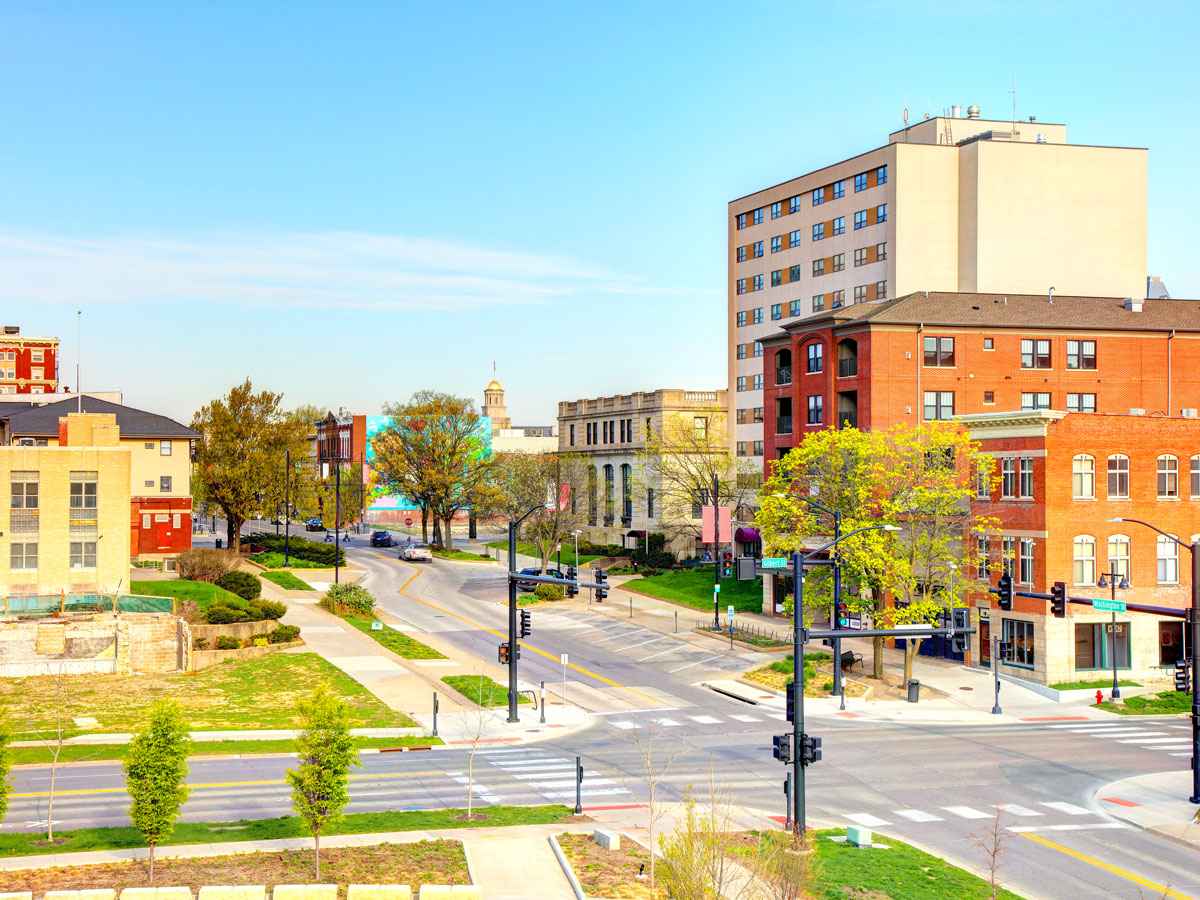
While most of the country would just say “whoops” or “oops,” Midwesterners enjoy using “ope” instead. If you accidentally bump into someone in the Midwest, a common response is, “Ope, I’m sorry.” According to a linguist interviewed by Wisconsin Public Radio, however, it’s not technically exclusive to the Midwest. And “ope” doesn’t come from a specific language; rather it’s a spontaneous vocalization people make when a sudden interruption stops the flow of air while speaking, similar to the sound that “oops” later came to represent in written form.
More from our network
Daily Passport is part of Inbox Studio, an email-first media company. *Indicates a third-party property.