




6 Things Airports Don’t Want You To Know
6 Things Airports Don’t Want You To Know

Every day, tens of millions of passengers travel through airports around the world. While most are likely familiar with the typical areas of a terminal — check-in, security, departure gates — many travelers may not realize just how carefully those spaces are designed and maintained. From deliberate seating placement to the ways staffers monitor passenger behavior, many of these choices help keep operations running smoothly and maximize revenue for the airport and its vendors, without the majority of travelers even realizing it. Here are six things that airports don’t exactly advertise.
Arriving at the Airport Early Isn’t Just About Scheduling
You know the standard advice: Arrive at the airport two to three hours before your flight. And while that buffer of time does help reduce stress for travelers, it also works in the airport’s favor.
Airports are designed to maximize what’s known as dwell time. Simply put, it’s the amount of time passengers spend inside the terminal. Once travelers clear security, stress levels typically drop, and if they’ve arrived early, they’re left with time to fill before boarding. In the world of airport retail, this period is often called the golden hour — the first 60 minutes after security, when passengers are most likely to browse and make impulse purchases.
According to airport industry research, a significant share of global airport revenue (around 40%) now comes from non-aeronautical sources such as retail and food. Spending just one hour more at an airport adds up to about $7 more spent per passenger, so your early arrival is a bonus for the airport’s business model.
Not All Airport Seating Is Created Equal
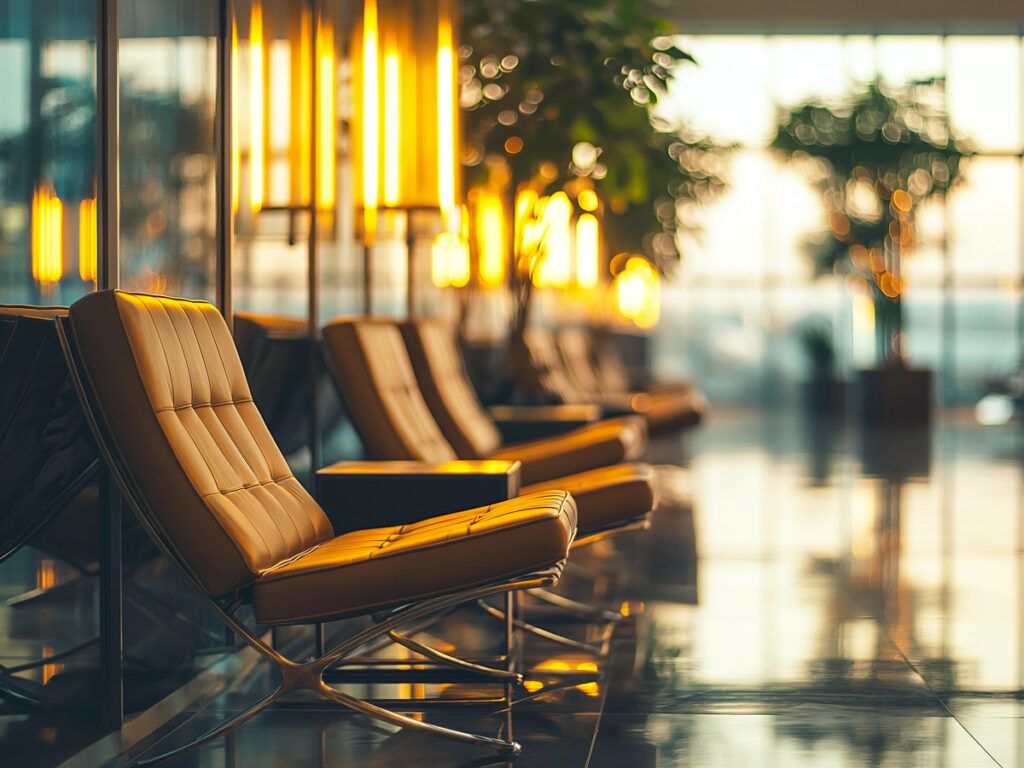
After security, most travelers instinctively try to find a suitable spot to post up near their gate. But in many airports, seating is far from random. The most comfortable chairs —cushioned seats, loungers, or even rocking chairs — are often placed near retail and dining areas rather than tucked away by quieter gates.
That’s because comfortable seating can be used to slow passenger flow and increase dwell time in central, retail-heavy parts of a terminal. The same goes for where information screens are placed. Studies in airport design also suggest that small conveniences such as charging stations or seating with cup holders can subtly influence how long travelers choose to stay in one place.
There’s Even Meaning Behind the Flooring
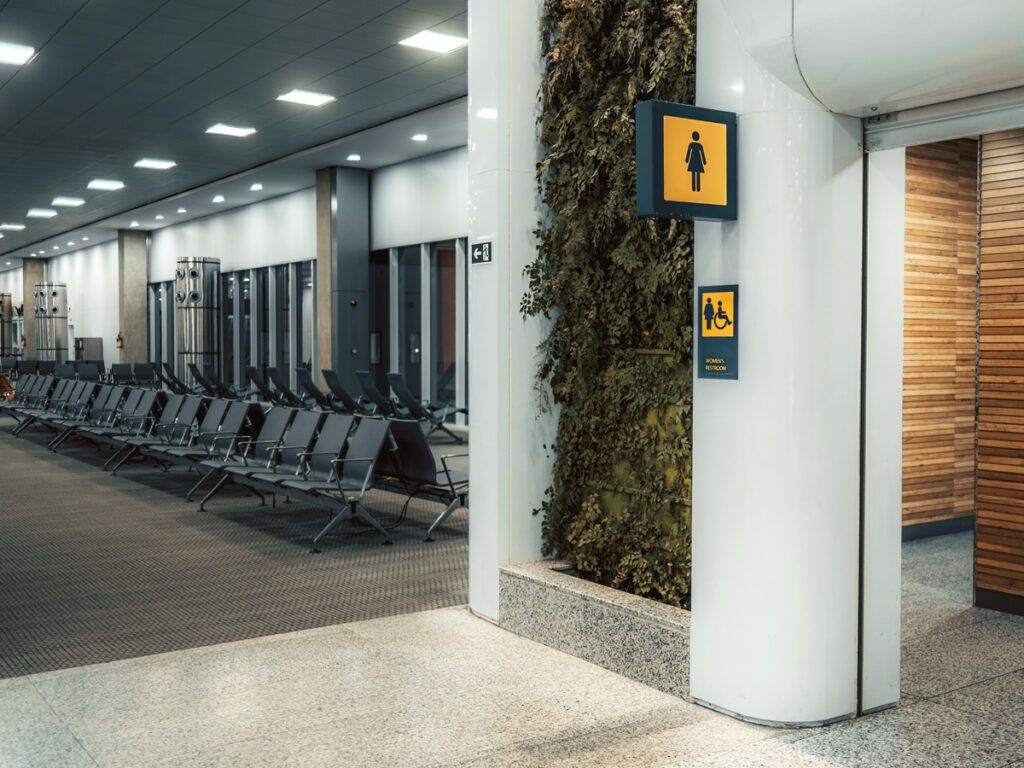
You probably don’t give much thought to the floor at the airport (other than how dirty it might be), but there’s actually some solid strategy underfoot. The walk from check-in to security is usually built with durable surfaces such as tile or linoleum. These are practical choices for heavy traffic and easy maintenance. But once passengers reach gate areas, the environment shifts to a slightly cozier one, with carpeted floors, softer lighting, and quieter seating zones.
Studies have long linked relaxed travelers with higher retail engagement. Industry surveys have found that happier passengers tend to spend more in airports — on average about 7% more on retail and roughly 10% more on duty-free purchases. So it’s no wonder many airports are doubling down on relaxation, adding wellness rooms and even mini-spas to help keep passengers in a spending mindset.
You’re a Data Point
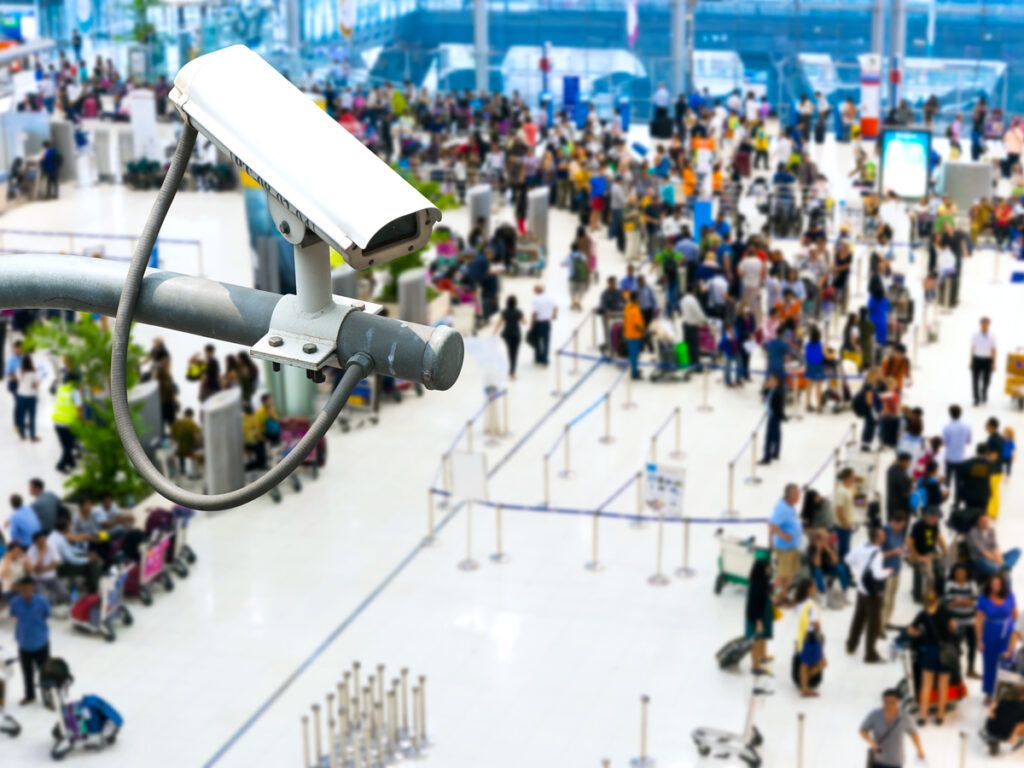
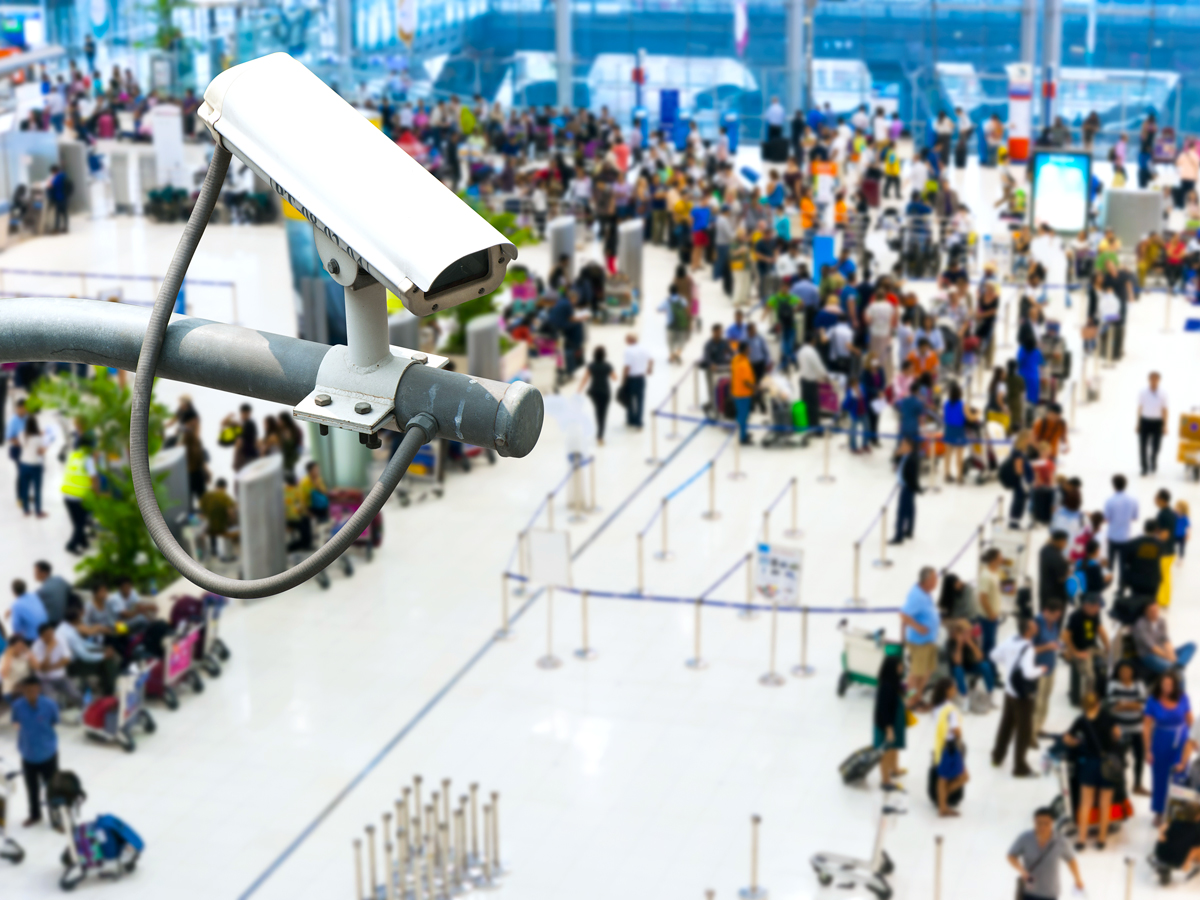
Modern airports are measuring passengers as much as they’re moving them. From the moment you clear security, your movement may be tracked using overhead sensors and Wi-Fi signals to provide anonymized location data. The goal isn’t to identify people, but to understand how passengers move through the airport and pinpoint where they slow down, where they bottleneck, and which areas they’re drawn to.
The information is used in planning and operations. For example, if certain areas get congested, layouts and signage can be adjusted. If others have higher volumes of foot traffic, that space could potentially be assessed for retail value.
Automation Isn’t Just for Your Convenience
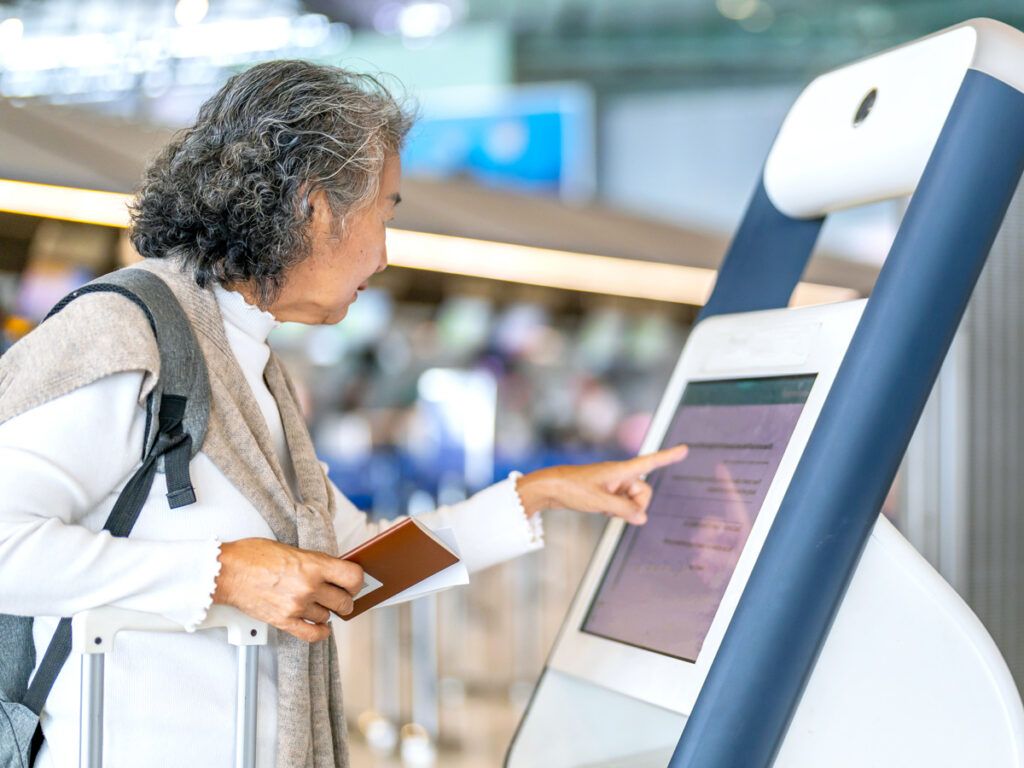
Self-service kiosks, bag-drop machines, and automated boarding gates (which American Airlines will begin incorporating in 2026) can speed up the check-in and boarding process for passengers. But they also happen to be strategic time-savers for the airport.
Research suggests these systems can significantly reduce processing times, with automated check-in kiosks operating up to 25% faster than staffed counters. That can translate into an extra 10 to 30 minutes per trip — time that a passenger can spend inside an airport terminal instead of in a line.
This means more opportunities to browse shops, visit restaurants, and even use airline lounges, converting those saved minutes into lucrative dwell time. One study found that for every 10 minutes a passenger spends in a security line, retail spending can drop by as much as 30% — a solid reason for airports to embrace automatic screening technologies sooner rather than later.
Security Staff Might Be Chatting You Up for a Reason
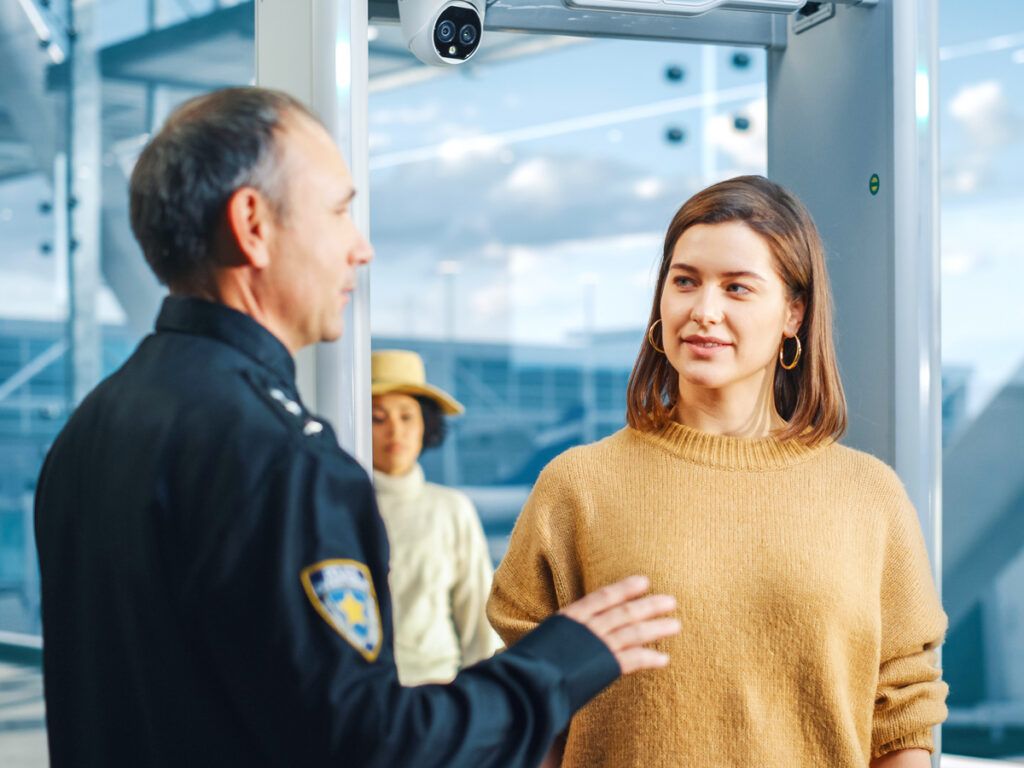
If you ever feel like you hit the TSA lottery with a friendly, chatty officer, luck may just be on your side. But it also might be an enhanced screening tactic. A TSA behavior-detection program known as Screening of Passengers by Observation Techniques (SPOT) was developed with input from psychologists to spot behavioral red flags such as sweating, fidgeting, avoiding eye contact, or even a passenger being too chatty themself.
If flagged, passengers may be asked open-ended questions about their travel plans or background as a way to determine a baseline. From there, the casual-seeming chitchat may continue to try to pinpoint inconsistencies. If it’s in your nature to be polite and friendly, don’t think you need to turn it off — just try to keep things factual and professional.
More from our network
Daily Passport is part of Inbox Studio, an email-first media company. *Indicates a third-party property.