





8 Secrets of TSA Officers
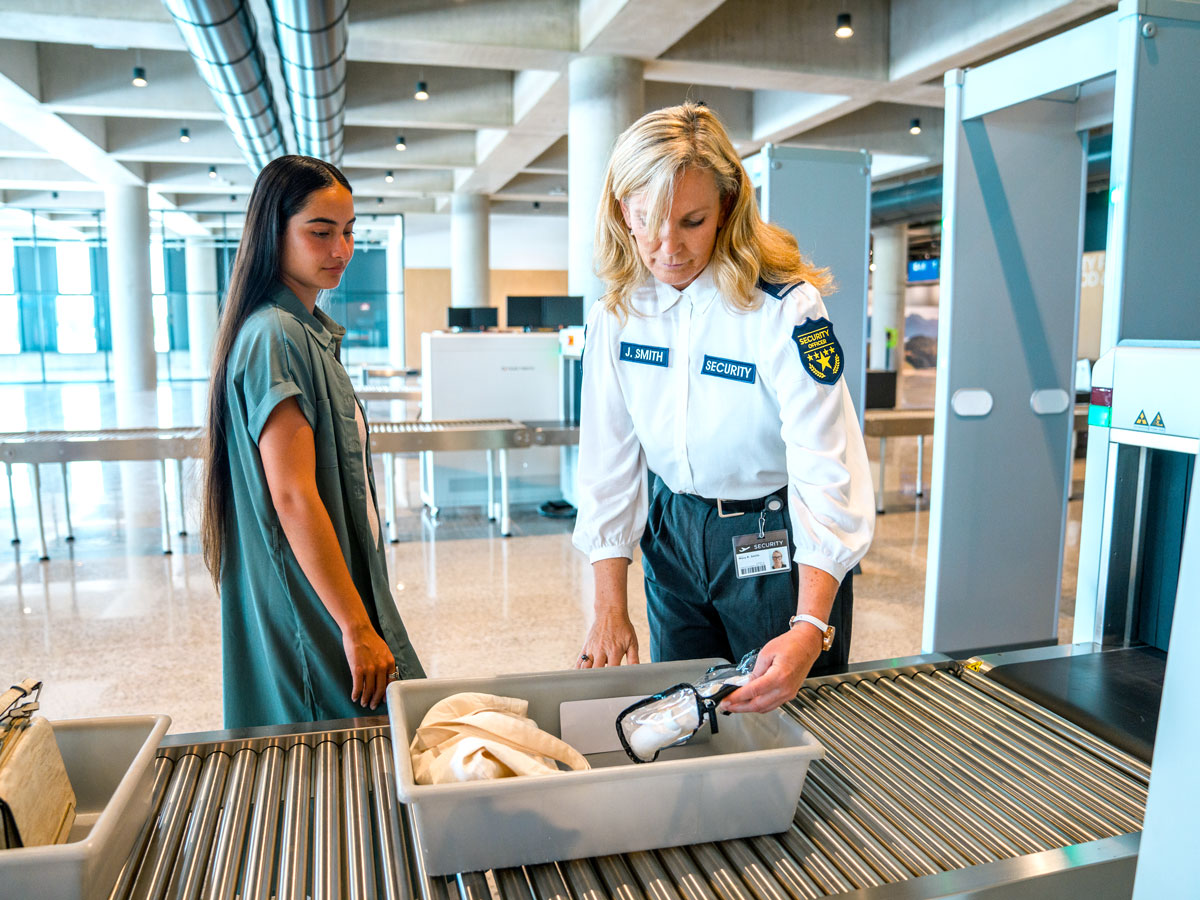

Most travelers go through airport security without much of a second thought: laptops and liquids out, pockets emptied, jackets (and sometimes shoes) off. But on the other side of the conveyor belt, screeners are performing the difficult task of spotting prohibited items in a quick glance while keeping lines moving.
Since its founding after the 9/11 attacks, the Transportation Security Administration has grown into a workforce of about 61,000 officers, who have screened over 906 million passengers. But have you ever wondered what it’s really like to work as a TSA officer? From the physical toll it takes to the surprising ways passengers actually help fund the system, here are a few of the lesser-known realities of life behind the checkpoints.
The Job Can Take a Major Physical Toll
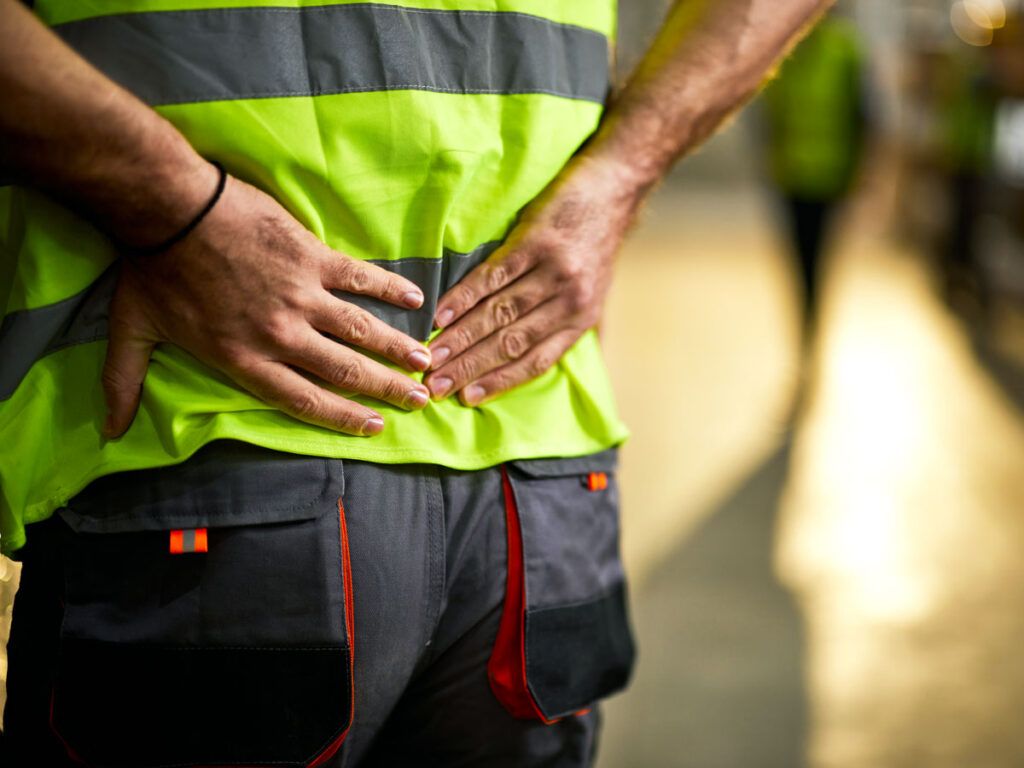
From the outside, it might appear that being a TSA agent is rather routine or stationary, but on the contrary, the role can be quite physically demanding. In the agency’s early years, screeners had one of the highest rates of job-related injuries among federal employees.
Back injuries from lifting heavy luggage are among the most common issues, but they’re far from the only risk: TSA screeners can also suffer cuts from sharp objects inside bags, as well as bumps, bruises, or even broken bones from shifting or falling luggage. Many transportation security officers (TSOs) are also on their feet most of the day, which can take a major toll on the body.
However, TSOs do move around frequently during their shift, switching from checking tickets to operating the X-ray machine to helping with traffic flow at security checkpoints. Officers can shift locations as often as every 30 minutes to help avoid employee fatigue that may lead to errors.
TSOs Undergo Regular Testing

Becoming a certified TSO requires lengthy training that involves both classroom instruction and weeks — sometimes months — of supervised on-the-job experience. The training focuses heavily on the core requirements of the job: recognizing prohibited items, operating screening equipment, and following security procedures under real-time pressure. But because technology and protocols continue to evolve, TSOs are required to complete annual proficiency reviews and evaluations to maintain their certification.
These reviews often include image recognition tests, such as spotting dangerous items in X-ray scans, as well as any procedural updates. Officers who fail the review will be allowed additional testing attempts and will also be supervised on the job until they’ve received sufficient coaching and have completed necessary testing.
Restricted Items Aren’t Always Caught
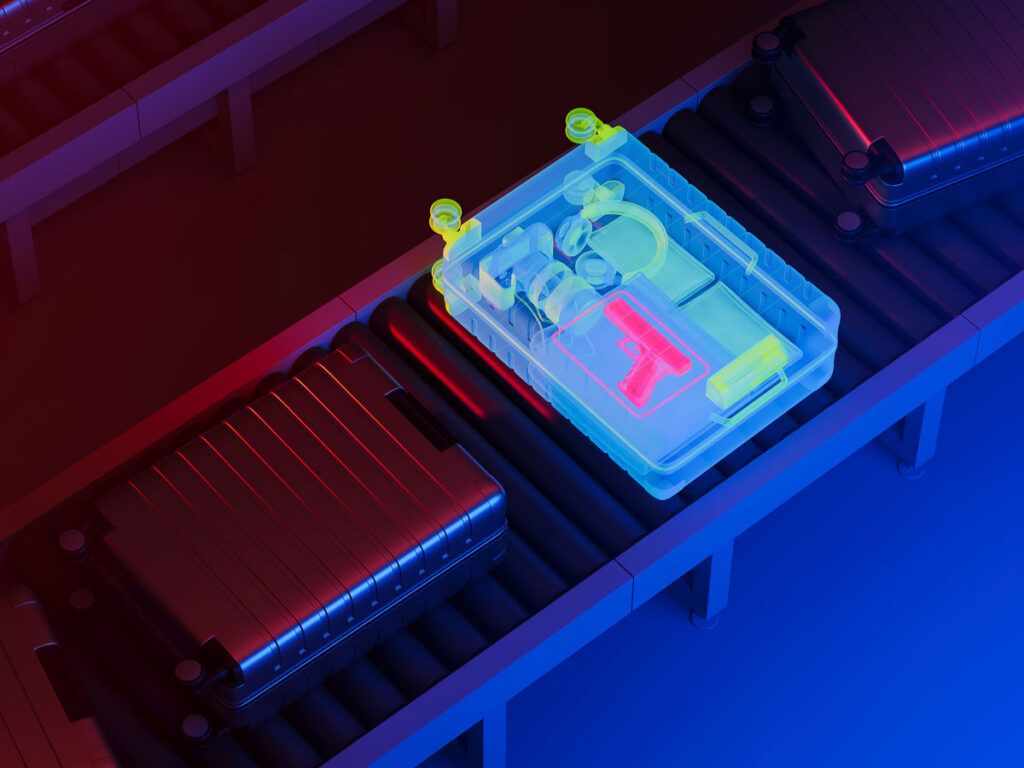
Even with advanced scanners and layered screening procedures, prohibited items do occasionally slip through security. In 2015, the Department of Homeland Security sent undercover agents armed with prohibited items into some of the busiest airports in the U.S. In 67 out of 70 tests (about 95% of the time), weapons and mock explosives were missed in screening.
However, the TSA provided further context that these tests were designed not for the average passenger, but to defeat the system using highly advanced concealment methods. Nonetheless, the TSA responded by strengthening training, increasing manual screening measures, and making sure equipment was up to standards.
Random Searches Aren’t Always Random
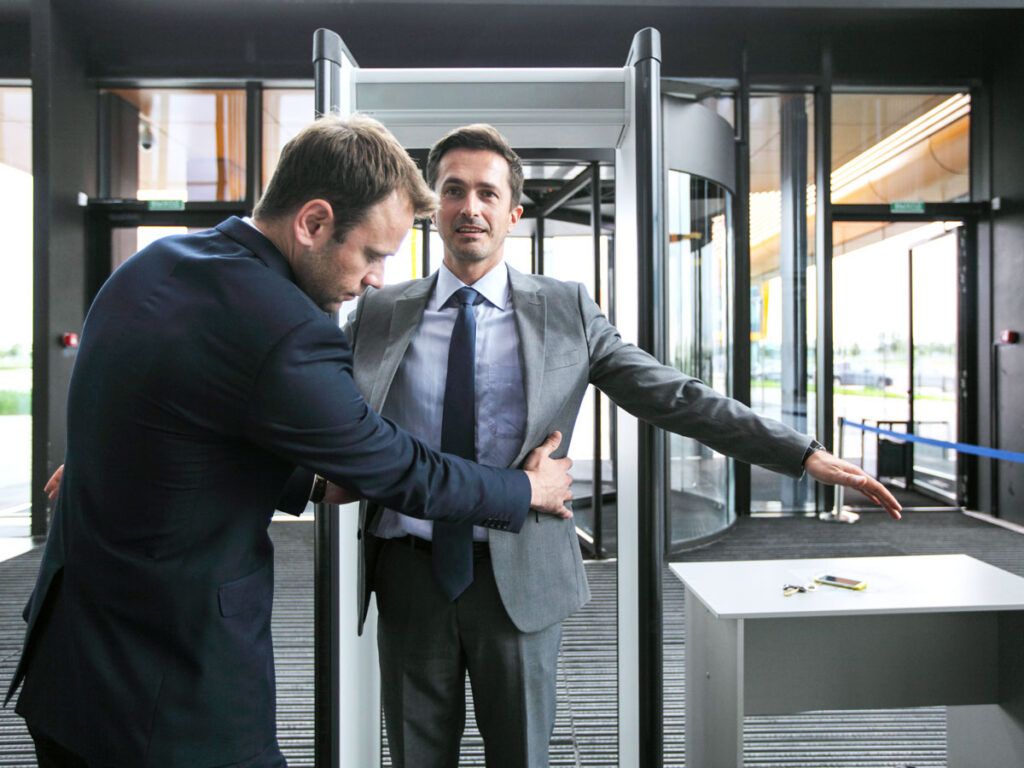
It’s probably no surprise that the random extra screenings we sometimes get from TSA aren’t actually always random. Officers themselves acknowledge that the process can be a little mysterious — even for them. According to one former agent’s account, passengers might receive a bag check or pat-down not just for security reasons, but for the simple reason that they were rude in line.
Some selections are, of course, genuinely random, while others are triggered by factors like having booked a one-way ticket, paying with cash, or anomalies in identifying information. If your boarding pass gets marked with an “SSSS” (Secondary Security Screening Selection), it’s usually due to one of these factors.
The Price of Your Airfare Helps Pay for the TSA
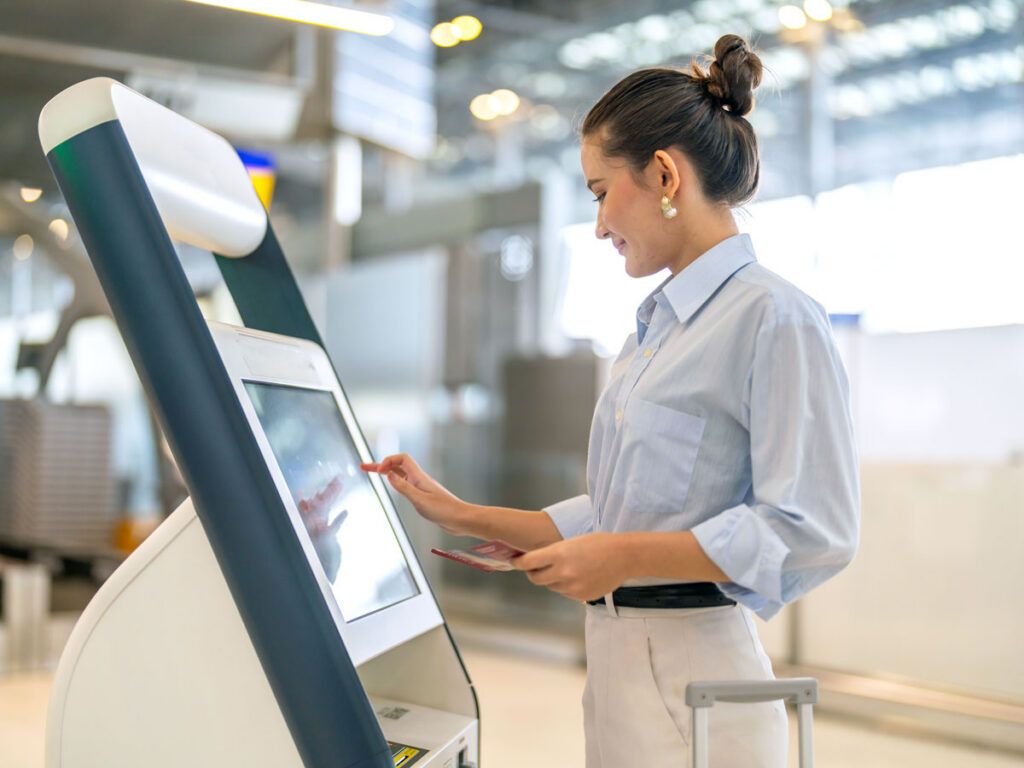
You may not have realized it, but every time you book a flight, you’re actually helping to fund airport security. That’s because there’s a passenger fee known as the September 11 Security Fee included in your ticket price. The charge (like the TSA itself) was introduced after 2001 to help cover the cost of regular passenger screening.
As of 2026, the fee is set at $5.60 per one-way trip for a flight originating at a U.S. airport, and it’s capped at $11.20 for a round trip. The airlines collect this fee when you book a ticket before passing it along to the government. A portion goes to TSA operations, with a portion also diverted to the U.S. Treasury.
They’re Looking for Some Weird Stuff
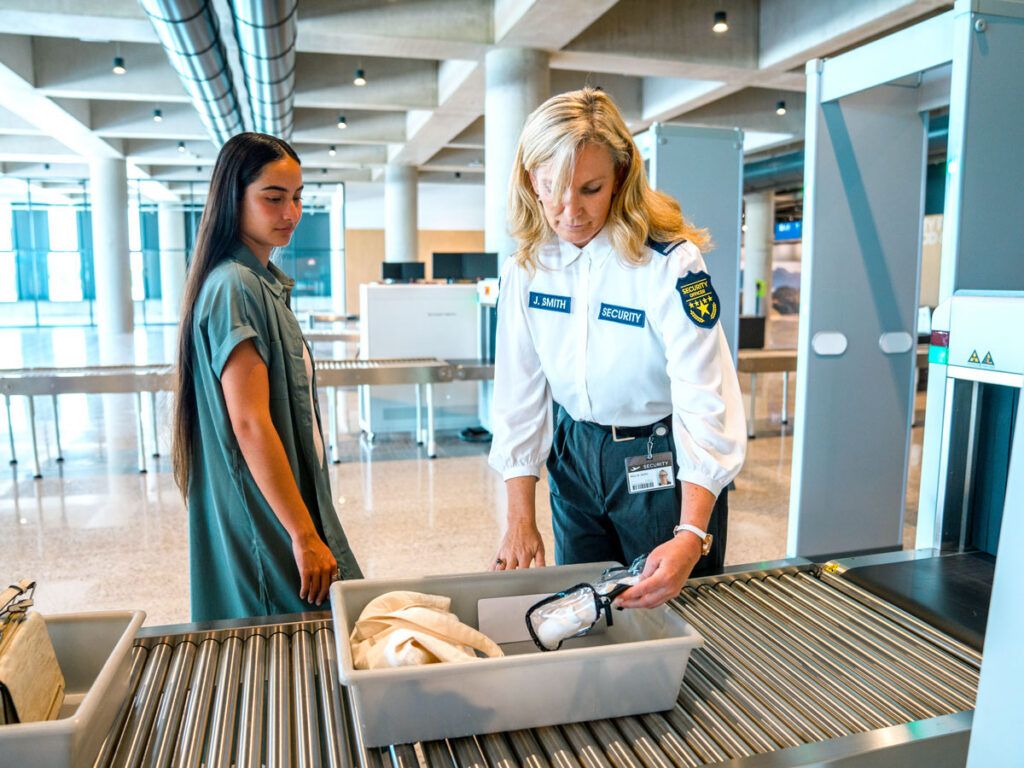
In addition to the list of standard prohibited items, TSOs are trained to catch some strange and very specific things: Reborn baby dolls, prosthetic pregnancy devices, coin knives disguised as currency, and even novelty items like a burning Bible or walking weights that double as pepper sprayers have appeared as items to watch for in TSA training materials. In 2024 alone, agents seized snakes from a man’s pants, illegal substances hidden inside a pair of crutches, and a firearm inside a boot inside a Lego box.
Despite this, TSA officers maintain that they are not looking for drugs such as cannabis. Unless it’s a real threat, the agency maintains, marijuana and other contraband aren’t part of the daily scan. If it is identified, however, the TSA is required to notify law enforcement.
They Don’t Keep Your Confiscated Items
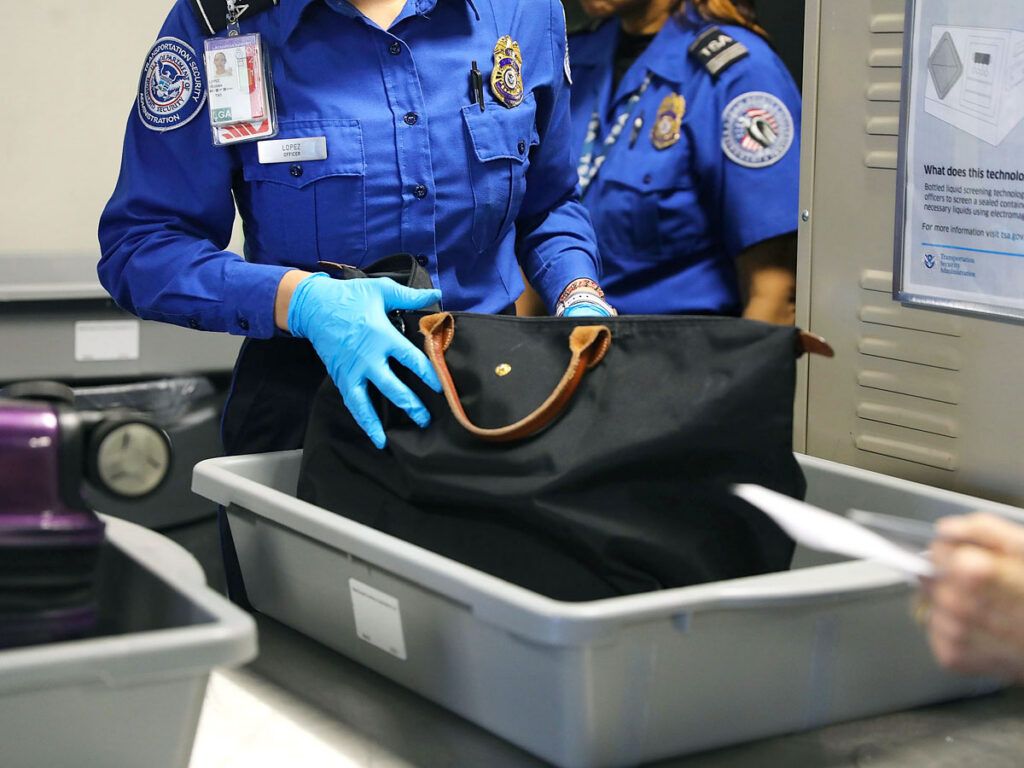
Whether they’re accidentally forgotten or surrendered for security reasons, checkpoints accumulate a lot of left-behind items — upwards of 90,000 to 100,000 items per month, according to the TSA. While some prohibited items such as gels and aerosols are disposed of, many are turned over to the state.
From there, items often end up for sale on auction sites such as GovDeals, where everything from tools to jewelry to unopened toiletries can find a second life — and often at a great price. Of course, before surrendering an item, passengers are given choices. They can leave the item with someone who may be at the airport with them but is not traveling, return the item to their vehicle, or go to the airline ticket counter and have the item checked. TSOs are prohibited from taking items left behind by passengers.
They’re Watching More Than an X-Ray Screen
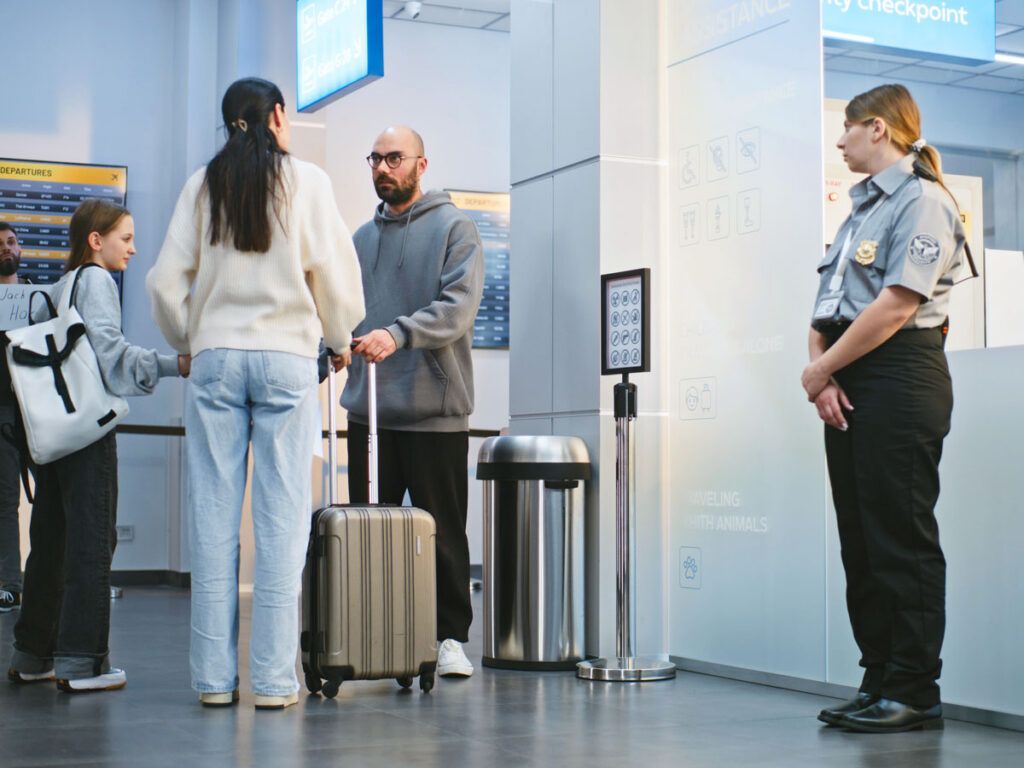
Airport security isn’t just about what shows up on a scanner. TSA officers also closely observe passenger behaviors both subtle and obvious: Nervous fidgeting, avoiding eye contact, or even sweating may warrant extra attention, as could aggressive or overly talkative passengers.
This approach, sometimes referred to as behavior detection, is meant to add another layer of security beyond physical screening. But it hasn’t been without controversy: Critics have raised concerns about its ineffectiveness and the potential for making unfair judgments, but the TSA maintains that officers are trained to focus on specific, observable behaviors rather than any kind of personal characteristic.
More from our network
Daily Passport is part of Inbox Studio, an email-first media company. *Indicates a third-party property.