





What the Extra Taxes on Your Hotel Bill Are Actually For
Take a closer look at your hotel bill the next time you settle up at checkout. You’ll see that the room rate is just one of a number of charges properties levy on travelers. Just as airlines itemize what you pay, so too do accommodation providers. You may see a resort fee on your bill, which covers amenities during your stay, in addition to taxes. These hotel taxes cover multiple initiatives, with the revenue split between a variety of projects and goals. Let’s take a closer look at some of these taxes and find out what they’re used for.
Room Taxes

A variety of names are used to describe taxes on short-term accommodations, among them hotel tax, room tax, occupancy tax, lodging tax, and bed tax. The amount charged varies considerably. Across the U.S., for instance, states are free to set the rate, and local governments can levy additional taxes.
Whatever you call it, the tax element of your total bill — whether municipal, regional, state taxes, or a combination of these — constitutes a mandatory charge and can be significant. The funds raised cover a range of projects, which can include marketing the destination to domestic or overseas visitors, upgrading tourist infrastructure such as parks and landmarks, investing in transit links, and funding municipal projects that might be under additional pressure with increased visitation to a destination, such as sanitation.
Environmental Taxes

In some cases, the state-levied room tax is augmented by an environmental tax. Hawaii’s transient accommodation tax (TAT) is one example. On January 1, 2026, the TAT — applicable not only to hotels but also to other forms of overnight accommodation such as camper vans and vacation rentals — rose from 10.25% to 11%, with the 0.75% increase coming in the form of a new “green fee.” Other destinations that charge environmental taxes include Greece (climate crisis resilience fee), the Maldives (green tax), and Quintana Roo (environmental sanitation fee) in Mexico, home to popular resort cities such as Cancun.
In the case of Hawaii, at least, reception has been mixed. Supporters claim it’s an essential tool in the fight against climate change, especially in light of high-profile recent tragedies such as the Maui wildfires. They argue the money raised can also be spent on projects like replenishing sand on eroded beaches and the rehabilitation of degraded coral reefs. However, opponents dub it a cash grab, pointing out inconsistencies such as the current exemption for cruise ship cabins and a lack of regulation around vehicle emissions.
Hotel Taxes in Popular Cities
Los Angeles, California
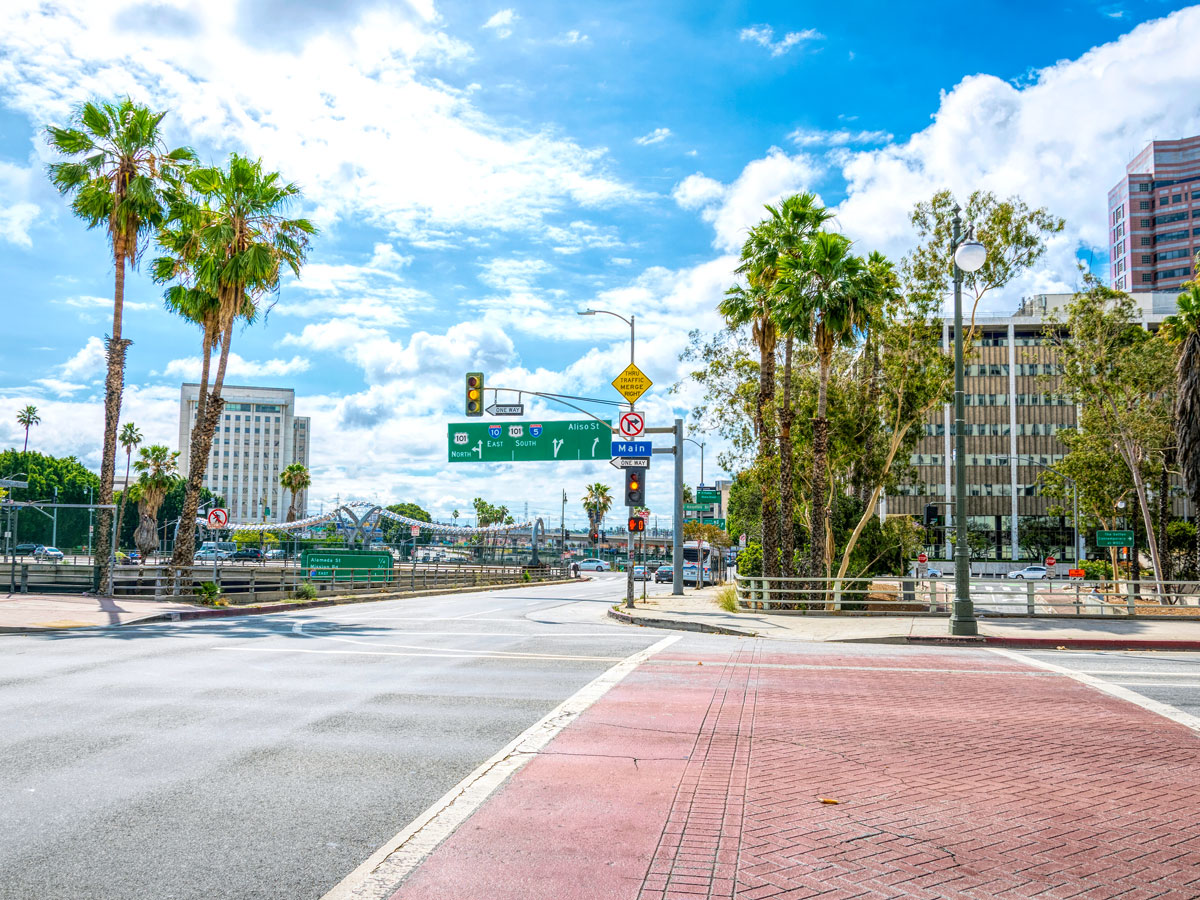
Los Angeles is set to host the 2028 Summer Olympic Games, and ahead of that important milestone, the city is looking at raising its transient occupancy tax, which currently sits at 14% for stays up to 30 days. (Other cities in L.A. County set their own rates; in Malibu, Santa Monica, and Beverly Hills, it’s 15%.)
L.A. city authorities plan to raise the lodging tax to 16%, estimating that the additional revenue could amount to $44 million per year — which could help pay for necessary improvements before the Games. Reports suggest that the rate would then be lowered to 15% beginning in 2029, though any changes have yet to be approved. On top of the TOT, visitors must pay an additional amount (typically 1.5% of the room rate) that supports the work of the Los Angeles Tourism Marketing District (LATMD), which promotes the city to tourists and boosts the reach of hotels’ own advertising.
New Orleans, Louisiana
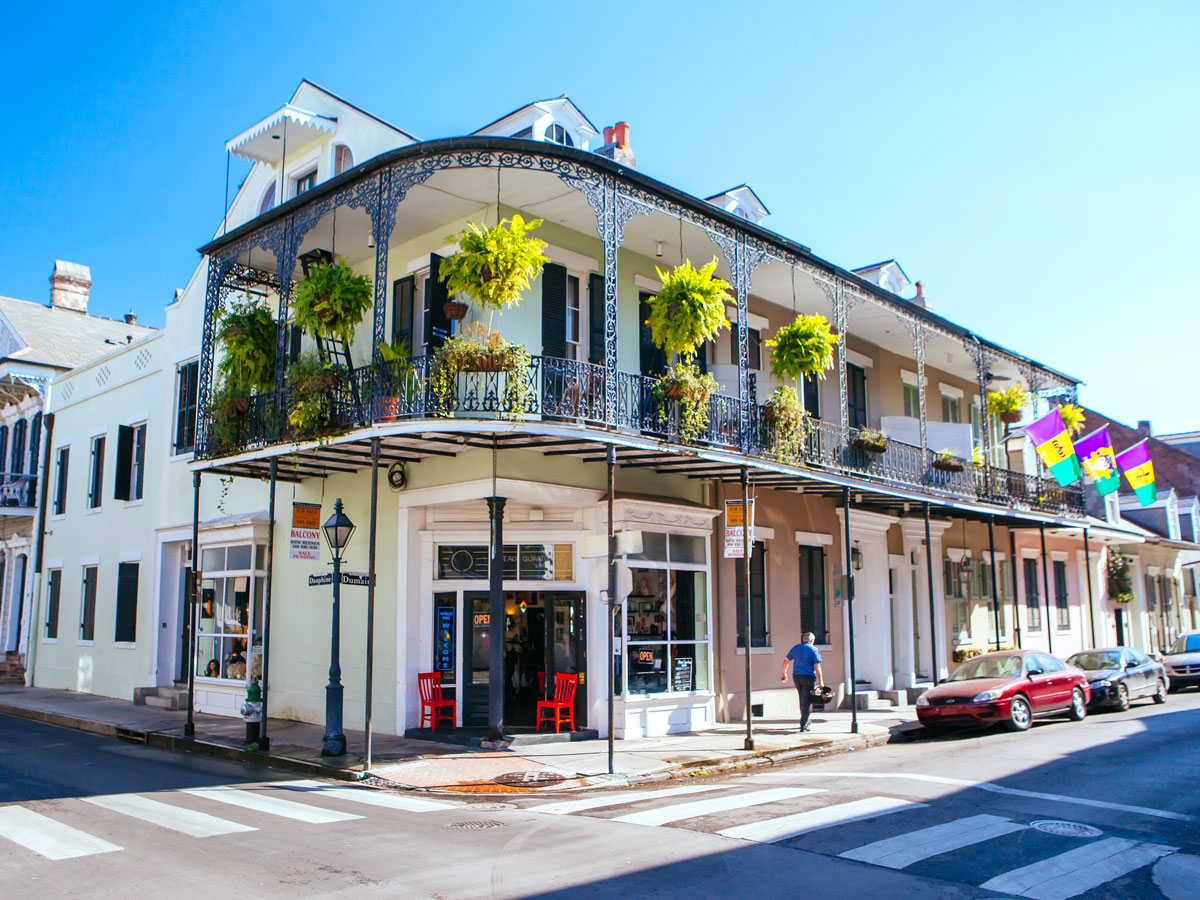
Hotel guests in the Big Easy pay an extra 3% on top of their regular room occupancy tax, which helps fund the Ernest N. Morial New Orleans Exhibition Hall Authority. The authority manages one of the largest convention centers in the U.S. and the events it hosts. In 2023, these trade shows, conventions, festivals, and competitions were responsible for bringing in more than half a million people and half a billion dollars to the local economy.
Such an influx of visitors has knock-on effects for the local economy, in terms of both opportunities for shops, restaurants, and visitor attractions, as well as pressure on infrastructure and services. Similarly, stay in Orleans or Jefferson Parish, and you’ll pay a 4% Louisiana Stadium and Exposition District (LSED) room occupancy tax, some of which goes toward the cost of maintaining facilities like the Caesars Superdome.
Venice, Italy
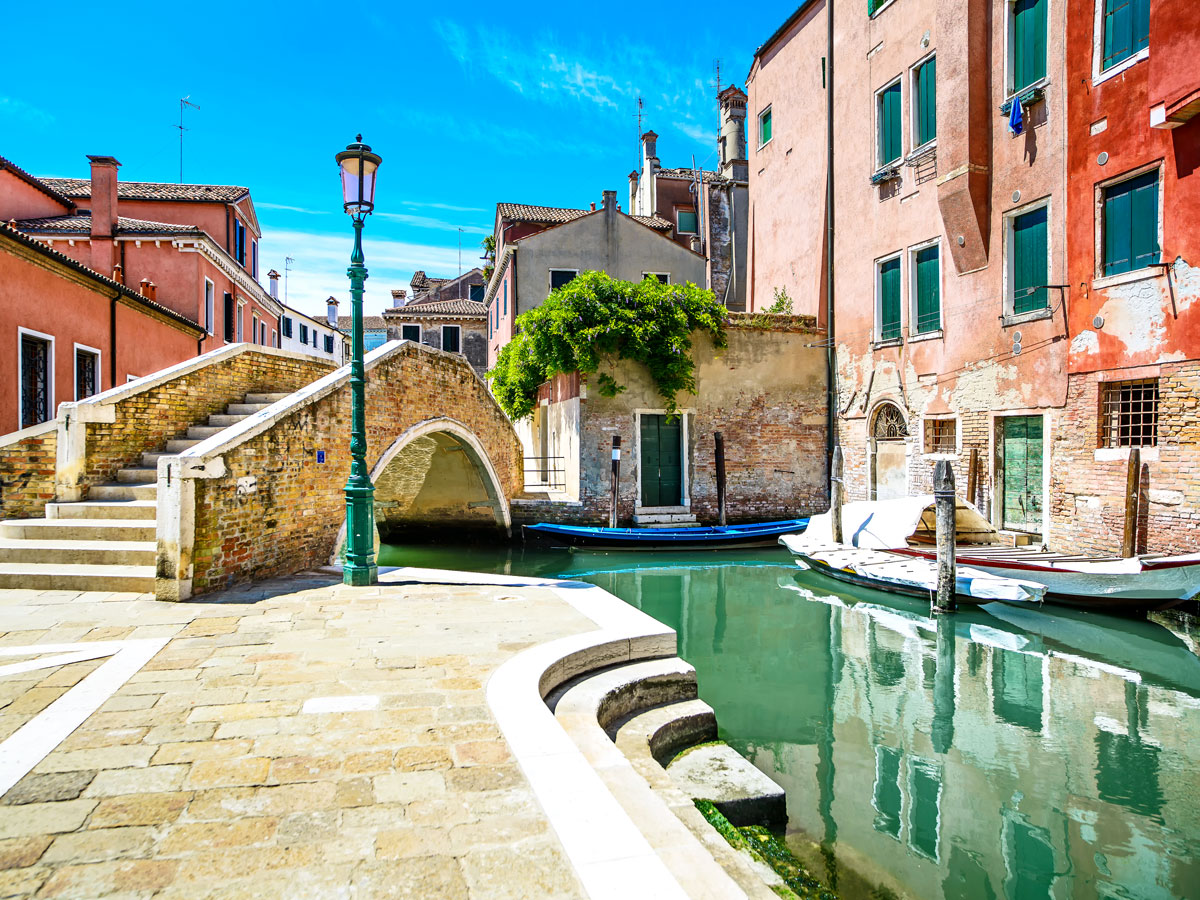
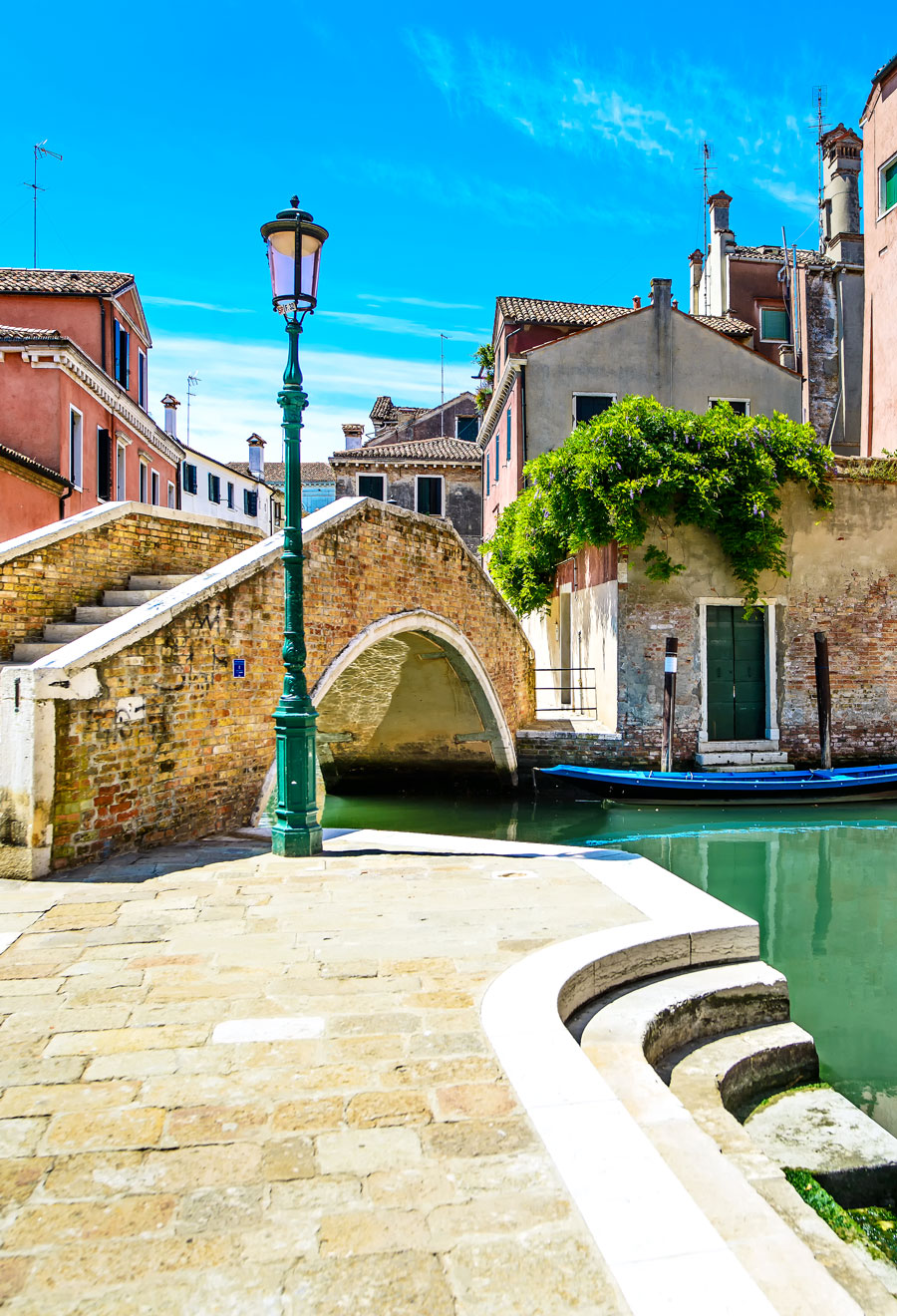
Venice uses revenue from tourism to help maintain the aging landmarks and buildings that are so attractive to visitors. The rate varies according to the type of accommodation you select and is applicable only to the first five nights of any stay. In some cases, overnighting further from the historic core lowers the rate, as does traveling in the January low season.
According to the city’s official website, the rationale behind the tax is that a chunk of the money will help “finance maintenance work and aid the fruition and recovery of cultural and architectural heritage.” Day visitors have to pay, too — there’s now a separate access fee levied on them from which overnight guests are exempt.
Amsterdam, The Netherlands
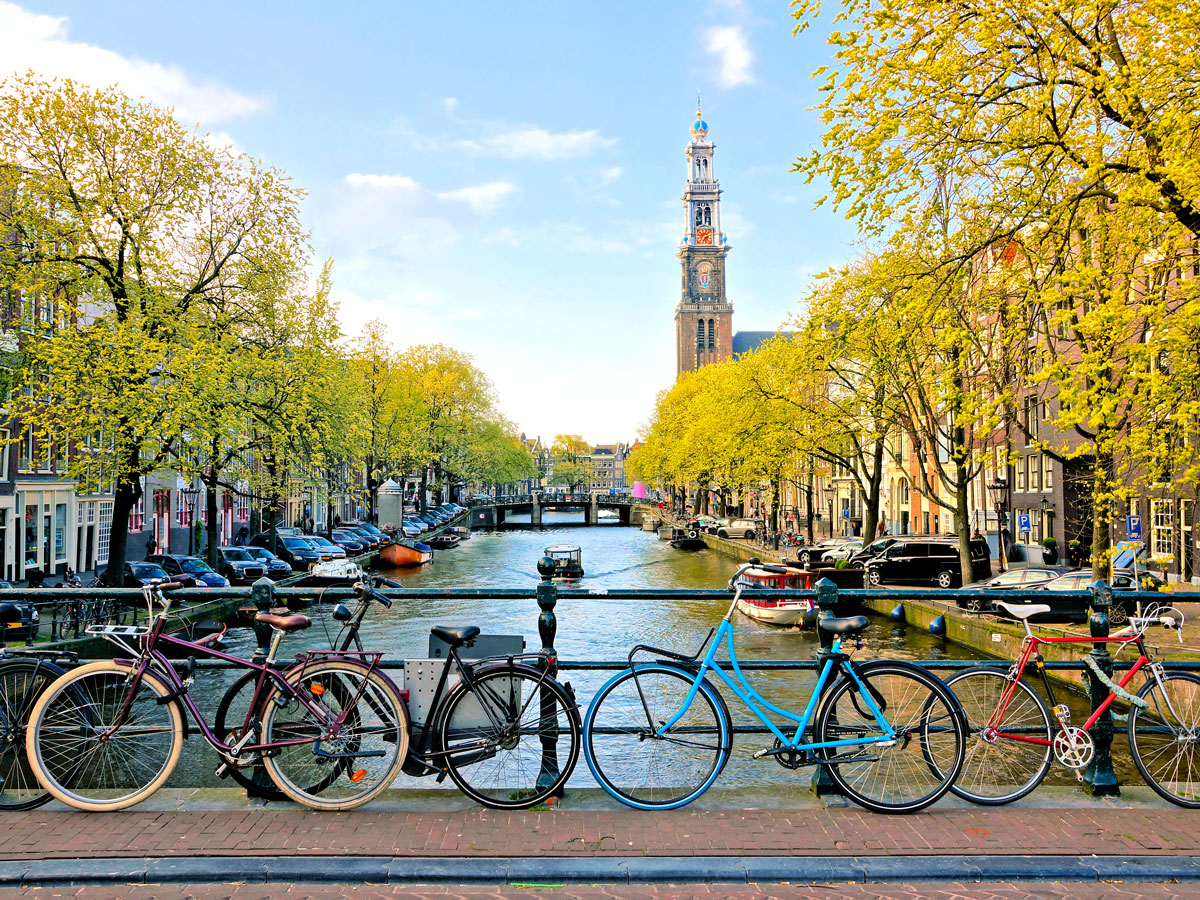
Like Venice, Amsterdam is facing growing concerns with overtourism, and also charges an overnight tax on anyone staying in the city. The amount you pay depends on the cost of your accommodation (a 12.5% charge on top of the basic room rate). It doesn’t matter what kind of place you’ve chosen, either — the tax is applicable whether you’ve splurged for a five-star hotel or opted for a dorm bed in a hostel.
Many establishments don’t include it in the advertised rate because anyone who can prove they’re a local resident is exempt from paying. Everyone else pays upon check-in. And Amsterdam’s not the only Dutch city to charge tourists, though elsewhere you’ll be charged less. In trendy Rotterdam, for instance, you’ll pay just 6.5%.
Edinburgh, Scotland

Scotland’s first-ever hotel tax kicks off in July 2026, when visitors to Edinburgh will need to pay a 5% charge for the first five nights of their stay. The money raised — estimated at 50 million pounds ($68 million) — will be invested in making the city better for tourists and residents alike.
Some recipients of these additional funds have already been earmarked. Public restrooms in the city will get an upgrade, there will be a facelift for Cramond Beach, and Leith Theatre will be refurbished into a live music and performance venue. A sizable chunk of money has also been set aside to provide affordable homes to address the city’s housing shortfall.
More from our network
Daily Passport is part of Inbox Studio, an email-first media company. *Indicates a third-party property.