

Why Are Airplanes Usually Painted White?
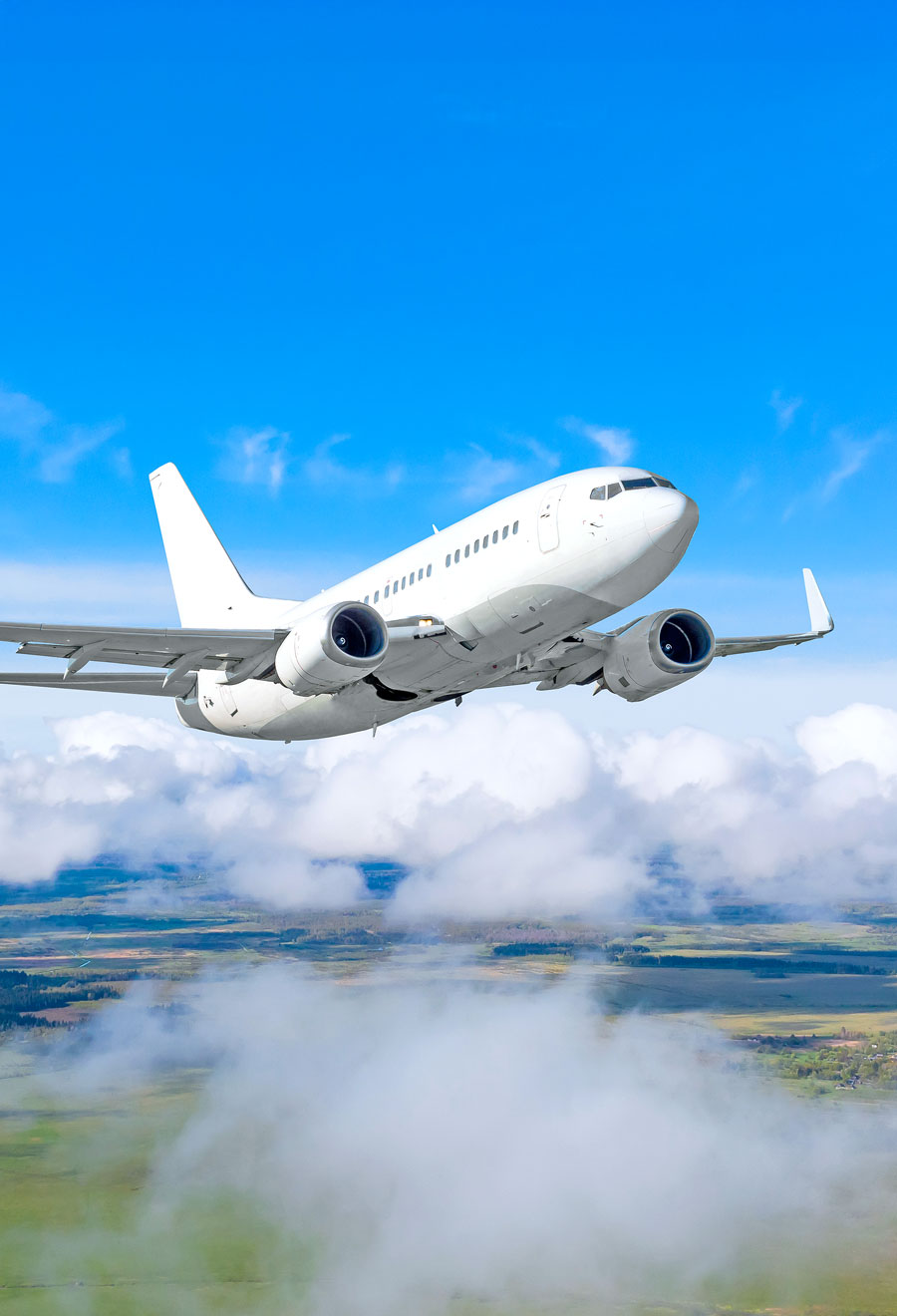
Whether you fly Delta or United, commercial or private, the majority of planes you’ve flown have one thing in common: the color. Most planes are painted white, and there are a number of good reasons for it — none of which has anything to do with aesthetics. Many planes are green or beige when they come off the assembly line, but not for long. They’re all painted before taking to the sky. Here’s why one color makes up the majority of those paint jobs.
(Don’t) Let the Sunshine In
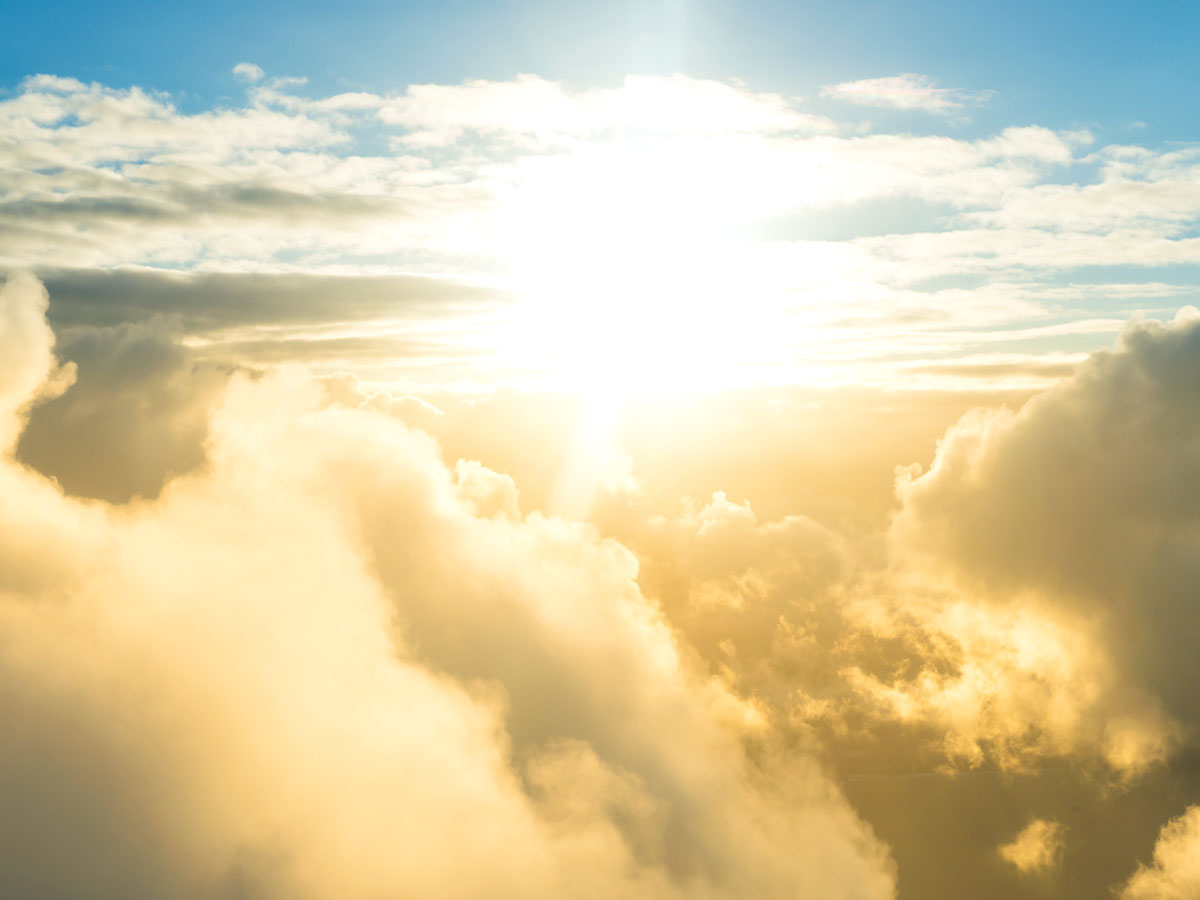
If you’ve ever worn black on a hot summer day, you probably know the primary reason most planes are painted white: It absorbs less heat and reflects more sunlight than any other color. In addition to reducing the amount of energy needed to keep the cabin cool, this also prevents damage from solar radiation. The composite materials used in many modern aircraft are more susceptible to UV rays at altitude, so white helps reflect the sun’s rays.
Birds
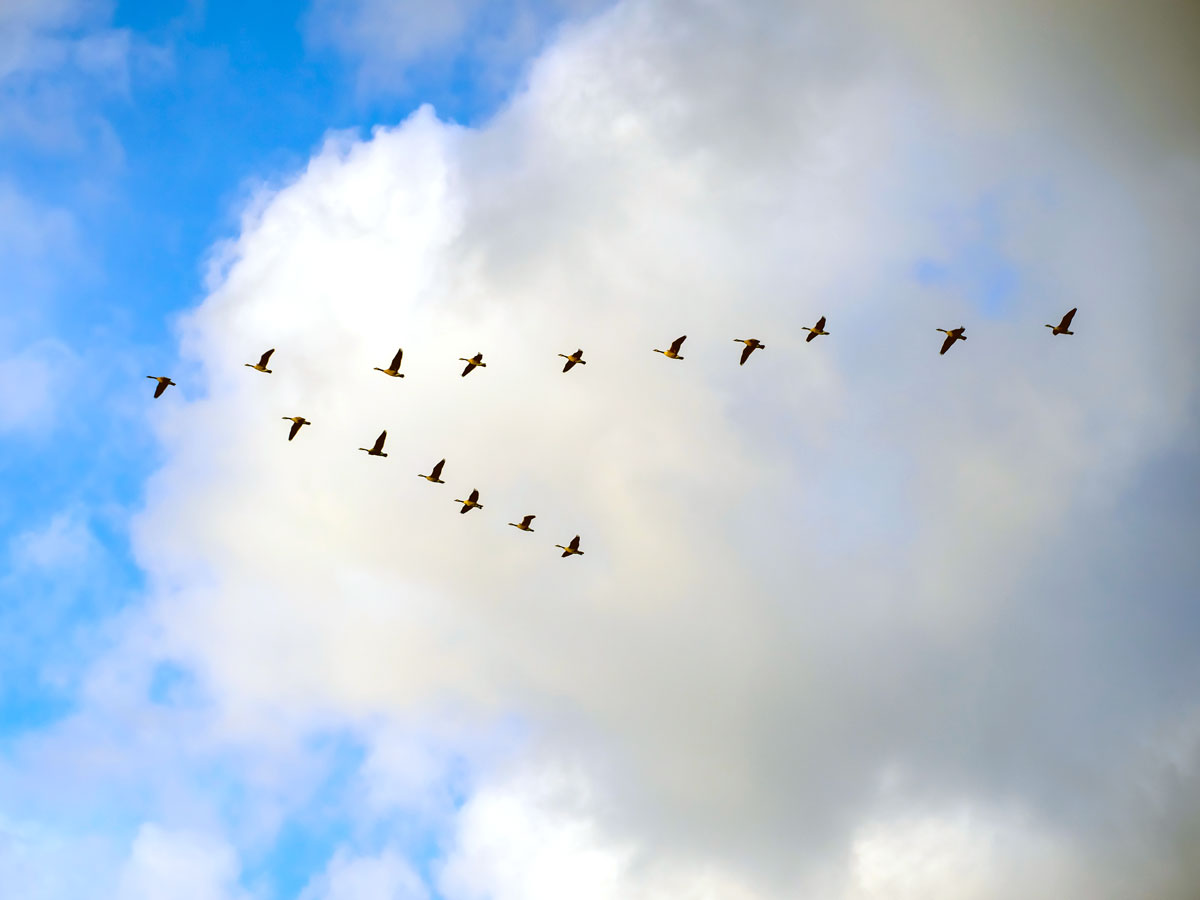
Perhaps because the sky is their domain and not ours, birds have an unfortunate habit of colliding with planes. White paint helps reduce the risk of such midair collisions, 17,228 of which occurred in 2019 alone (though only about 3% of bird strikes cause damage to the aircraft or, even more rarely, fatal accidents). White contrasts with the sky and ground better than darker colors would, allowing our feathered friends to identify planes from farther away and keep their distance.
Damage Control
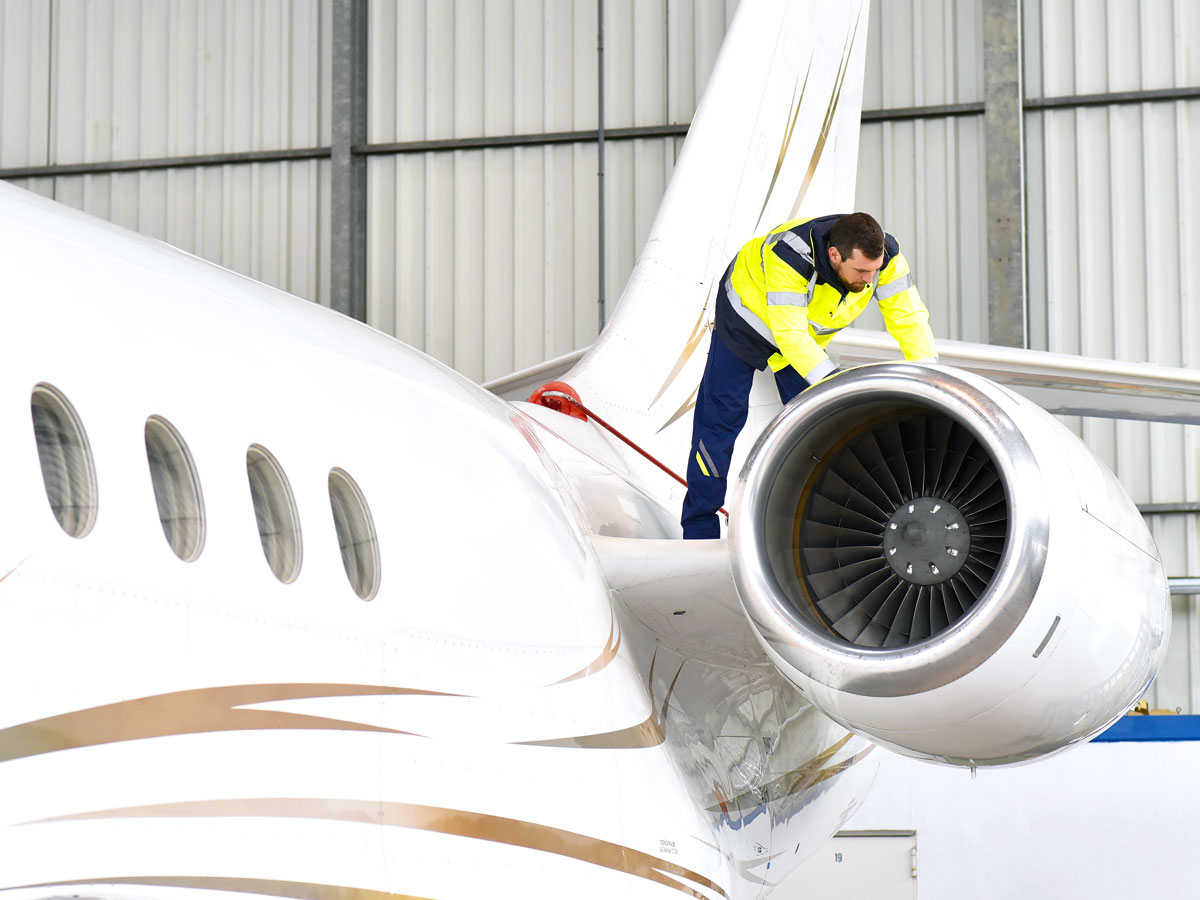
If you have trouble keeping your favorite pair of white shoes clean, you’ll understand why this is actually a good thing when it comes to planes. Damage — whether from birds, structural issues, oil spills, or anything else — is easiest to spot on a white surface and therefore easier to repair, which helps keep maintenance costs low.
Resistance to Fading
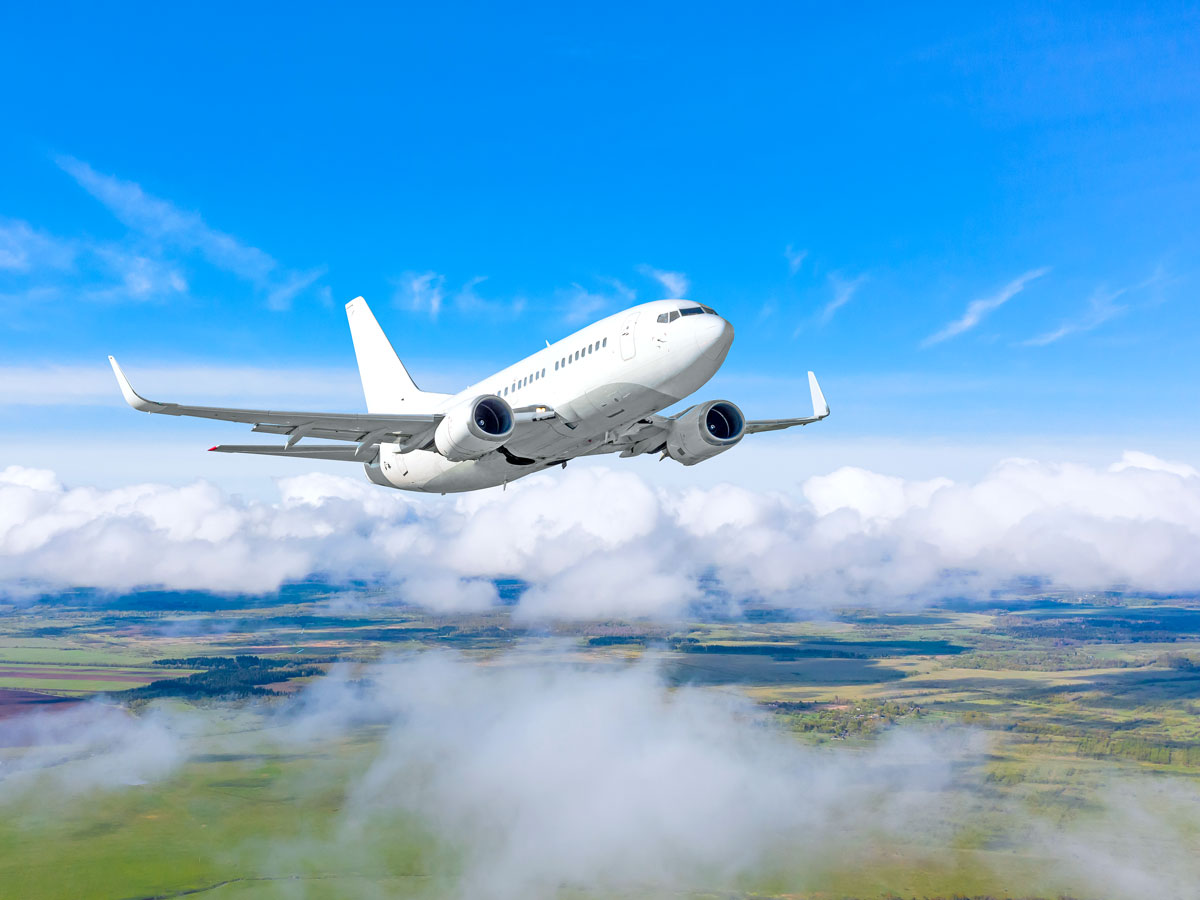
Painting a plane is expensive — typically between $175,000 and $200,000 per commercial aircraft. It’s also a time-consuming process required to reduce potential corrosion and keep planes looking fresh. White paint doesn’t fade as quickly as other colors because it reflects UV rays at high altitudes, meaning aircraft keep their luster longer. They don’t have to be repainted as often, which in turn helps reduce labor costs and aircraft downtime, so they can stay in the skies making money.
The Bottom Line
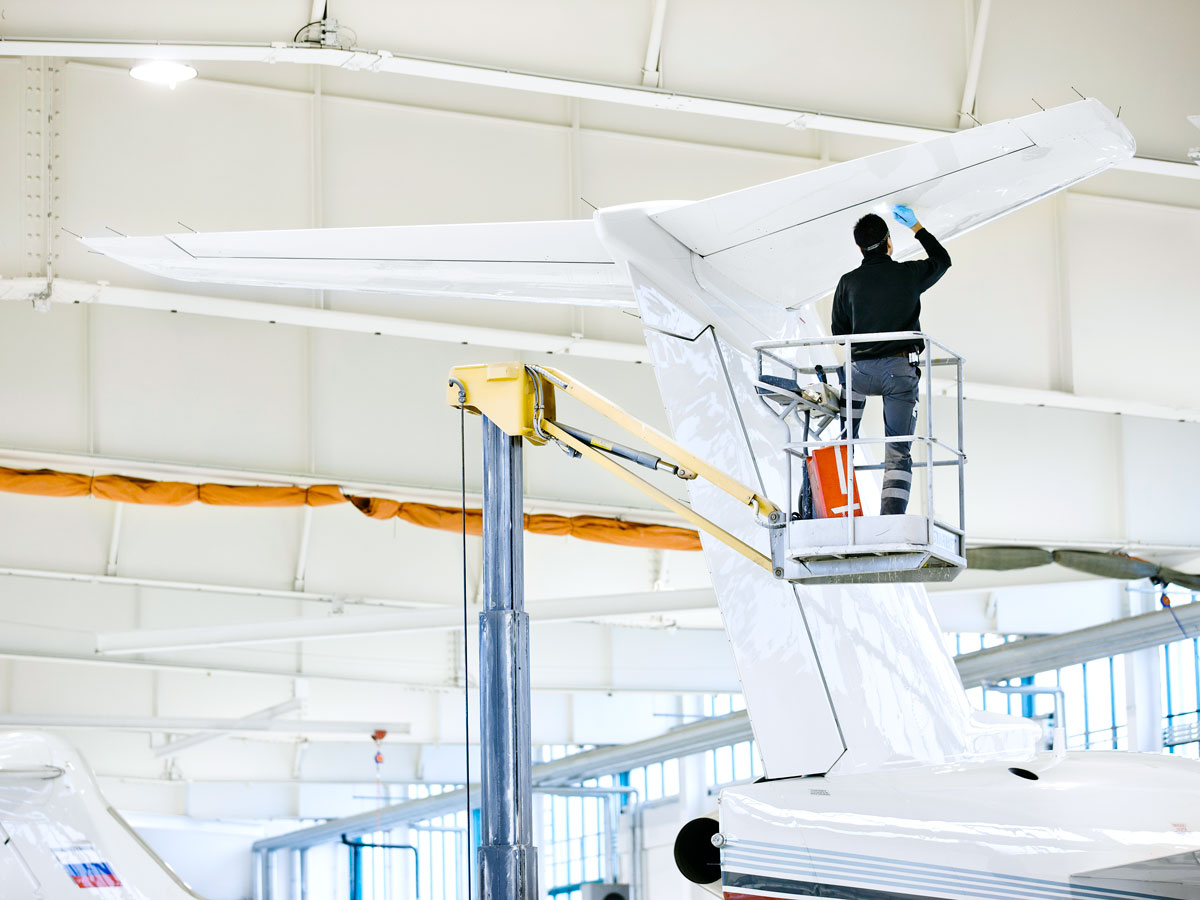
Lastly, white is generally the cheapest paint color, which is especially important when it comes to aircraft — commercial jets have massive surface areas, with Boeing 737s requiring 240 liters of paint and Airbus A380s (the world’s largest commercial aircraft) needing 3,600 liters. At that scale, even a minor difference in price adds up. White is also lighter than other colors, which helps save on fuel. Paint alone can add from 600 to 1,200 pounds of weight to an aircraft, which is the equivalent of several more passengers (none of whom bought a ticket).
More from our network
Daily Passport is part of Inbox Studio, an email-first media company. *Indicates a third-party property.