




Why Don’t Hotels Stock the Minibar Anymore?
Why Don’t Hotels Stock the Minibar Anymore?
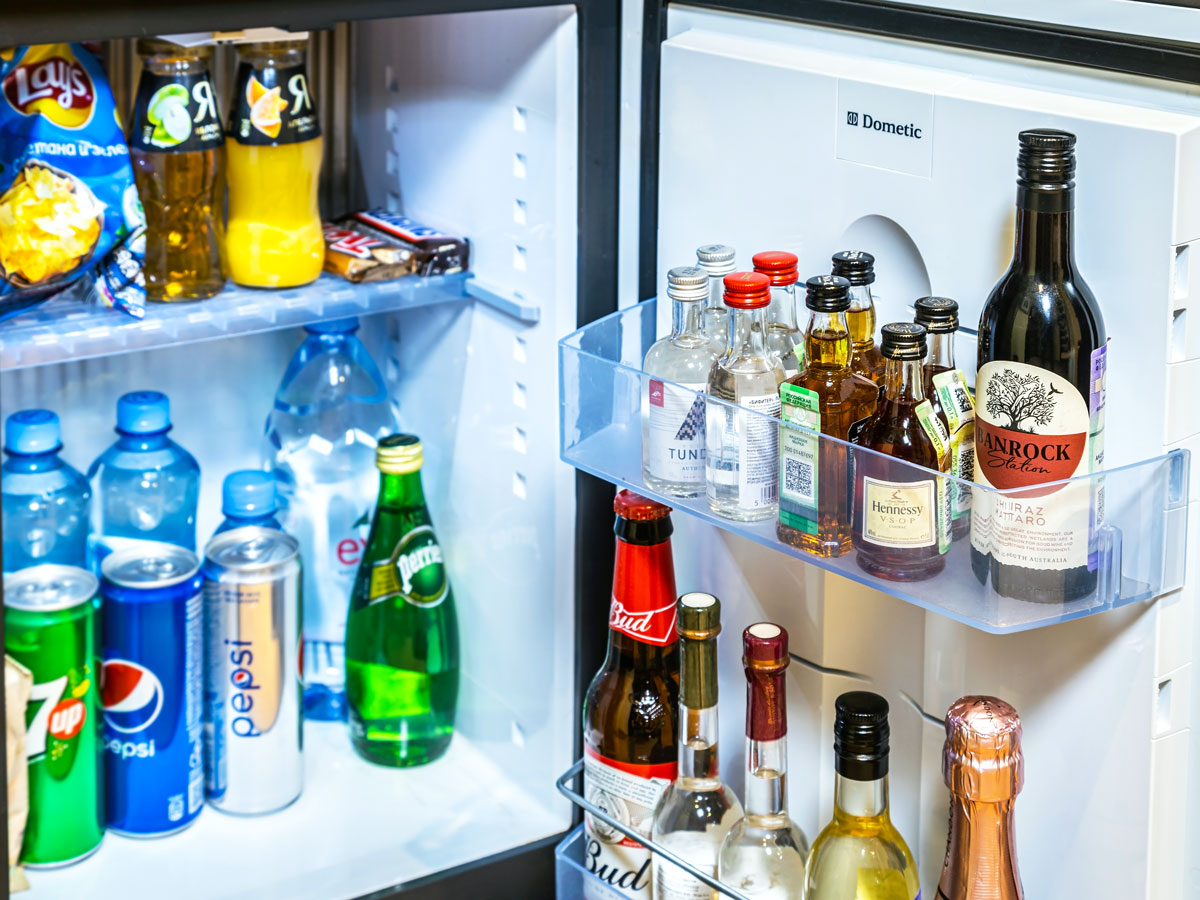

The placement of minibars in hotel rooms dates back to 1974, when the Hilton Hong Kong first installed fridges stocked with liquor in each of its rooms. The move proved so popular (and profitable) that it was soon rolled out across other properties in the chain. It wasn’t long before minibars became standard in high-end hotel rooms across the world. These days, however, you’ll often open the door of your minibar — if there is one at all — to find the shelves completely empty. So, what’s changed? Discover why hotel minibars have fallen out of favor over the years.
Changing Conveniences
To be a hit with guests, hotel minibars need to stock the items that they want — and therein lies the problem. We’ve become used to having precisely what we want, when we want it. Convenience stores close to the hotel can offer a much wider range and have longer opening hours than they once did. Simply put, minibars just can’t compete on choice.
But what about convenience? The ease of using a minibar has also become less of a factor in the age of ubiquitous convenience stores, increasingly popular hotel lobby grab-and-go shops, and the presence of delivery apps like DoorDash and Uber Eats, which hotel chains have partnered with to provide convenient food delivery options to guests’ rooms.
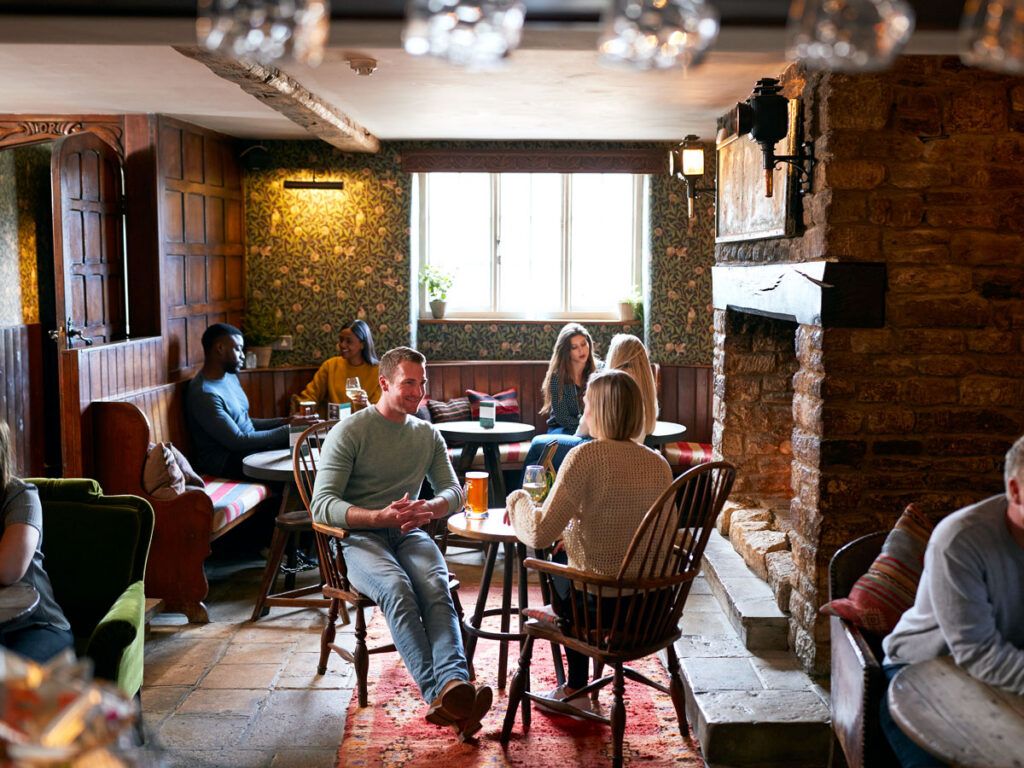
According to PKF Hospitality Research, more guests are also opting to socialize at the hotel bar instead. And in 2013, guests surveyed by TripAdvisor ranked the minibar as the least important amenity in a hotel. As you’d expect, it has become even less of a consideration in the years since.
Why Minibars Are So Expensive
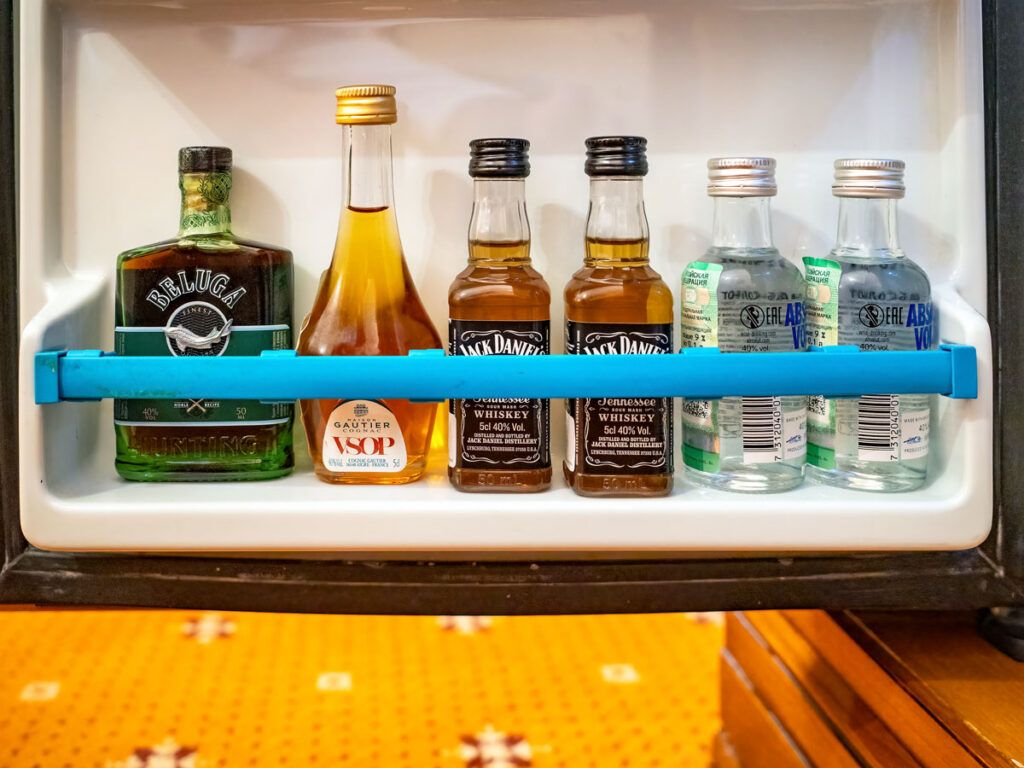
You’re paying, in part, for convenience, but there are also costs associated with stocking and restocking items, potential theft, and replacing expired items.
It all adds up. Stay at the Four Seasons in Istanbul, for instance, and a snack of pistachio nuts will set you back almost $20 USD, while washing it down with a Coke adds a further $14. Of course, those who can afford the hotel (rooms start at around $650 a night) won’t concern themselves with a few extra dollars in charges, but for the average traveler, the cost is a big reason to steer clear of the minibar.
With many of today’s savvy travelers expecting value for money, it becomes even more costly to stock the minibar if guests aren’t buying the items inside. Restocking is a relatively labor-intensive task: Housekeeping teams need to keep track of what’s been used and report back so that invoices are up-to-date and accurate.
Theft from hotel minibars is another issue. It can be hard to prove; often, it’s a case of comparing the guest’s word against current stock levels. If there is a discrepancy, a hotel might choose not to push the point because of the risk of a poor review, which could be bad for business.
However, technology can help. Modern minibars have sensors installed to register that an item has been removed. Yet, critics argue it isn’t foolproof, claiming that moving products around within the fridge can falsely indicate sales. Guests wary of being charged for something they haven’t used may choose not to open the minibar door at all.
Reimagining the Concept

Some hoteliers have bucked the trend, using the humble minibar as a tool to express a property’s personality. For example, London-bound travelers checking in to the Hotel Indigo Tower Hill can take advantage of free candy and soda from the minibar before venturing out to meet a Beefeater beside the River Thames. At the historic Franklin Hotel in Adelaide, Australia, guests can take advantage of a fully stocked minibar for free as part of the room rate. Partnering with local artisan suppliers, such as offering beers from nearby Cooper’s Brewery, creates opportunities to steer guests to shop for more of the same while they’re in town, a win for local businesses, too.
Sometimes, however, minibar policies aren’t quite so generous. For instance, Hyatt’s Andaz brand offers complimentary nonalcoholic beverages and snacks from the in-room mini-fridge as a perk, but guests often will pay a daily destination fee (also called a resort fee). At the Andaz New York 5th Avenue, this charge amounts to $40 per night, though this also covers other amenities such as unlimited long-distance and international calls plus credit toward parking and laundry.
Elsewhere, provision has its limits. For example, the upscale Maslina Resort in Hvar, Croatia, states that the first round’s on them, but after that, you’ll be charged for what you consume. For many guests, however, even that small gesture is welcome — and perhaps a reminder of a bygone era in hospitality.
Featured image credit: © OlegDoroshin/stock.adobe.com
More from our network
Daily Passport is part of Inbox Studio, an email-first media company. *Indicates a third-party property.