





Why Do Planes Sometimes Dump Fuel Before Landing?
Why Do Planes Sometimes Dump Fuel Before Landing?

Every time a plane takes off, a carefully choreographed process takes place behind the scenes to make sure everything goes smoothly. The amount of fuel that an aircraft takes on before beginning its journey is no exception. A number of factors must be taken into account: the estimated weight of the loaded plane, the fuel it will need to taxi on the ground, the speed it will fly once airborne, and the distance it will travel. On top of that, extra fuel is added for unexpected situations such as the need to divert because of bad weather. But on rare occasions, planes may need to dump fuel mid-flight. Here’s why it happens — and where all that fuel ends up.
Weight Considerations
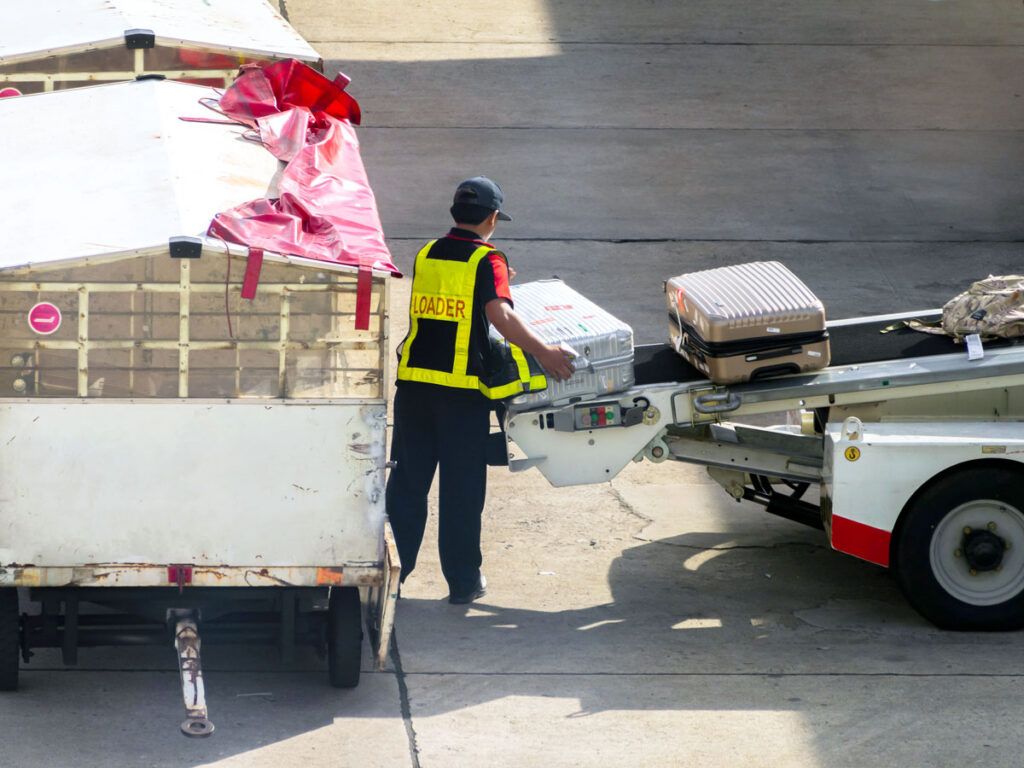
Each aircraft type is designed with a maximum takeoff weight (MTOW) and a maximum landing weight (MLW). The MTOW and MLW for a single plane are not equal, however. Because of the landing gear’s capabilities, the plane needs to be lighter to land than it does to become airborne.
Normally, fuel is burned during the flight so the plane can safely land; however, if a plane develops a technical problem or a medical emergency occurs soon after takeoff, a pilot may determine that turning back is in the interest of everyone’s safety. In this case, the plane would be over its permitted maximum landing weight and would need to burn off — or jettison — fuel before it could begin its final approach.
Avoiding a Hard Landing
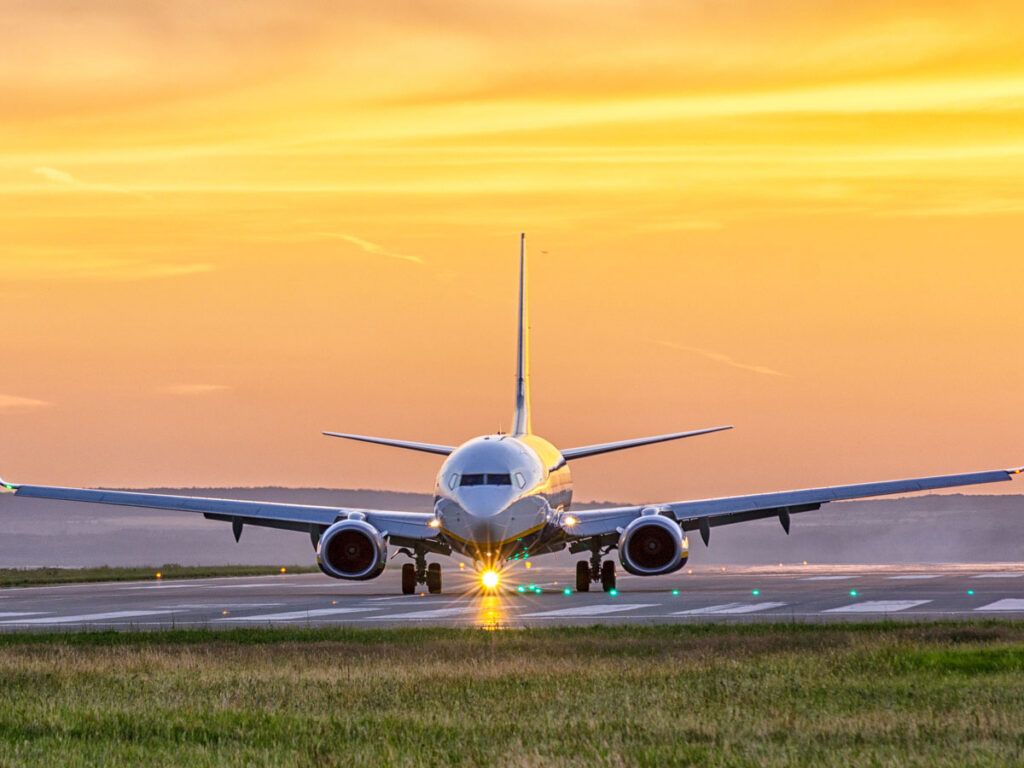
A hard landing is when the aircraft hits the ground in a way that involves more vertical speed and force than would normally be experienced. Though planes are engineered to withstand such landings, they can cause passenger discomfort and anxiety because of the need for heavy braking, and they can increase the chance of damage to the aircraft.
As a consequence, they are avoided if at all possible. If a pilot knows that the plane’s weight is likely to create a hard landing situation, they may request permission to jettison fuel in order to lighten their load. In doing so, they can ensure that the plane is better equipped to perform normally when its landing gear makes contact with the runway.
What Happens to the Fuel?
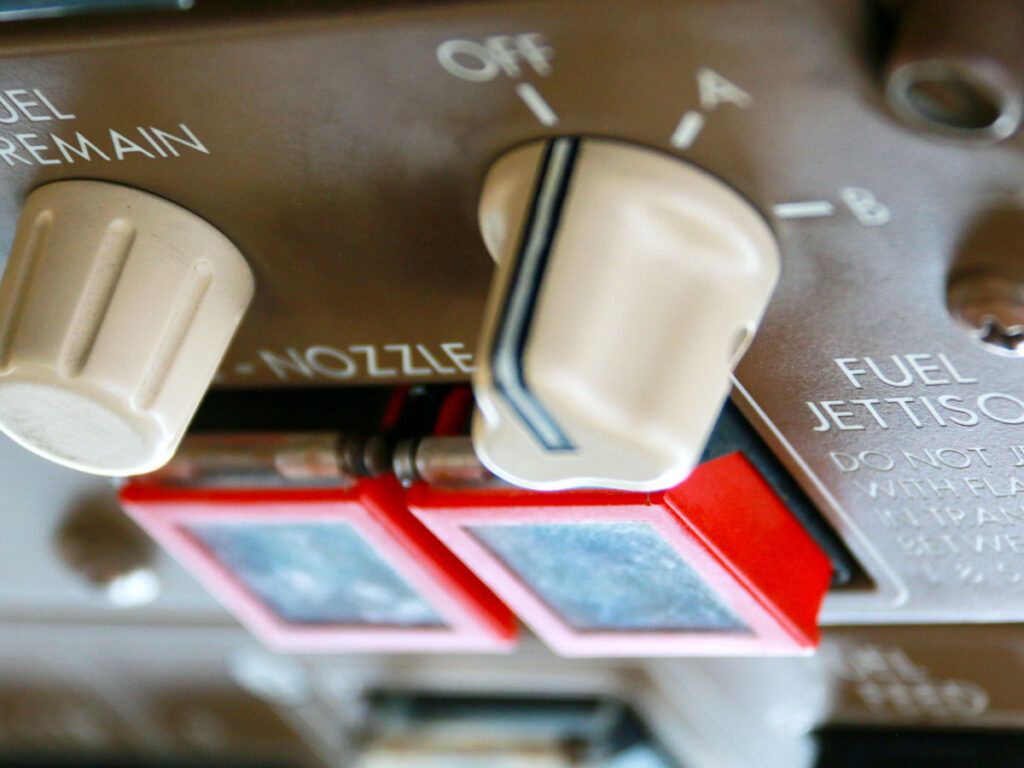
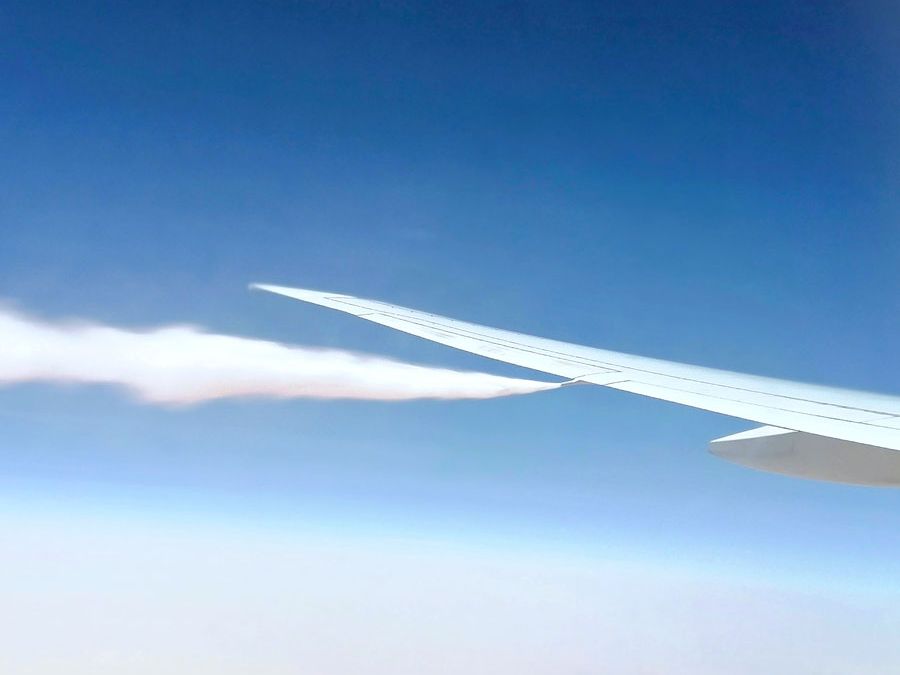
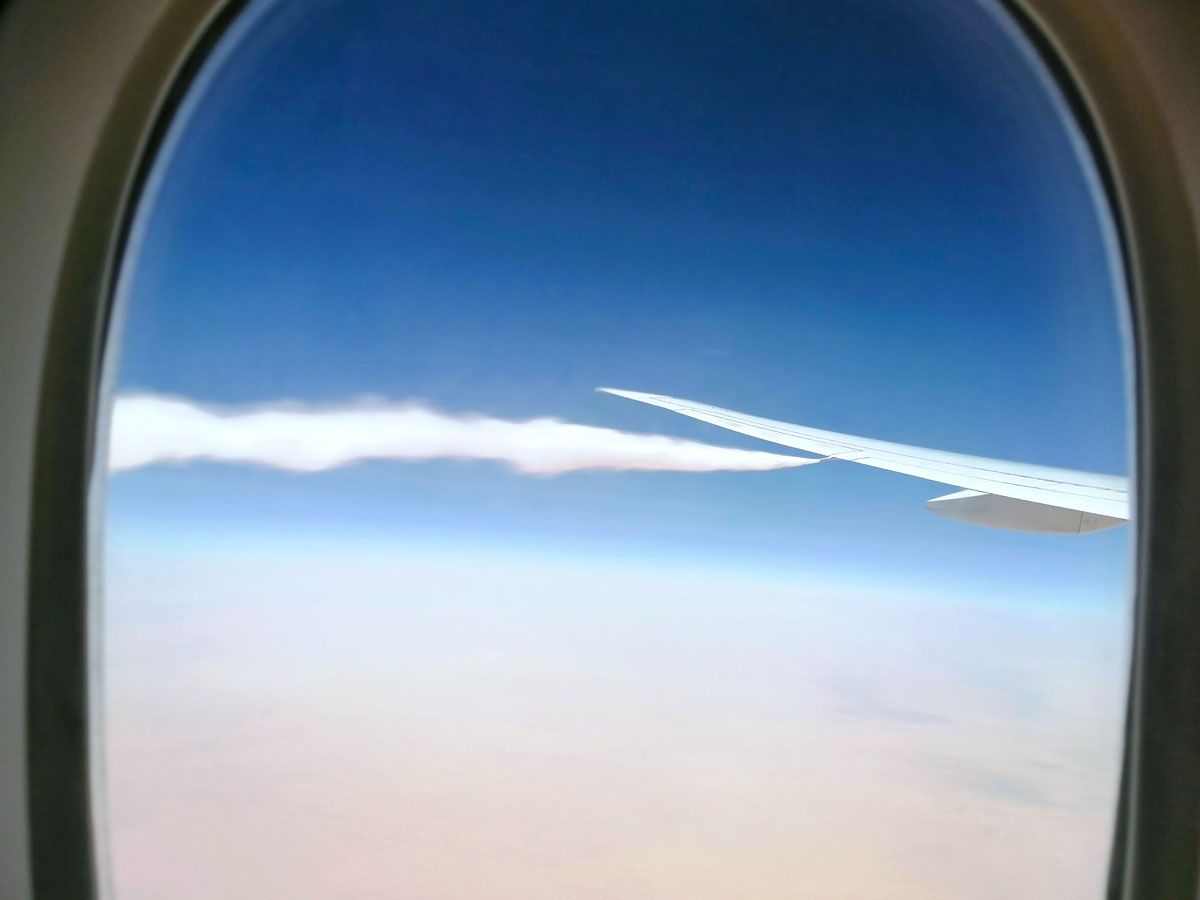
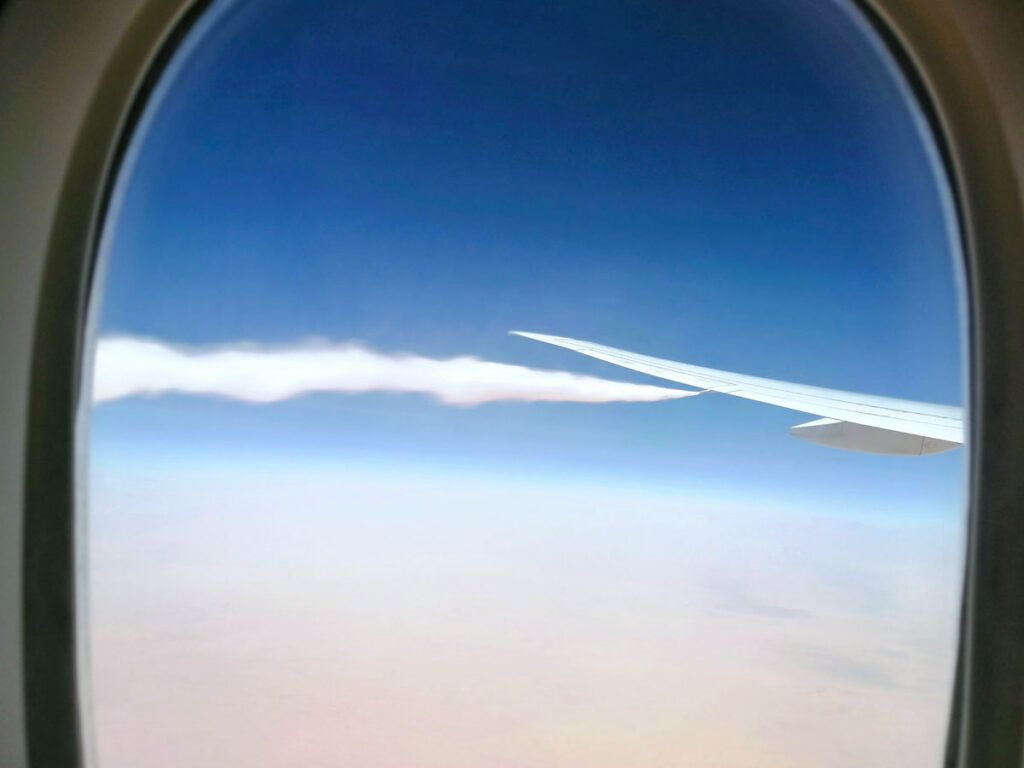
The process of vaporization is a crucial element of the fuel dumping procedure. If a plane has to eject fuel, it does so at a rapid rate through carefully designed nozzles on the aircraft. These turn the liquid into a fine mist, which dissipates quickly, aided by the low atmospheric pressure and the high speeds of the plane itself.
This is also why it is important for the process to occur at a high altitude, typically at least 5,000 to 6,000 feet above the ground. The vaporized fuel will therefore be long gone before it gets anywhere near the ground, especially on warmer days, which speed up the vaporization process.
However, not every type of commercial airliner is able to dump fuel. Two prominent examples without this capability include the Boeing 737 and the Airbus A320, the most popular narrow-body planes on the market. If these planes need to lighten their load, they have to burn off excess fuel while still in the air.
On those aircraft, it is less of a concern because the takeoff and landing weights of smaller planes are much closer, and they carry less fuel overall compared to long-range aircraft like the Boeing 787 or Airbus A380. If an emergency doesn’t permit circling to burn off excess fuel, planes like the Boeing 737 are built to handle heavy touchdowns and can safely land overweight.
Where Fuel Dumping Is Permitted
The FAA issues clear guidelines concerning the separation between aircraft that need to dump fuel and those that may be in the vicinity. In most situations, a pilot must be a minimum of 2,000 feet above and 5 miles apart laterally from the nearest obstacle. This FAA report states that “under Federal Aviation Administration’s (FAA) guidance, such fuel dumps are to be performed over remote or oceanic areas, or at an altitude at which the jettisoned fuel can atomize before reaching the ground.”
However, in emergency situations, permission may be given to dump fuel over populated areas. For instance, this was the case when a Delta aircraft experienced engine thrust loss immediately after takeoff from LAX and had to dump fuel 15,000 pounds over Los Angeles in early 2020.
Because the aircraft dumped fuel at a low altitude, the fuel didn’t have time to dissipate before it reached the homes, businesses, and people below. This resulted in damage to property, and several people were treated for minor injuries as a result of the incident. Though the FAA cleared Delta of any wrongdoing, the airline settled with claimants to avoid prolonged litigation.
More from our network
Daily Passport is part of Inbox Studio, an email-first media company. *Indicates a third-party property.