






The 10 Worst States To Retire In


When it comes to retirement, choosing the right place to live can make all the difference. Retirees looking to settle down need to consider several lifestyle factors, chief among them affordability, quality of life, and access to health care. Luckily, the personal finance site WalletHub tracked all of these factors to determine which states are excellent contenders for retirement — and which ones didn’t measure up. If you’re looking to relocate for retirement, these are 10 states you should probably avoid.
10. New Mexico

New Mexico’s beautiful desert landscapes and affordability are certainly appealing to retirees, but there’s one significant factor for aging seniors that lowers its ranking in the WalletHub study: health care access.
Seniors living in this largely rural state experience difficulties when trying to access hospitals and specialists, a situation made worse by the state’s current health care worker shortage. In just four years, New Mexico is expected to be short of 2,100 physicians, which means that aging residents may not be able to quickly get the care they need. New Mexico also has a higher crime rate than other states in the WalletHub study, which could be a deterrent for more vulnerable populations, like seniors.
9. Rhode Island
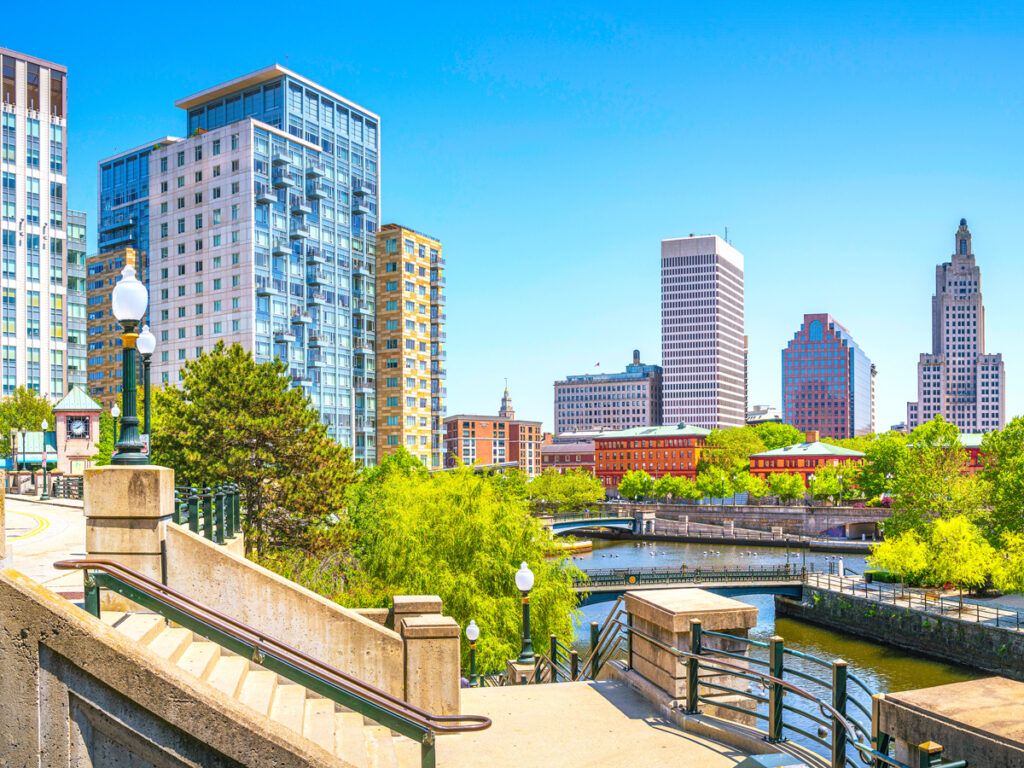
The smallest state in the country is known for its tight-knit communities, a key component to quality of life, especially for retirees. But other important factors diminish its appeal as a retirement destination. Above all else, the cost of living makes it difficult for retirees to choose Rhode Island as a long-term destination. Not only is housing more expensive across the state, but Rhode Island also doesn’t offer significant tax breaks for people on a fixed income, and Social Security benefits are partially taxed.
8. Washington

Washington is another state that holds immense appeal, thanks to its temperate climate, scenic mountains, and access to the coast. But the rising cost of living is taking its toll on the senior population, with a separate study calculating that a comfortable retirement costs nearly $1 million per person. Although the state’s lack of income tax does provide some relief, the generally high cost of living, coupled with a high state sales tax, makes Washington unappealing for retirees on a strict budget.
7. Arkansas
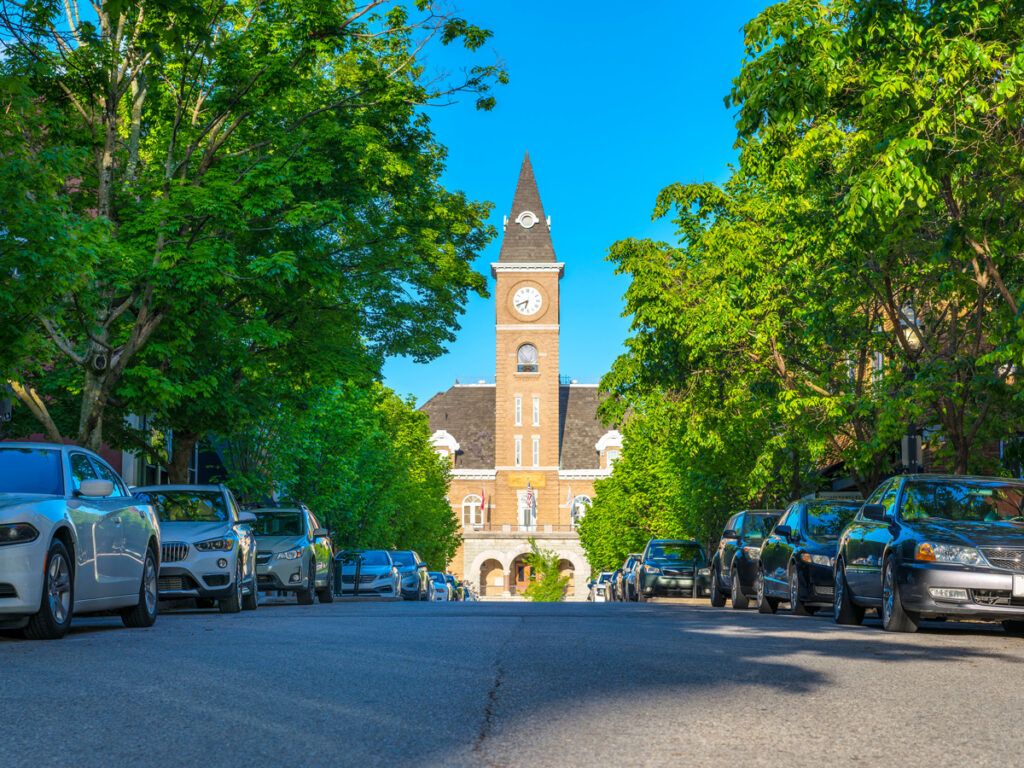
On the one hand, Arkansas is one of the most affordable states to retire in, making it an easy choice for seniors whose budget is a priority. However, it’s also one of the worst states for health care access in the country, with recent cuts to Medicaid widening the gap for affordable care. Since nearly half of the state’s population lives in rural areas, many seniors have to travel to receive care, creating more barriers to a comfortable, healthy life in retirement.
6. New York
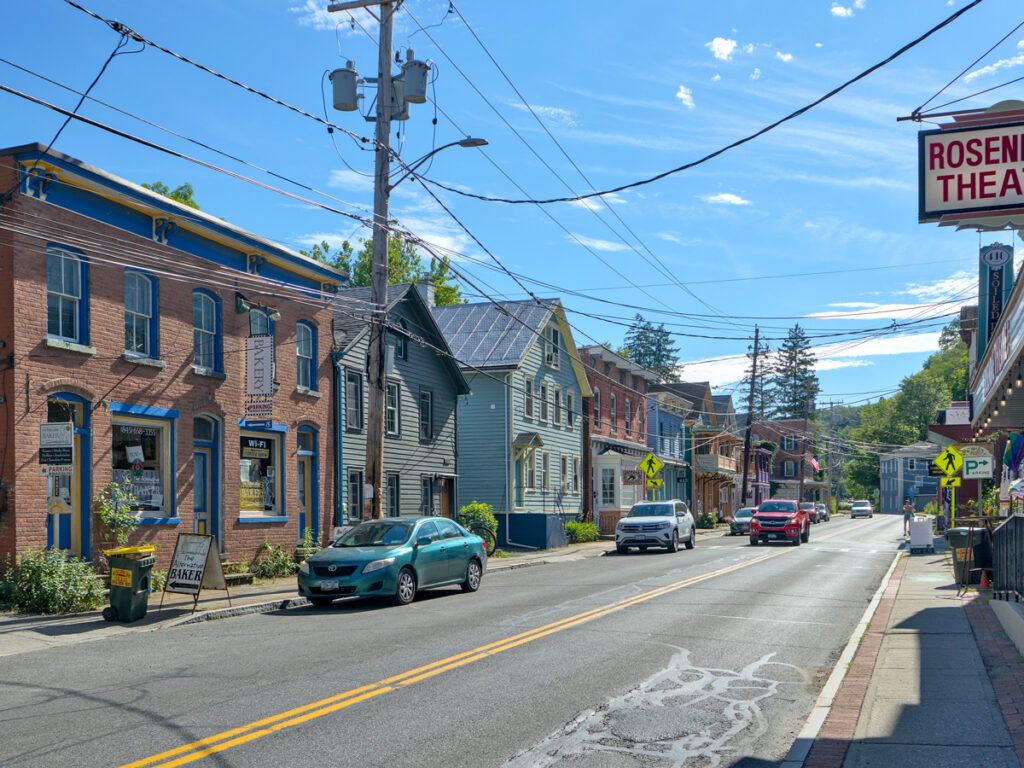
New York has an excellent health care system, and many of the state’s health initiatives have improved overall life expectancy. However, New York is also famously expensive. Across the state, housing prices are higher than the national average: New York ranks as the third-most expensive state for renters, while upstate New York has some of the highest property taxes in the country. This means that retirees who want to live long-term in New York need to have a lot of savings to make it work.
5. Hawaii

The Aloha State is a dream location for most retirees. Not only does Hawaii consistently rank as the happiest state in the country, but it also enjoys a longer life expectancy than any other state. But all of these benefits come at a high premium.
The high cost of living in Hawaii can make it difficult for retirees to live on a fixed income. Median home prices are over $800,000, while rental costs remain sky-high due to limited housing availability. Imported goods, including food, are expensive due to shipping costs, and electricity is approximately double the national average, all of which make Hawaii pricier for retirees.
4. West Virginia
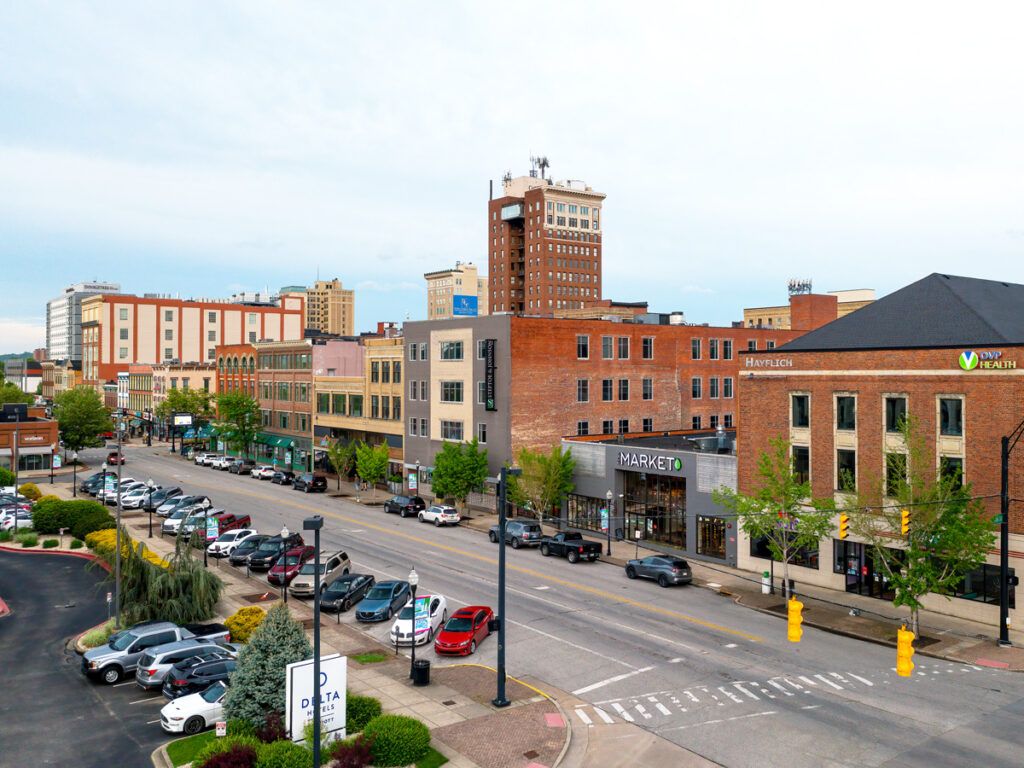
West Virginia’s low cost of living might appeal to budget-conscious retirees, but there are some downsides to the state as a retirement destination. West Virginia has faced economic challenges due to the loss of industry, which has contributed to the state’s consistently high poverty rate.
The state also faces difficulty with health care access, especially since many residents live in rural and difficult-to-reach mountainous areas. For seniors, this creates more barriers to receiving care, including longer drives to medical appointments and fewer assisted-living facilities.
3. Mississippi
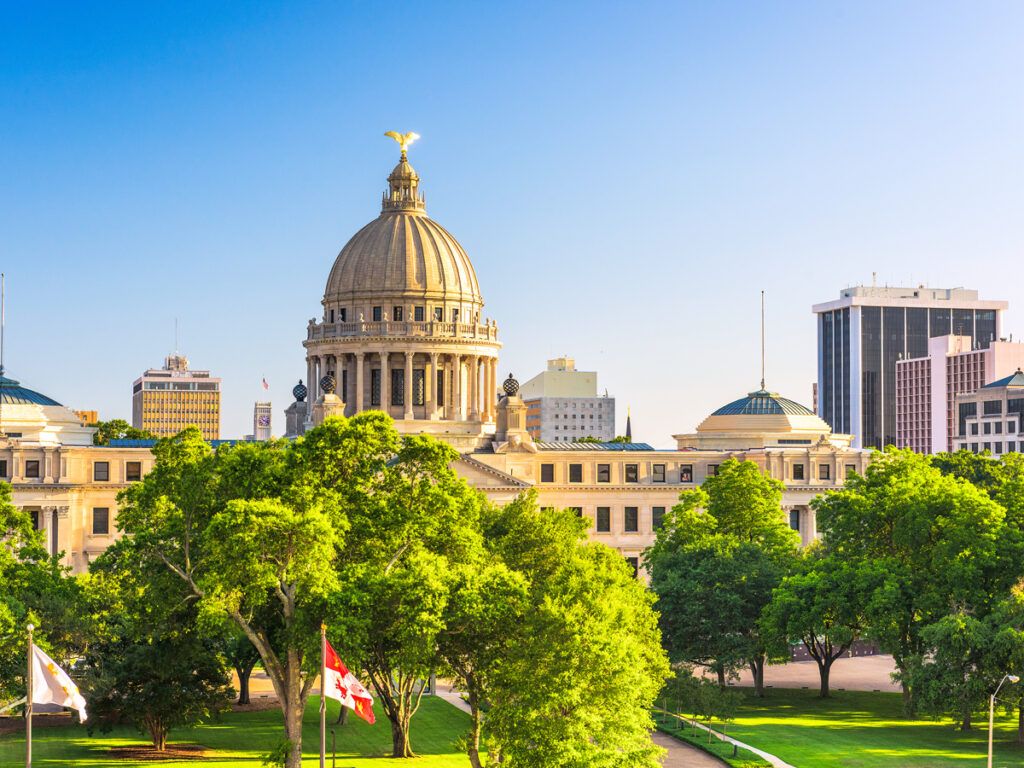
Although Mississippi has some of the lowest living costs in the country, the state doesn’t rank quite as favorably when it comes to health care, life expectancy, and long-term well-being, all of which are important to aging adults. Mississippi’s public health challenges include a high rate of serious chronic illnesses, including heart disease, obesity, and diabetes. When paired with lower health care access, Mississippi might not be the best choice for your golden years.
2. Oklahoma

Like other states on this list, Oklahoma is one of the most affordable states to retire in, but it has some drawbacks for aging adults. Physician shortages are common throughout the Sooner State, with a lack of primary-care doctors and general surgeons in particular. This results in a worsening health care system that is under pressure throughout the state, especially for seniors who require regular medical attention. The region’s severe weather, including tornadoes, hail, and dangerous winds, also may be undesirable for more vulnerable populations, like seniors.
1. Kentucky

According to the 2026 WalletHub report, Kentucky ranks as the worst state to retire in, largely due to health care challenges. In a separate study, Kansas recently ranked the worst in the country for Medicare users and has some of the country’s worst health outcomes for its aging population. In general, Kentucky residents frequently experience gaps in their health care, including high costs and delays in care. Because of this, Kentucky holds less appeal for long-term living, especially for anyone who lives outside of urban areas, where health care access is even more limited.
More from our network
Daily Passport is part of Inbox Studio, an email-first media company. *Indicates a third-party property.