





What Is the 24-Hour Rule for Airline Tickets?
Ever clicked “buy” on an airline ticket and instantly regretted it? Maybe you accidentally picked the wrong date or airport, maybe you spotted a better fare with another airline, or perhaps you simply reconsidered the trip altogether. That’s where the 24-hour rule comes into play. This helpful government policy affords you the flexibility of a full refund on the price you pay for an airline ticket within 24 hours, with certain conditions. Here’s everything you need to know.
A Guide to the 24-Hour Cancellation Rule

The U.S. Department of Transportation stipulates that:
- Airlines are required to allow customers to cancel their reservation for any reason, without penalty, for a 24-hour period after the ticket is purchased.
- Airlines must provide a full refund to the original form of payment, instead of only a voucher or travel credit.
- Alternatively, airlines can offer a free hold, prior to purchase, to allow customers to secure the price of the ticket for 24 hours. (However, airlines don’t have to offer both a free hold and a refund without penalty.)
- This policy applies on flights to, from, or within the United States, whether the airline is based in the U.S. or internationally.
- Importantly, the rule applies only for tickets that are purchased at least seven days or more in advance of the scheduled departure date.
It doesn’t matter which type of ticket you buy, so yes, it even works for basic economy. However, airlines aren’t required to provide free ticket changes within 24 hours — only refunds. So if you see the price has gone down after you purchase, but there’s a change fee associated with your ticket, it’s probably a better bet to just cancel your original ticket (if it’s been less than 24 hours) and buy a new one.
When the 24-Hour Rule Does Not Apply
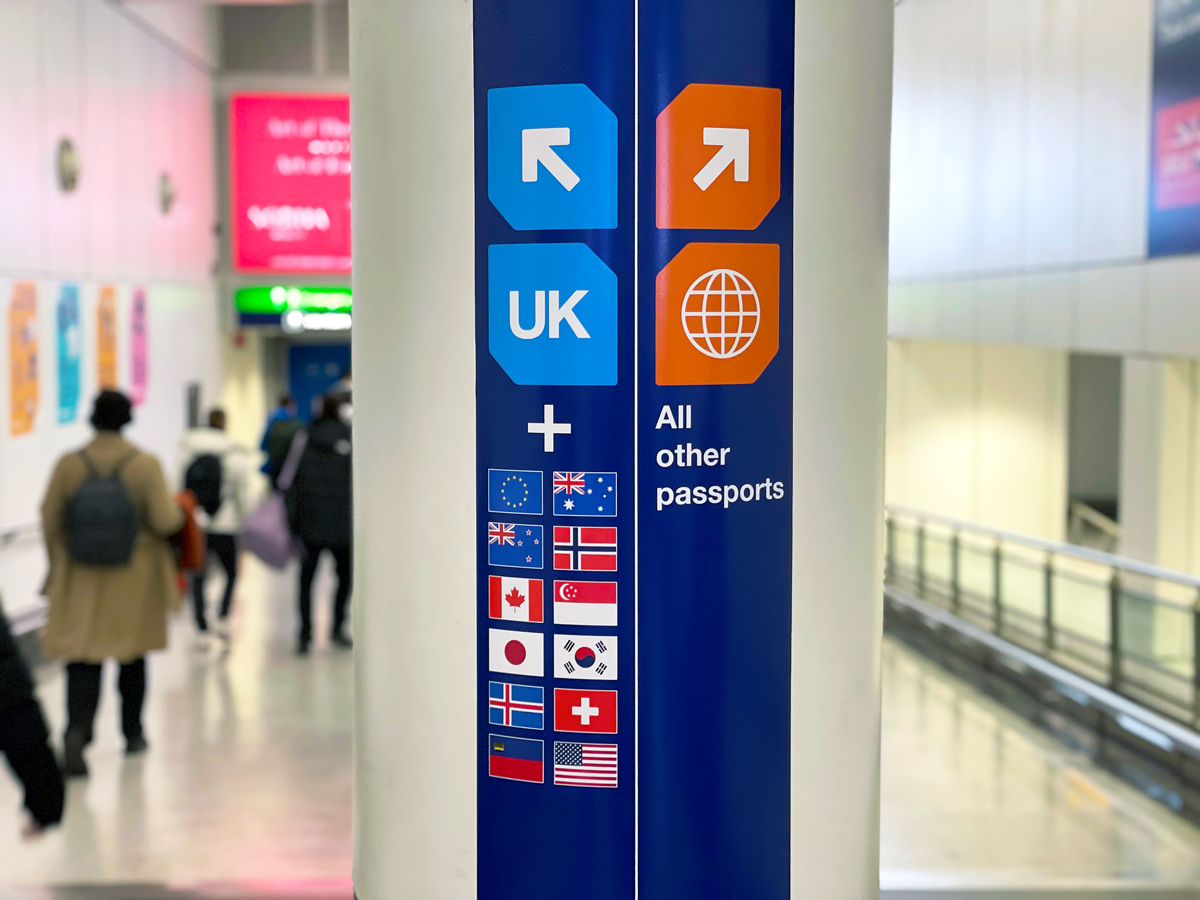
The most obvious exception to the 24-hour rule is for flights outside the U.S., so take extra caution when booking intra-Europe flights for your big Europe trip. That said, while the EU doesn’t formally require airlines to offer free 24-hour cancellations like the U.S. does, you’ll find that, in practice, many European airlines offer the policy as a courtesy anyway. The same is true for other airlines, like Air Canada.
Additionally, it’s worth repeating that the 24-hour policy doesn’t apply to last-minute purchases. If you’re booking a ticket for travel within the next seven days, make sure your plans are set, because in most cases you won’t be able to cancel for a full refund without penalty.
In practice, though, it depends on the airline, so always check your individual airline’s policy. For example, American Airlines lets you cancel for a full refund if you’ve booked two or more days before departure; with Alaska Airlines, it has to be at least one day before travel.
The rule is also different for tickets booked through a travel agency or online travel agency (OTA) instead of directly with the airline. Technically, the DOT’s rule does not stipulate that third parties must provide the same flexibility; the rule applies only to airlines themselves. However, you’ll find that many OTAs, such as Expedia, still offer free cancellations for any reason within 24 hours; just be sure to check those policies before you book.
What To Do After 24 Hours

The 24-hour rule can be a useful tool for travelers to score a deal. With dynamic, frequently fluctuating pricing of airline tickets, you can snap up a great fare and think if they really want to commit after the fact. But what if it’s been more than 24 hours since you purchased the ticket?
Unfortunately, most tickets airlines sell, especially the lowest fares, are nonrefundable. The good news is that, during the pandemic, many U.S. airlines permanently eliminated change fees (except on basic-economy tickets). That means if you need to change your ticket, you can do so without penalty; you’ll just need to pay a fare difference. If you can no longer travel and aren’t sure when you’ll be able to reschedule, you’ll be able to cancel the ticket for a future travel credit, without any fee.
Additionally, under new DOT regulations enacted in late 2024, U.S. airlines are required to offer a full refund for any significant flight disruptions. In this case, “significant” means three hours or more for a domestic flight or six hours or more for an international flight. If the airline changes it for any reason, at any point up until departure, you are entitled to a full refund, should you not accept their alternative arrangements. This applies to day-of-departure disruptions such as weather or crew availability, but you can also get a refund any time before then if, for example, the airline changes its schedule and moves you to a flight three or more hours later (for domestic travel).
Featured image credit: Yuliia Kaveshnikova/ iStock via Getty Images Plus
More from our network
Daily Passport is part of Inbox Studio, an email-first media company. *Indicates a third-party property.