




Gallery: What Famous Landmarks Look Like From Other Angles
Gallery: What Famous Landmarks Look Like From Other Angles

Some landmarks around the world don’t need any introduction. They’re instantly recognizable from postcards or textbooks, framed and preserved from the same considered angles that made them so famous. But what if you took a different view? Move to the west or east, look up or down, and suddenly those familiar spots can look quite different. Often, these alternate perspectives reveal complex engineering or added context that visitors normally miss. Check out six famous landmarks seen from unusual angles, reminding us that even the most well-known places can still have surprises hidden in plain sight.
Golden Gate Bridge – San Francisco, California
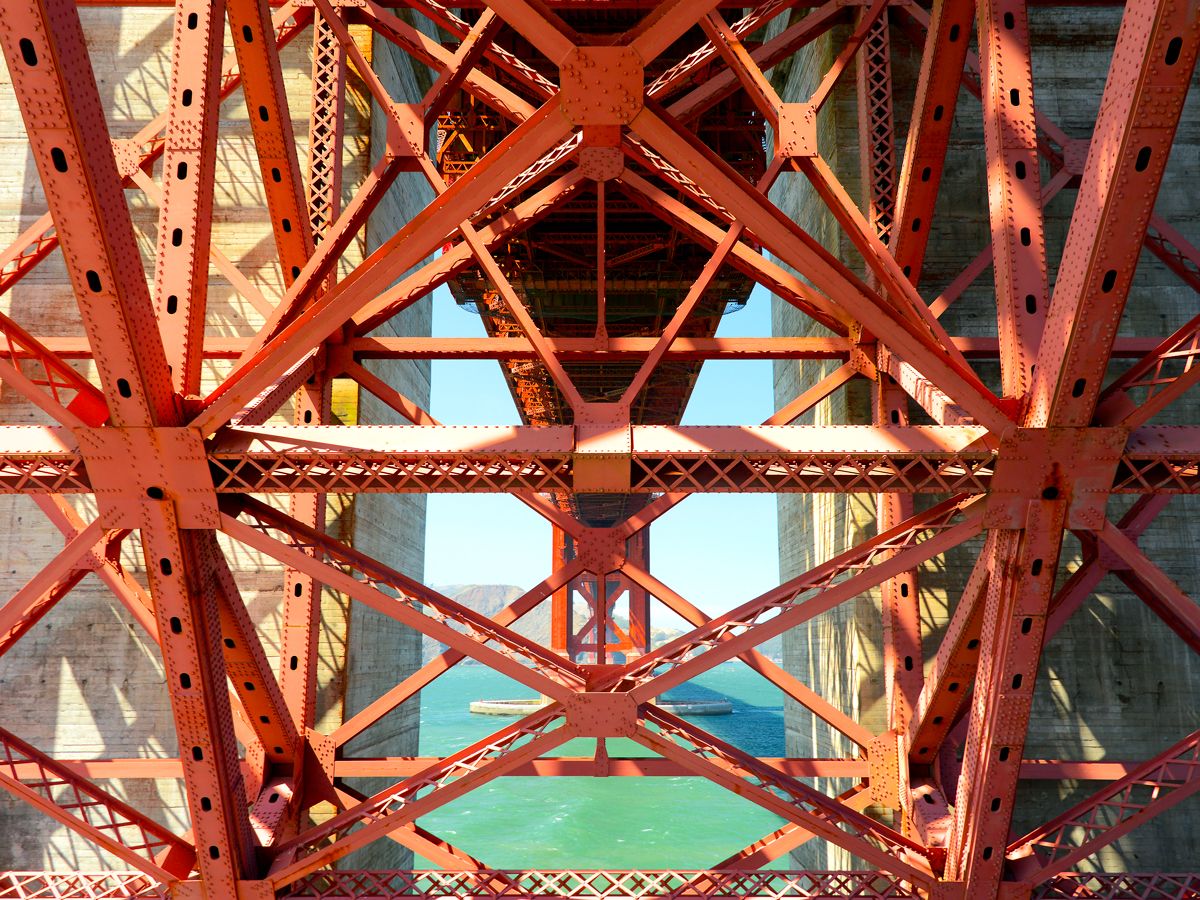
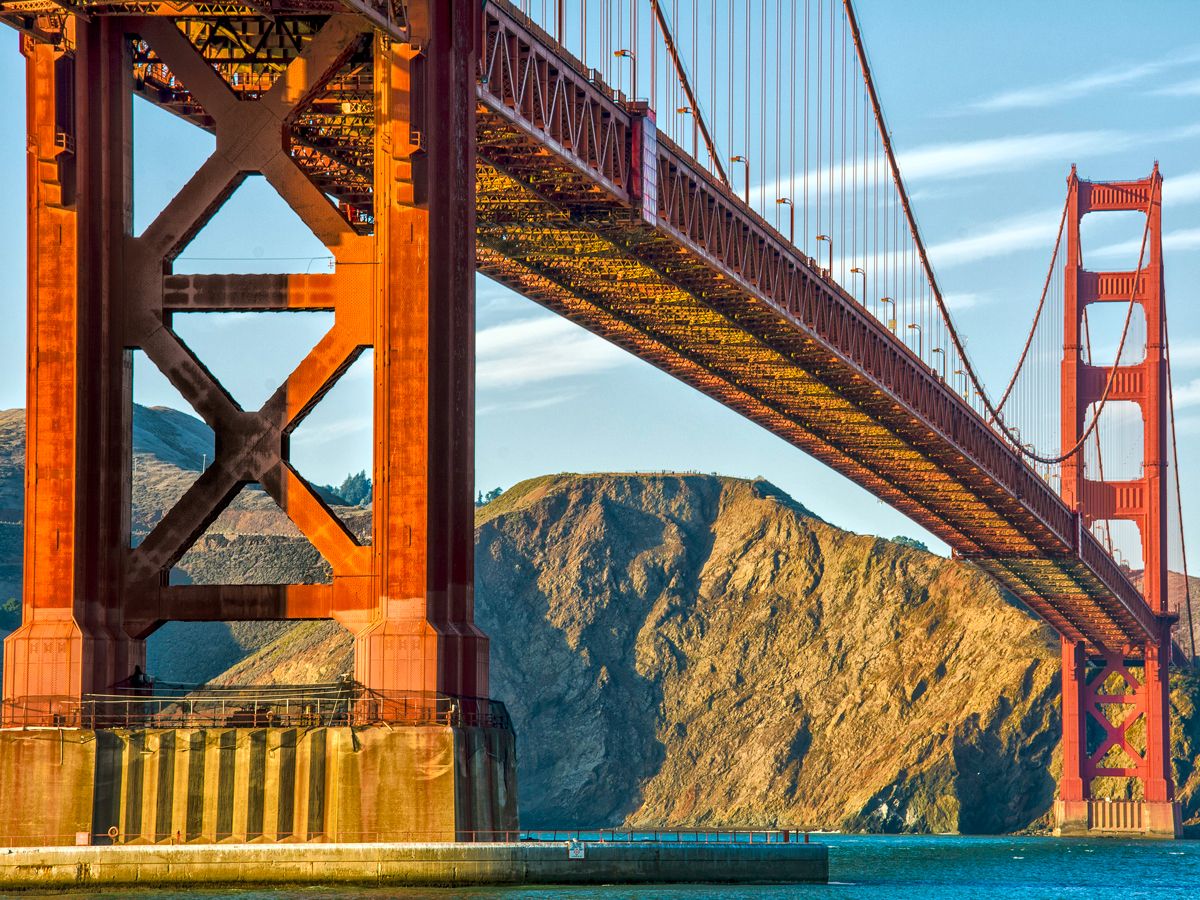
From below, the Golden Gate Bridge feels less like a beautiful bridge and more like an enormous piece of machinery. The familiar framework becomes an impressive web of steel beams, rivets, and cross braces, all luminous in the structure’s distinctive shade of International Orange. Even still, the art deco geometry is unmistakable, and from a different perspective, its lattice, symmetry, and structural elegance can be appreciated in a whole new way.
The Golden Gate Bridge was completed in 1937 after just four years of construction. During the planning, the project’s chief engineer Joseph Strauss made sure to incorporate an arch at the south end of the bridge in order to preserve Fort Point, a Civil War-era fort that predates the bridge by more than 70 years.
Today, underneath that arch, the historic site provides one of the best vantage points to see the underside of the landmark. For a more immersive experience, guided boat tours depart from Fisherman’s Wharf and pass directly underneath the heart of the bridge’s span, giving you a memorable view from the churning waters of the bay.
When your neck needs a break from gazing upward, take a look around for the wildlife who call the area home, including pelicans, sea lions, and, if you’re lucky, an occasional gray or humpback whale.
Great Sphinx of Giza – Egypt
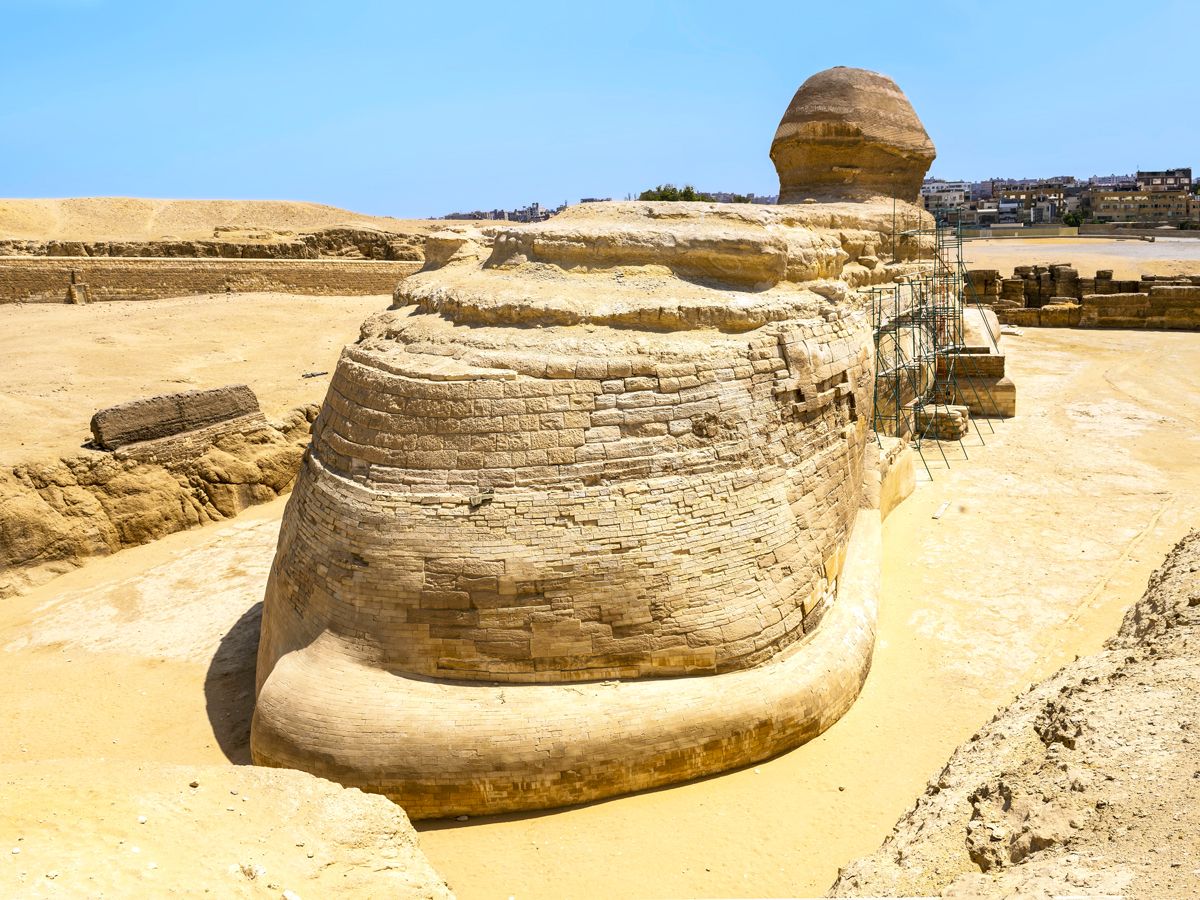
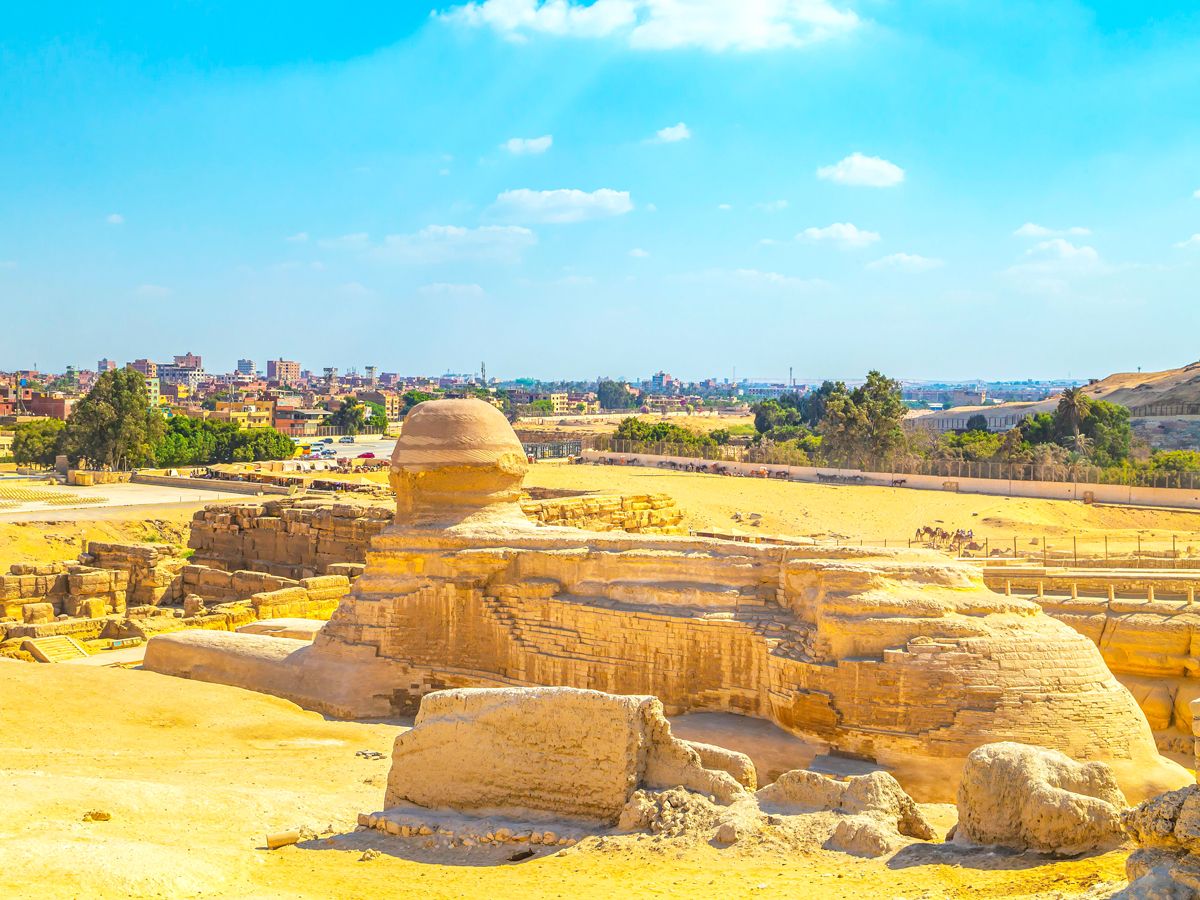
Seen from behind, the Great Sphinx of Giza loses the mystery in its famous face, but what it reveals may be even more striking: its sheer scale. Carved during Egypt’s fourth dynasty around 2500 BCE, the Sphinx is widely believed to represent the pharaoh Khafre, whose pyramid towers nearby. While the front of the Sphinx invites much myth and speculation, especially around its missing nose, the back will make you wonder why not as much is said about the massive tail that wraps around its right rear lion’s paw.
The tail — along with the powerful haunches, back paws, and torso — make up a big portion of the Sphinx’s 240-foot length. Not unlike the front, the rear shows significant weathering from thousands of years of desert winds and sandstorms — wear that would be even worse if not for substantial restorations and layers of limestone blocks added over the years. To take in this lesser-seen perspective yourself, walk the perimeter path around the Sphinx enclosure and face east. There, you’ll also see the nearby urban sprawl that belies images of the mighty Sphinx in the middle of an empty desert.
Eiffel Tower – Paris, France
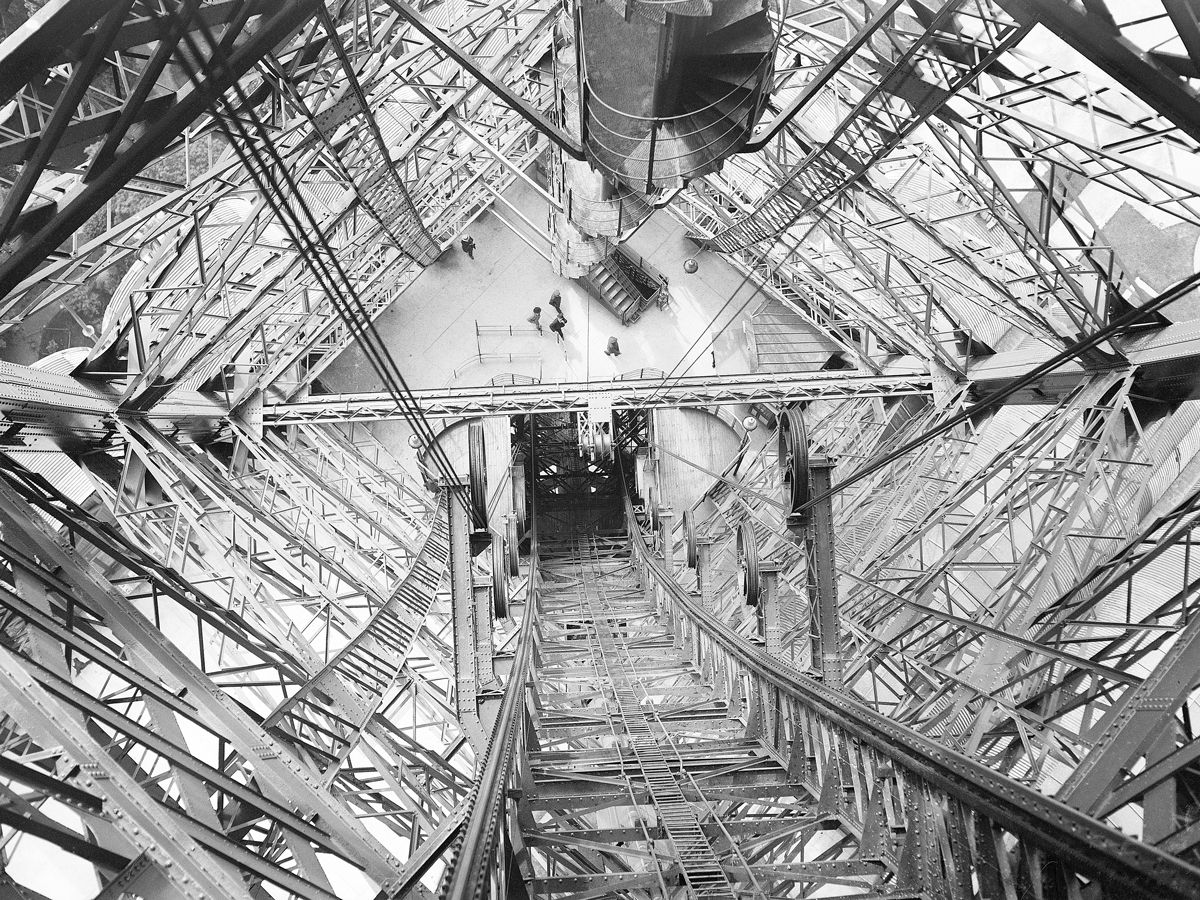
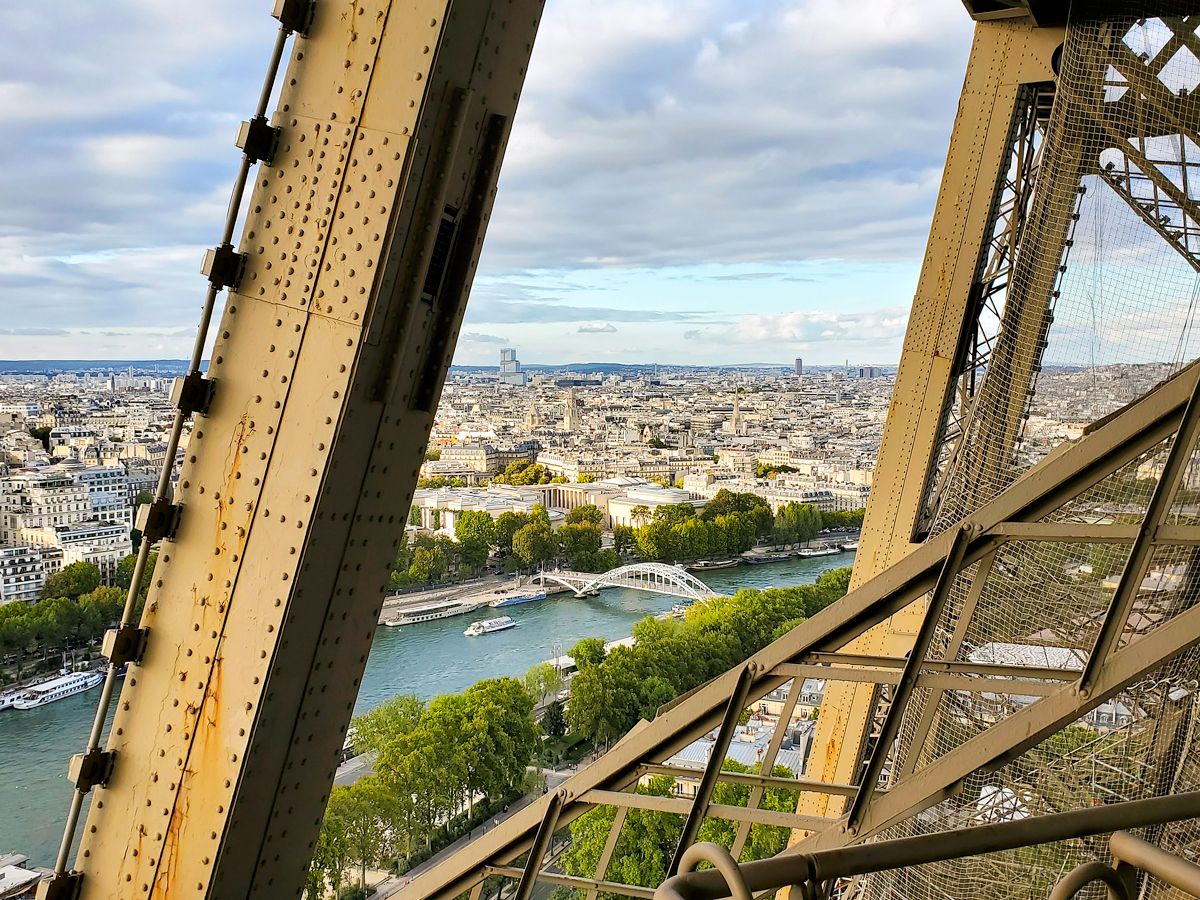
The Eiffel Tower is a Parisian icon, known for its elegant iron frame and glittering nighttime lights. But venture inside and look straight down, and its engineering feats will take on a whole new meaning. There are layers upon layers of crisscrossed beams, exposed elevator shafts and all their required mechanisms, and platforms with people milling about like ants. It’s (quite literally) a dizzying display.
Completed in 1889, the Eiffel Tower was built with more than 18,000 iron pieces, held together by some 2.5 million rivets. From the inside, it certainly feels more mathematical than ornamental. The best way to take in all the nooks and crannies of the tower is to take the 327 stairs from the ground floor to the first floor and an additional 347 steps from there to the second floor. For many, the unique view is worth the climb, and you’ll get stellar vistas of the Paris skyline and the wide-open patchwork of grass and walkways of the Champ de Mars.
Mount Rushmore – Keystone, South Dakota
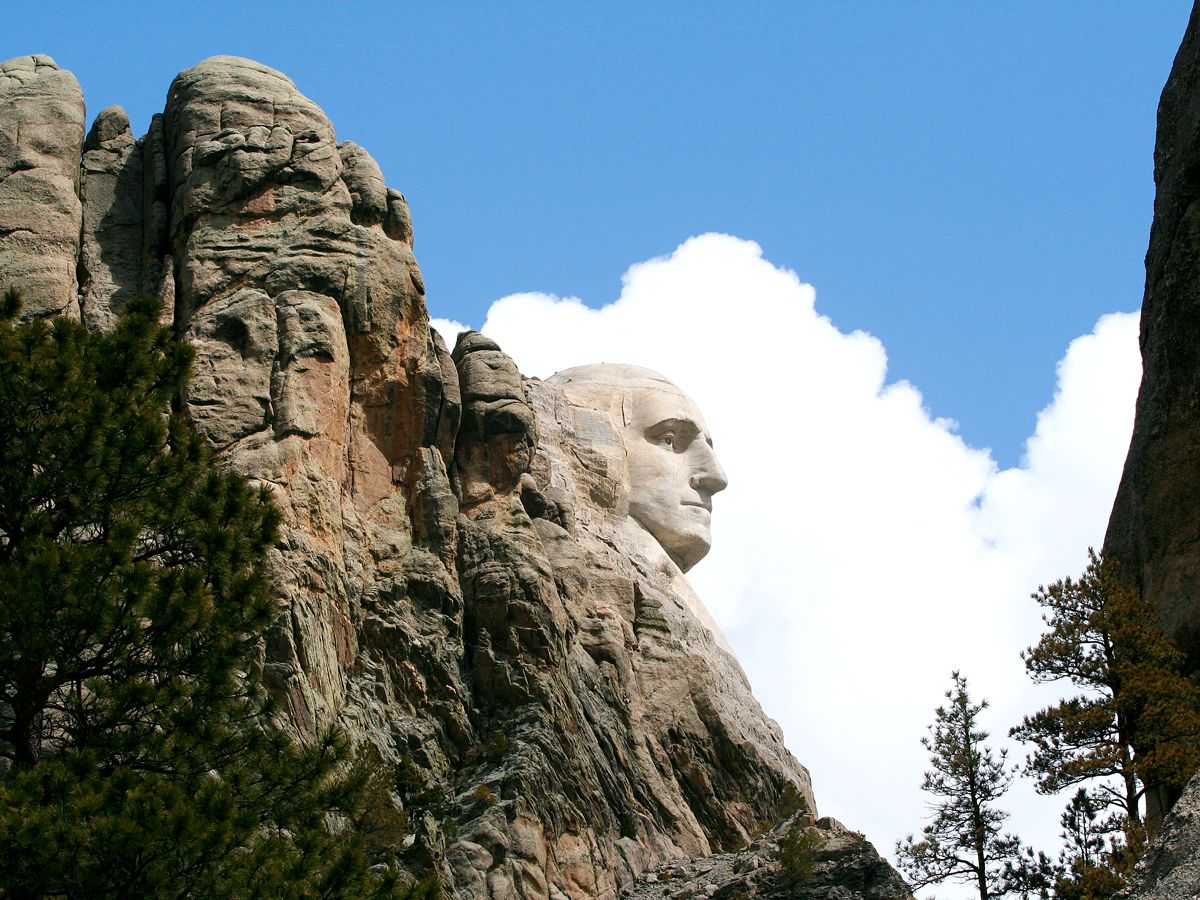
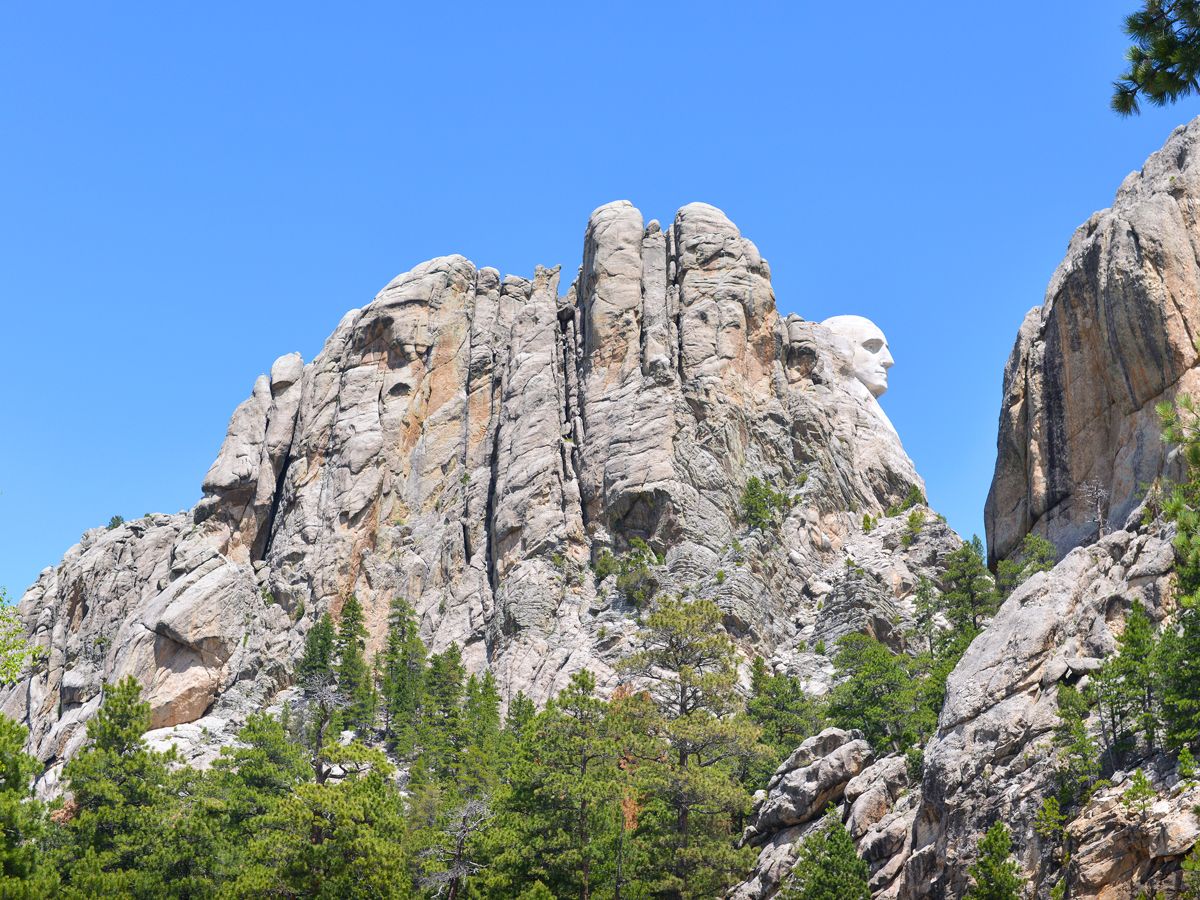
The idea for Mount Rushmore began in 1923 as a tourism pitch, and just over a century later, over 2 million people visit the famous site in the Black Hills every year. Of course, the most familiar view is of the 60-foot faces of U.S. Presidents George Washington, Thomas Jefferson, Theodore Roosevelt, and Abraham Lincoln. Visitors typically view the national memorial after walking up the Avenue of Flags and following the Presidential Trail to various lookouts — or as a drive-by on the scenic Iron Mountain Road.
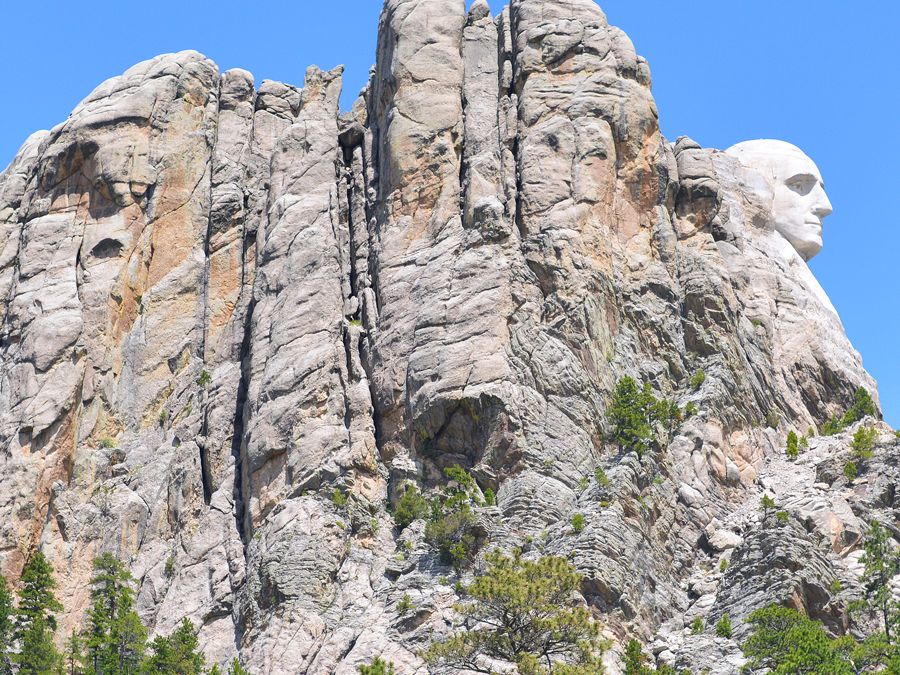
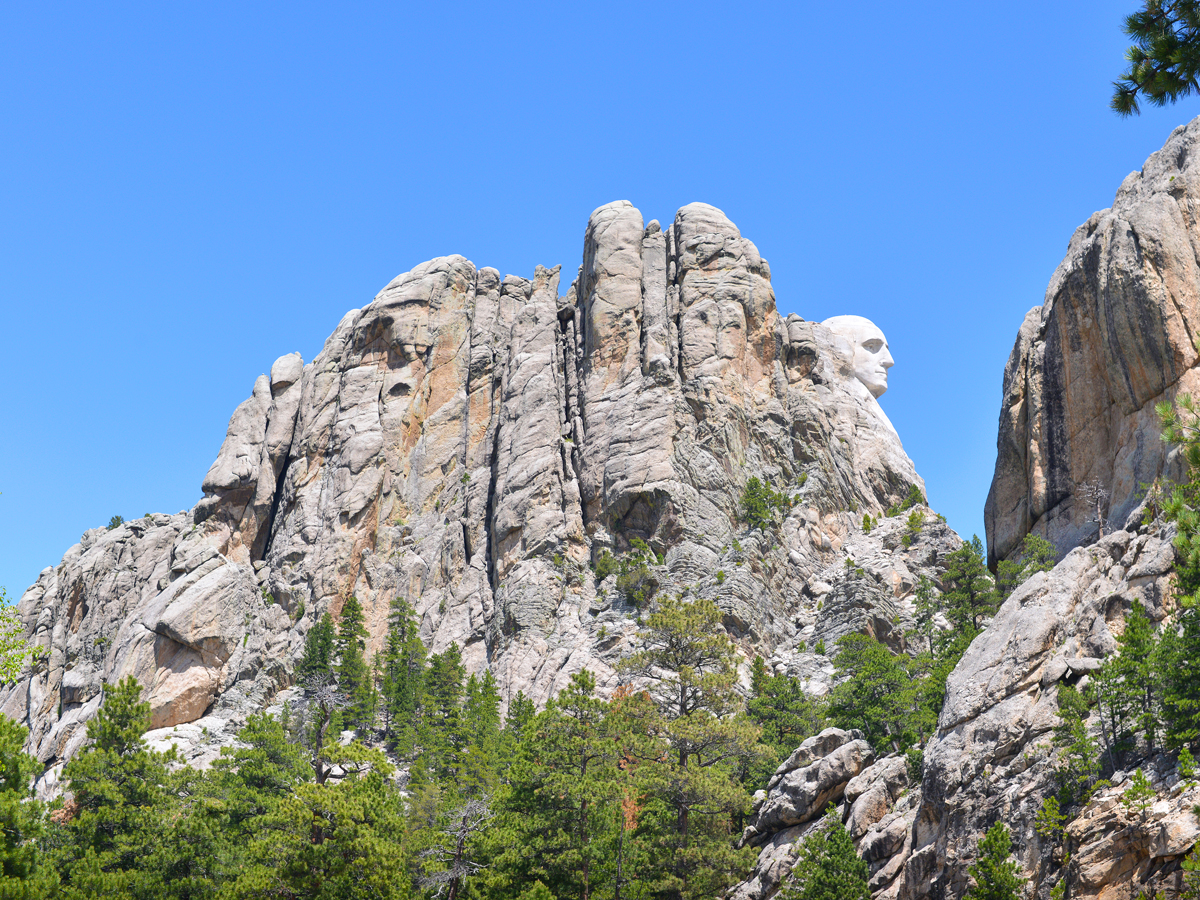
But there’s another way to see Mount Rushmore from a completely different perspective. From the side, George Washington’s profile remains intact, but as your eyes move behind his stone head, you’ll see the rough granite in its uncarved state, with jagged drop-offs and the geological layers that make up some of the oldest rocks in the western U.S. Luckily, this angle is easily accessible: Head west of the main monument on South Dakota Highway 244 and pull over in the designated spot for a unique profile peek.
Pyramids of Giza – Egypt


The three main Pyramids of Giza — Khufu, Khafre, and Menkaure — were built as symbols to eternity, and they’ve become just that, even if it’s not necessarily in the way their builders originally envisioned. The structures date back to Egypt’s Old Kingdom about 4,500 years ago, and time has certainly changed the pyramids’ surroundings. As Cairo expanded throughout the 20th century, modern skyscrapers shot up; now, city sightlines include the ancient structures, and the view is somewhat surreal.
On particularly hazy days, the pyramids can appear almost like distant mountains. But the illusion doesn’t last: At the edge of the Giza plateau are apartment complexes, busy tour buses, and even the glow of a Pizza Hut restaurant placed improbably across the street from the 4,500-year-old wonders.
Stonehenge – Wiltshire, England
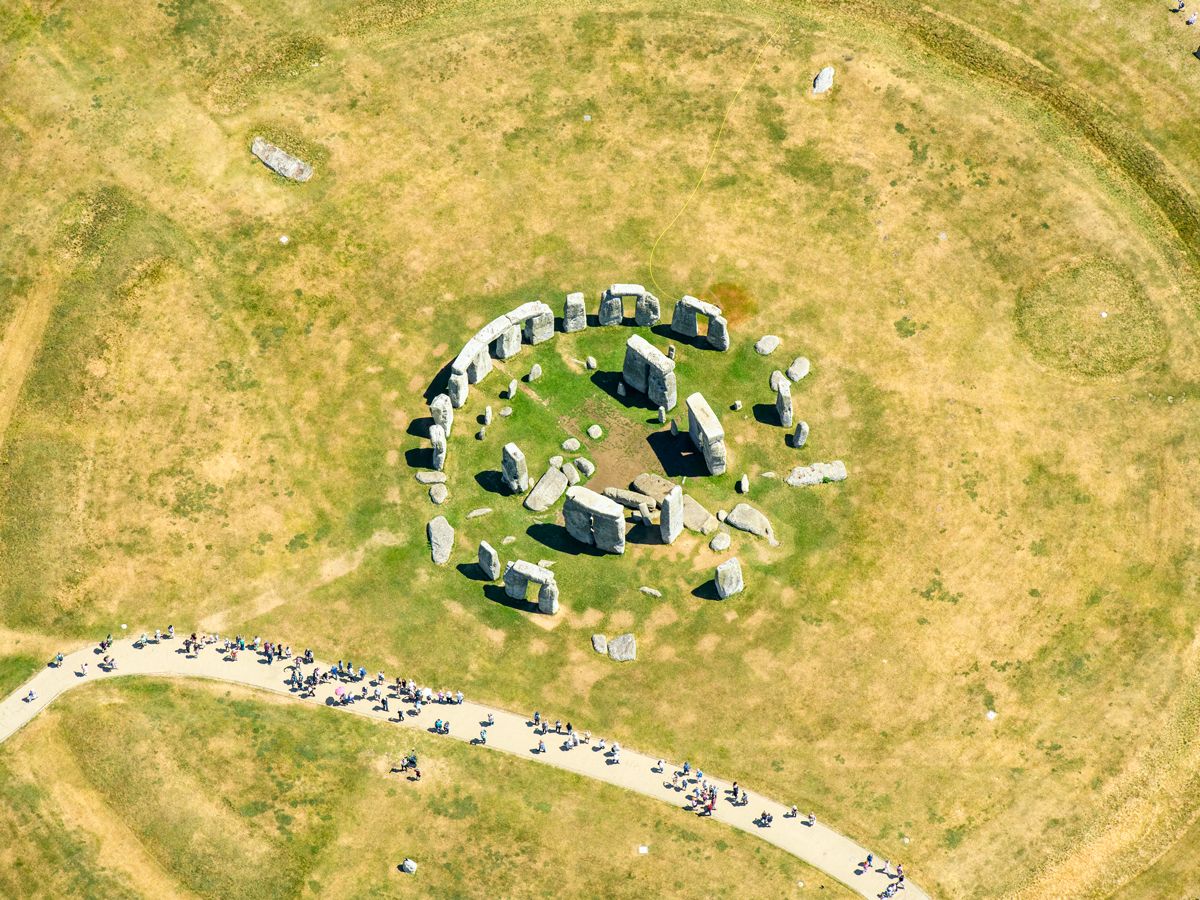
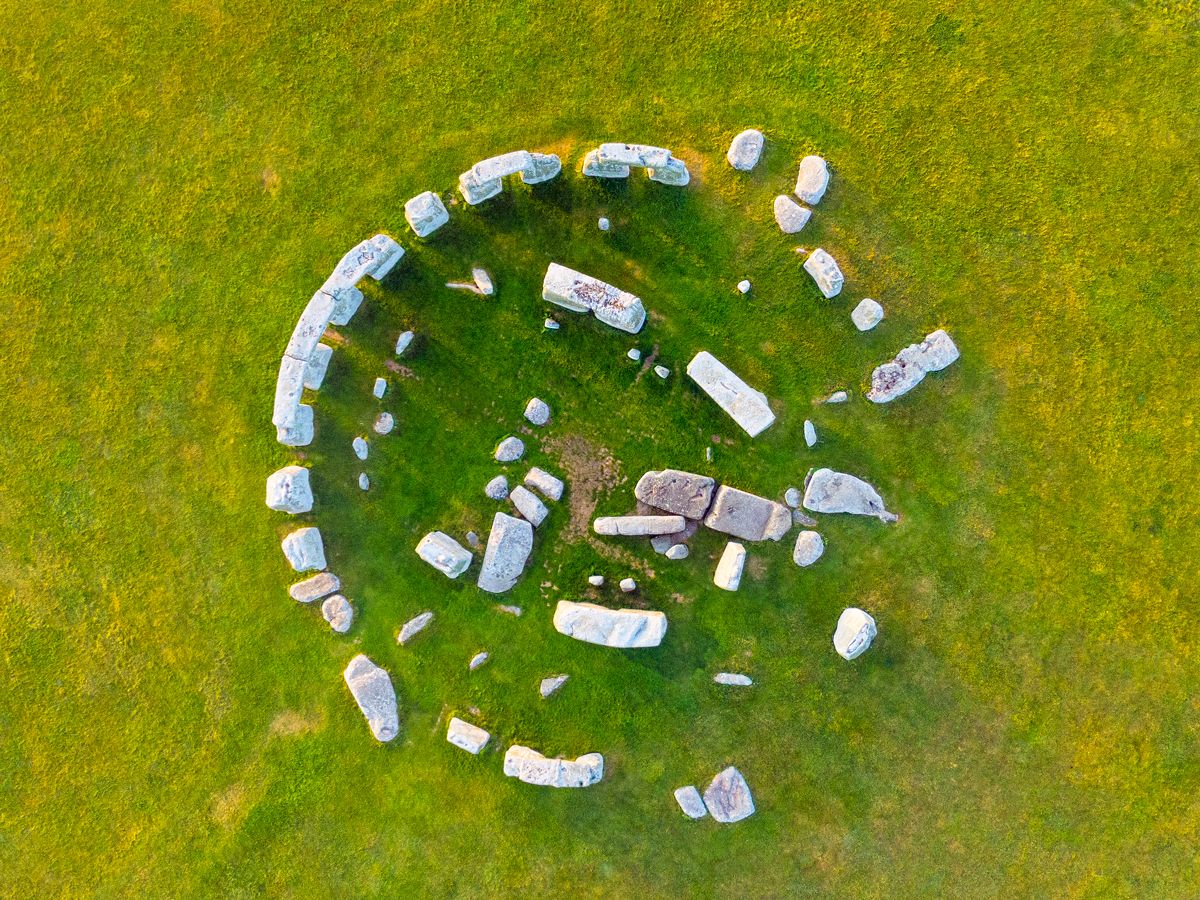
Stonehenge began to take shape at least 5,000 years ago on Salisbury Plain, now part of Wiltshire, England. The prehistoric ruins have an air of mystique. Up close, the ring of massive standing stones, each around 13 feet tall, 7 feet wide, and weighing around 25 tons, feel inscrutable, but from the air, the pattern looks deliberate — a space shaped not only by the stones but by what surrounds them.
In aerial photos, Stonehenge is arranged in a clear design. The stones form deliberate patterns, aligned with and oriented toward the movement of the sun, most notably in the solstice lines that mark its rising and setting. This has led to theories that the site may have been a primitive observatory. Overheard views also show nearby burial mounds and ancient pathways, an important perspective that reveals Stonehenge may have been part of a carefully planned ceremonial landscape.
More from our network
Daily Passport is part of Inbox Studio, an email-first media company. *Indicates a third-party property.