





12 National Dishes You Need To Try
12 National Dishes You Need To Try

Many countries around the world have a national dish (or two, or three) — whether they’re officially declared or unofficially recognized as a symbol of a nation’s culinary identity. For travelers, sampling a country’s national dish is a surefire way to discover what makes a destination special. From hearty soups and stews to giant sandwiches, bright seafood dishes, and others you may have never heard of, here are 12 national staples we think you should try.
Adobo – The Philippines
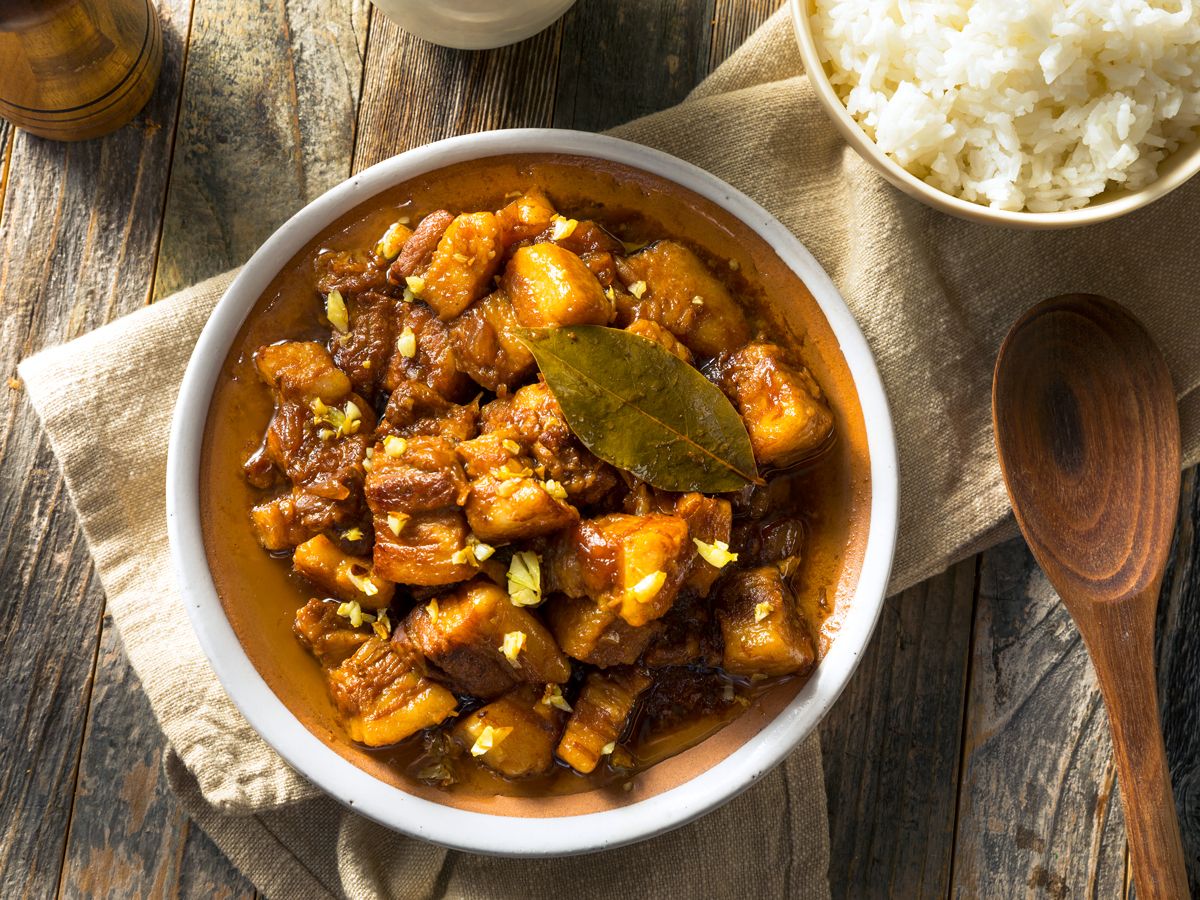
The Philippines consists of over 7,000 islands, and it wouldn’t be a stretch to say that each island follows a slightly different recipe for the country’s unofficial dish — adobo. A perennial favorite, adobo most often features pork or chicken and is almost always served with white rice. The dish is famously saucy, salty, and slightly piquant — thanks to the vinegar that is a cornerstone of the dish.
Many credit the diverse flavors of Filipino cuisine to Chinese, American, and Spanish influence. The name “adobo” comes from the Spanish word for sauce. And indeed, adobo’s secret is in the sauce. Depending on the chef, the generous amount of sauce in adobo can include various oils, soy sauce, coconut milk, ginger, chili peppers, garlic, black pepper, and bay leaves. Make sure you try it often, because each variation is fantastic.
Haggis – Scotland
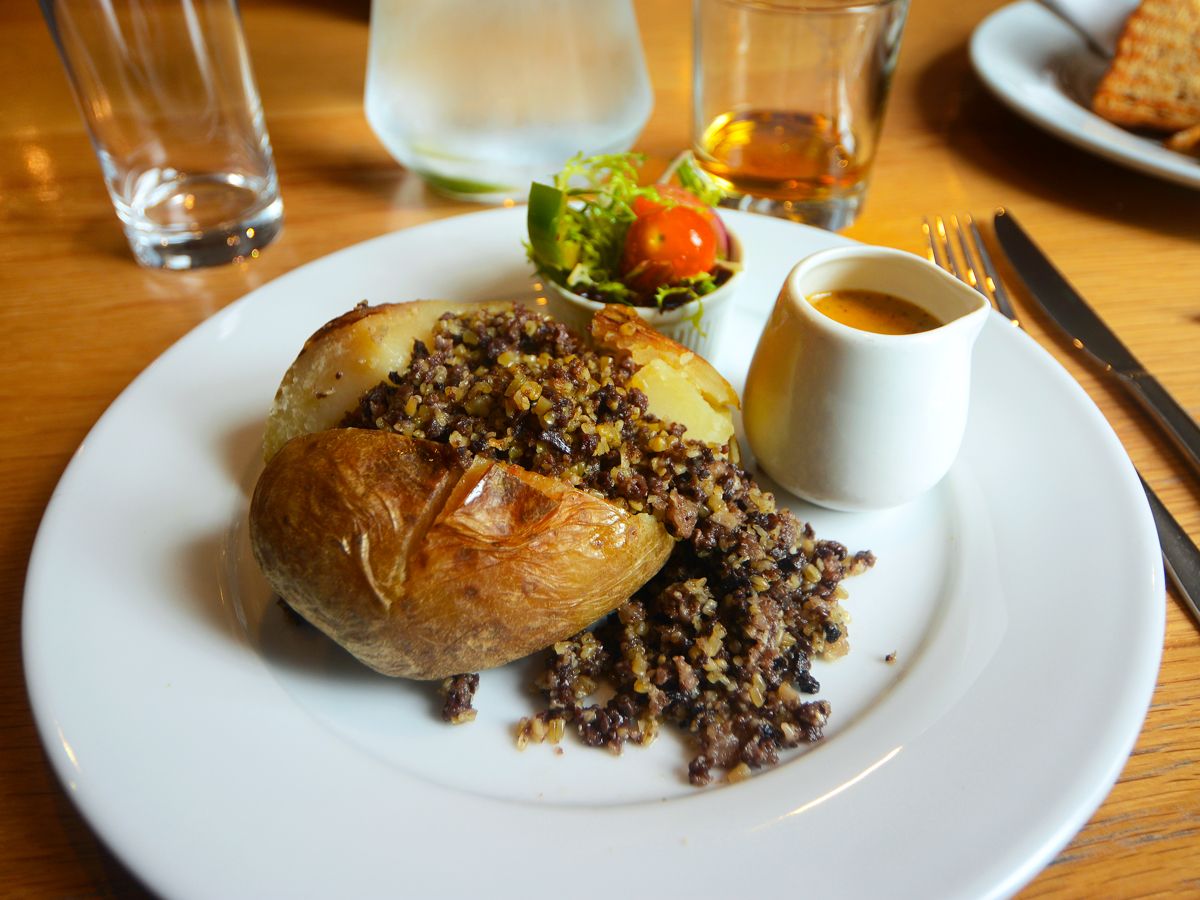
Scotland’s national dish, haggis, is a savory pudding made out of sheep’s offal, vegetables, and spices. On special occasions like Hogmanay (New Year’s Eve) and Burns Night (January 25), haggis is traditionally accompanied by a tasty and filling side known as “neeps and tatties.” The dish consists of mashed rutabaga or turnips (“neeps”) and potatoes (“tatties”). They can be eaten mixed together, or separate, depending on your preference. The dish is also a staple in cozy Scottish pubs, or you can even make it at home yourself, as it only has four basic ingredients.
Doro Wat – Ethiopia
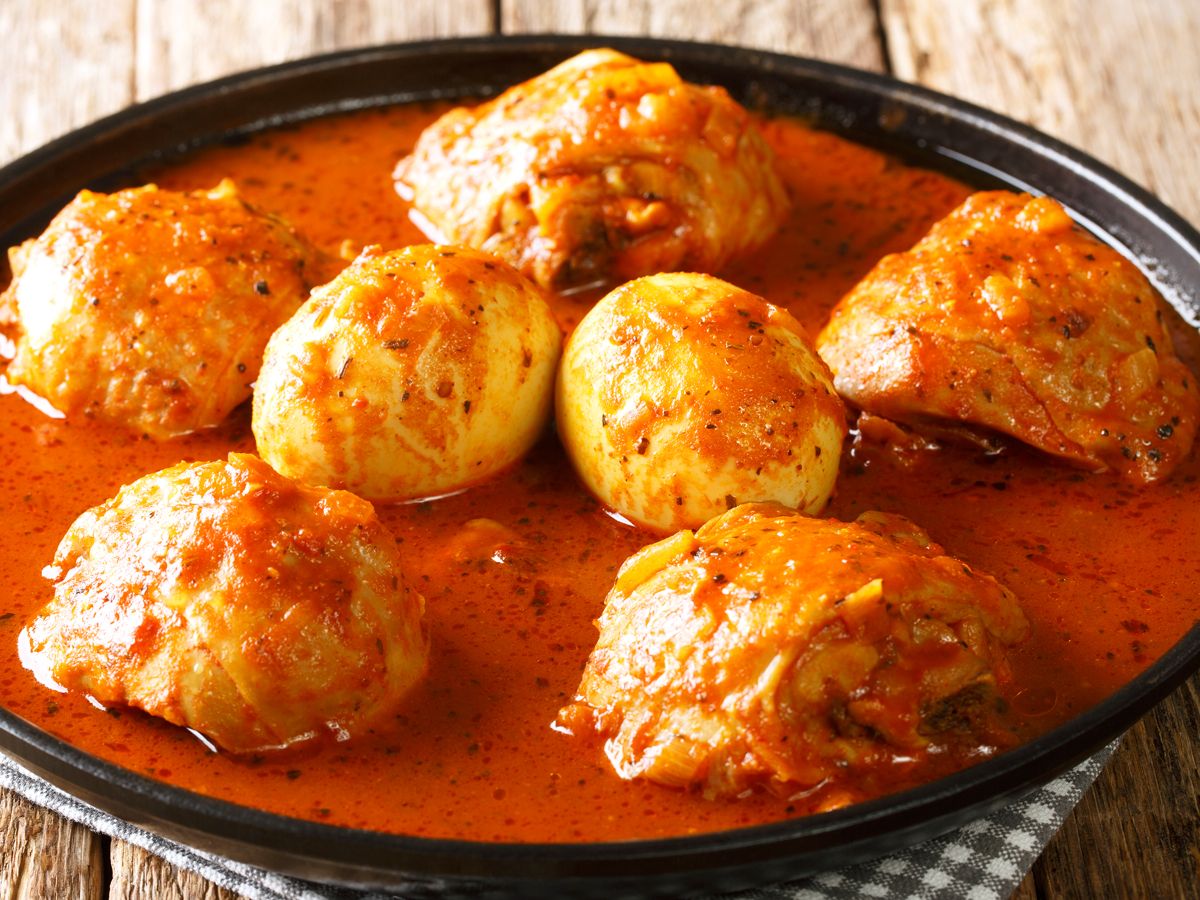
Spicy, rich, and oniony, doro wat is an Ethiopian chicken stew that’s considered the country’s national dish. Like many Ethiopian dishes, the star ingredient is a spice blend called berbere, made up of dried chilies and toasted aromatic spices such as cardamom. Doro wat is typically served with hard-boiled eggs and tangy injera (a type of flatbread made with teff flour) which is used to mop up the spicy red sauce. If you visit any Ethiopian restaurant, you’ll likely find doro wat at the top of the menu, but it is also much-loved in neighboring East African nations, such as Djibouti, Somalia, and Eritrea.
Ceviche – Peru
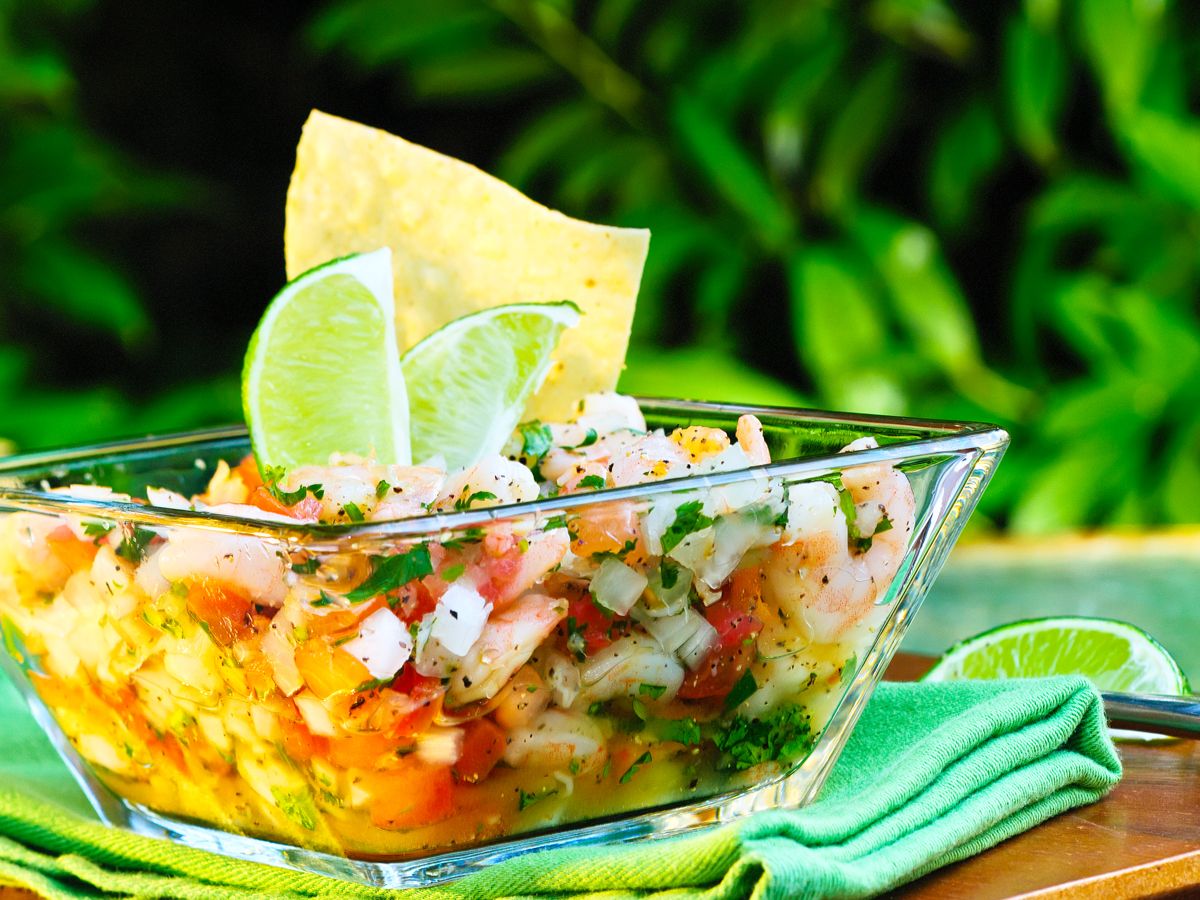
Ceviche and Peru have a long history — records suggest that Indigenous Chincha fishermen were eating some form of this refreshing seafood dish as far back as 2,000 to 3,000 years ago. Made from pieces of raw fish and tossed in a marinade of citrus juices and typically onion, jalapeño, or fruit, ceviche is then left to sit. The acid in the marinade cold-cooks the fish similarly to how heat would.
Traditional Peruvian ceviche is made with sea bass, but there are many variations across Latin America made with shellfish or squid. It’s usually served cold and eaten with chips or crackers. The leftover marinade is known as leche de tigre, meaning “tiger’s milk,” and Peruvians are known to mix it with pisco (a type of brandy) to make a spicy, briny cocktail.
Chivito Sandwich – Uruguay
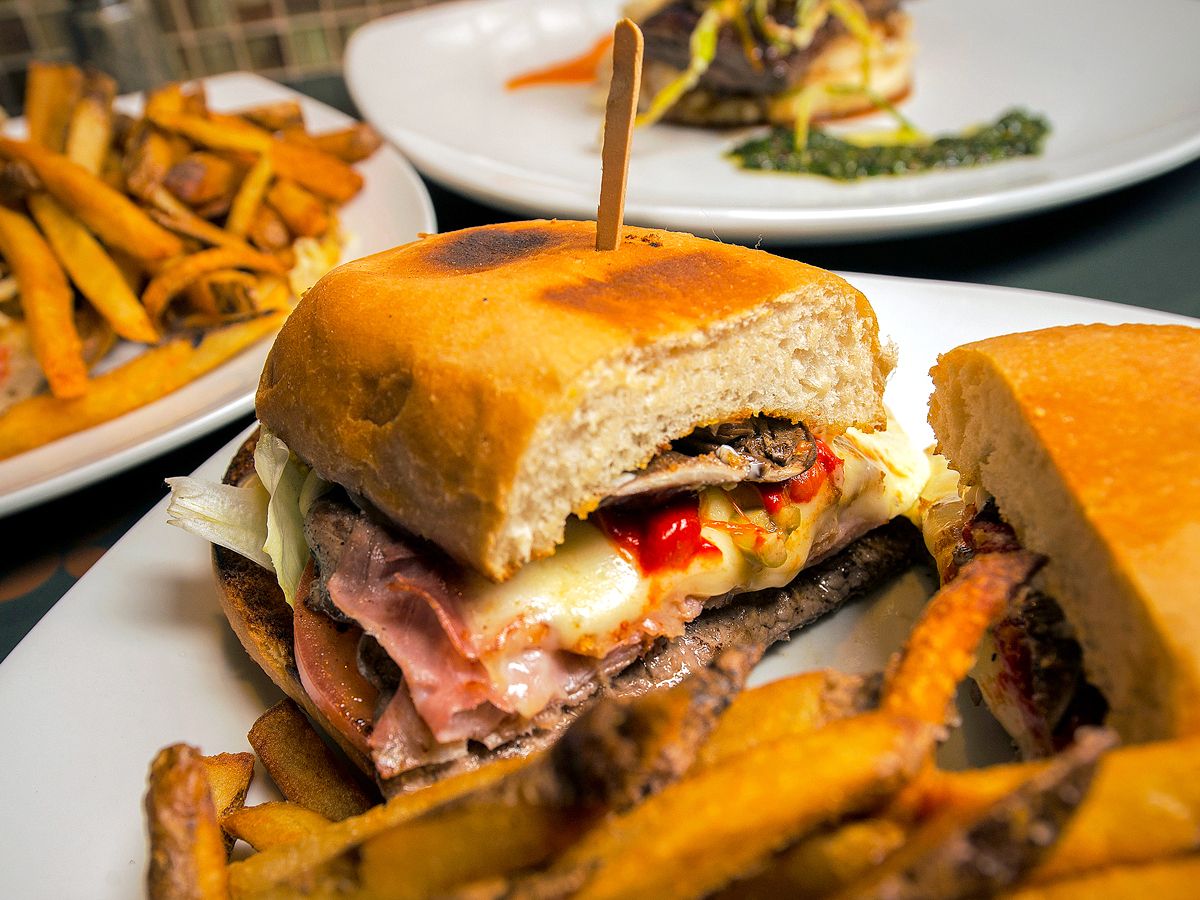
Often considered the national dish of Uruguay, the chivito sandwich isn’t for the faint of heart. There are many variations around the country, but traditionally, the giant sandwich is made with steak, ham, cheese, and toppings that include lettuce, tomato, a fried egg, and chimichurri sauce. While “chivito” translates to “little goat” in English, there is no goat meat in the sandwich.
According to legend, the sandwich was invented in 1944 in Punta del Este by chef Antonio Carbonaro, when an Argentine guest asked for a sandwich made with goat meat. Not wanting to lose the customer, the chef created a sandwich with steak and ham instead and called the “chivito” — and soon it became one of the country’s favorite dishes.
Feijoada – Brazil
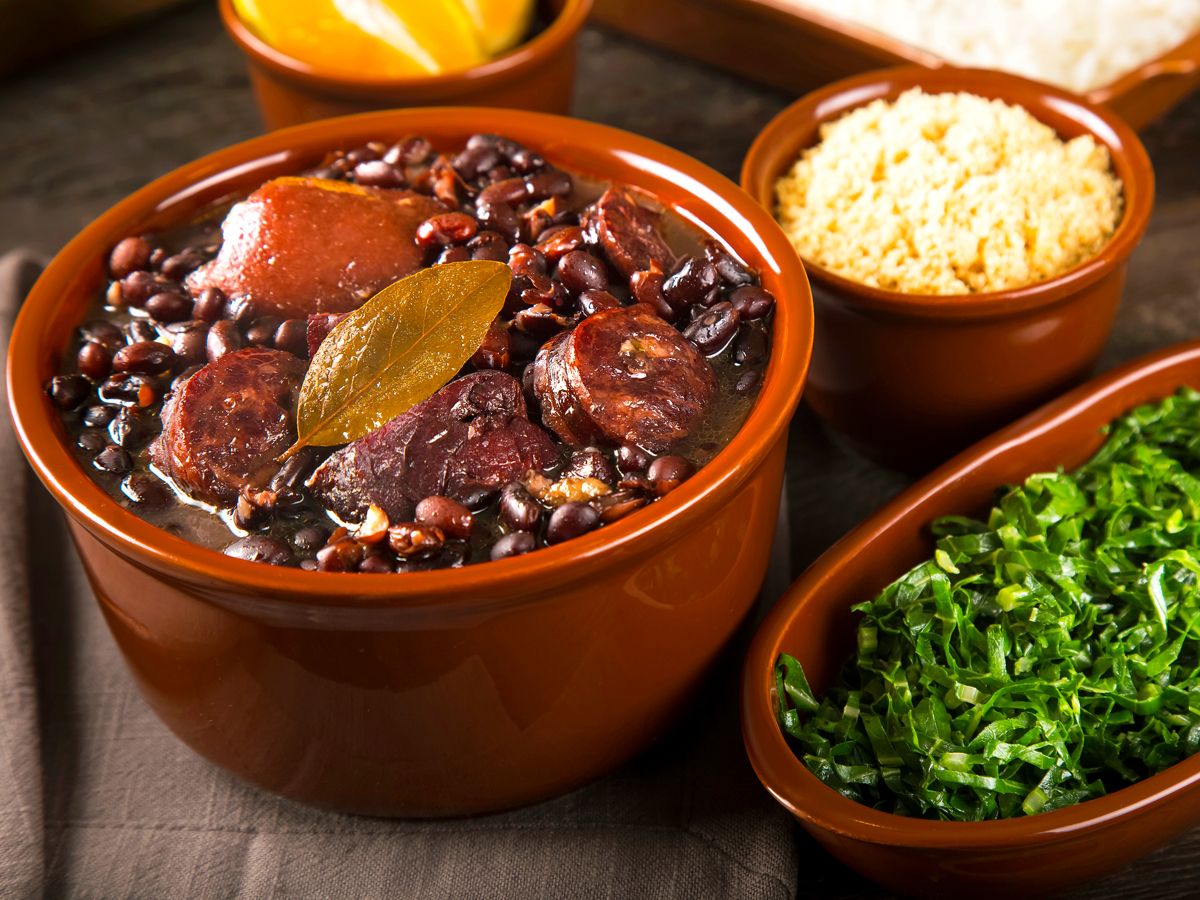
Brazil’s national dish is a hearty bean stew called feijoada. The dish is named after the Portuguese word for beans, feijão. The type of beans used in feijoada differs from region to region — for example, black beans are most common in Rio de Janeiro and Minas Gerais, while red or brown beans are used in Bahia. The stew also traditionally includes diced beef, spiced sausage, and pig trimmings, which are simmered for hours before being served alongside rice and orange slices (to aid in digestion).
Cheese Fondue – Switzerland
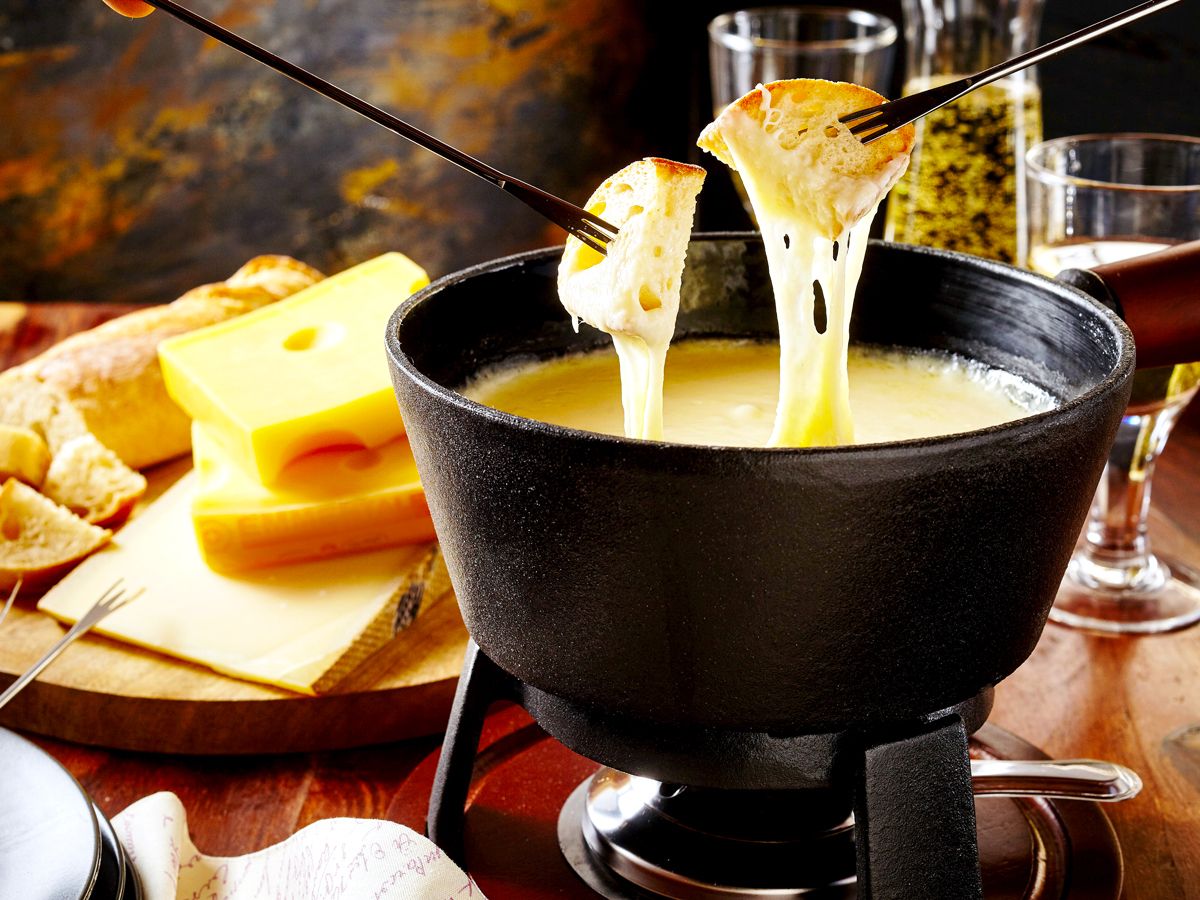
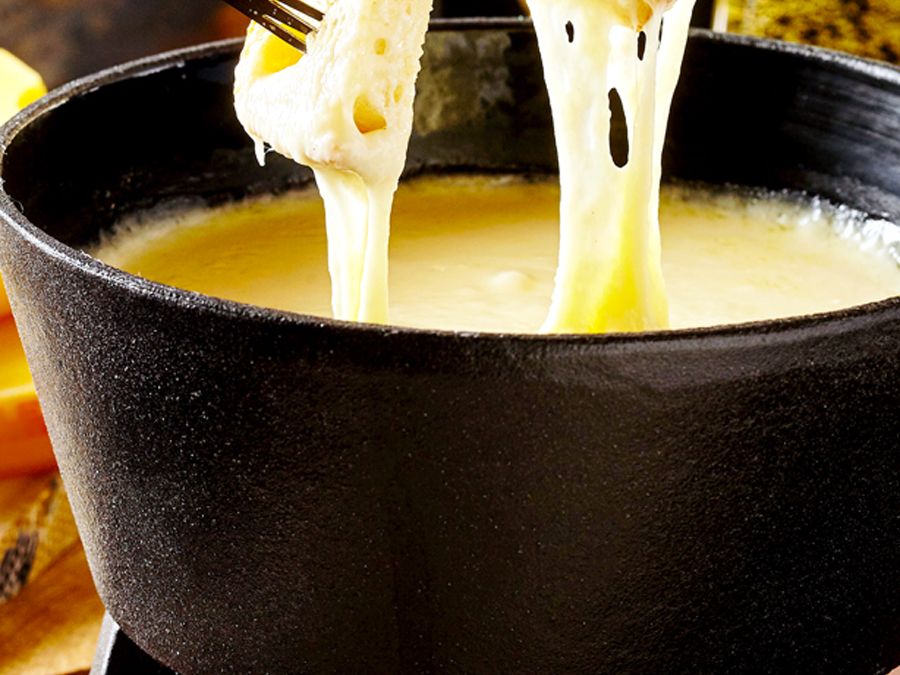
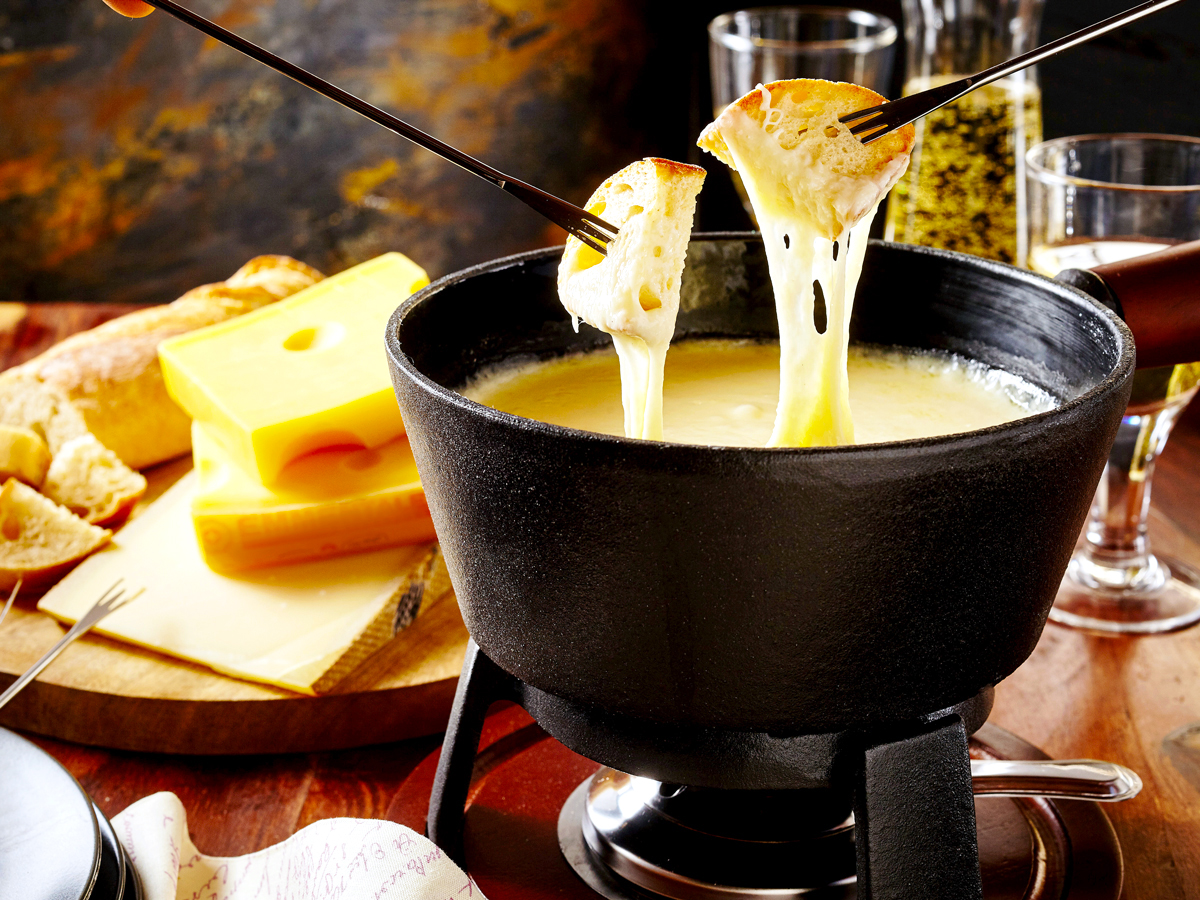
Love melted cheese? You can thank the Swiss for that. (After all, it is their national dish for a reason.) The first recipe for cheese fondue dates back to 1699, when Alpine farmers in western Switzerland melted hardened cheese with wine and garlic, then dipped stale bread into the mix. The dish gained popularity in the 18th century and took on several variations; the modern recipe we’re accustomed to originated in 1875 right across the border in the French Rhône-Alpes.
Gruyere is the cheese most commonly used in fondue, but Emmentaler, Comté, and Fontina are also popular. There are many regional variations, sometimes adding truffles, mushrooms, tomatoes, or cream. Swiss Chef Konrad Egli is credited with inventing chocolate fondue when he was working in a New York City restaurant called Chalet Suisse in the 1960s.
Khachapuri – Georgia

Meet the cheesy bread you never knew you needed in your life. Georgia’s favorite national dish, khachapuri, is a pizza-like, extra-buttery bread boat filled with cheese and egg. It’s traditionally eaten by tearing off pieces of the crust and dipping them into the gooey center, which is filled with a sour-and-salty Georgian cheese called sulguni (sometimes nicknamed “pickle cheese”).
In the U.S., a combination of goat cheese, feta, and mozzarella is a common stand-in. But there are many regional variations throughout Georgia, with some using different cheeses, some adding potatoes, and some folding them up like calzone. Any one of them is must-try if you do visit this country in the Caucasus region at the intersection of Europe and Asia.
Goulash – Hungary
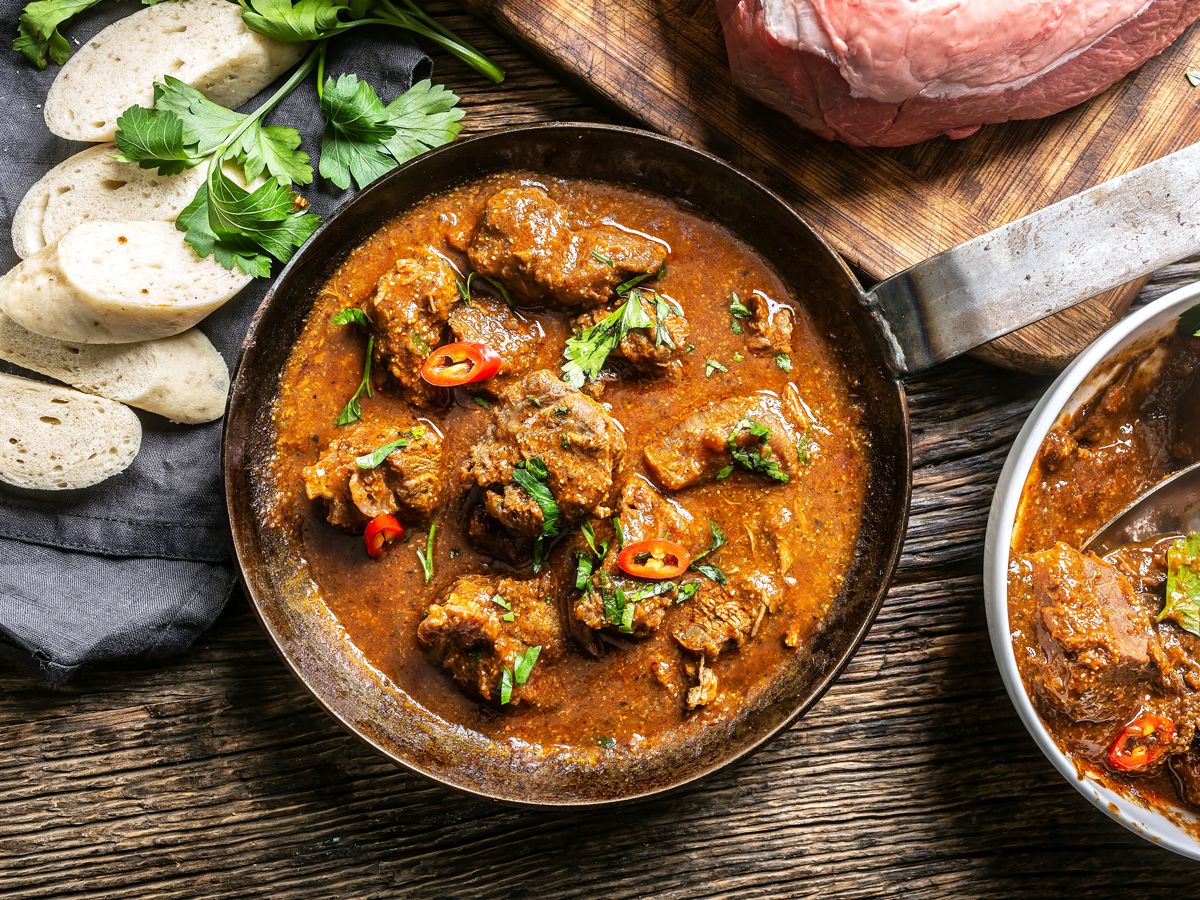
There’s one distinctive aroma that wafts through the air in any Hungarian town or city — meat stewing in a broth laced with spicy paprika. Goulash, a hearty and warming cross between a soup and a stew, is the official national dish of Hungary. The key ingredient in goulash is paprika — dried and ground hot peppers.
Paprika became Hungary’s favorite spice after the Ottomans imported chilies from the New World. Cattle herders working on the Hungarian plains discovered that adding paprika to their meat and vegetable stews warmed their hearts and stomachs — a remedy for the harsh winters in Eastern Europe. Travelers began to sing praises of the dish and before long, goulash was crowned as Hungary’s finest culinary offering.
Bibimbap – South Korea
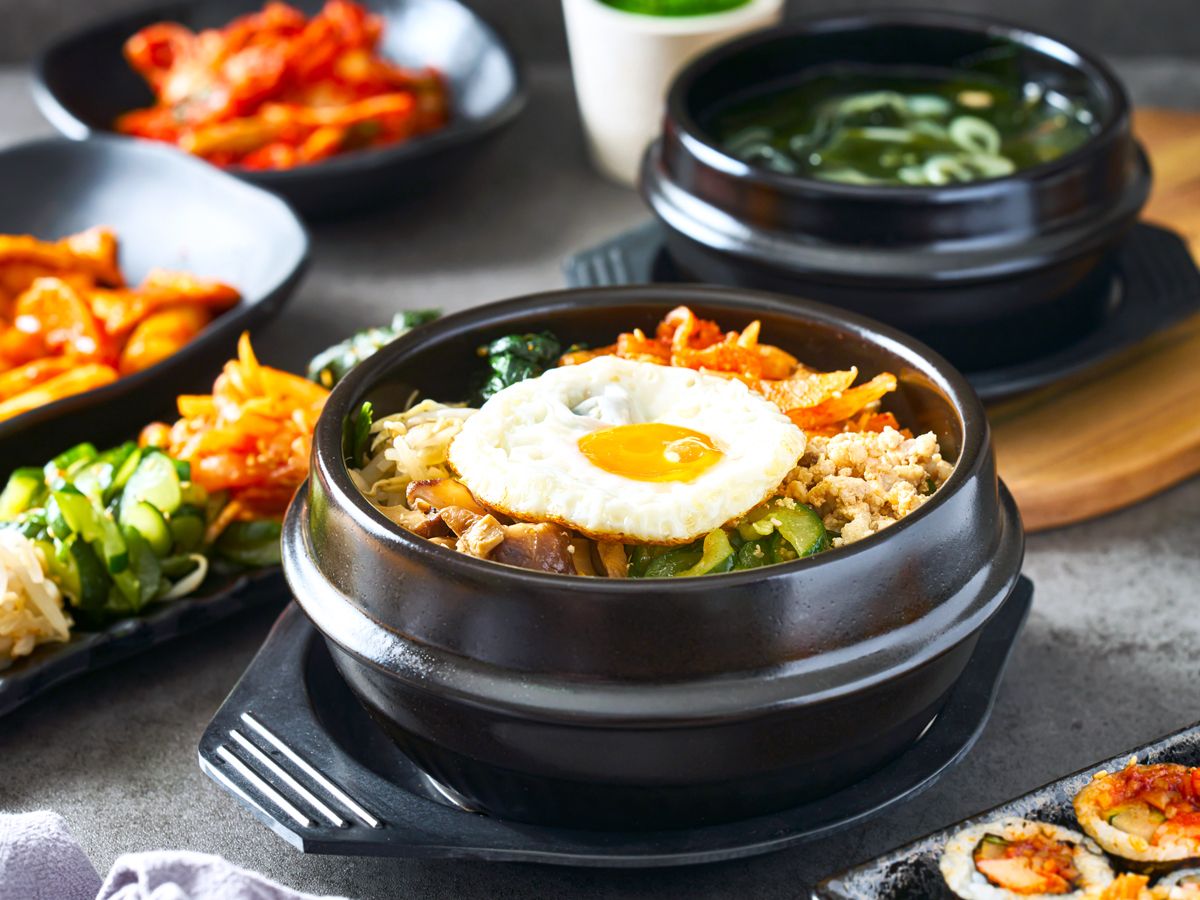
Two dishes are often considered the national emblems of South Korea: kimchi and bibimbap. The former, kimchi, is certainly ubiquitous, but the fermented vegetables are typically served as a side dish. Bibimbap, however, is an entire meal in a bowl. The name translates literally to “mixed rice” — and that mixture frequently includes various vegetables, kimchi, beef, a fried egg, and a generous helping of gochujang (chili pepper paste).
The traditional rice dish has been popular in Korea for centuries — the first written records date back at least to the Josean Dynasty of the 15th century, when it was referred to as goldongban. The name bibimbap came into use in the 1800s, and its popularity has extended overseas since then.
Mole – Mexico
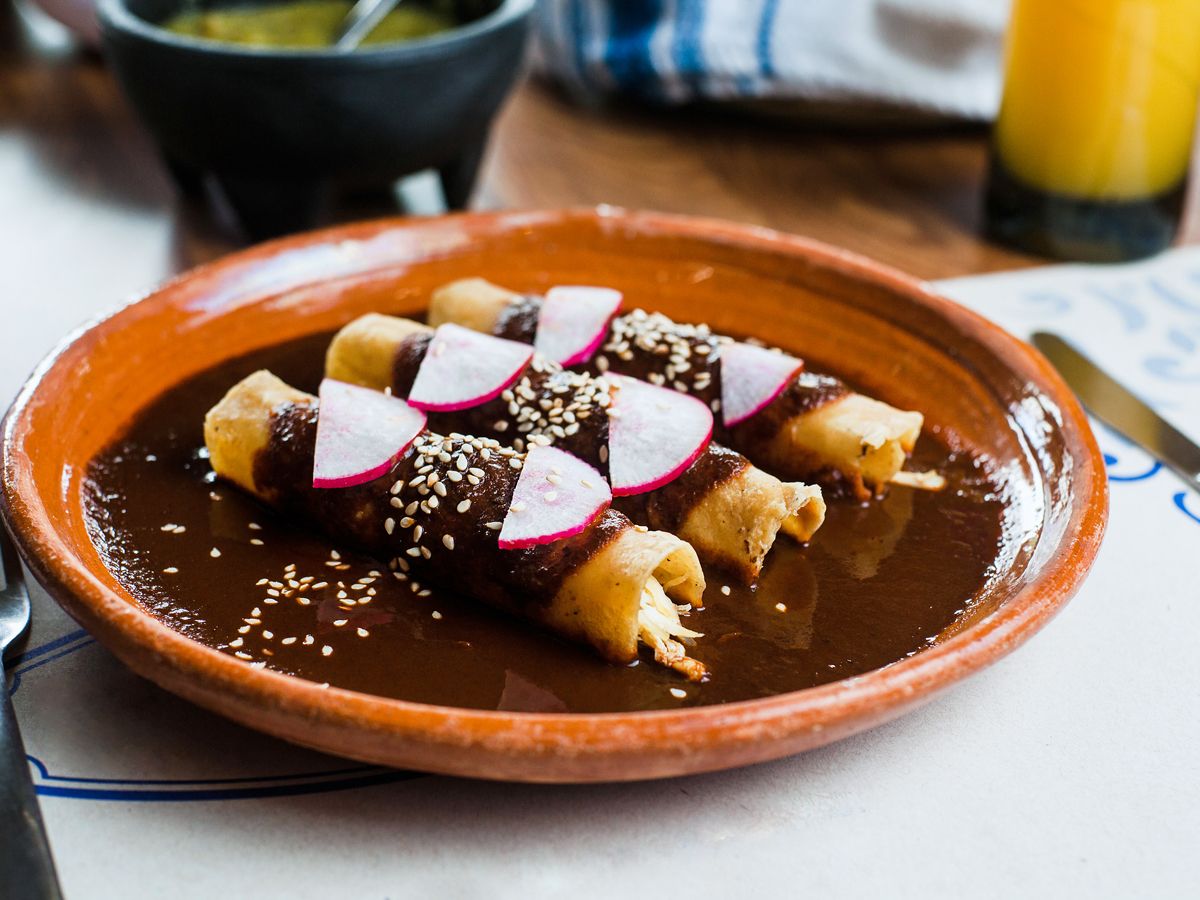
Enchiladas, burritos, chalupas — Mexico has many iconic dishes, but for many, mole is considered its true national dish. And if you’ve never tried it, you’re missing out: Mole is a traditional sauce and marinade which comes in a variety of colors and flavors — all of them richly layered together. In general, the labor-intensive sauce is made of spices including cinnamon, cumin, and black pepper, mixed in with nuts, chili pepper, and fruit.
Mole was an old word for “mix,” and the origins of the dish are still a bit of a mystery. Some say that, in a panic, nuns threw the mix together for a visiting archbishop who loved it; others say that a monk invented it. Whoever was the mastermind behind the dish, it certainly caught on and can be found in many varieties, including black, red, yellow, and green to huaxmole, de Lola, pipián, guacamole, and almendrado.
Pho – Vietnam
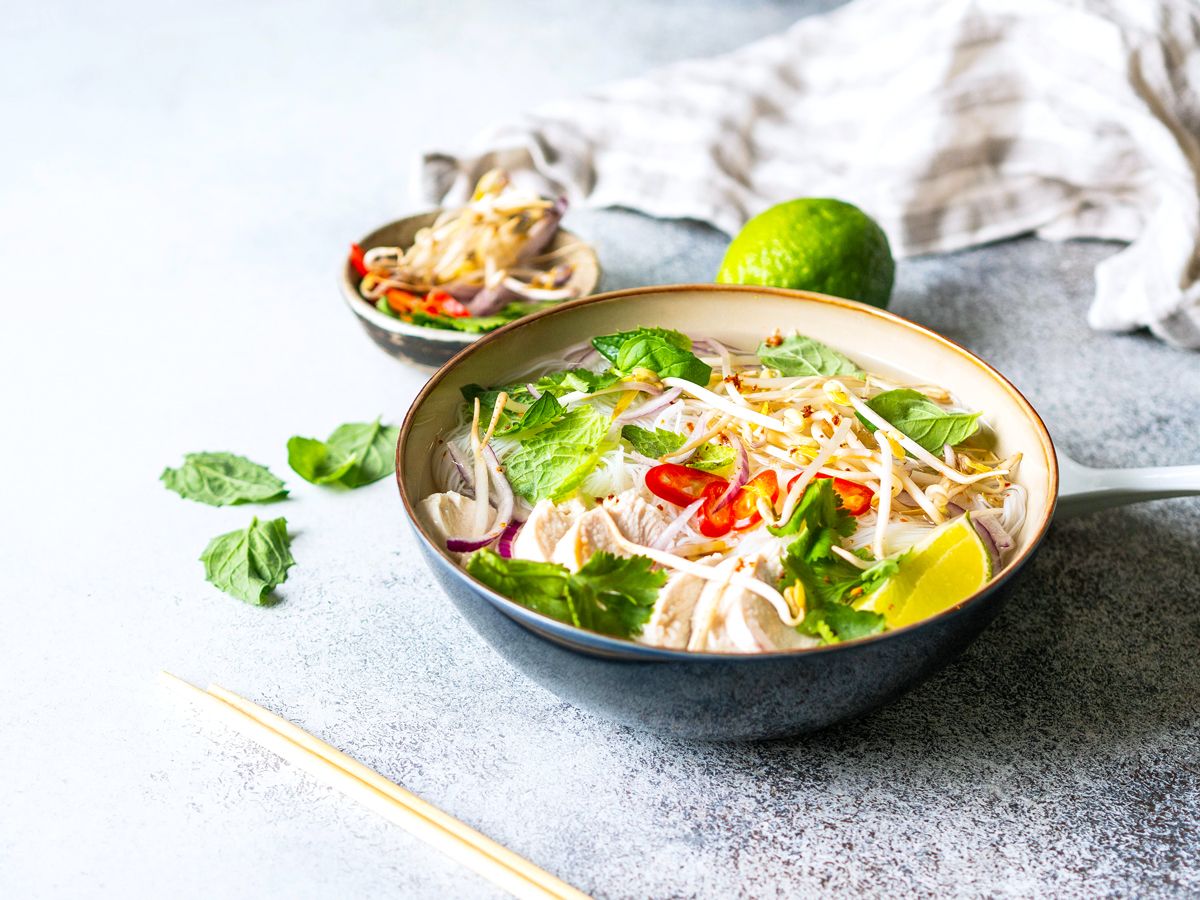
Phở truly is Vietnam’s national dish — a staple of street vendors and home cooks, this soup is often eaten for breakfast. The base of phở is its deeply aromatic and slow-cooked beef broth. The broth is then poured over thinly sliced meat and rice noodles before a bright garnish is added — usually some combination of hoisin sauce, bean sprouts, herbs, lime juice, and chili peppers. The combination is warming and hearty, and has become the country’s most popular culinary export.
Phở dates back to the late 1800s, when the French occupied Vietnam. The French had a taste for beef and they introduced and expanded beef production in Vietnam, which led to not only more meat but also a surplus of bones. These bones enriched and flavored the traditional broths prepared by both Chinese and Vietnamese vendors and they soon became a staple ingredient. The popularity of the dish spread from the northern provinces to the south, and in the process, the flavors and garnishes evolved. Phở cooked in southern Vietnam is a bit sweeter, but almost all variations include charred onion and ginger, star anise, cloves, coriander, cinnamon, and cardamom
More from our network
Daily Passport is part of Inbox Studio, an email-first media company. *Indicates a third-party property.