
What’s the World’s Oldest (and Deepest) Lake?
What’s the World’s Oldest (and Deepest) Lake?
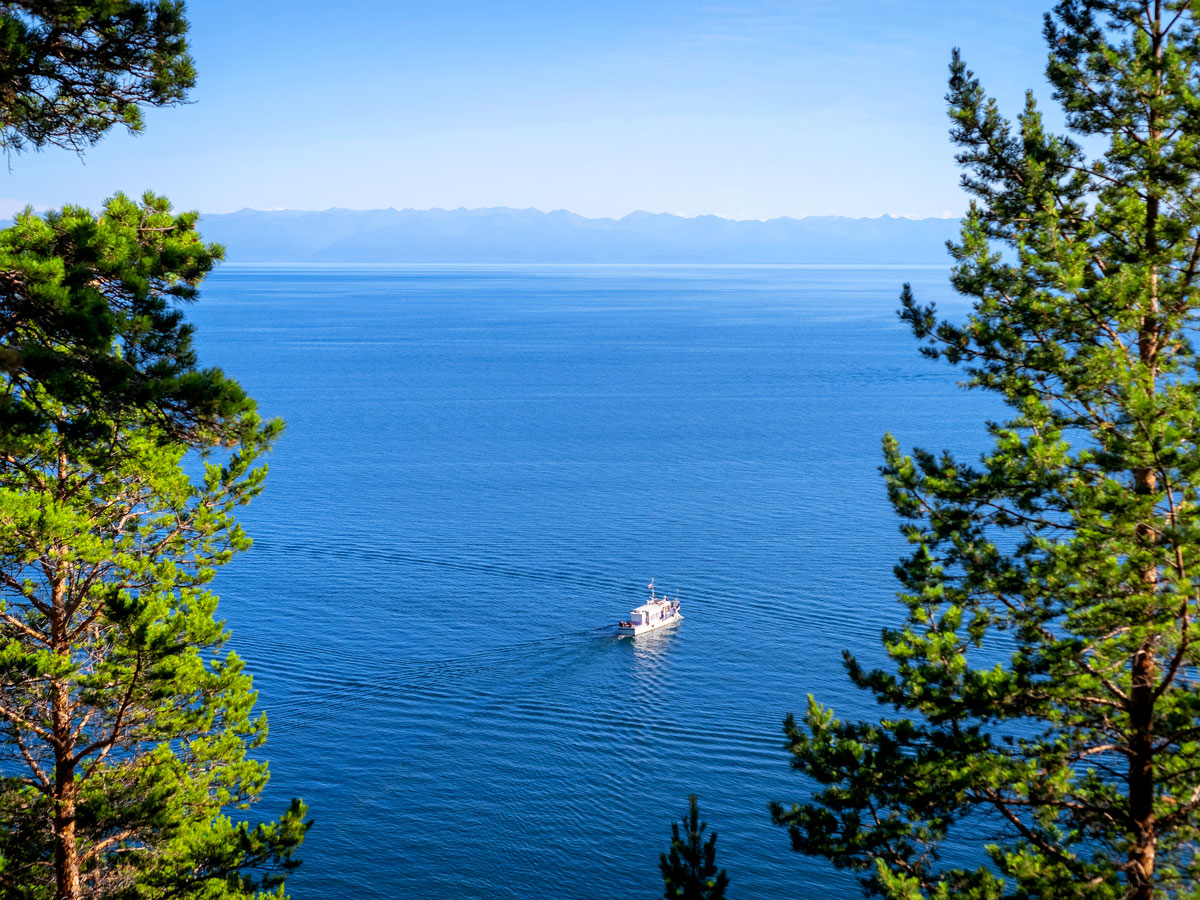

Located in the heart of Siberia, the crescent-shaped Lake Baikal is narrow in width, but don’t let that fact fool you: If it were a country, it would still be bigger than Belgium. But this ancient body of water — in fact, the oldest existing freshwater lake on Earth — also reaches far deeper than any other lake on the planet. Here’s why Lake Baikal is one of the world’s most fascinating lakes.
Ancient Origins
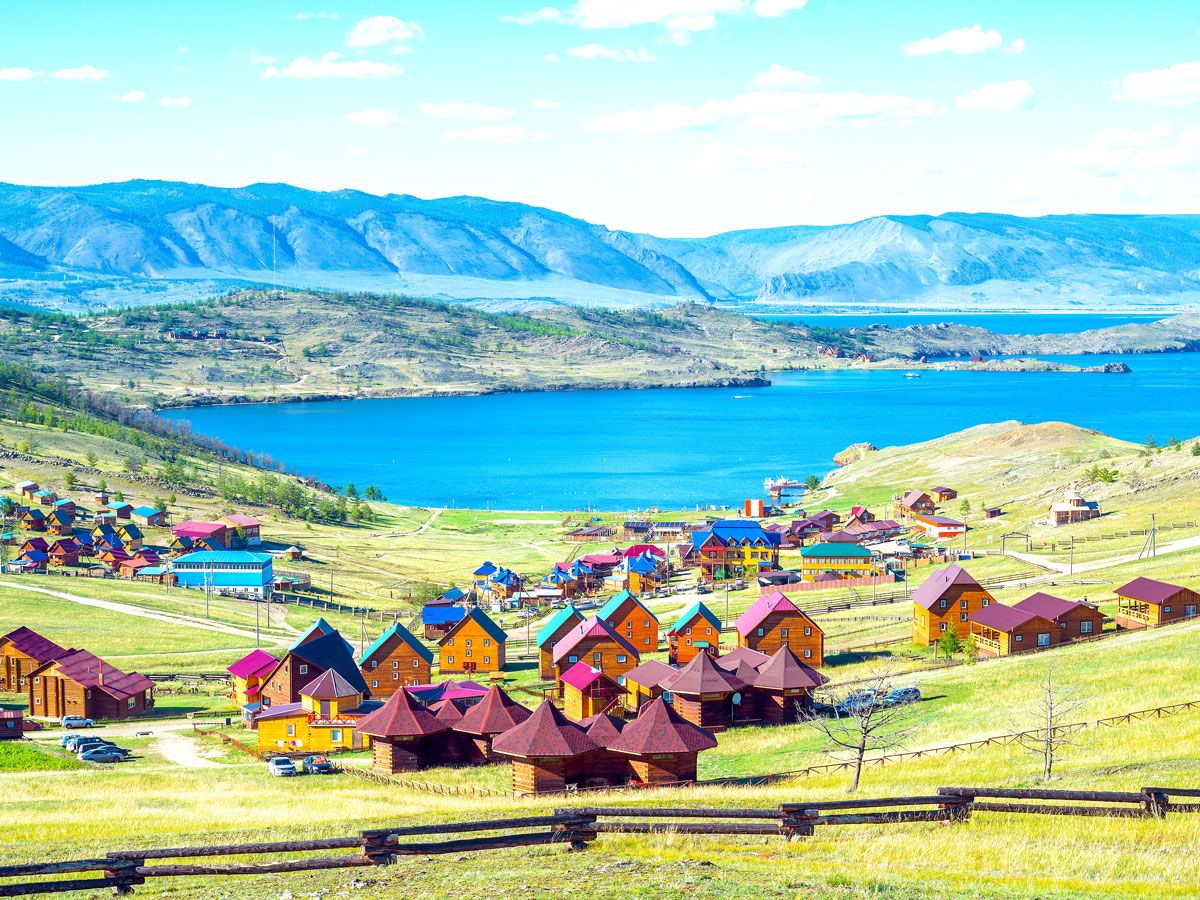
Lake Baikal formed roughly 25 million years ago from glacial meltwater due to receding ice. Compared with the Great Lakes in North America, which are estimated to be roughly 20,000 years old and didn’t reach their present volumes until about 3,000 years ago, Lake Baikal’s history stretches back far further.
Scientists believe that Lake Baikal’s lakebed is actually an ancient rift valley. Caused by a divergent plate boundary, the geologic rift likely deepened from erosion and filled with water. According to annual measurements, Lake Baikal is expanding at a rate of roughly 0.8 inches per year. The region surrounding Lake Baikal is seismically active — prone to earthquakes and home to numerous hot springs surrounded by cedar, pine, and larch trees.
There’s just one lake on Earth that could potentially top Baikal’s age. While the evidence for Baikal is clear, scientists can’t agree on how old Lake Zaysan in Kazakhstan might be. Some archaeologists claim there are paleontological and geological clues in the area that indicate it could date from the late Cretaceous Period and could be 70 million years old. If the evidence stacks up, Lake Baikal would be relegated to second place.
Unparalleled Depths
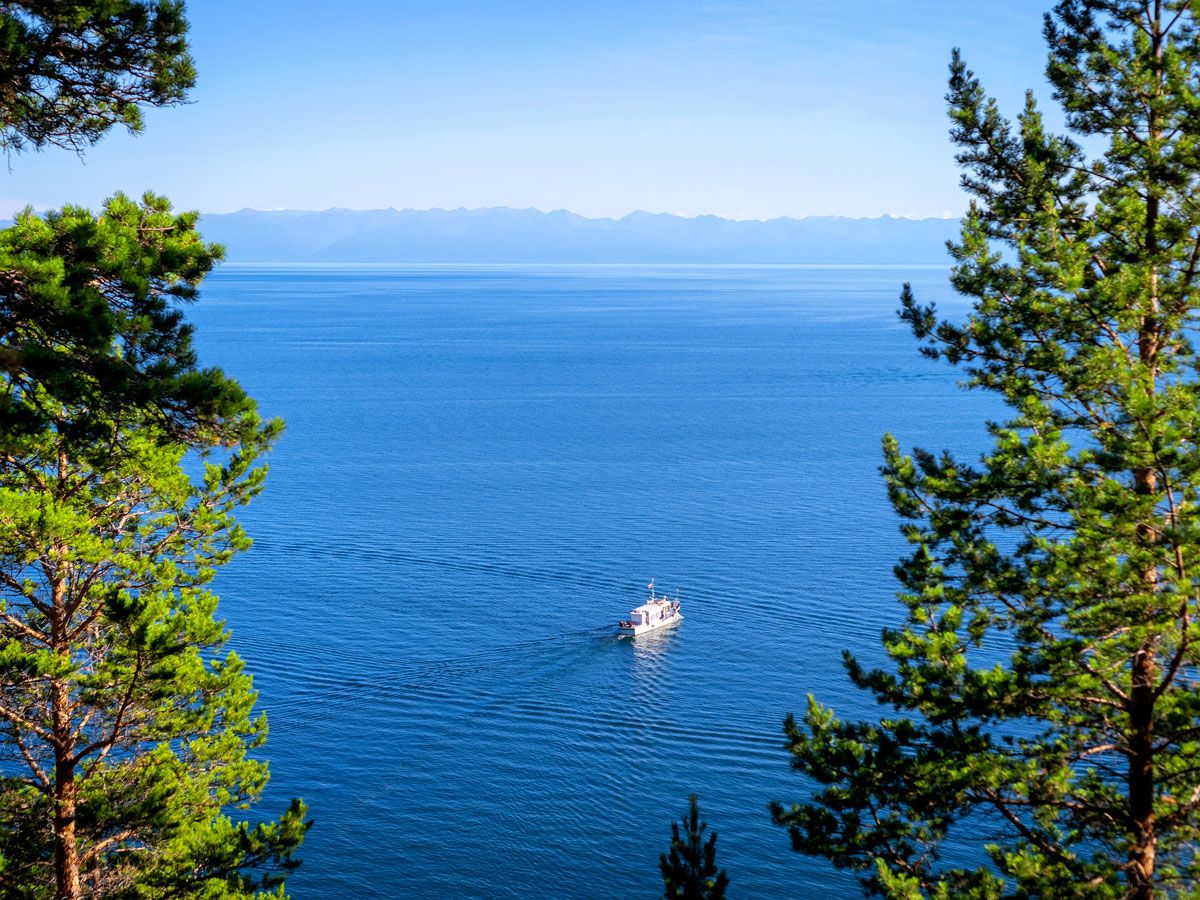
In terms of depth, Lake Baikal is unrivaled. Baikal is the deepest freshwater lake in the world. At its deepest point, you’d have to dive over a mile — 5,387 feet to be exact — in order to reach the bottom. One of the earliest accounts of Lake Baikal’s depths was written in 1675 by Russian ambassador to China, Nikolai Milesku-Spafarii, who reported that the deepest point was near Olkhon Island where, “a hundred or more fathoms have been measured and the bottom not reached.”
In 1797, workers from the Kolyvano-Voskresensky metal factories attempted to measure Baikal’s reaches more precisely. Using ropes and lines, they measured depths along a linear transect from the source of the Angara River to the mouth of the Selenga River. They determined that the deepest point was 4,061 feet — a little short of today’s agreed measurement.
Several bathymetric surveys recording submarine topography took place in the 19th century, when the depth was revised to 4,504 feet. Echo meters, which rely on the passage of sound through water, were first used in the 1950s and 1960s — giving a new figure of 5,315 feet, which was closer to today’s agreed depth.
Volume Matters
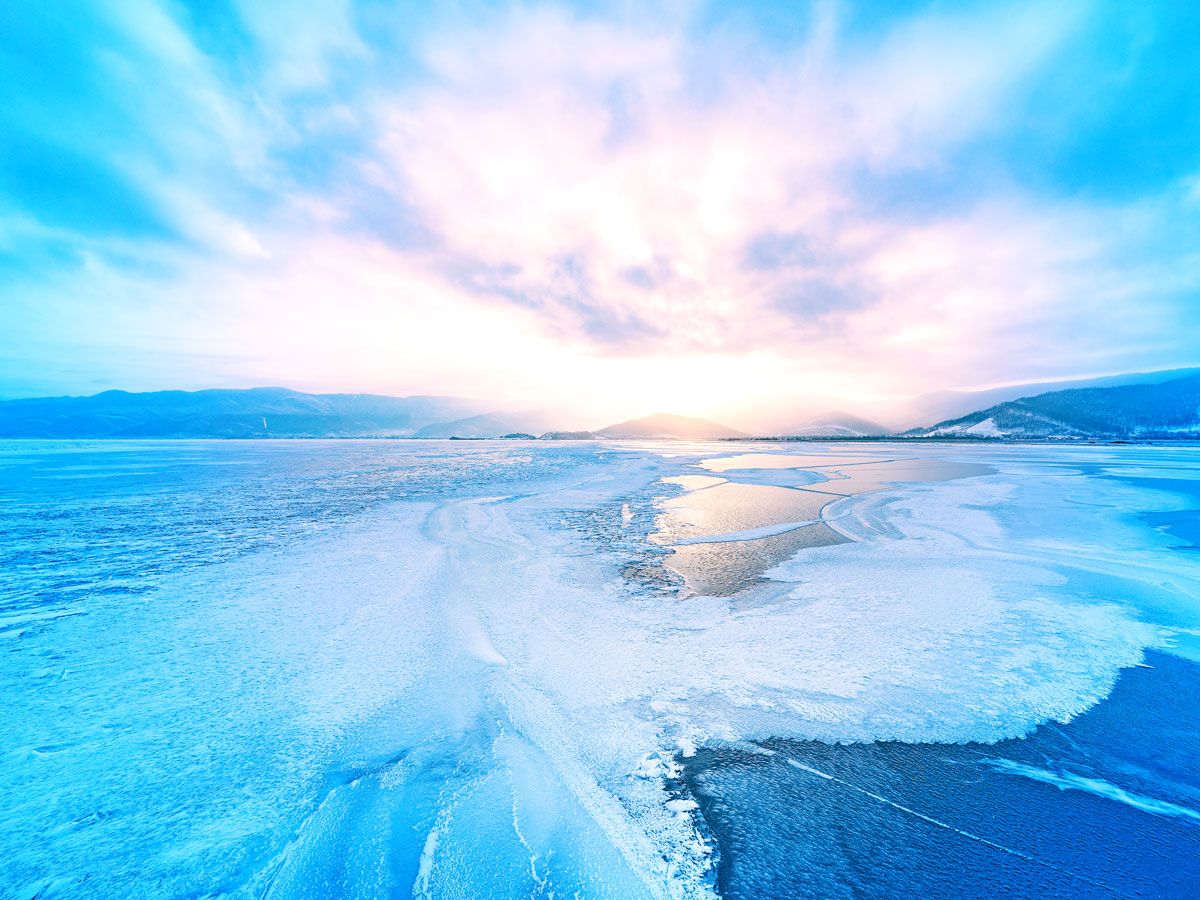
Lake Baikal is also the largest freshwater lake by volume, containing more water than all of the Great Lakes combined and over 20% of the freshwater on Earth’s surface. It collects water from over 300 rivers, the most significant being the Selenga River, which winds north from Mongolia. The only outlet river is the Angara River, which carries the lake water to the Arctic Ocean.
If you measure by surface area, however, Lake Baikal takes seventh place at 12,200 square miles. Three of the five Great Lakes (Huron, Superior, and Michigan) are larger. In fact, the largest “lake” in the world is the Caspian Sea, but because it is technically saline and Baikal is so deep, Baikal holds the greatest amount of freshwater. The lake is so important to Russians that they celebrate Baikal Day. This holiday, commemorated since 1999, takes place on the fourth Sunday in August.
An Incredible Ecosystem
UNESCO recognized Lake Baikal as the “most outstanding example of a freshwater ecosystem” and named the so-called “Russian Galapagos” an official World Heritage Site in 1996. In summer or winter, the water — or ice — is exceptionally clear. This clarity is a consequence of plankton that eat floating debris and a lack of mineral salts in the lake.
Lake Baikal is extremely rich in biodiversity: Brown bears, wolves, moose, reindeer, wild boar, and marmots live in the countryside around the lake and the skies teem with birds. The lake is home to about 60 species of fish, including omul, which is popularly served smoked in Russia.
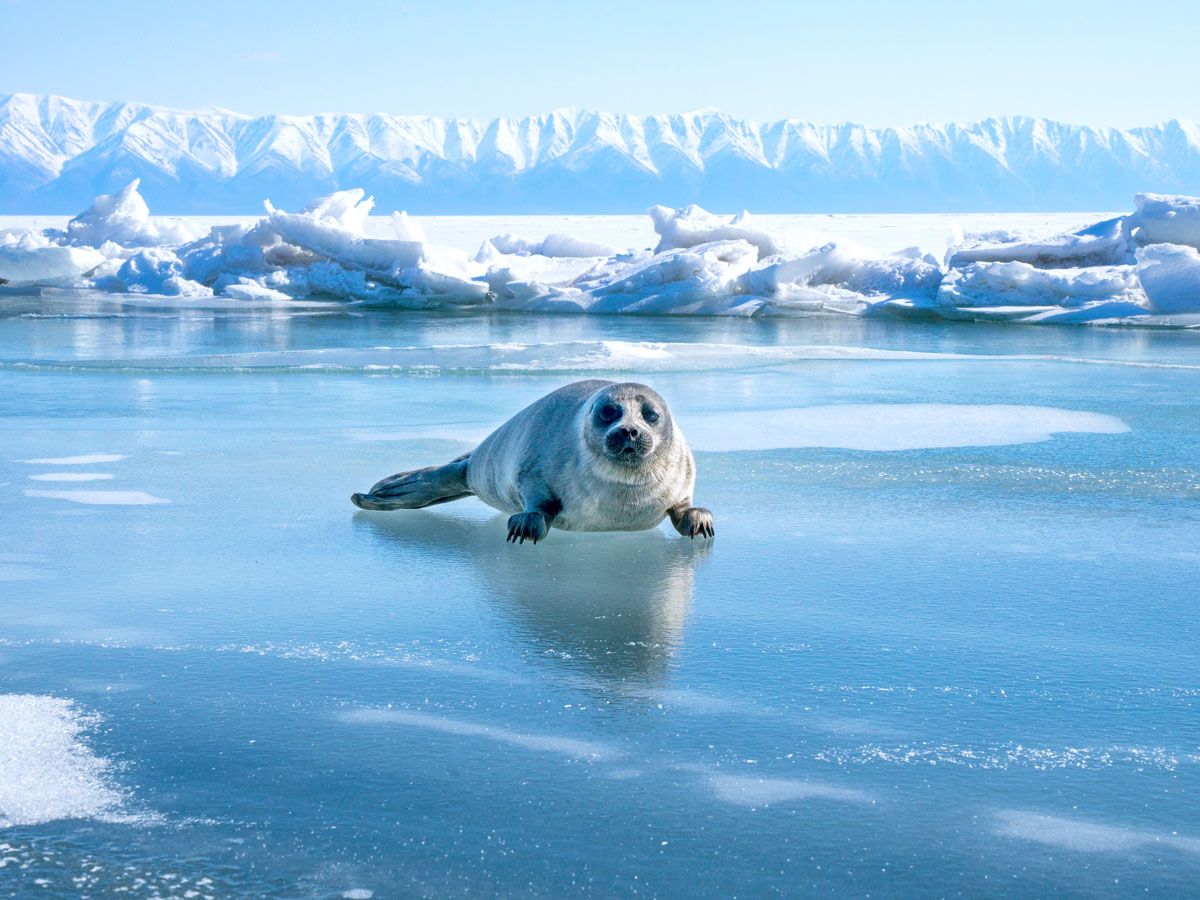
In the water, you’ll also find a sizable population of Baikal seals, also known as Nerpa seals. No one quite knows how the seals arrived in the area (it’s possible they swam along a river) but in the absence of predators, these little seals have thrived in Baikal’s waters for several million years. They’re shy creatures and hard to spot in the wild, which only adds to their allure.
A Winter Gem
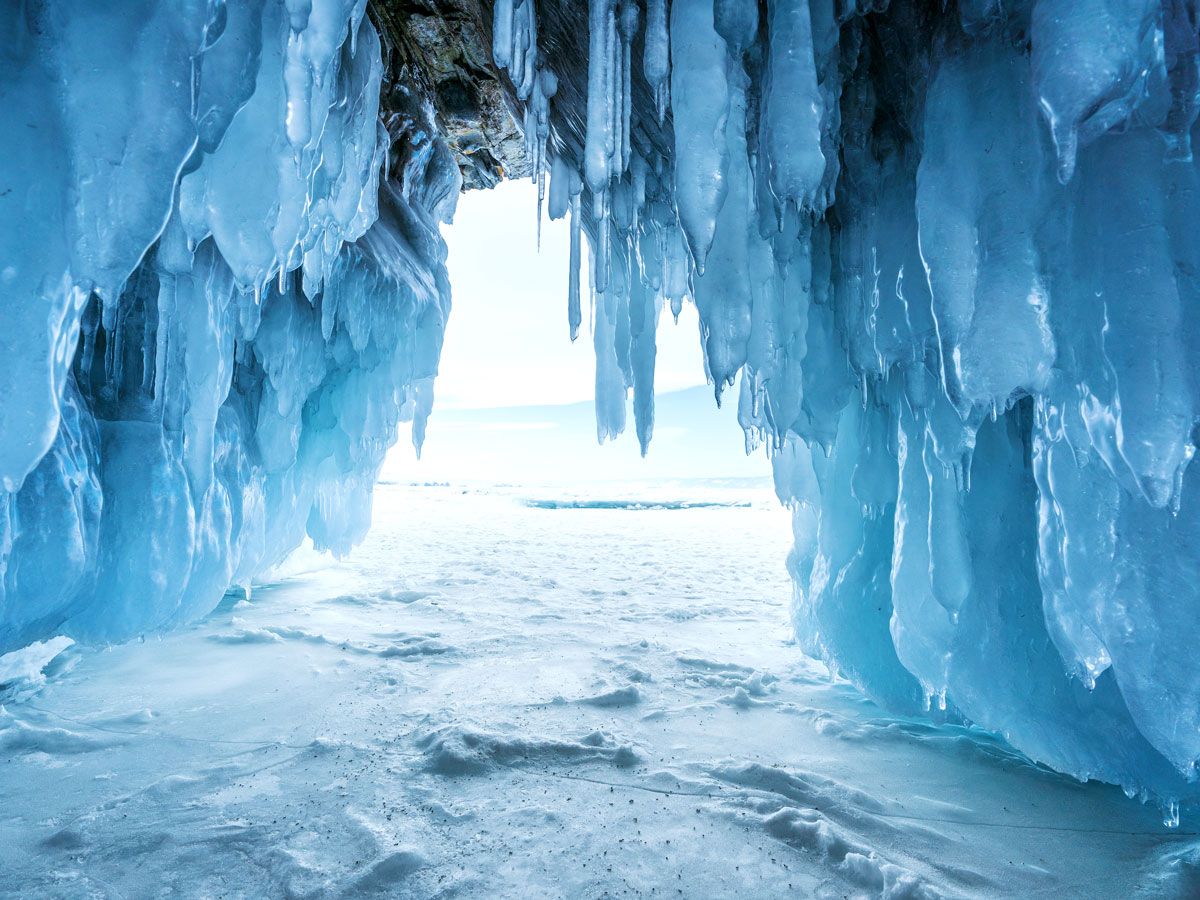
Though many Siberians flock to the lake during the summer to swim in its cold water, Baikal is a spectacular sight in the winter. While many places in Siberia are much colder, temperatures still average -6 degrees Fahrenheit. The ice covering the lake can be as much as 6 feet thick and hangs around until late spring. The lake is also a methane storehouse — as temperatures plummet, white bubbles of gas freeze suspended within the clear ice. The ice itself takes on numerous forms: giant ice shards, icicles hanging from cave ceilings like stalactites, vertical blocks of translucent ice, and nature’s greatest, open-air skating rink.
When the ice is thick enough, usually from mid-February to late March, an ice road known in Russian as a zimnik connects the shore with Olkhon Island. About 7 miles long, the road opens up a world of frozen waterfalls, glittering ice caves, and frost-encrusted cliffs which would otherwise be cut off from the surrounding area.
More from our network
Daily Passport is part of Inbox Studio, an email-first media company. *Indicates a third-party property.