



6 U.S. Cities You Can’t Actually Visit
6 U.S. Cities You Can’t Actually Visit

Cities and towns are typically defined as settled places. They’re locations filled with, at a minimum, roads for traveling and buildings for residents and visitors to live, shop, and work in. Scattered across the United States, though, there are several places that meet most of a town’s structural requirements, even if they lack the key defining element — people. These “fake” places are designed to look deceptively real while serving purposes that aren’t usually part of ordinary civic life, from military operations to immersive role-playing and futuristic research. Discover six purpose-built fake U.S. places that you can’t actually visit.
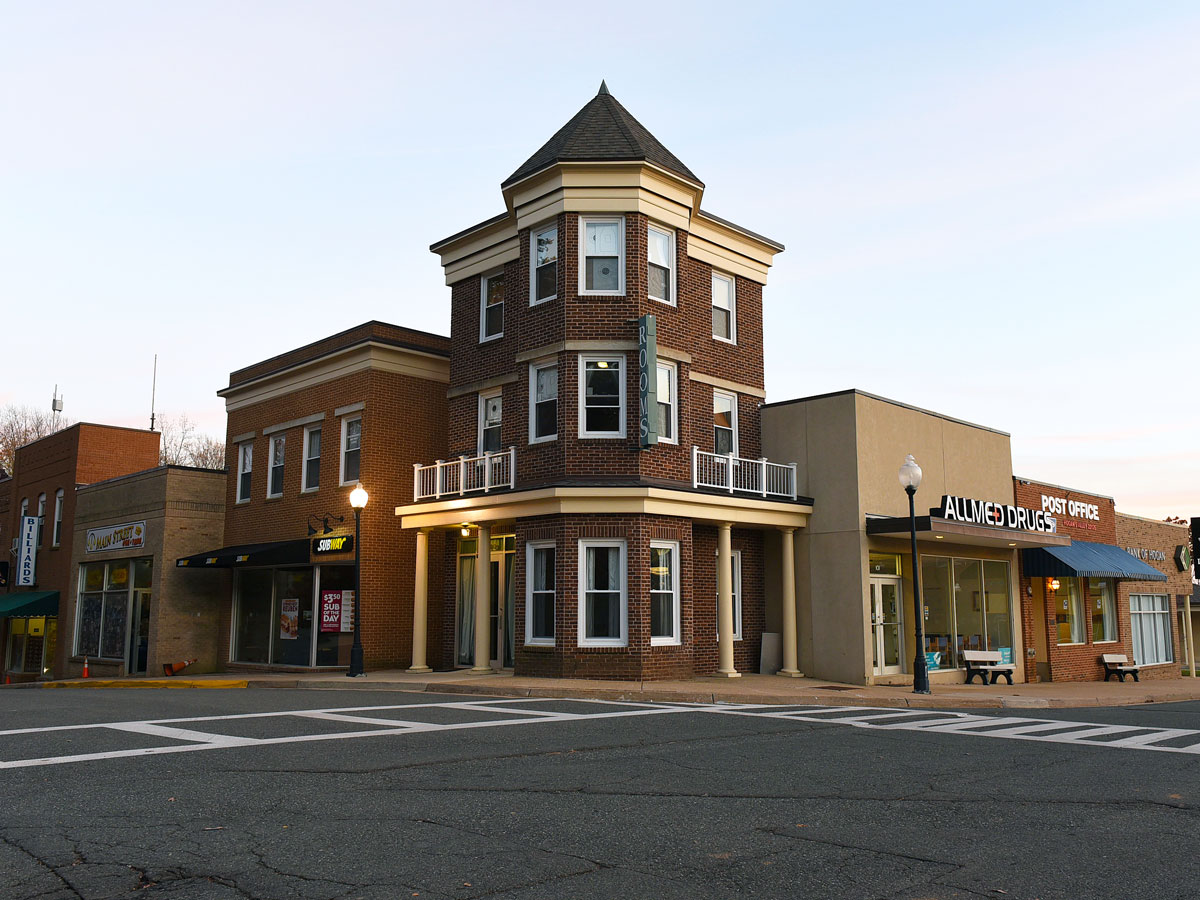
Hogan’s Alley, Virginia
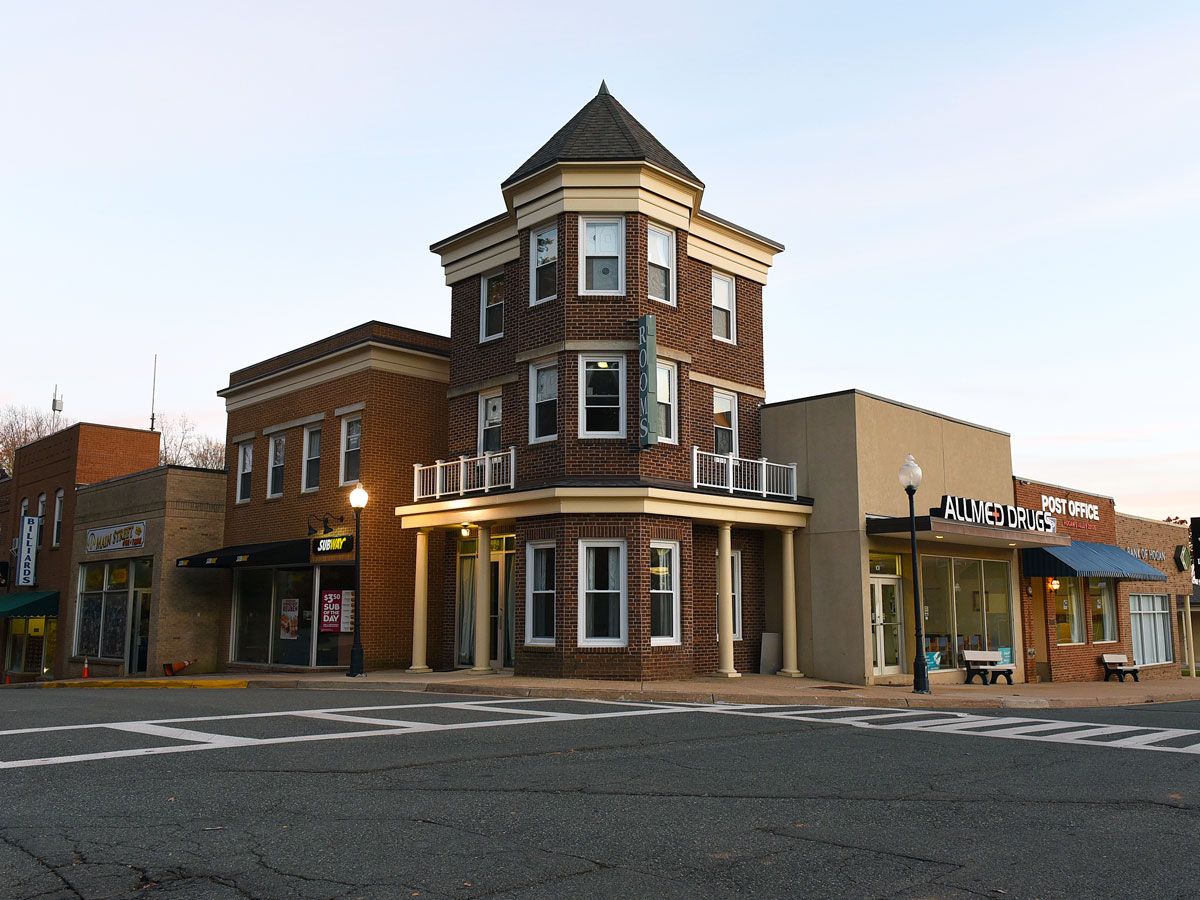
Tucked inside the FBI Academy in Quantico, Virginia, Hogan’s Alley looks like a quaint American town — one that just happens to have an unusually high crime rate. In this case, however, the crimes are carefully staged. The simulated city was built in 1987 with the help of Hollywood set designers to train FBI and other law-enforcement agents in everyday scenarios.
The streets of Hogan’s Alley feature familiar facades, including a laundromat, bank, theater, and post office, but their interiors can be reconfigured for different exercises. There’s also a realistic stream of foot traffic, with role players acting as bystanders, witnesses, or suspects who trainees interact with as they practice everything from making arrests to processing crime scenes.
Agloe, New York
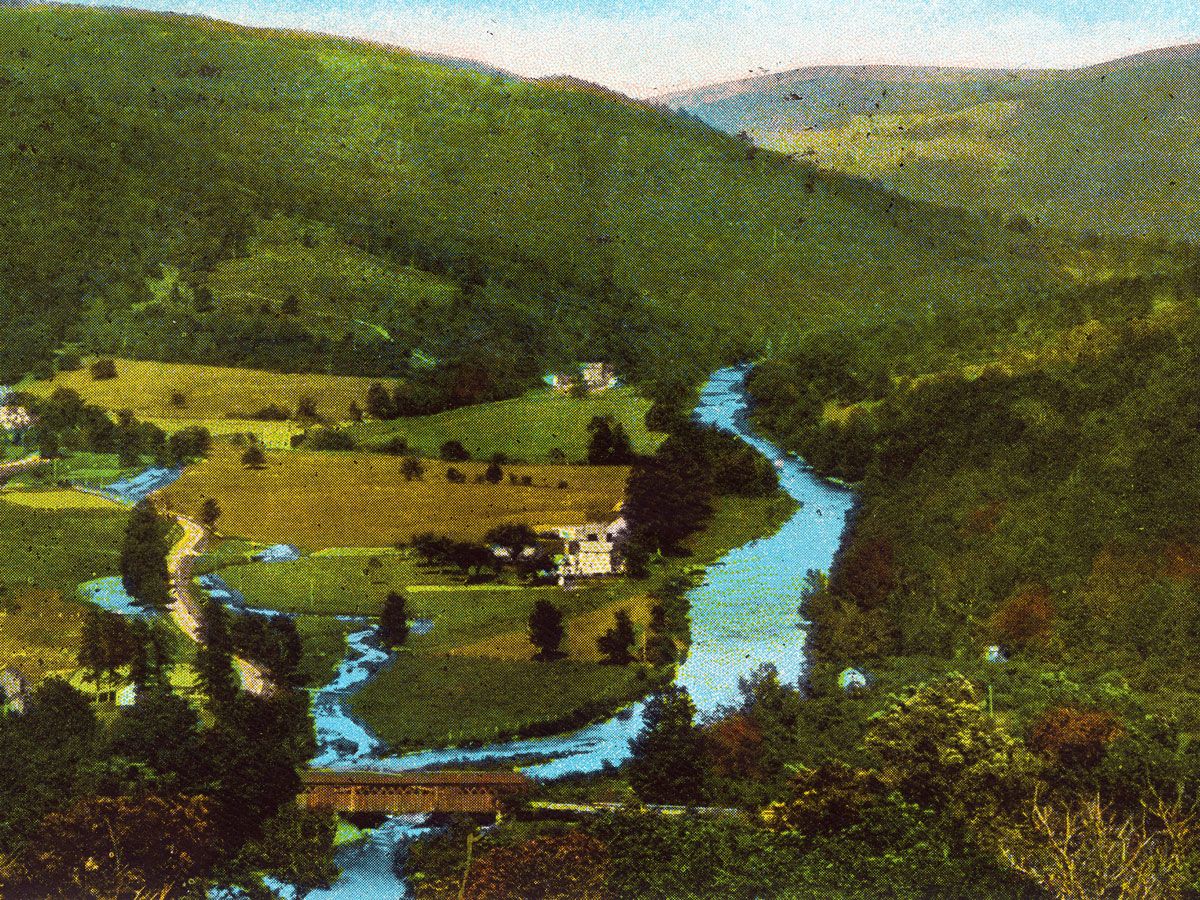
Not all fake towns are made with streets and buildings in mind. Take Agloe, New York, for example: In the 1930s, Agloe was written onto a map of the western Catskills as a means of copyright protection. Mapmakers didn’t put this so-called paper town — a town that exists only on a map — to help guide people, but rather to catch others who might plagiarize their work, a common practice in the past.
However, in Agloe’s case, this paper town took on a life of its own. A nearby shop, having seen the name on a map, named its general store Agloe in the 1950s. (The store has since closed.) Decades later, Agloe resurfaced in pop culture when author John Green featured a trip to the mythical place in his 2008 novel Paper Towns. Agloe won’t be found on any modern maps today, but at its exact coordinates, you may still find a copy of Paper Towns that day-tripping explorers have left behind in homage.
Boeing Wonderland – Seattle, Washington
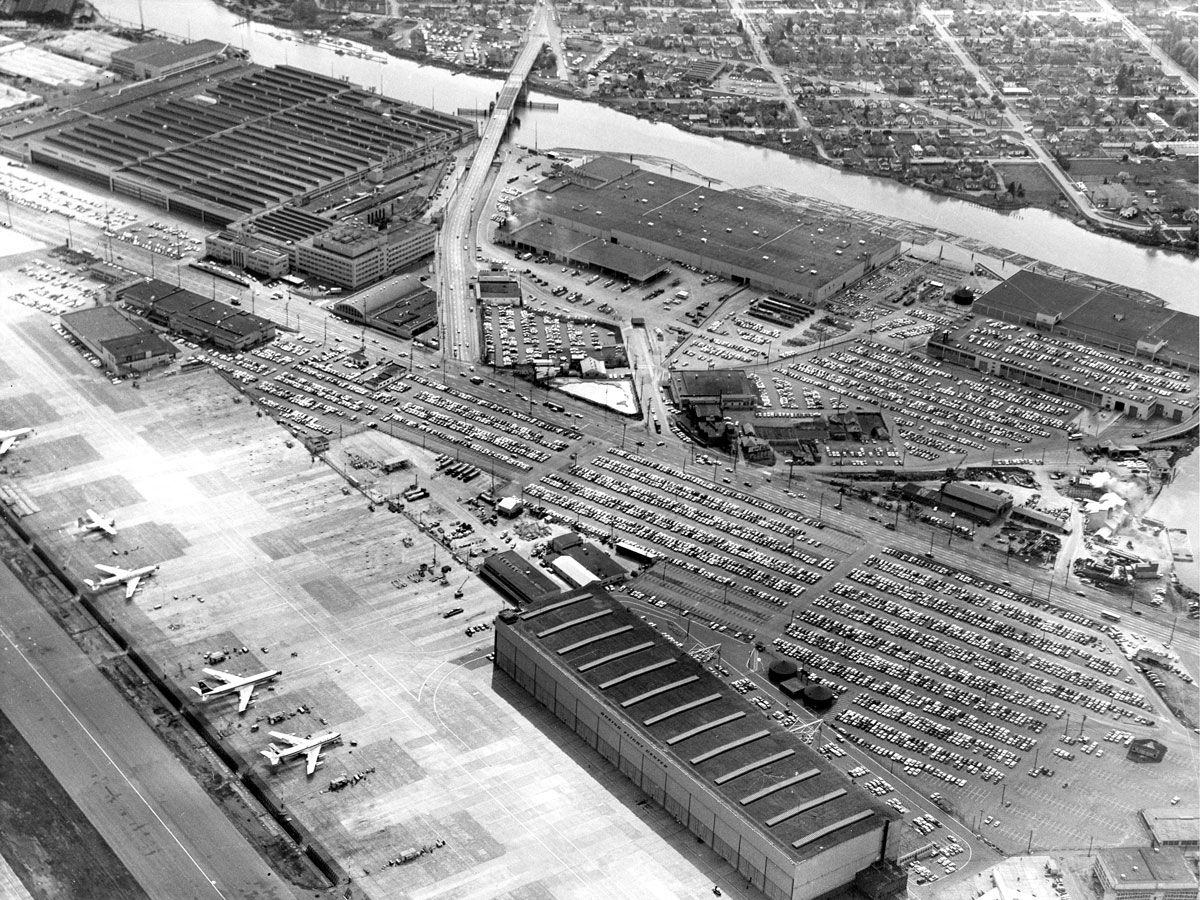
With a name like Wonderland, this Seattle neighborhood sounds like a great place to visit, but it wasn’t actually meant for people. During World War II, a fake town was built on the sprawling rooftop of Boeing’s Plant 2 factory to disguise the busy B-17 bomber assembly lines.
The U.S. Army Corps of Engineers turned to Hollywood designers and set crews to create the facade. Up close, it wouldn’t fool anyone. But to potential enemy eyes in the sky, streets such as Burlap Boulevard and Synthetic Street — made of everything from wood to burlap to chicken wire and spun glass — looked like the real deal. Ultimately, Wonderland was never broached, and the imaginary neighborhood was dismantled soon after the war.
Camp Peary, Virginia
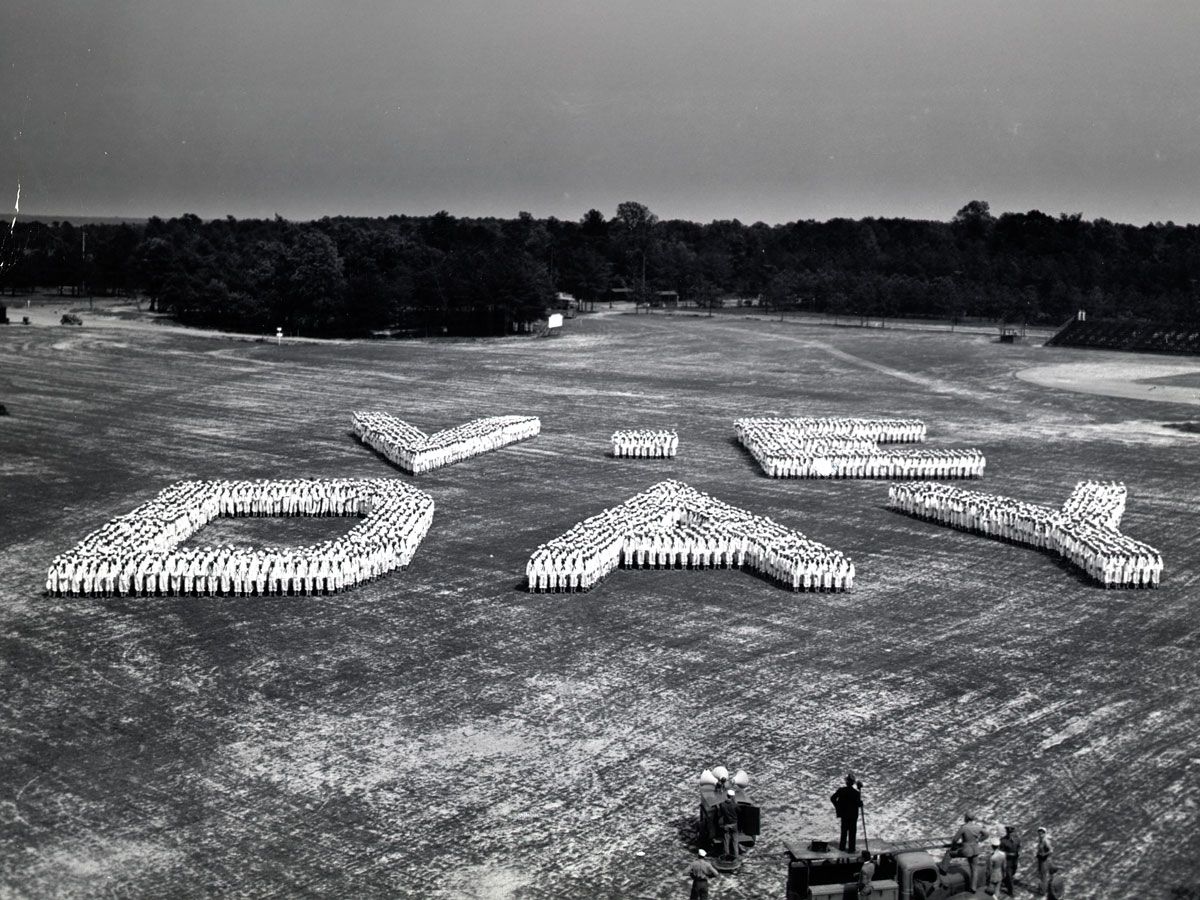
A few miles outside Williamsburg, Virginia, lies one of the most secretive places in America. The 9,000-acre Camp Peary may sound like an idyllic summertime spot, but it’s actually a military base, home to a covert CIA training facility also known as “the Farm.” In her memoir, former CIA officer Amaryllis Fox described the Farm as a “simulated Truman Show set,” a nod to the 1998 movie in which a man’s entire life is staged for show.
The highly specialized site hosts intensive, immersive role-playing exercises. According to the same insider, every exercise is set in a fictional country, everyone uses aliases, a made-up cable news channel reports the made-up events of the fictional world, and fake diplomats from other countries pay visits. Exercises help recruits practice driving, self-defense, emergency first-aid, and other skills used in intelligence operations and espionage.
Mcity, Michigan
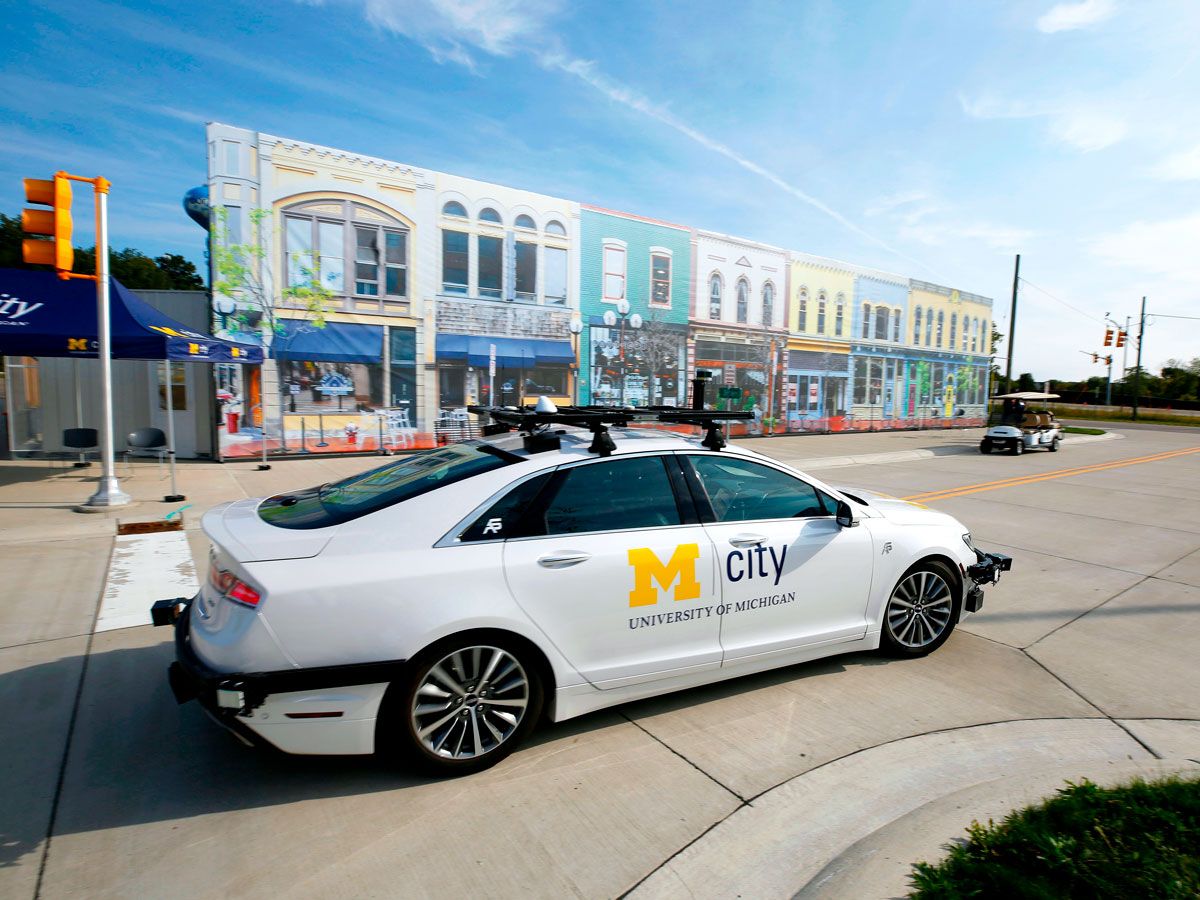
Mcity may look like a quaint town worth a day trip, but it’s actually a simulated city located on the University of Michigan’s Ann Arbor campus. Opened in 2015, Mcity’s 32 acres were built to test self-driving vehicles before they hit the real roads. It’s packed with familiar urban infrastructure: plenty of road types and intersections, traffic signals, signs, and building facades. But it also has integrated technology such as wireless-connected networks, augmented reality systems, and sensors that can track vehicle performance in real time.
The campus continues to expand the site’s capabilities. In 2025, the university launched M-air to explore drones and other aerial technologies and how they can effectively be used across various sectors including industry, government, and research. Unfortunately, Mcity isn’t open to casual visitors, even if you do follow all the rules of the road.
Fort Irwin, California
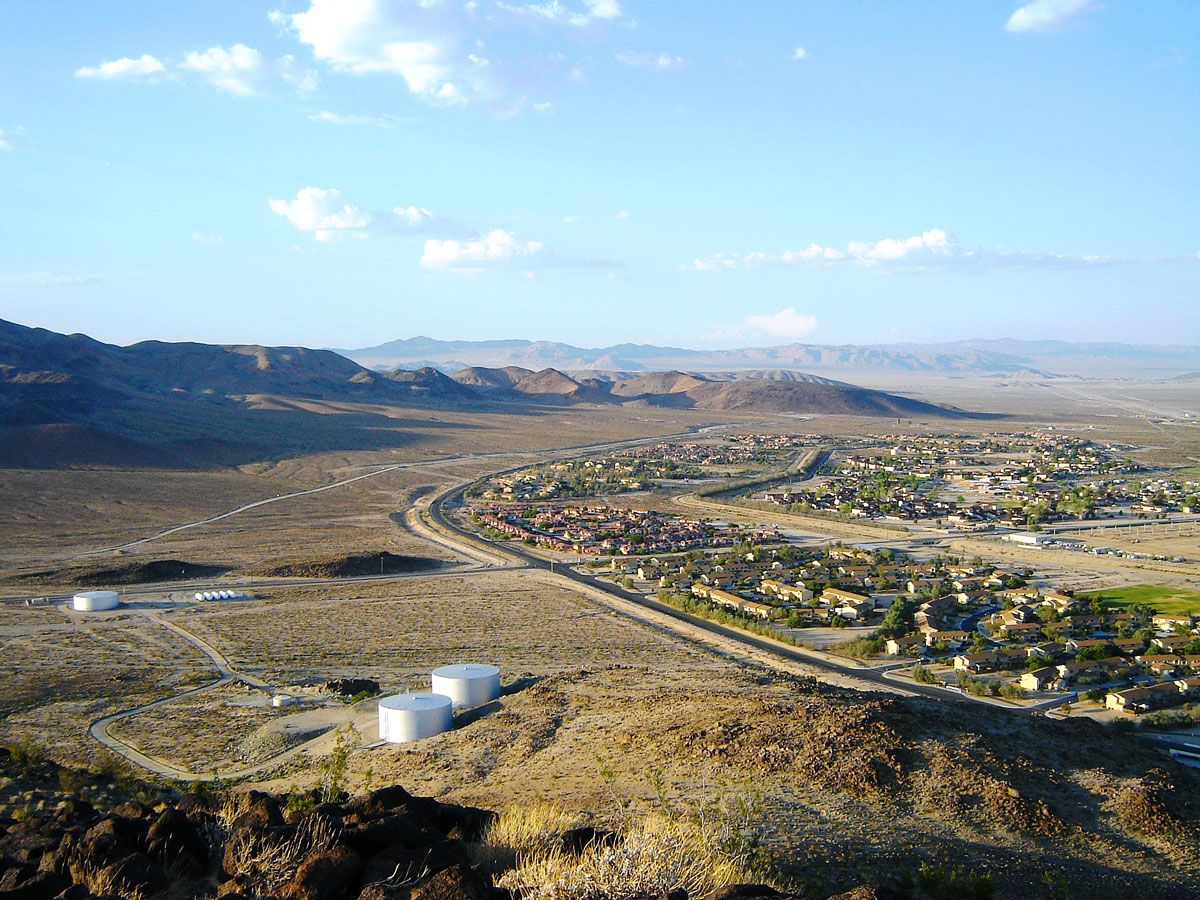
About 150 miles northeast of Los Angeles in California’s Mojave Desert, a series of streets and buildings make up a place about the size of Rhode Island. Though people have long passed through this desert region, few stayed for long. The area’s isolation made it attractive to the U.S. Army, and in 1940, President Franklin D. Roosevelt established the military training facility now known as Fort Irwin.
Fort Irwin contains about 15 simulated towns and cities (reports on the number of towns vary). These communities are designed to resemble real urban environments, but they don’t function as permanent places. Made out of mobile, modular units, they’re often adapted and updated to reflect evolving geopolitical and tactical environments. Here, Army personnel take part in intensive training in simulated cities with names such as Razish or Ujen. Unlike the other cities on this list, this fake town is sometimes open to visitors for occasional tours — complete with a standard military meal for lunch, unless you opt to bring your own.
More from our network
Daily Passport is part of Inbox Studio, an email-first media company. *Indicates a third-party property.