




6 Things That Surprise Americans in Grocery Stores Abroad
6 Things That Surprise Americans in Grocery Stores Abroad
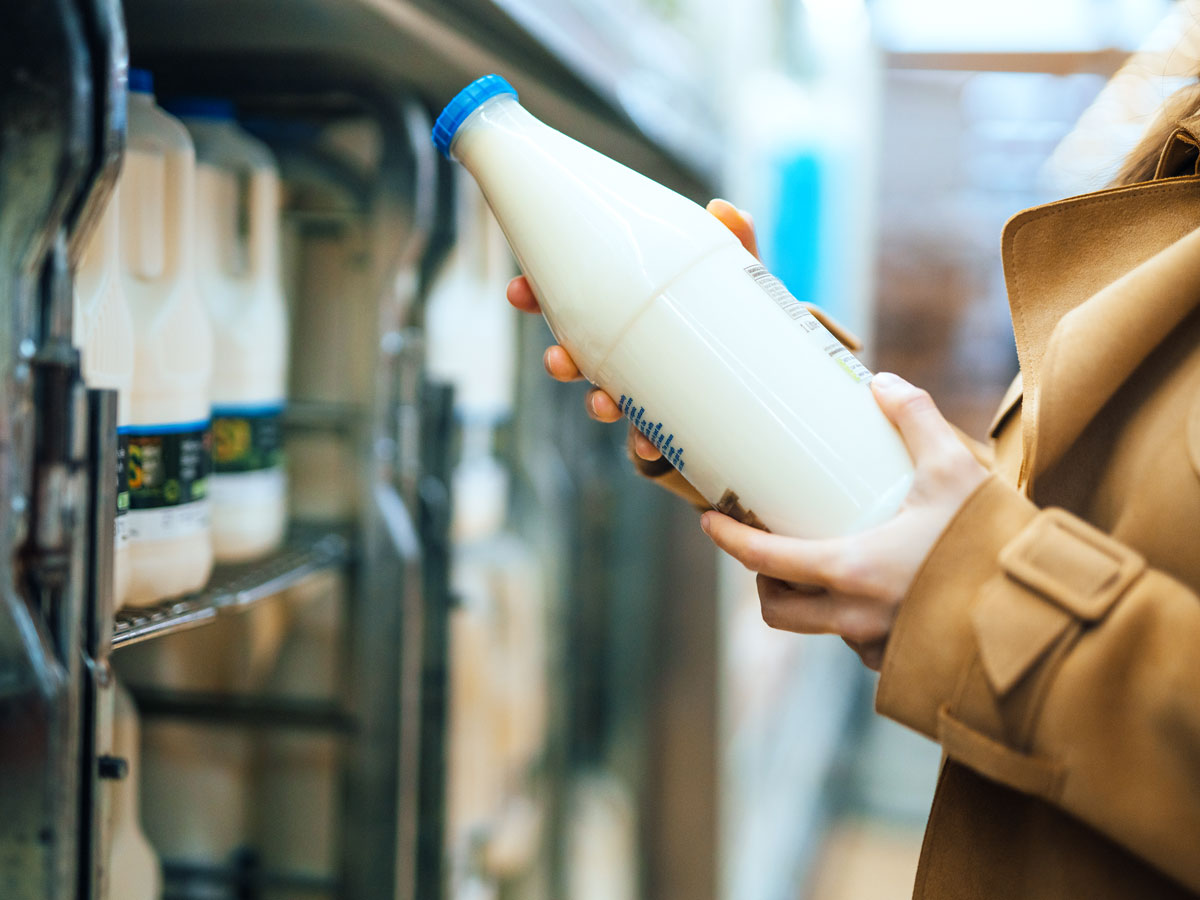

Culture shock comes in many forms and from many experiences, including just the simple act of walking through a grocery store in another country and being surprised by just about everything there. (Or by what it’s called: Peanut butter, for example, is called pindakaas, meaning “peanut cheese,” in the Netherlands.) If you know what to expect, however, you’ll be better prepared to navigate the Lidls, Tescos, and Ito-Yokados of the world. Even so, the following six things might surprise you about grocery shopping in another country.
Bagged Milk
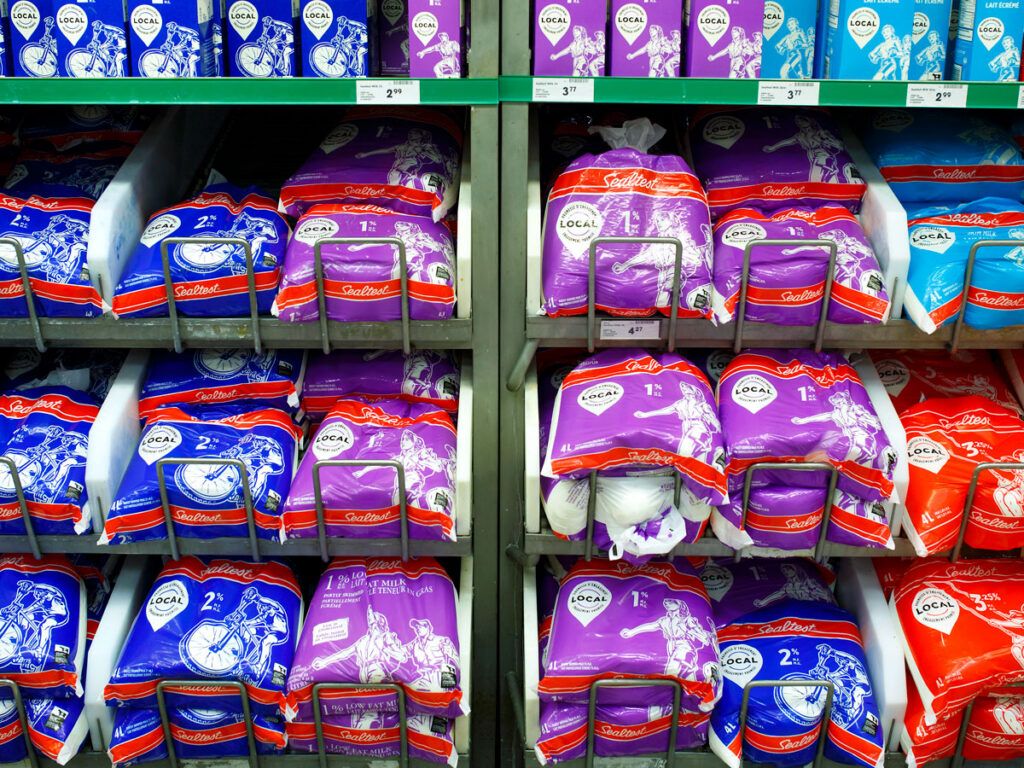
Though especially common in Canada, where you’ll sometimes hear the unfortunate nickname of “milk bladder,” bagged milk can also be found in the U.K., Israel, India, and parts of Eastern Europe. Bags are cheaper to produce than cartons and more environmentally friendly than plastic jugs, but their nebulous shape tends to be off-putting to first-timers. To open a milk bag, you can use scissors to cut a small hole at a 45-degree angle in the top corner — many Canadians keep a special device called a Snippit in their kitchens for this purpose — and store the bags in reusable hard plastic milk pitchers.
Premade Pancakes
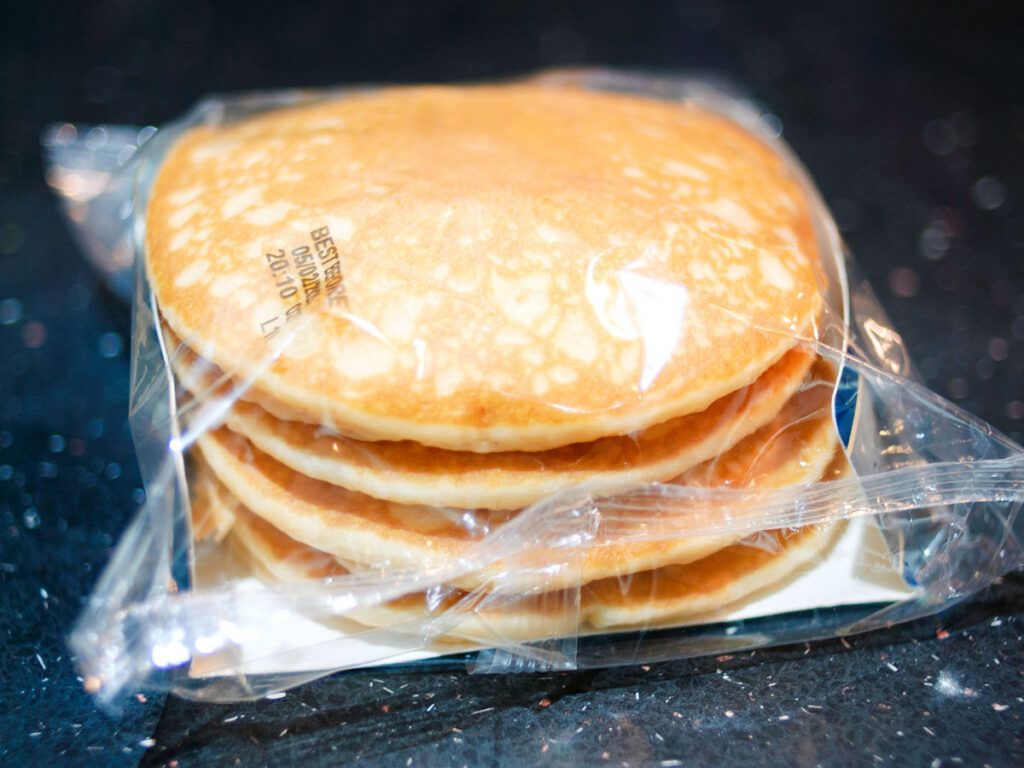
Why go to the effort of actually cooking pancakes when you can buy them premade? That’s a question our friends in France apparently found themselves asking at one point, and the answer can be found in the products offered by companies like Bakerly. They may not be as tasty as their made-from-scratch counterparts, but there’s no doubting the convenience of pancakes to-go. When wandering a French grocery store, you’ll typically find individually wrapped mini pancakes in the snack aisle, but more traditional crepes are also often available premade in the refrigerated section.
Coin-Operated Grocery Carts
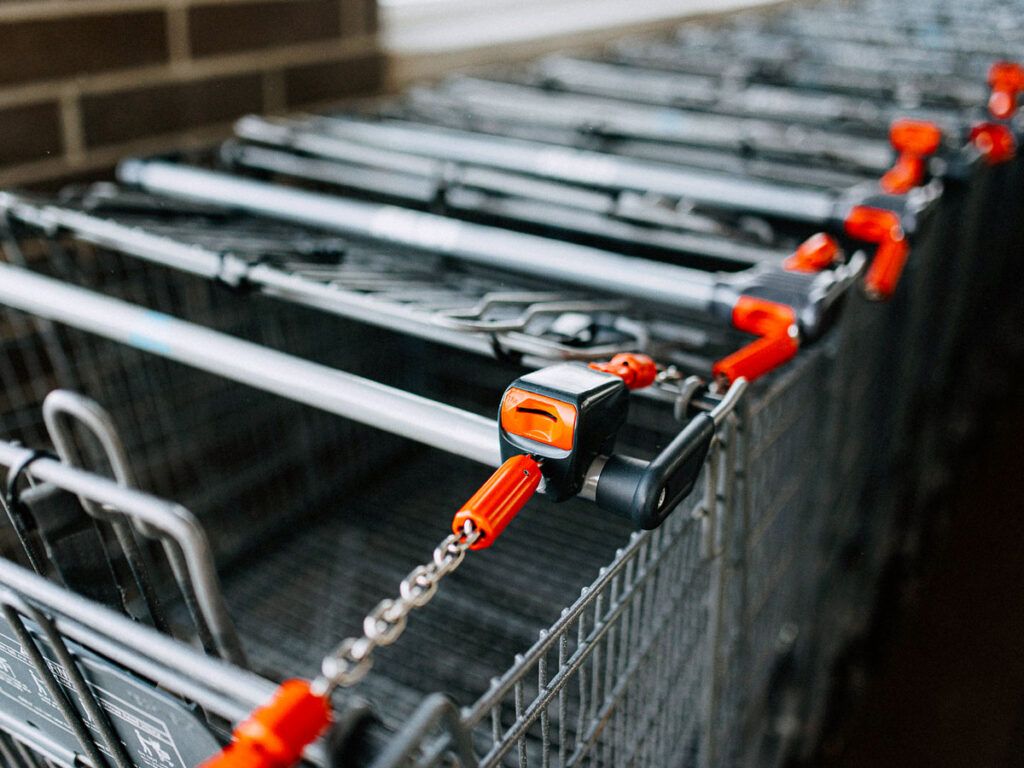
Unless you frequently shop at Aldi, which originated in Germany and has a very European sensibility, seeing a coin-operated cart in another setting besides an airport probably sounds jarring. The practice is common not just at Aldi, but at many grocery stores in Europe, and is meant to ensure that customers return their carts rather than leave them in the parking lot — or even take off with them.
Unrefrigerated Eggs
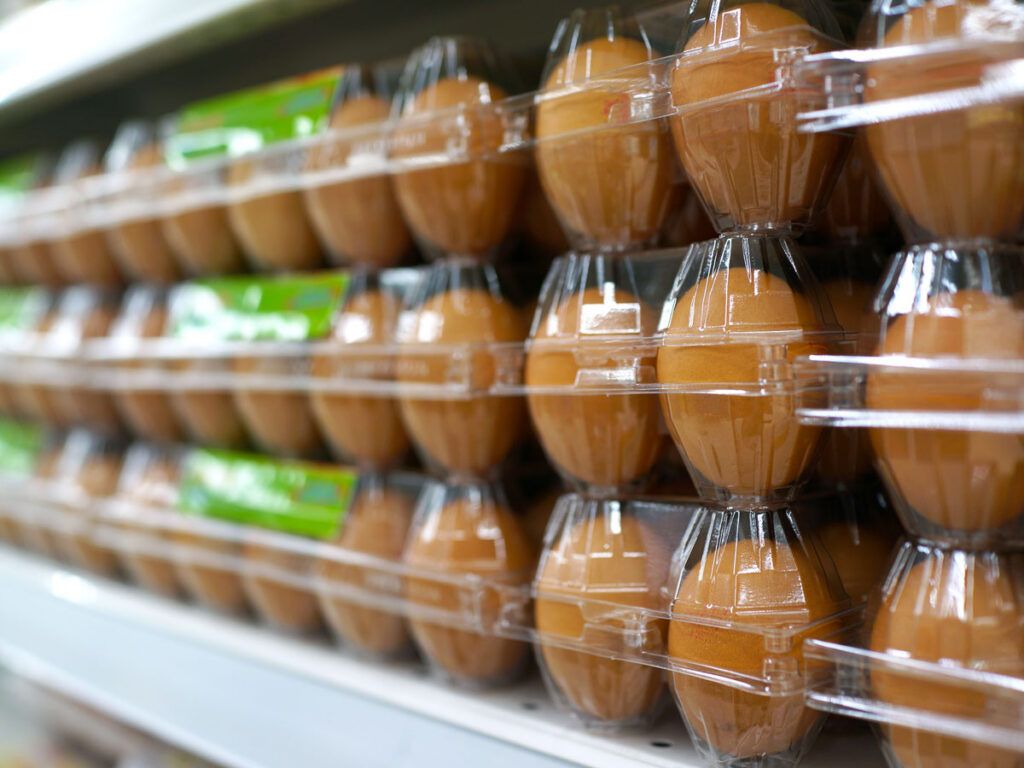
Though it might sound counterintuitive, the reason eggs don’t need to be refrigerated in many parts of Europe is because they aren’t washed first. Washing them removes a natural protective coating known as the “bloom,” which makes them shelf-stable for up to two weeks. Eggs in America are required to be washed, however, which means they also need to be refrigerated — once the bloom is gone, so too is the protection against salmonella.
“American” Aisles
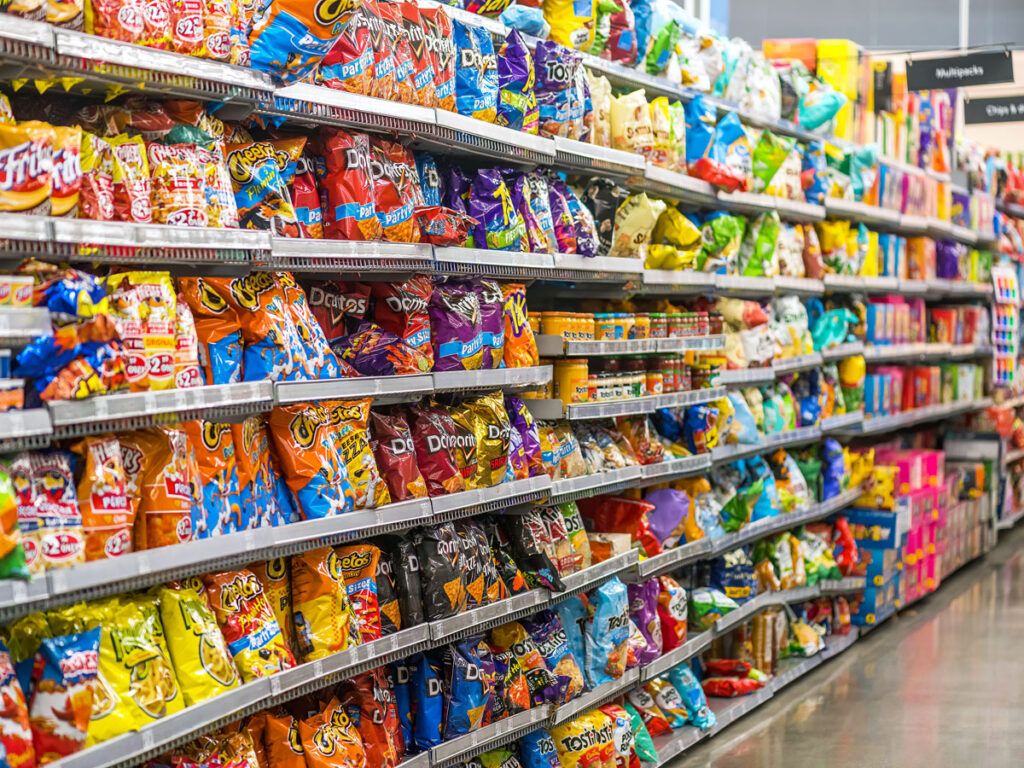
If you’d like to know what other countries often think of American food, just check the dedicated aisle at some of their grocery stores. It’s there that you’ll typically find all manner of packaged and processed foods, from Oreos and marshmallow fluff to soda and Cheetos — all of it delicious, none of it good for you.
Unrefrigerated Milk
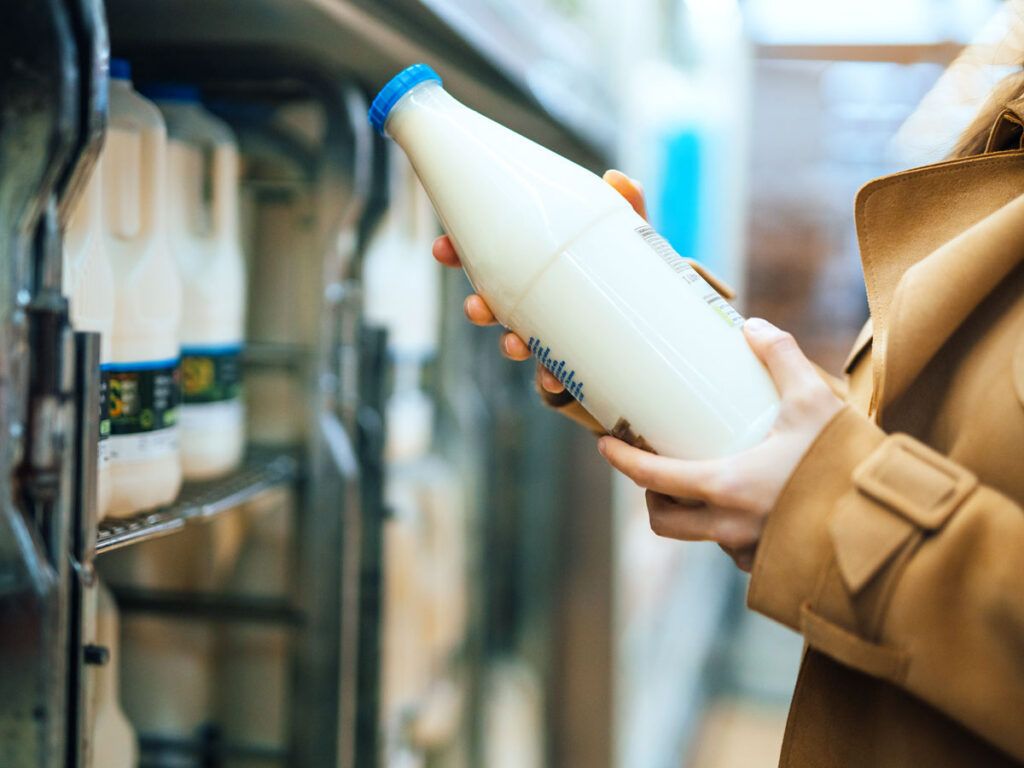
As with eggs, milk doesn’t always need to be refrigerated. It depends on how it’s pasteurized, and much of the rest of the world opts for the ultra-high-temperature (UHT) method, which kills all bacteria and allows for a longer stable shelf life. America primarily uses HTST (high-temperature short-time) pasteurization, which kills fewer bacteria and requires refrigeration. Both are perfectly safe to drink, but the unrefrigerated variety might take some getting used to.
More from our network
Daily Passport is part of Inbox Studio, an email-first media company. *Indicates a third-party property.