






Do You Really Have To Check Out of a Hotel?
Do You Really Have To Check Out of a Hotel?


When it’s time to check out of a hotel, it’s always been common practice to let the front desk know that you’re leaving. But is telling the staff actually necessary these days, or is it outdated protocol? After all, it’d be more convenient to leave the key in the room and simply walk out the door, especially when there’s a long line at the desk or you’re rushing to catch a flight. However, leaving in a hurry can cause unexpected issues. Here’s why you should always check out of a hotel.
You Don’t Need To Check Out, But…
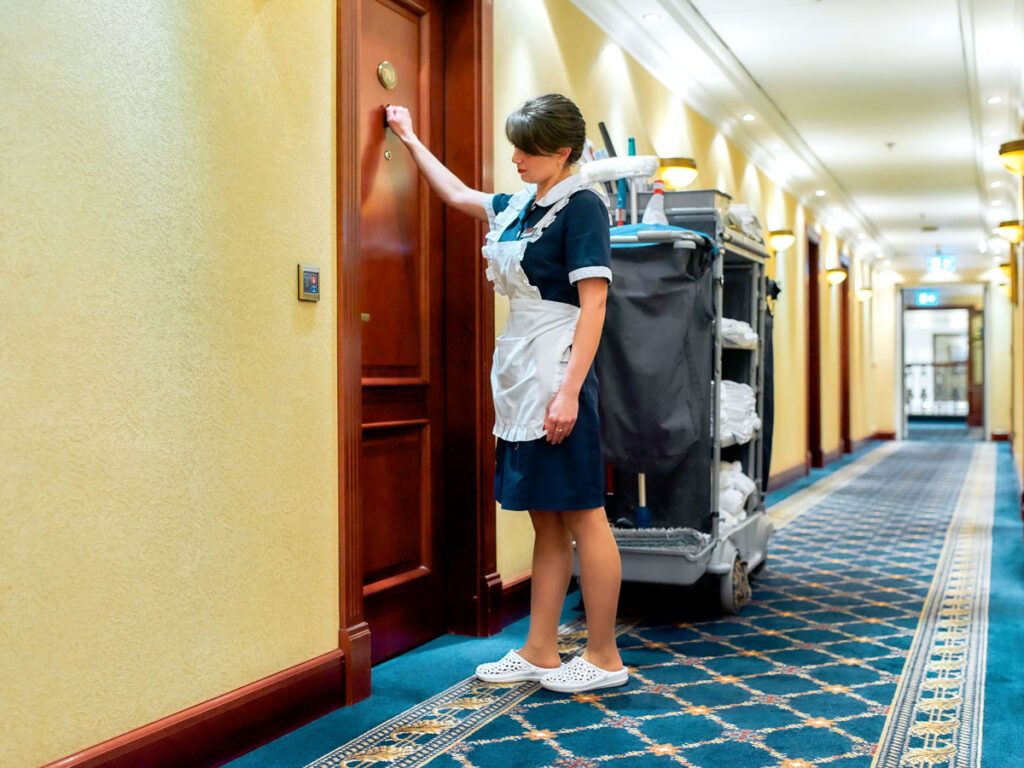
Whether you forget to check out or actively decide not to do so, most hotels are still equipped to process your departure in your absence. If the staff doesn’t hear from you by the time the official checkout cutoff rolls around, they’ll likely just charge the card on file, add on any extra costs (if you used the minibar or other services), and close out the booking. They also may send housekeeping to the room to confirm you’ve left.
The process may be different at small boutique hotels or at bed-and-breakfasts, especially if they use a more rudimentary system to record departures. But most hotel chains are equipped to handle all checkouts whether the guest is still there or not. However, there are ways in which walking out the door without formally checking out can cause potential headaches for both you and the staff.
Potential Billing Issues

Checking out at the front desk allows you to inspect the bill and confirm the charges are correct. It’s also a good time to flag any unexpected charges that you might want to dispute. By forgoing the checkout process, you’d be waiving this opportunity to discuss errant charges in person, and you won’t know how much you paid until you receive an email with a copy of your folio or until the charges hit your bank account.
If anything is amiss, you may have no choice but to dispute the charges from afar, and it could be a headache coordinating with both the hotel and your bank. Taking the time to check out alleviates these concerns, and the front desk can help you fix any issues before you go on your way.
Checking Out Is Courteous

Checking out isn’t merely for your own benefit — it also makes the lives of the hotel staff easier by allowing them to efficiently clean rooms and prepare them for the next guest. If you let the front desk know when you leave, they can alert the housekeeping team right away, and they can get a head start on tidying up.
Say you leave the hotel three hours before the official checkout time but don’t tell anyone when you depart. Hotel staff will probably assume you’re still in the room, and they won’t send anyone by to clean it until hours later. If nothing else, consider telling the hotel staff about your departure as a courtesy.
Alternatives to the Front Desk

If physically checking out at the desk is an issue for any reason, there are a couple of convenient alternatives. Some hotels allow you to check out through their mobile app, or by using the TV or tablet provided in the room. You can also call the front desk, tell them you’re leaving, and request that they email you the bill so you can review it. Any one of these options is better than leaving without a peep, since it lets the hotel know you’re gone and still allows you to review charges before you depart.
More from our network
Daily Passport is part of Inbox Studio, an email-first media company. *Indicates a third-party property.