


The Least Polluted Cities in the U.S.
The Least Polluted Cities in the U.S.
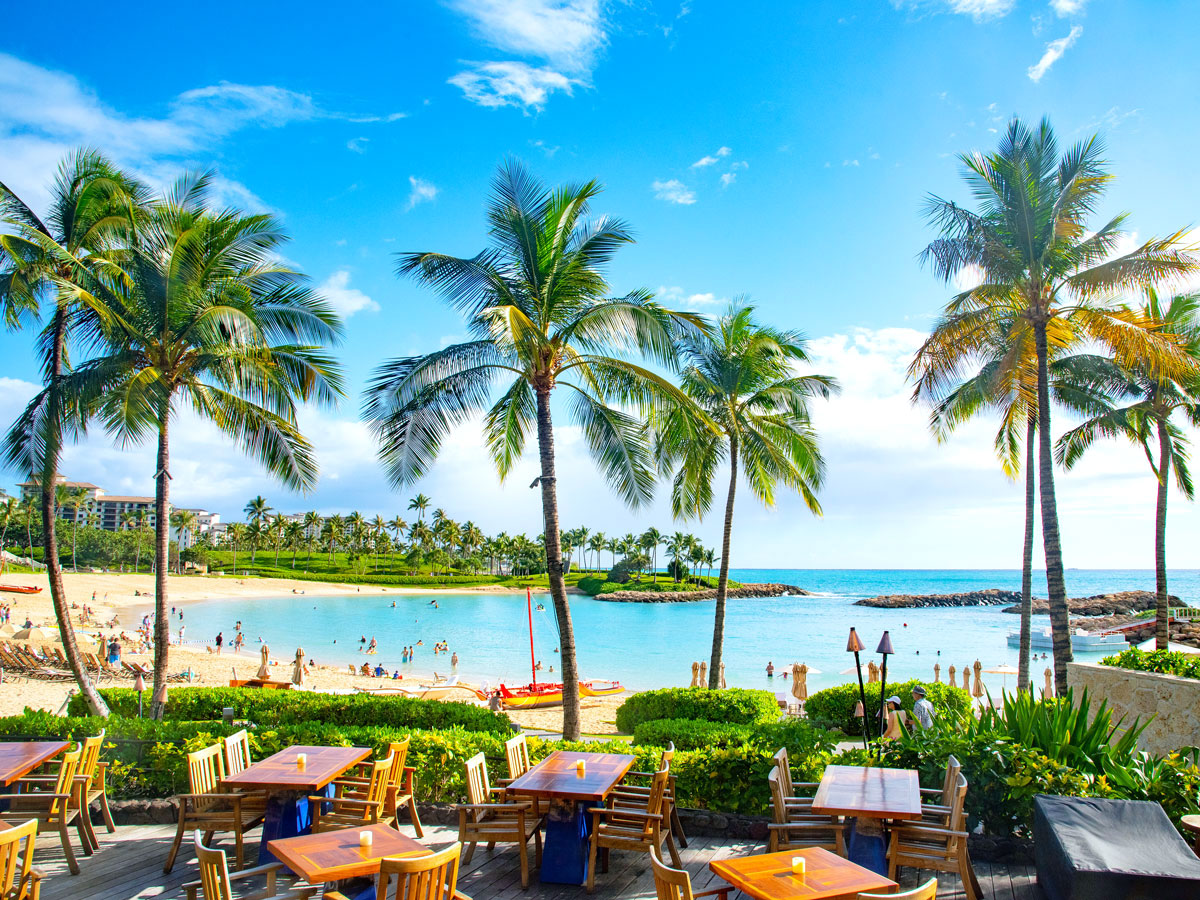

Breathing clean air is an important consideration when you’re exploring a new city, but air quality varies greatly across the U.S. Some cities manage to keep things fresh thanks to geographical location, low industrial density, environmental regulations, or a combination of those factors. A recent report by Smart Air ranked U.S. cities by their 2025 levels of PM2.5, which are microscopic particles that can enter the lungs and bloodstream. Based on the findings, these were the 10 U.S. cities with the best air quality in 2025.
10. Worcester, Massachusetts
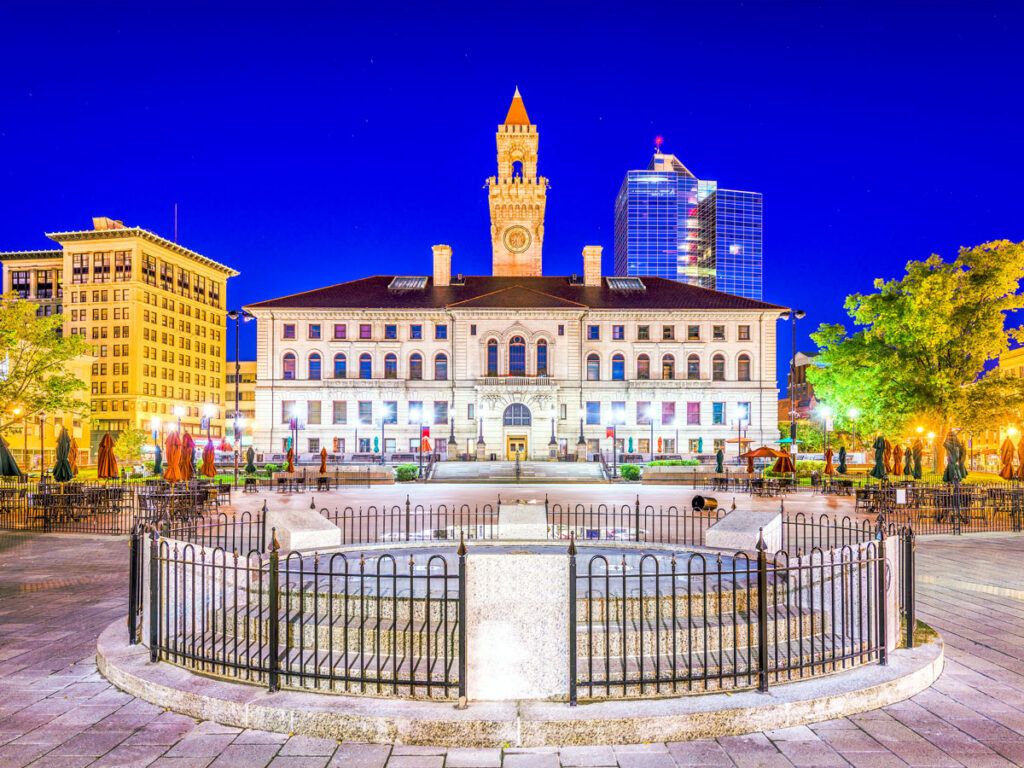
Annual PM2.5 levels: 5.8 µg/m3 (micrograms per cubic meter)
Set inland in central Massachusetts and elevated slightly above much of the eastern part of the state, Worcester avoids some of the regional pollution patterns that can affect coastal urban corridors. The city’s clean air story is tied to the Green Worcester Plan, which aims to cut emissions, improve energy efficiency, and build a more sustainable urban environment by 2050. There’s also a proposal to install air-quality sensors to aid in tracking pollution at the neighborhood level. Worcester’s clean air is ideal for outdoor recreation at Green Hill Park or catching a ballgame at Polar Park.
9. Salinas, California
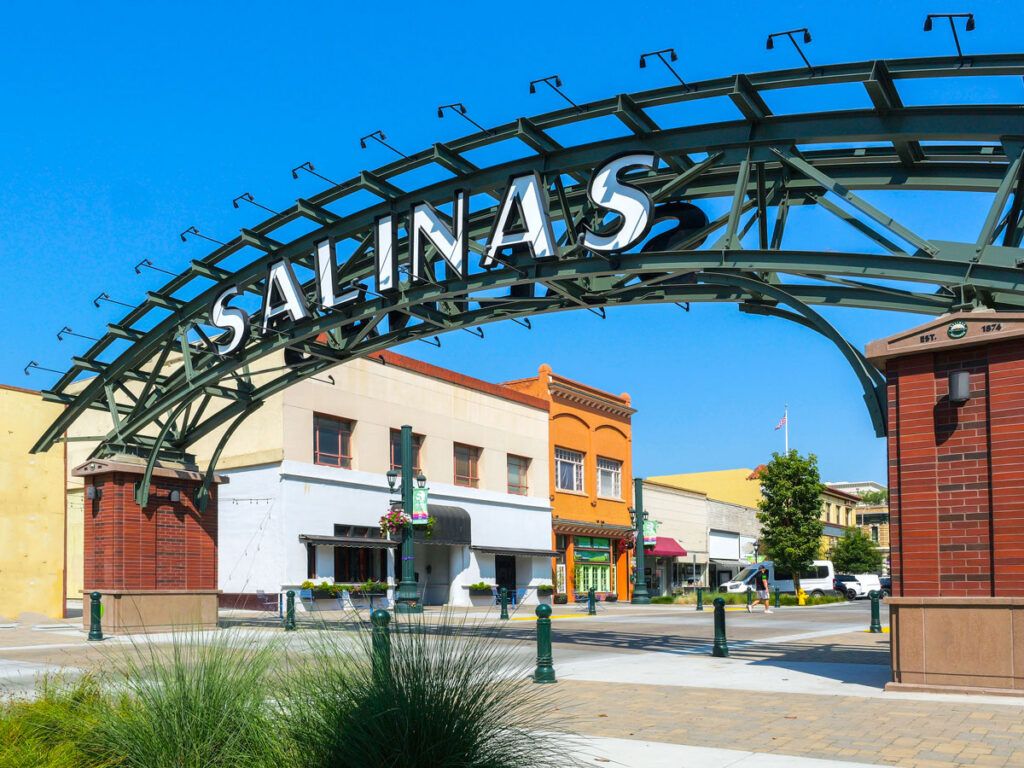
Annual PM2.5 levels: 5.7 µg/m3
Set in the Salinas Valley, just inland from Monterey Bay, Salinas receives coastal breezes that help disperse pollution. The city — known as the hometown of Nobel Prize-winning author John Steinbeck, whose legacy you can explore at the National Steinbeck Center — is surrounded by open agricultural land, and without major industrial emitters, baseline emissions remain relatively low. Salinas is planning ahead, too, with a Climate Action Plan (CAP) aimed at cutting greenhouse gas emissions and adapting to climate risks. This includes Monterey-Salinas Transit working progressively toward a zero-emissions fleet by 2040.
8. Vancouver, Washington
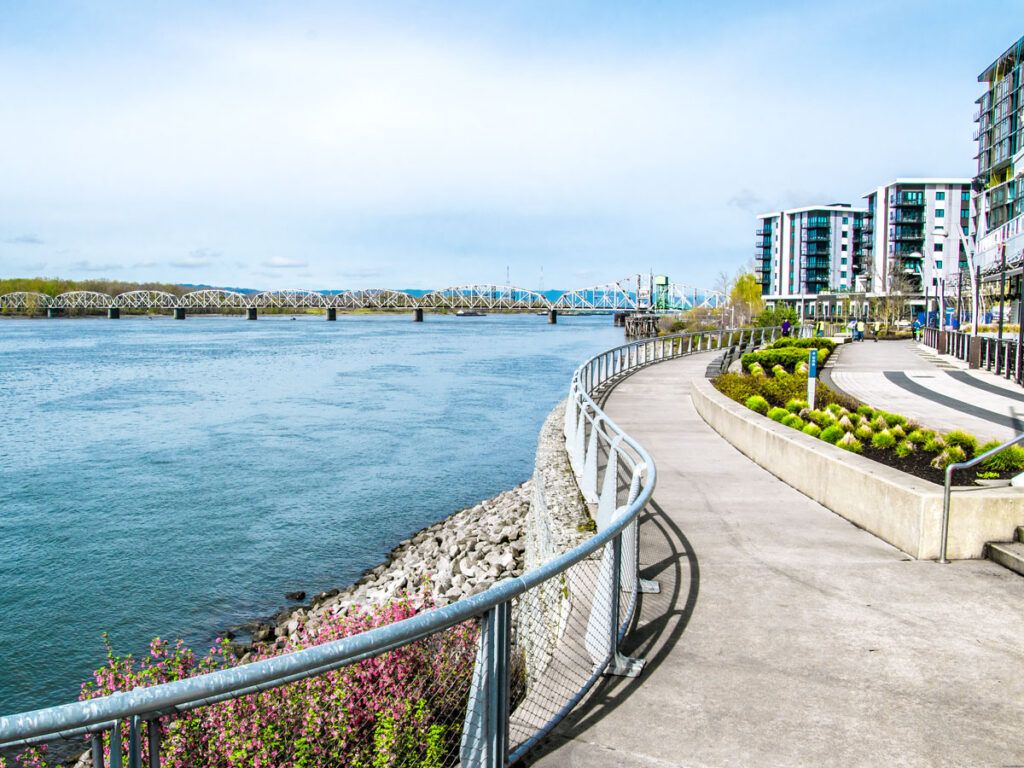
Annual PM2.5 levels: 5.7 µg/m3
With its location along the Columbia River, Vancouver benefits from constant airflow that keeps pollution at bay. Add extensive green space and lower-density development patterns, and the breathing’s easier in this Portland suburb. The city is striving to maintain cleanliness with its Climate Action Framework and a plan for carbon neutrality by 2040. Locals and visitors alike have plenty of opportunities to take in the fresh air, from 5 miles of pathways and historic markers on the Waterfront Renaissance Trail to the Vancouver Lake Regional Park, which offers beaches, picnics areas, and water sports.
7. Boise, Idaho
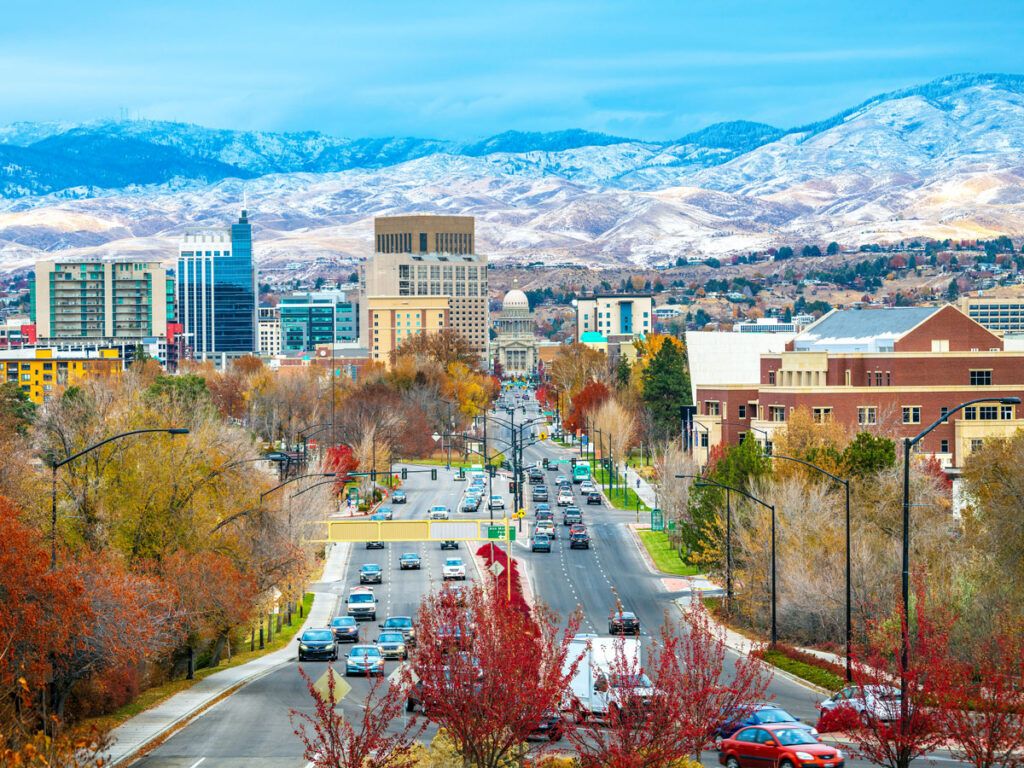
Annual PM2.5 levels: 5.6 µg/m3
Idaho’s capital has a goal to create a carbon-neutral community by 2050. However, pollution levels in Boise can increase during wildfires, most notably in summer, and high regional pollen counts can affect allergy sufferers. Still, this is a city built for enjoying the outdoors, with the Boise River Greenbelt, a series of parks linked by 29 miles of pathways, and Hulls Gulch Reserve offering hiking and mountain biking trails on the northern side of the city.
6. Lubbock, Texas
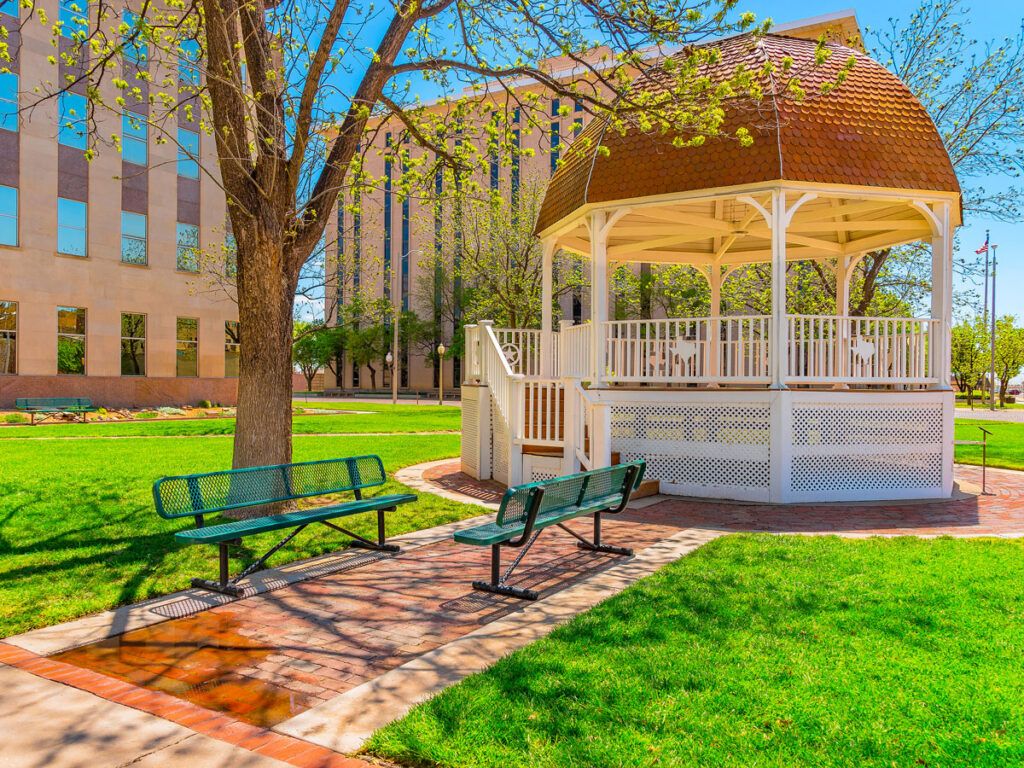
Annual PM2.5 levels: 5.5 µg/m3
Surrounded by the vast, agricultural lands of northwest Texas’ South Plains, Lubbock ranks as the sixth-cleanest city in the U.S. in terms of air quality. The American Lung Association also ranked the metro area highly for low year-round particle pollution. To help with future planning, Lubbock became part of an EPA-funded air monitoring study to track particles across its neighborhoods. Take advantage of the outdoors by heading to one of Lubbock’s 80 parks, such as Mackenzie Main City Park, which has a disc golf course, sculpture garden, and prairie dog habitat.
5. Eugene, Oregon
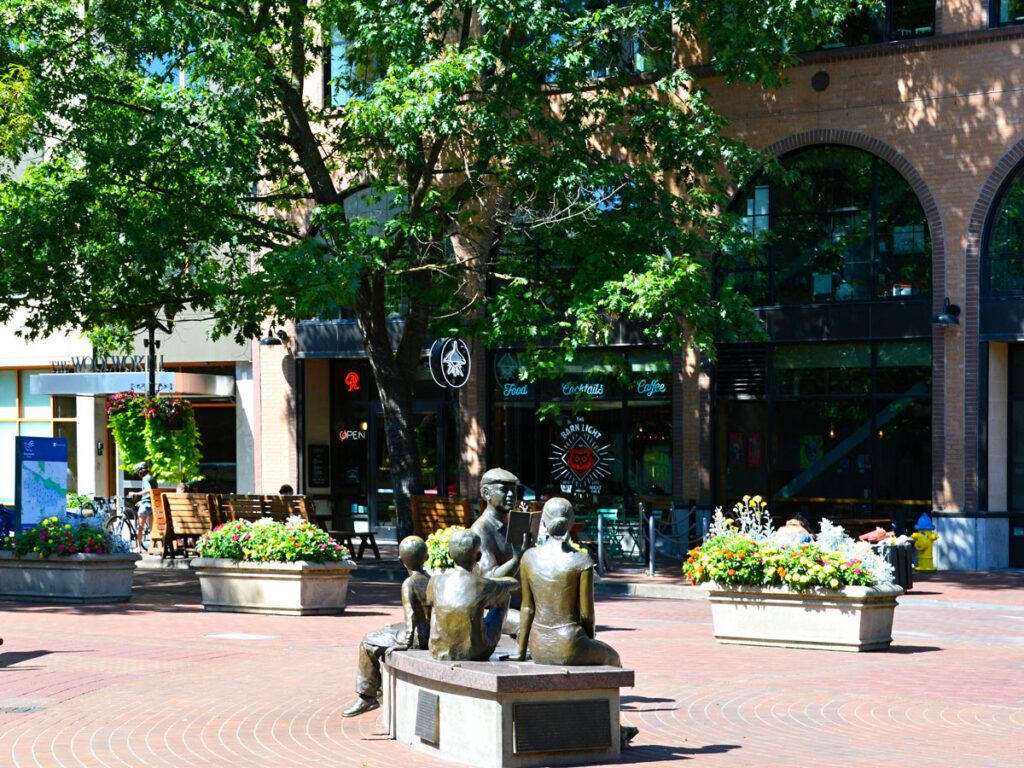
Annual PM2.5 levels: 5.2 µg/m3
After being ranked as the most polluted U.S. city in 2022, Eugene has made quite the comeback. That year, wildfire smoke pushed average particle levels to 23.3 micrograms, more than four times the WHO recommendation. While the Eugene-Springfield region is still susceptible to wildfire and wood-burning pollution, the city is taking measures to improve other environmental impacts. The Climate Action Plan 2.0 aims to drastically cut fossil fuel usage and community greenhouse gas emissions. Often called the “Emerald City,” Eugene serves as a gateway to Willamette National Forest and is home to the 373-acre riverside Alton Baker Park.
4. Santa Rosa, California
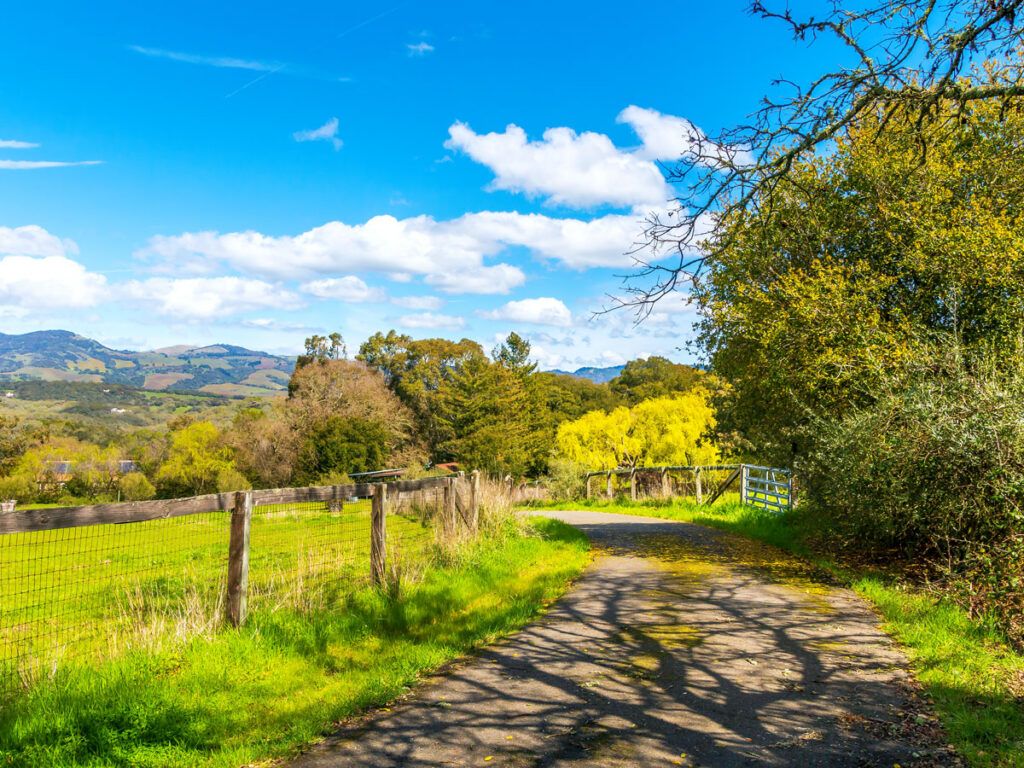
Annual PM2.5 levels 4.6 µg/m3
Located north of San Francisco in California’s wine country, Santa Rosa benefits from a location that avoids some of the region’s heavier coastal pollution patterns and persistent fog, which can trap pollutants. According to the California Healthy Places Index, the city is healthier than 90.4% of California towns in terms of air quality, green spaces, and park access. As a result, locals tend to live active lifestyles. On the city’s doorstep is Trione-Annadel State Park, offering hiking trails, a fishing lake, and wildflower meadows.
3. Colorado Springs, Colorado
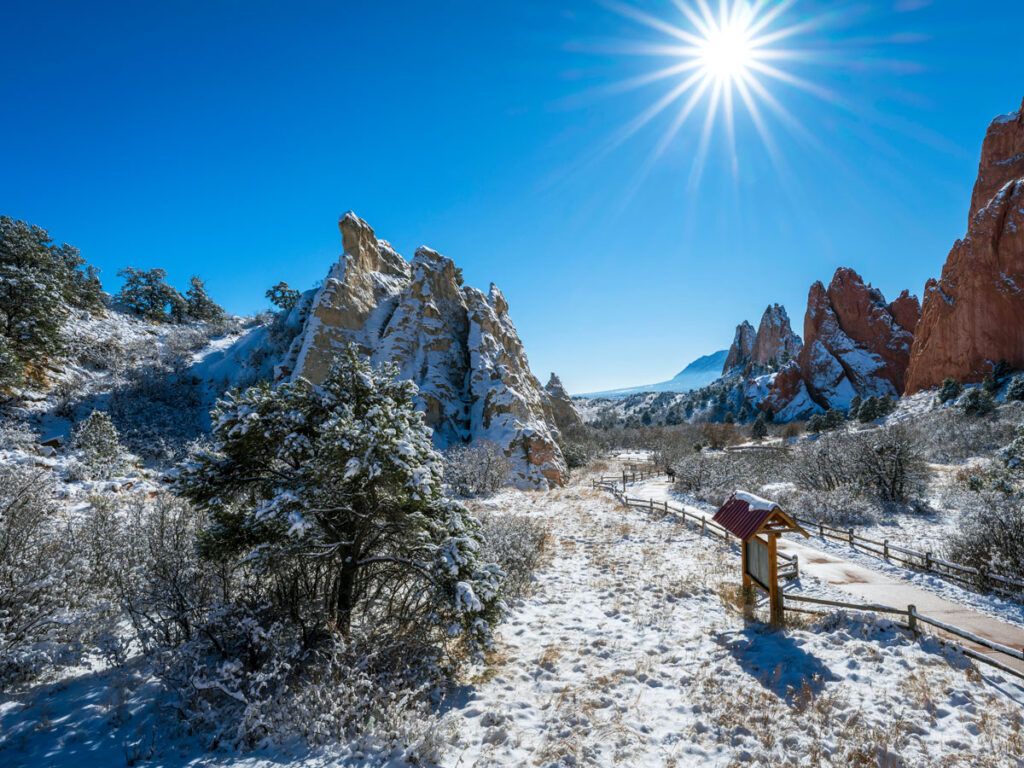
Annual PM2.5 levels: 4.6 µg/m3
Colorado Springs’ location at the foot of the Rockies allows downslope winds from the mountains to move pollutants out rather than trap them. However, while PM2.5 levels (measured in the report) are among the lowest in the country, the city can frequently experience high levels of ozone pollution, particularly in the summer months. That’s where the Colorado Department of Public Health and Environment’s Air Pollution Control Division comes in. It constantly monitors the air, regulates emissions, and issues alerts when pollution levels are deemed unhealthy. When air-quality conditions are good in Colorado Springs, you have front-row access to natural wonders like the 14,115-foot-tall Pikes Peak and North Cheyenne Cañon Park.
2. Honolulu, Hawaii
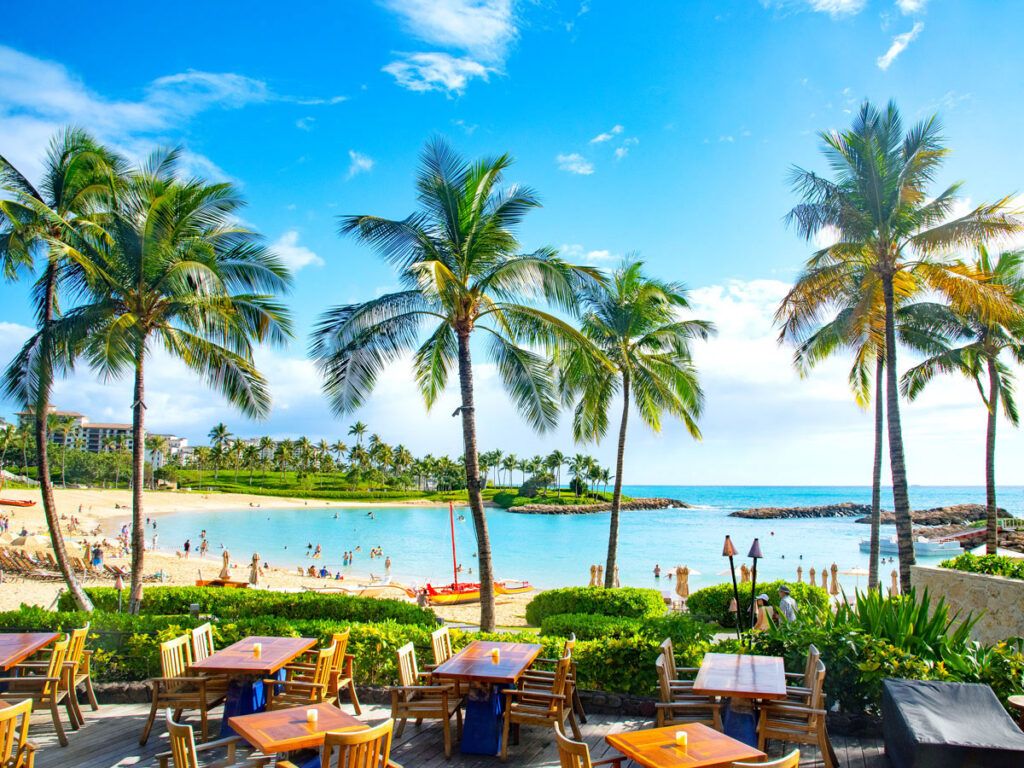
Annual PM2.5 levels: 4.1 µg/m3
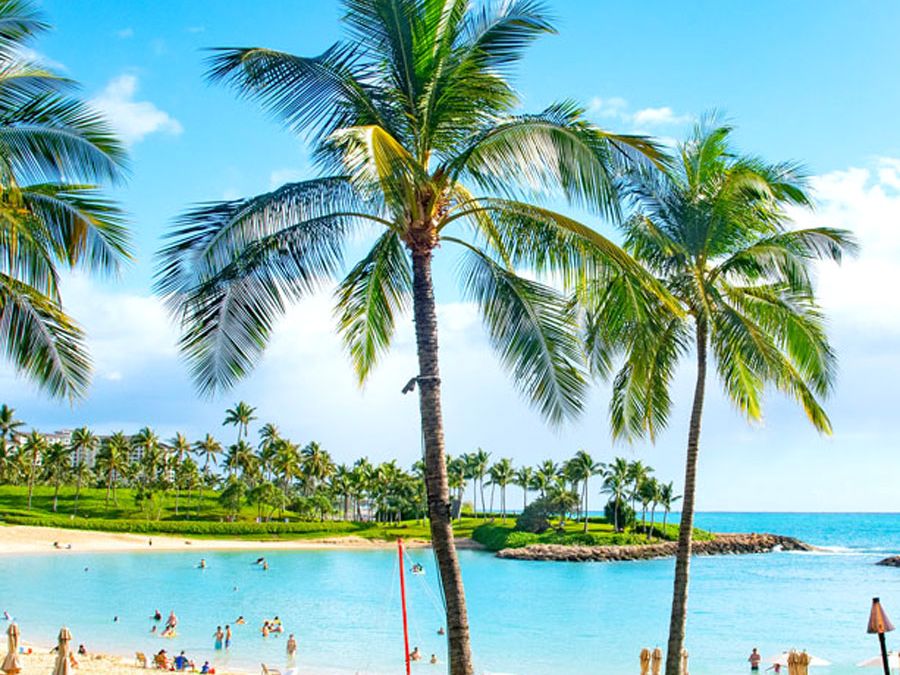
Trade winds sweeping across the Pacific are vital to maintaining air quality in Honolulu. Plus, without major industrialization, general pollution stays low, and consistent airflow keeps conditions fresh. And despite it rarely affecting the city, volcanic activity is closely monitored by the Hawaiian Volcano Observatory. Thanks to a spectacular mix of beaches, coastal neighborhoods, and green landscapes, getting outside is fundamental to life in Honolulu. For instance, in the morning, you can be riding waves at Waikiki Beach, before hiking up Diamond Head or snorkeling around Hanauma Bay in the afternoon.
1. Bellevue, Washington
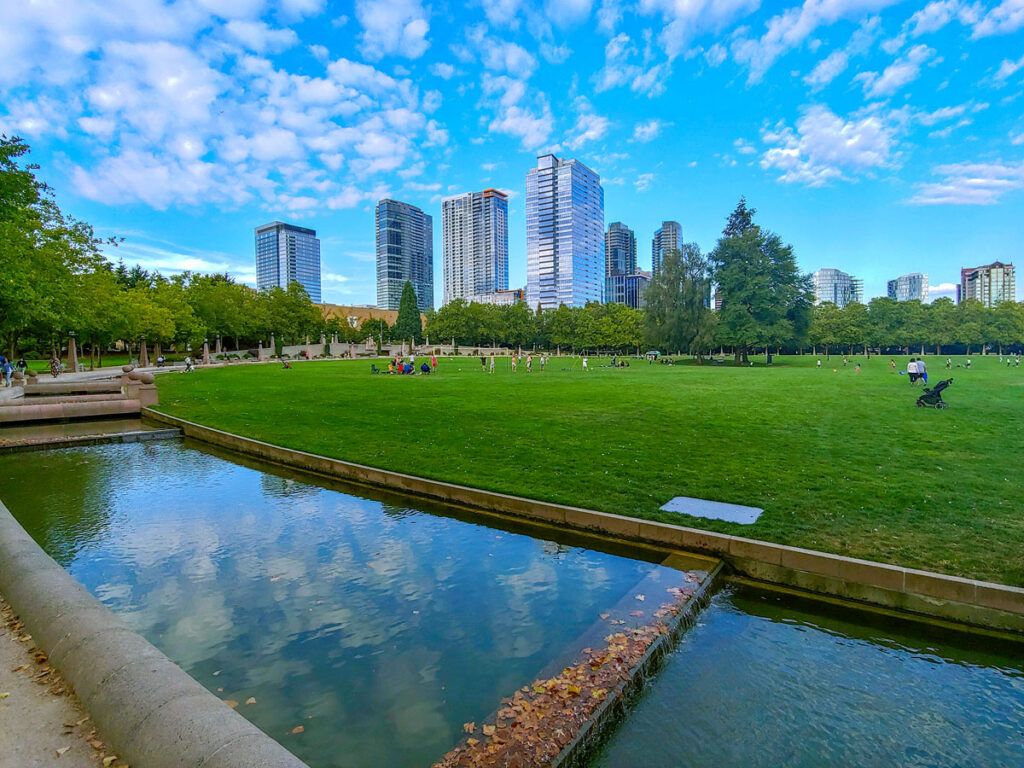
Annual PM2.5 levels: 3.8 µg/m3
Bellevue ranked as the least polluted U.S. city in 2025, according to the Smart Air report. The city sits between Lake Washington and Lake Sammamish, where airflow prevents the buildup of pollution. Regional monitoring by the Puget Sound Clean Air Agency tracks current situations closely, providing recommendations in the event of wildfire smoke. The city’s focus on the environment comes to life through community initiatives and events like EarthFest, held at Bellevue Botanical Garden. Plus, with lakefront beach parks and Tiger Mountain State Forest nearby, there are plenty of opportunities to enjoy the clean air.
More from our network
Daily Passport is part of Inbox Studio, an email-first media company. *Indicates a third-party property.