





5 States With the Longest Life Expectancies
5 States With the Longest Life Expectancies

Why do people in some states tend to live longer? The answer is most likely due to a variety of socioeconomic factors, including income levels, health care access, and health care quality. Lifestyle certainly plays a role as well, with states that eat better, smoke less, and walk more. According to CDC data, the national average is 79 years, as of 2026. Below are the five states that lead the pack when it comes to life expectancy in the U.S. — and the surprising ways travelers can benefit, too.
5. Connecticut
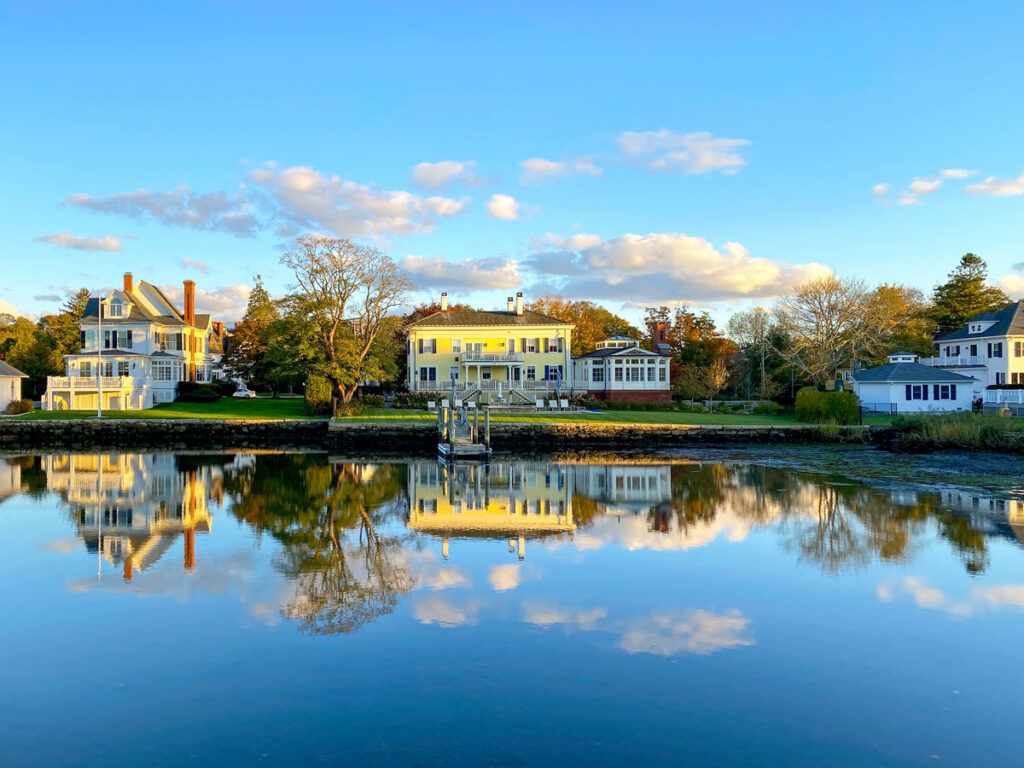
Average life expectancy: 79.4 years
Though Connecticut ranks at No. 5 for life expectancy, there’s notable inequality between different parts of the state, with wealthier regions — like Fairfield County, which earns over double the income of lower-income areas like Windham County — living four years longer on average. Due to these discrepancies, the U.S. Department of Health and Human Services is paying more attention to the effects of a built environment and how it may affect life expectancy.
In general, however, being intentional in creating a healthy environment goes a long way toward keeping people healthy and happy. Such an environment includes sidewalks, parks, green spaces, and accessible grocery stores.
4. New York

Average life expectancy: 79.5 years
An important reason New Yorkers live until age 79.5 on average is a robust health care system across the state. Notably, New York has one of the better Medicaid systems in the country, with benefits that offer more comprehensive coverage beyond doctor visits, including dental, vision, and long-term care.
New York is also beginning to shift toward a new health care blueprint, which puts more emphasis on the social determinants of health (SDOH) as opposed to just treating illness. This means addressing social factors like housing, food access, and transportation, all of which strongly contribute to health outcomes. The state is also building Social Care Networks that will connect health care providers, community organizations, and Medicaid systems in a shared program, creating more ease and access throughout New York’s health care system.
3. New Jersey

Average life expectancy: 79.6 years
The Garden State has the third-highest life expectancy in the country. New Jersey’s location between New York City and Philadelphia means that residents benefit from a wide range of access to providers, including specialists and preventative care. This is coupled with a less dense urban environment, which tends to create communities that are quiet and low-stress. Residents also smoke less tobacco compared with the rest of the country, thanks to the state’s strict smoking ban in public places, including restaurants, beaches, parks, and workplaces.
However, New Jersey’s high life expectancy does vary based on the state’s geography, with an eight-year gap between counties in northern New Jersey, such as Bergen and Hunterdon, versus those in southern New Jersey, like Salem and Cumberland, where hospitals are fewer and farther between.
2. Massachusetts

Average life expectancy: 79.8 years
On the whole, people in Massachusetts live longer, thanks to the fact that Massachusetts has a strong advantage over the rest of the country when it comes to health care. Residents benefit from an excellent health care system, health care education, and a strong local economy — all of which go a long way in lengthening life.
The Bay State is home to robust public health programs and some of the best hospitals in the country, including Massachusetts General Hospital and Brigham and Women’s Hospital. The presence of excellent research universities, including Harvard Medical School, generally improve quality of care and health literacy, while higher income stability makes health care more accessible in general.
1. Hawaii

Average life expectancy: 80 years
Hawaii is the only state in America where the average person lives to be 80 or older. While it’s not surprising that a state with a high happiness index also has a long life expectancy, other data metrics certainly contribute to longevity, including diet.
Hawaiians eat three times more fish than the rest of the country, and are fortunate to have tropical fruits readily available year-round. Anyone who visits can partake in the active local lifestyle that includes hiking, surfing, or simply spending time outside, which contributes to both physical and mental health. The state’s culture also reinforces community and familial bonds, with multigenerational living more common than in the rest of the country, which means elderly people tend to receive more support in their twilight years.
More from our network
Daily Passport is part of Inbox Studio, an email-first media company. *Indicates a third-party property.