





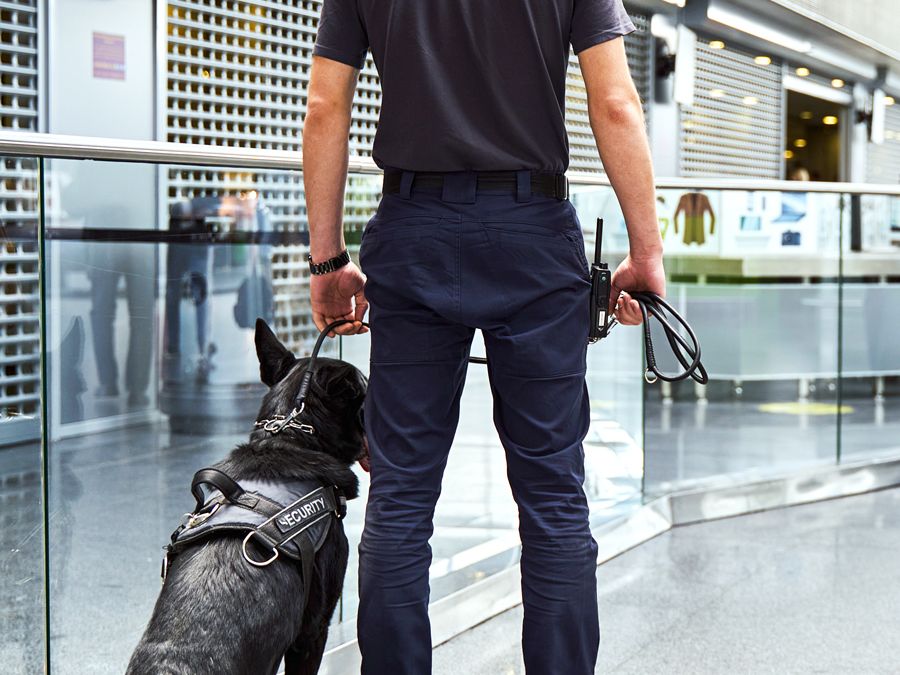
Which U.S. Airports Don’t Use the TSA?
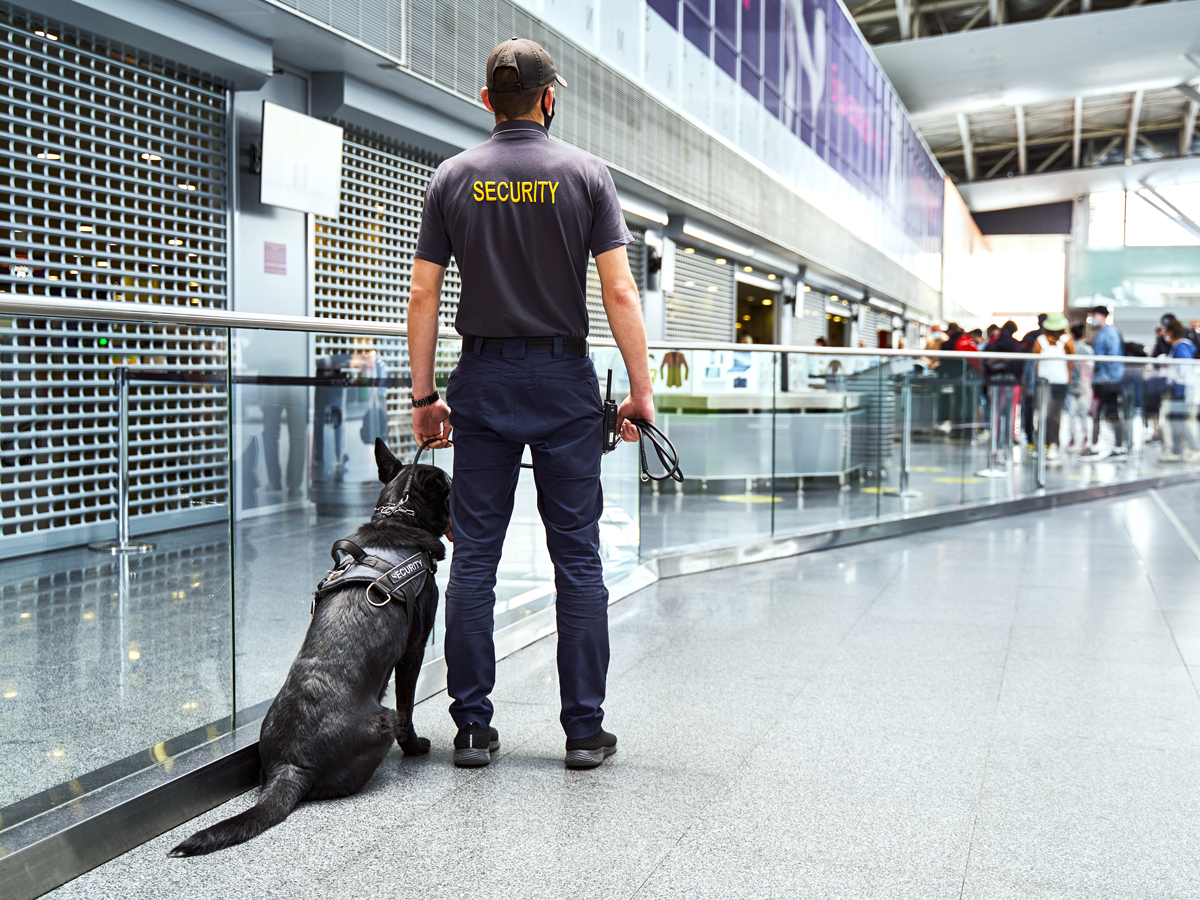

It’d be fair to assume that the blue-uniformed security agents at U.S. airport checkpoints are TSA officers, but that isn’t universally true. A handful of commercial airports across the nation use private contractors to handle security screening instead. Regardless of who’s doing the job, these workers play an essential role in keeping travelers safe. So, why do some airports opt out of traditional TSA staffing? The answer dates back to the aftermath of the 9/11 attacks and a long-running debate over whether the federal government or private contractors should manage airport security. Discover the U.S. airports where you won’t find TSA at the screening checkpoint.
Airports That Don’t Use TSA Officers
The Transportation Security Administration (TSA) screens an average of 2.5 million passengers daily at nearly 440 airports across the U.S. But there are more than a dozen airports around the nation that use private contractors instead, and most of the time, passengers don’t notice the difference because the federal government still oversees security standards.
The airports that don’t use TSA officers instead participate in the TSA’s Screening Partnership Program (SPP), which ensures that security measures are standardized at all U.S. commercial airports, regardless of who handles the actual screening process. This means that all TSA rules are still enforced by federal law; the only major difference is that private companies provide checkpoint security personnel.
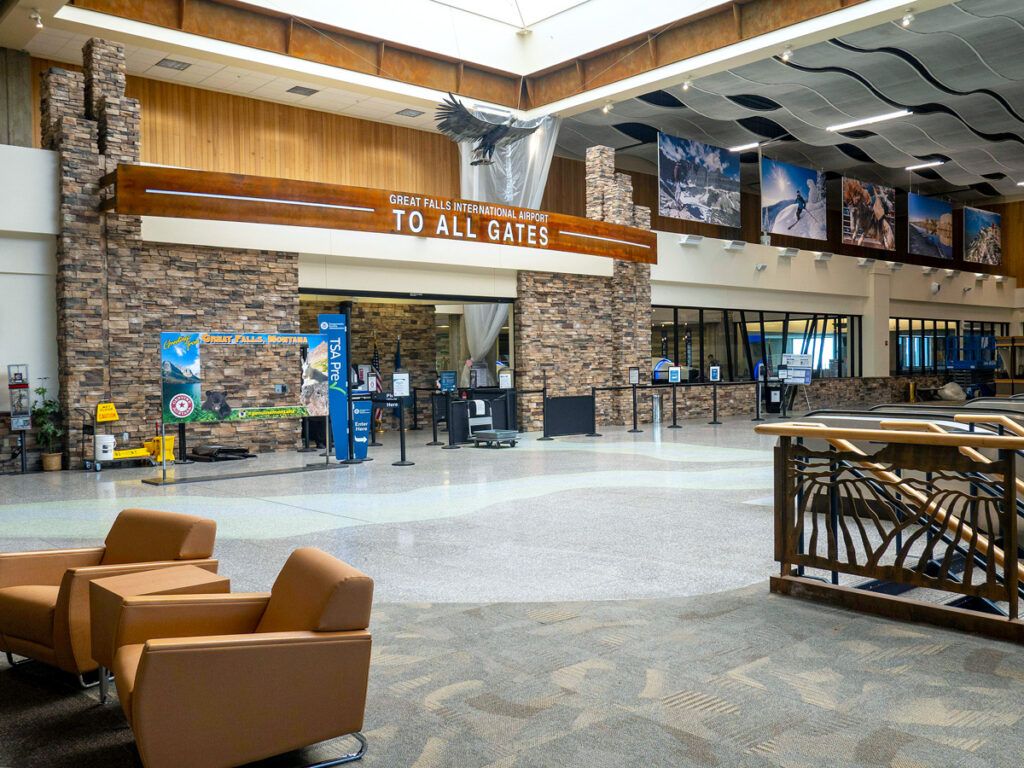
While participation has fluctuated over the years, the TSA currently lists 20 airports that use private security contractors. Eight of them are located in Montana, including three of the state’s busiest airports: Great Falls International Airport (GTF), Glacier Park International Airport (FCA), and Yellowstone Airport (WYS).
Other major airports participating in the program include Atlantic City International Airport in New Jersey (ACY), Kansas City International Airport in Missouri (MCI), Orlando Sanford International Airport in Florida (SFB), San Francisco International Airport in California (SFO), and Sarasota-Bradenton International Airport in Florida (SRQ). These airports range from small regional facilities to major international hubs.
Do SPP Rules Differ From Standard TSA Rules?
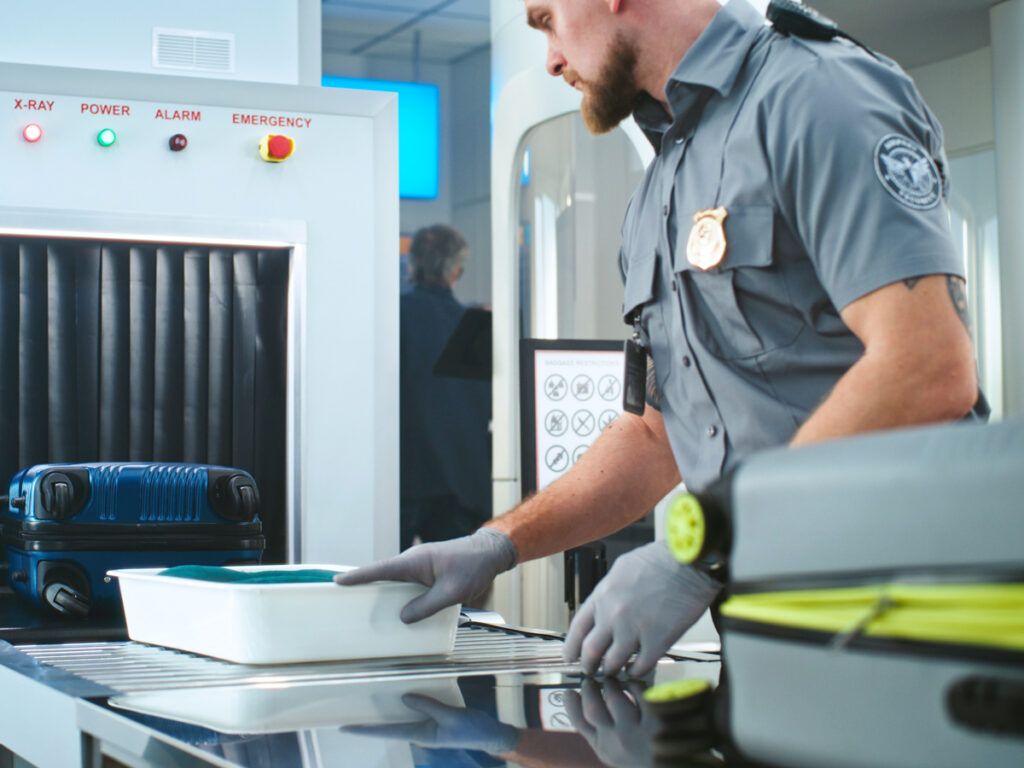
At airports operating under the SPP, security contractors work under TSA oversight rather than directly for the airport authority. Contractors must follow all TSA regulations, and the federal government provides the screening technology used at checkpoints. Vendors cannot substitute their own equipment or create their own screening rules. Currently, nearly 30 private security companies are approved by the TSA to bid on screening contracts in the U.S.
Why Does the SPP Exist?
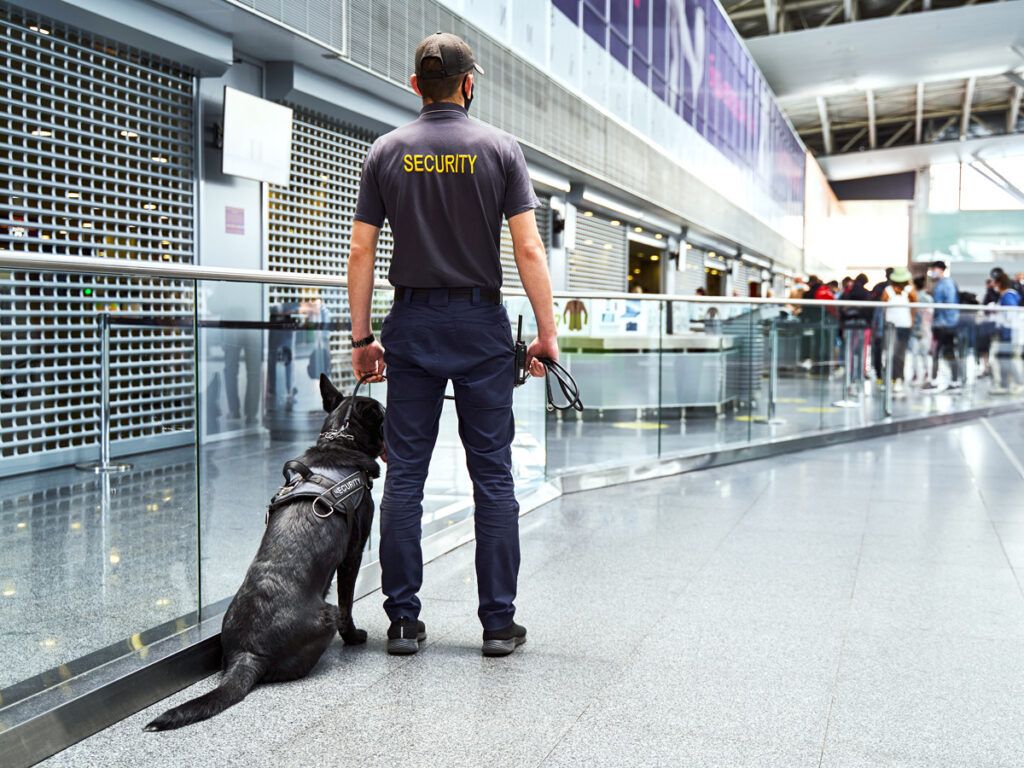
Airport security in the U.S. looked very different before the terrorist attacks on September 11, 2001. Shoes and coats stayed on as travelers walked through basic metal detectors, often without even showing a boarding pass or ID. Back then, airport security was handled by private contractors — there was no TSA — and the rules were not standardized across all airports.
Following the attacks, President George W. Bush signed the Aviation and Transportation Security Act into law in November 2001, establishing the TSA. The legislation led to several big changes: Federal officials were staffed at airport security checkpoints, 100% of checked bags were screened, cockpit doors were reinforced, and the Federal Air Marshal Service was expanded.
On April 30, 2002, Maryland’s Baltimore/Washington International Thurgood Marshall Airport (BWI) opened the first TSA security checkpoint in the U.S., where many policies and procedures were initially tested.
The law also included a compromise: a pilot program allowing some airports to continue using private screening companies under federal supervision. In 2004, that program became the SPP. Supporters of the idea argue that private companies can offer lower costs, improved customer service, and increased efficiency while still meeting federal security requirements.
What Is TSA Gold+?
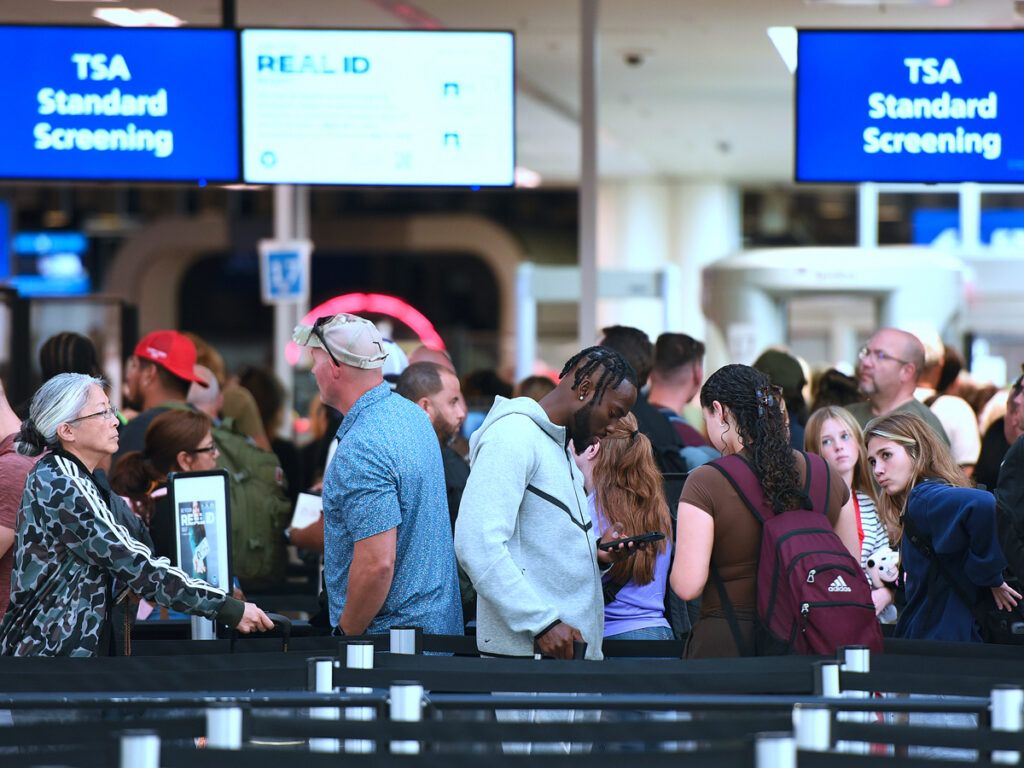
More than two decades after the TSA was created, debate continues over whether airport security should be further privatized. In recent years, some lawmakers have proposed expanding the use of private contractors or reducing the TSA’s role altogether. In 2025, the “Abolish TSA Act” sought to eliminate the agency and privatize all airport security, though the bill did not pass.
Other lawmakers and proponents cite impacts from government shutdowns as a reason to privatize airport security. During a federal government shutdown, employees of the Department of Homeland Security, which oversees the TSA, are not paid — leading to understaffing, long wait times, and the closure of security checkpoints in some terminals, as travelers experienced in early 2026. Airports with private security staff are not impacted during shutdowns, allowing security to operate normally.
However, opponents of the idea point to national security risks stemming from staffing and training inconsistencies, as well as reduced federal accountability. Critics also warn of the risks of cost-cutting under private companies, which may impact training, staffing levels, and employee benefits.
Nonetheless, in May 2026, the public-private debate evolved one step further with the announcement of TSA Gold+, which expands the Screening Partnership Program into a “new public-private partnership aimed at modernizing aviation security at select airports across the United States.” The agency says that the goal is to speed up wait times and introduce the latest technology at airports around the country.
Though the name might sound like a program for travelers, such as the existing TSA PreCheck, TSA Gold+ is instead aimed at airports, who can opt in to the program or choose not to participate. Unlike with the SPP, private contractors will now be able to oversee more of the security operations at participating airports, including managing equipment and introducing new technologies, but the TSA will continue to make sure all operations meet federal standards.
More from our network
Daily Passport is part of Inbox Studio, an email-first media company. *Indicates a third-party property.