





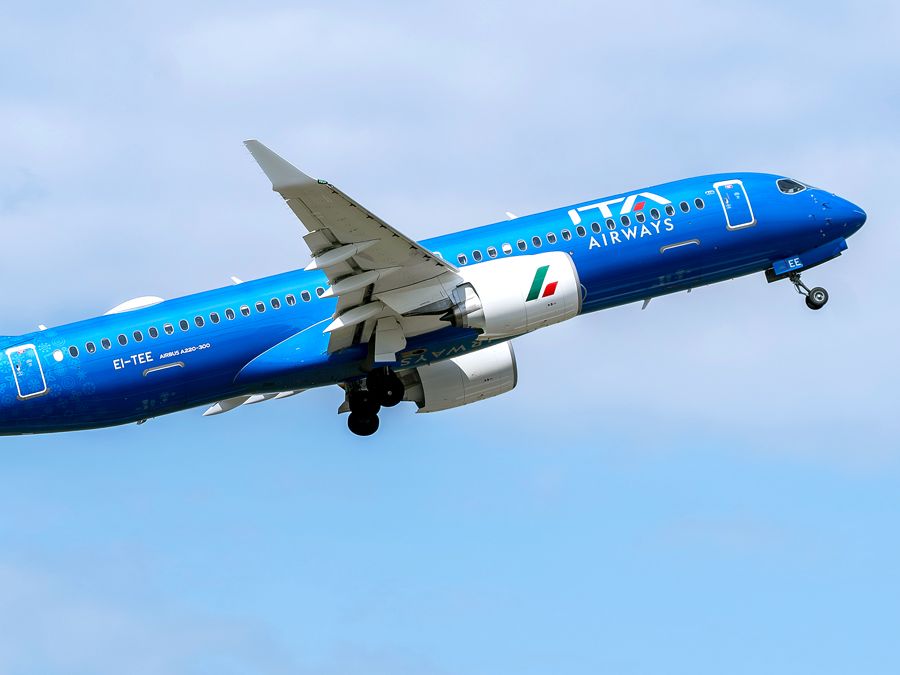
Why Some Planes Are Better for Jet Lag
Why Some Planes Are Better for Jet Lag
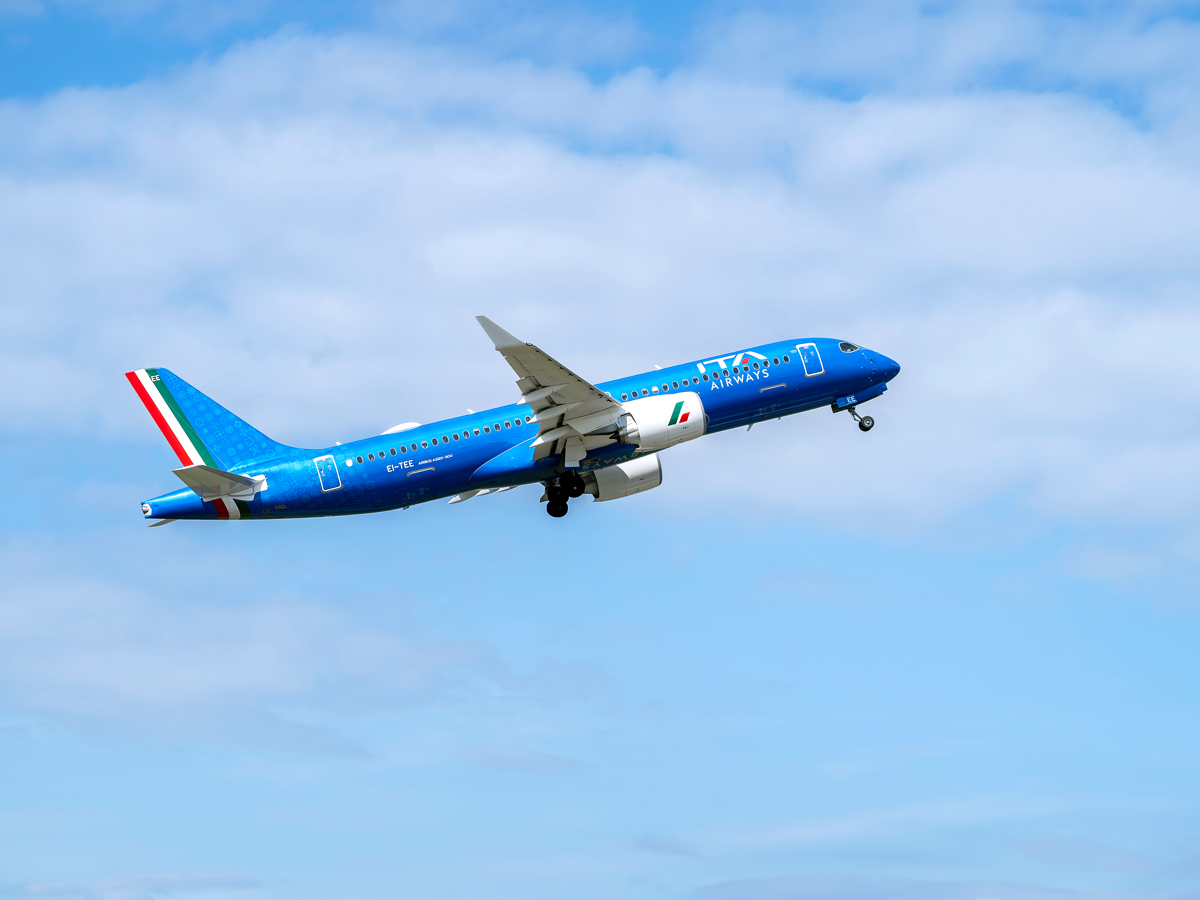

Anyone who’s flown long distances knows that jet lag isn’t fun. And while it’s primarily caused by crossing multiple time zones, the aircraft itself can play a role in how you feel when you land. Some planes leave passengers feeling groggy and dehydrated, while others boast modern cabin technology that can improve sleep and minimize fatigue, making long journeys less punishing. Here are the aircraft you should seek out for your next long-haul journey.
What Actually Makes a Plane “Better” for Jet Lag
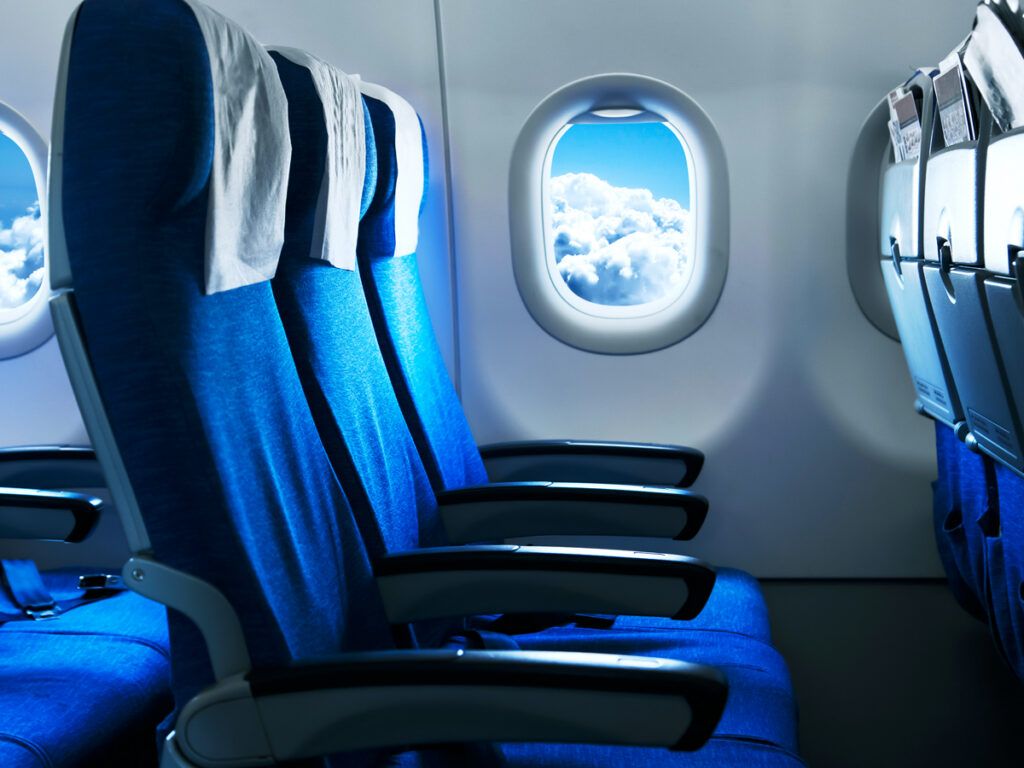
While we may notice if it’s a narrow-body or wide-body plane, or whether there are in-flight entertainment screens, beyond that, most of us barely register the type of aircraft we fly on. However, the cabin environment of each specific aircraft can have an impact on how we feel following the flight. Aircraft material, cabin pressure, humidity levels, and lighting all contribute to this.
Cabin pressure is arguably the biggest factor. At cruising altitude, aircraft cabins are artificially pressurized to mimic a specific elevation above sea level. Older planes are generally pressurized to around 8,000 feet, but newer models can maintain lower cabin altitudes of around 6,000 feet, which often results in a fresher, less sluggish sensation on arrival.
Another important variable is humidity. Dry cabin air can trigger headaches, sore eyes, and broken sleep. A major reason why newer planes leave you feeling better is their carbon-fiber construction. Unlike with traditional aluminium bodies, the use of carbon fiber allows these planes to safely maintain higher humidity levels without the issue of long-term corrosion.
Cabin lighting systems also play their part. The gradual shifting of brightness and color tones while airborne replicates daylight patterns, allowing the body to adjust to new time zones. Many airlines have installed mood-lighting systems, even on older aircraft, which can improve the passenger experience overall.
The Best Planes for Arriving Less Exhausted
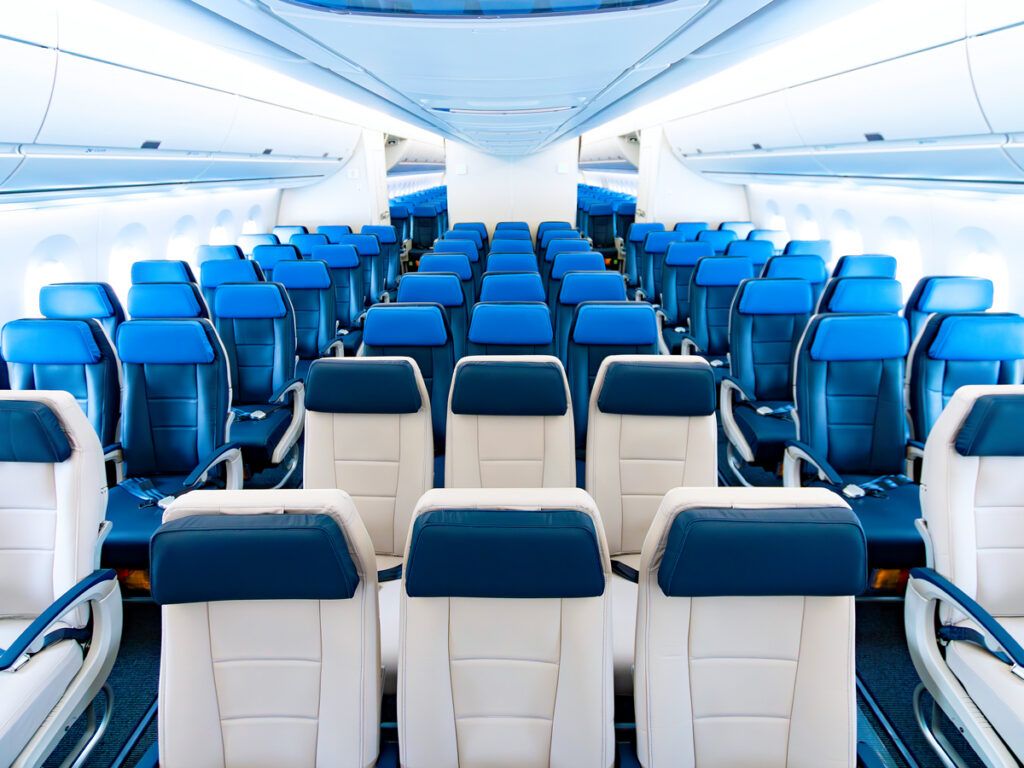
If you’re serious about long-haul comfort and fatigue reduction, two aircraft stand out: the Airbus A350 and Boeing 787 Dreamliner. Both have carbon-fiber composite fuselages, so they maintain higher cabin humidity levels and a lower altitude for pressurization. Travelers report suffering less from dehydration and fogginess, and being more functional after long and overnight flights.
Compared with previous planes, these modern wide-bodies are noticeably quieter, too. The cabin of the 787 is around 20% quieter than older jets such as the Boeing 767 or 777. This is due to design factors like more efficient high-bypass engines and the use of engine chevrons and sound-absorbing linings.
Does Aircraft Choice Really Matter That Much?
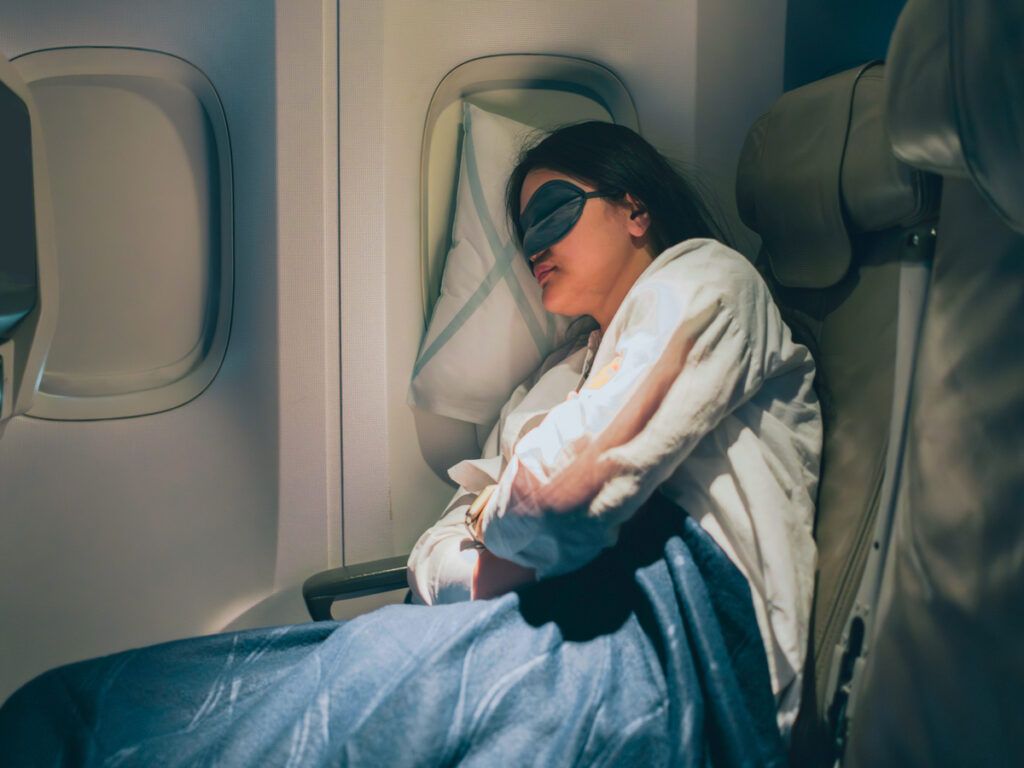
A newer aircraft can help you arrive less drained, especially on overnight flights. However, it won’t magically eliminate jet lag. Flight timing, sleep schedule, hydration, seat comfort, and how you adapt to a new time zone still matter more. Think of your aircraft choice as giving your body a better starting point, rather than a cure-all.
Instead, experts say that a few small habits can make a big difference. Drink plenty of water, avoid excessive alcohol, and start adjusting your sleep schedule before departure. Make sure you’re comfortable during the flight by packing a sleep kit, such as a neck pillow and an eye mask. You should be careful with caffeine, too, as a poorly timed coffee can make it harder to rest when your body needs it most. Some travelers also swear by jet lag apps like StopJetLag, Timeshifter, and Uplift, which offer guidance on how to prepare your body ahead of time to adjust to a new time zone.
Featured image credit: Credit: © Matteo Ceruti/stock.adobe.com
More from our network
Daily Passport is part of Inbox Studio, an email-first media company. *Indicates a third-party property.