





The Surprising Passport Mistake That Could Ruin Your Trip
The Surprising Passport Mistake That Could Ruin Your Trip
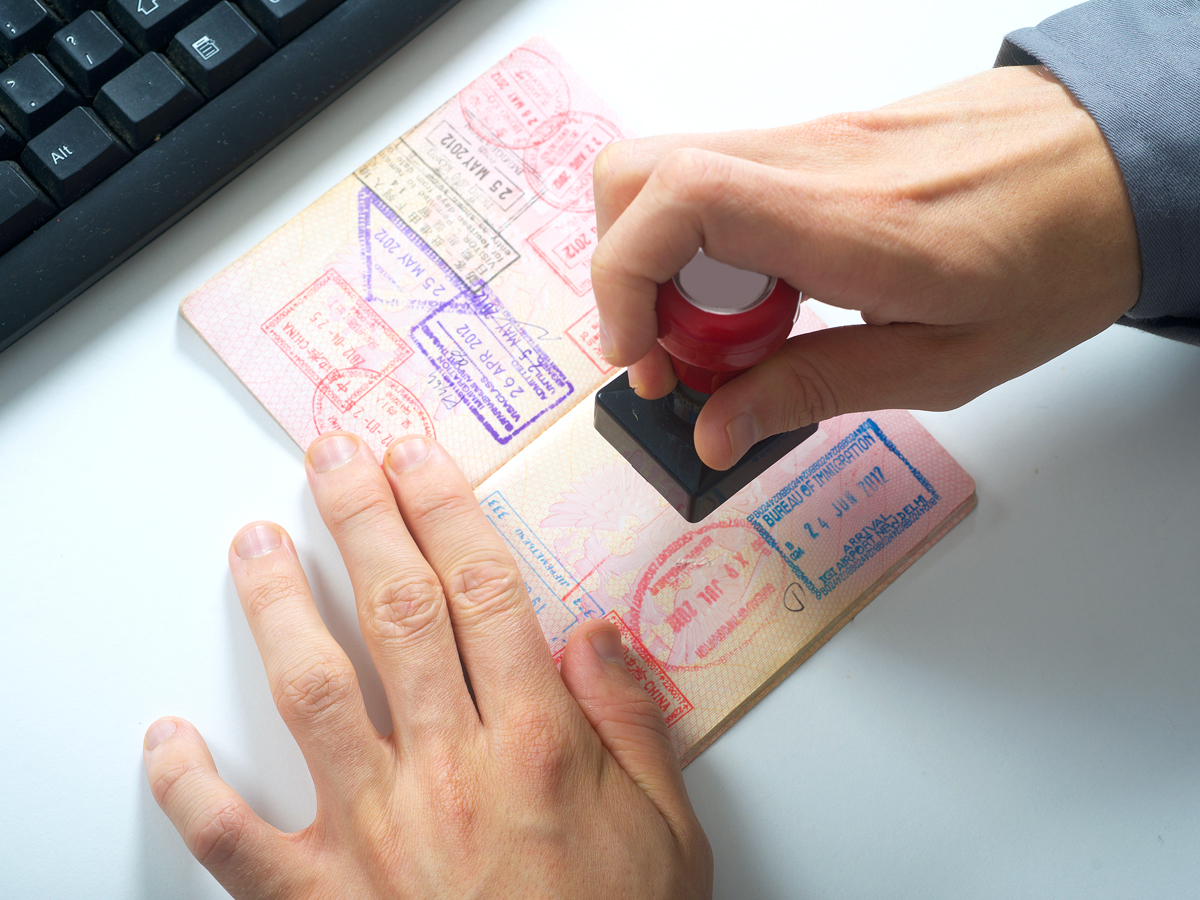

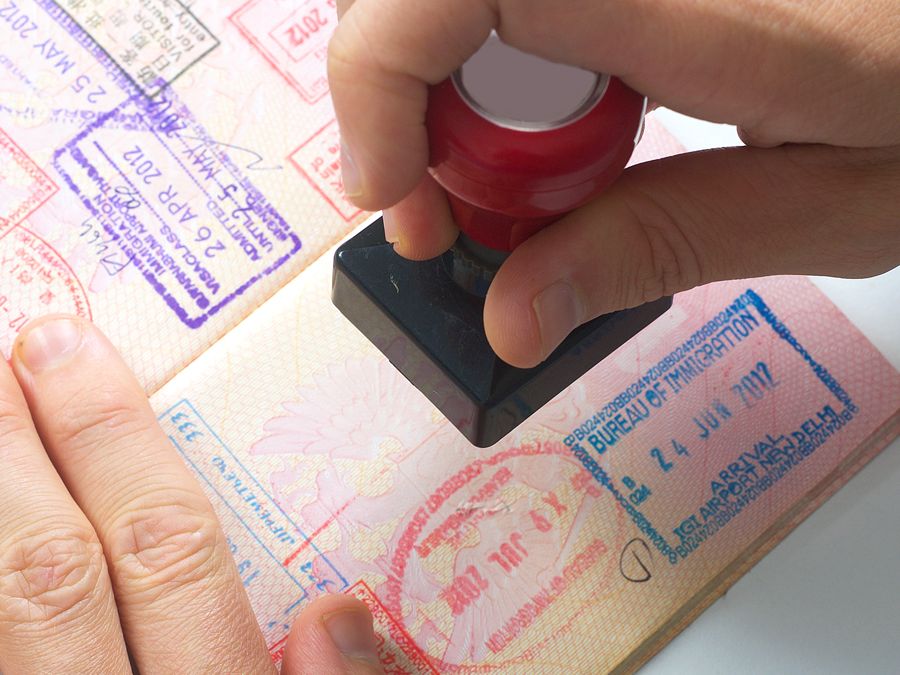
Most people remember to check their passport validity before an international trip, keeping in mind the six-month rule. But there’s another passport issue that catches travelers off guard: not having enough blank pages. It sounds minor, but having too few blank pages in your passport can end your trip before it even begins. To avoid this unwanted surprise, make sure you know the facts about passport pages before heading abroad.
Why Blank Passport Pages Matter
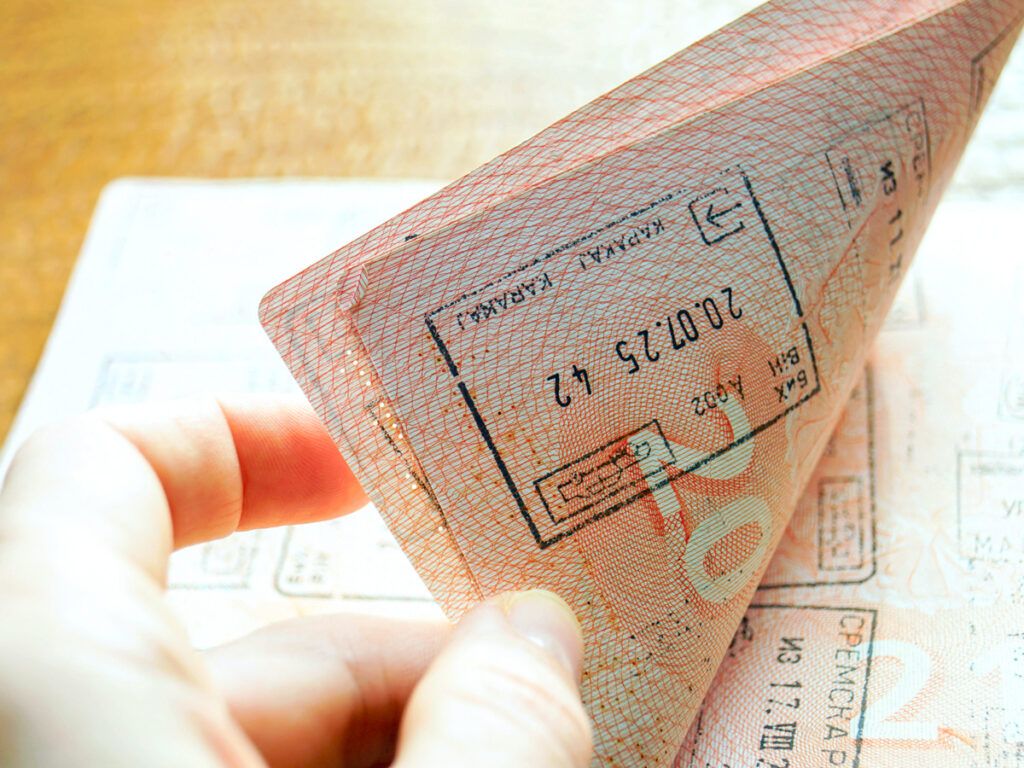
Every country handles passport stamps and visas a little differently. Some mark the corner of a page with a small stamp, while others take up almost an entire page. If you’re hopping between multiple countries on one trip, those stamps add up fast, especially as immigration officers don’t always stamp in a way that saves space.
Unfortunately, partially empty pages throughout your passport usually don’t count as available pages — many countries require completely blank pages for an entry and exit stamp. Additionally, some countries require consecutive pages, a requirement that can be even harder to fulfill as you accumulate more stamps.
If your passport fills up while you’re traveling, you may need to visit a U.S. embassy or consulate and apply for an emergency replacement passport. Depending on where you are, that can take anywhere from a day to over a week. It can also mean extra fees, changed flights, and unnecessary stress.
How Many Blank Pages Do You Need?
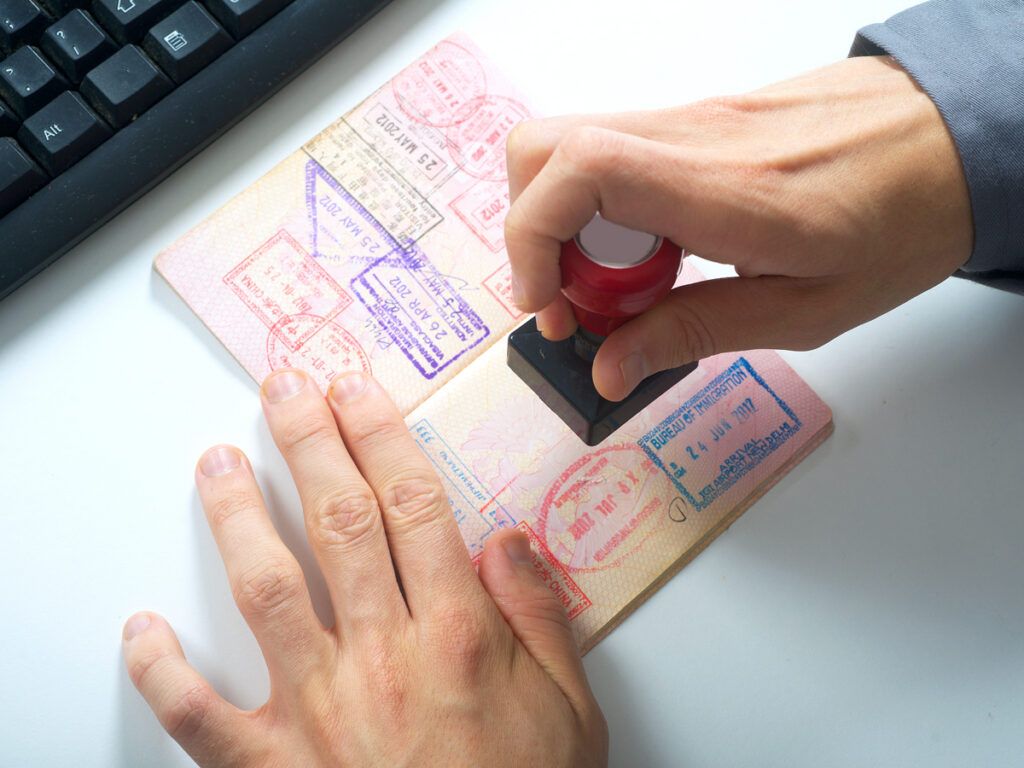
Requirements vary depending on where you’re going, but most countries stamp passports with an entry and exit stamp. Some destinations, such as the EU, are transitioning to digital entry and exit systems, eliminating the need for physical stamps, but for the time being, travelers are still required to have blank pages. You can search the U.S. State Department website to find the exact entry requirements for your destination.
Countries requiring one blank page include Mexico, the United Kingdom, France, Greece, Spain, Thailand, Japan, Singapore, and Morocco.
Many countries in the Schengen Area of Europe require two blank pages, including Germany, Italy, Portugal, Belgium, Finland, and the Netherlands. Other countries requiring two blank pages include China, Laos, Kenya, and South Africa. South Africa is one of the countries that requires two consecutive blank pages, and they’re known for being especially strict. There have been reports of travelers being denied boarding for not having two consecutive blank pages available.
Additionally, some countries issue visas on arrival, which can take up an entire page on their own. However, they still require blank pages for entry and exit stamps, so you would need up to three blank pages.
Before traveling internationally, flip through your passport and do the following:
- Count only fully blank visa pages
- Ignore endorsement pages in the back (they don’t count)
- Check the requirements for every country you’re visiting
- Double-check long layovers, since some countries have their own entry rules even for transit passengers
The Smarter Move: Get the Larger Passport Book
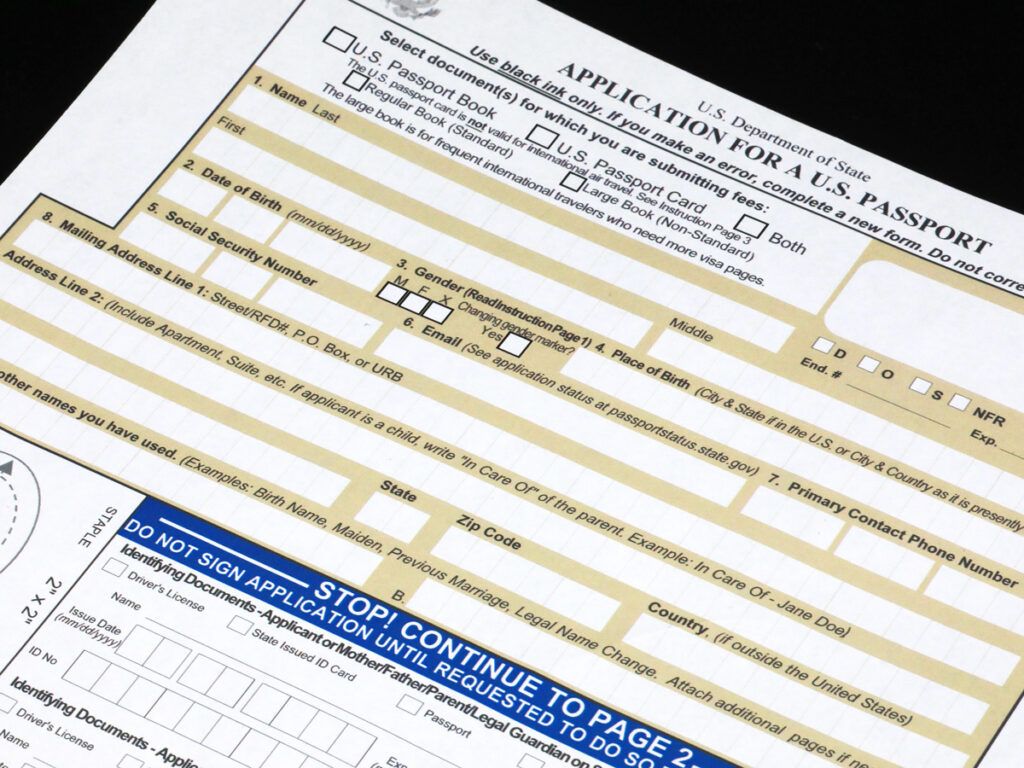
When applying for or renewing a U.S. passport, you can request the larger 52-page passport book at no extra cost. The regular passport has only 28 pages, so the larger version gives you a lot more breathing room if you travel often. You can select the large book option when filling out your application.
It’s especially worth doing if you travel internationally for work, take frequent multicountry trips, visit countries that require full-page visas, or simply tend to collect a lot of passport stamps.
Wondering if you can add extra pages to an existing U.S. passport? Unfortunately, not anymore. The U.S. Department of State stopped allowing travelers to add extra passport pages back in 2016. Once your passport fills up, you have to renew the passport book and receive a new one.
More from our network
Daily Passport is part of Inbox Studio, an email-first media company. *Indicates a third-party property.