




The Only Way To Guarantee an Empty Middle Seat
The Only Way To Guarantee an Empty Middle Seat
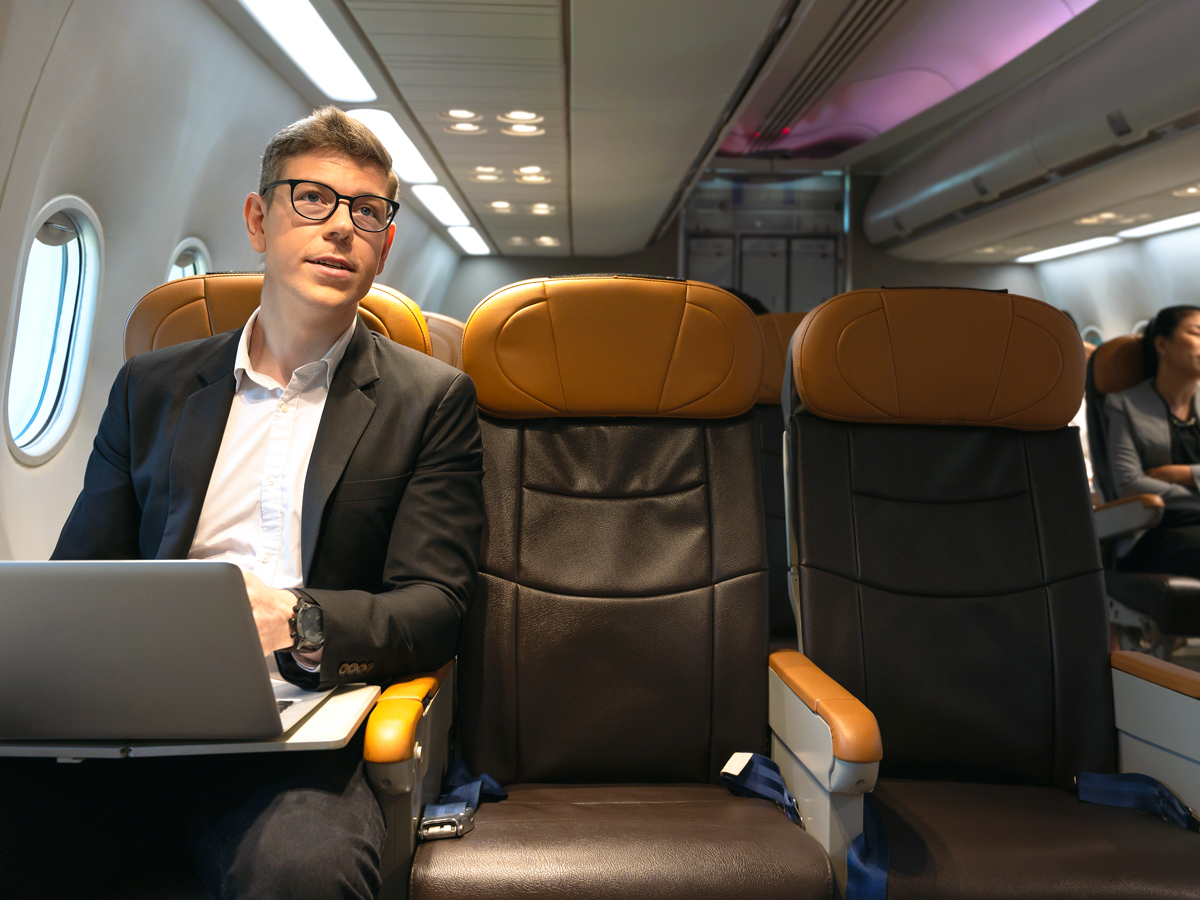

Travelers have long obsessed over ways to keep the middle seat empty, from strategically choosing their row to changing assignments at the last minute. But in today’s era of overbooked flights and sophisticated seating algorithms, there’s really only one guaranteed method: paying for the extra space. Some carriers allow travelers to purchase adjacent seats outright, while others offer “neighbor-free” upgrades and bidding options shortly before departure. Here’s how to secure an empty middle seat on your next flight.
Booking an Extra Seat on U.S. Airlines
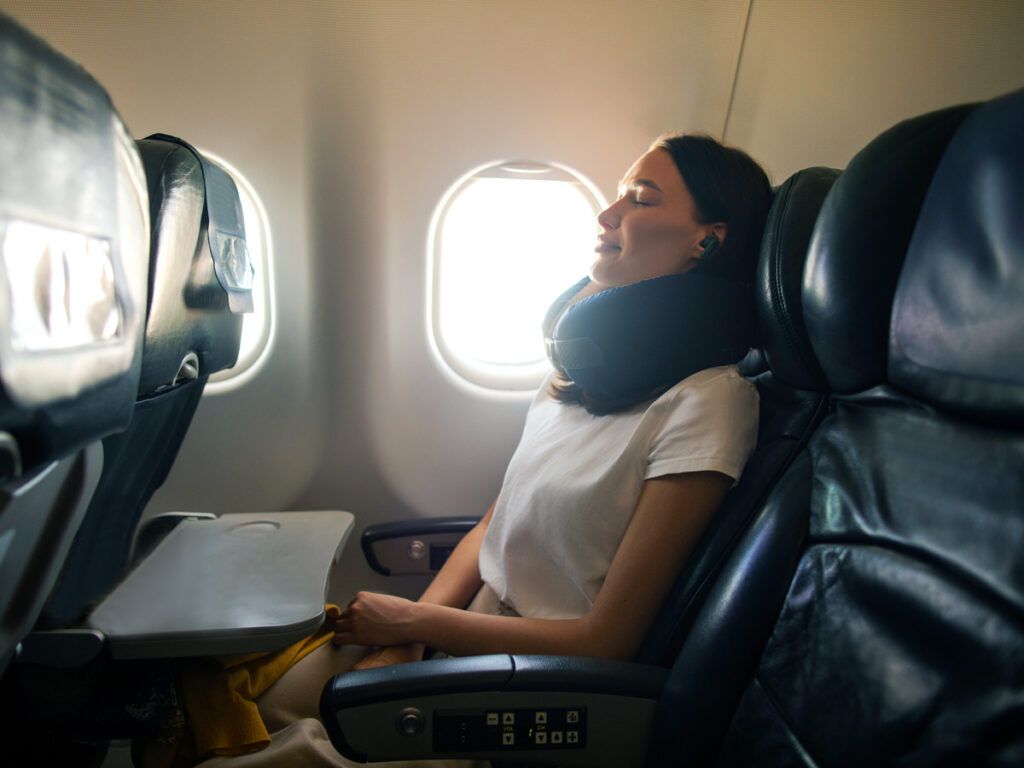
Currently, the only way to guarantee an empty middle seat on a U.S. airline is to purchase an extra seat next to yours for the full fare in advance. Most major airlines allow passengers to do so for comfort, privacy, medical needs, or while traveling with instruments or equipment. To ensure the seat remains empty, travelers must check in and obtain both boarding passes. Otherwise, gate agents might mark the seat as unoccupied and assign it to a standby passenger.
Specific policies vary by airline. United Airlines and JetBlue allow travelers to reserve an adjacent seat during online booking by identifying the second passenger as an “extra seat.” American Airlines, Delta Air Lines, Hawaiian Airlines, and Alaska Airlines also permit extra seat purchases at the time of booking, though travelers must call reservations directly to reserve one.
Popular budget carrier Frontier Airlines, meanwhile, allows economy passengers to purchase an empty seat next to them via the online chat feature. In 2024, the airline also introduced “UpFront Plus,” an upgraded seating option in the first two rows that guarantees a window or aisle seat with an empty middle seat and extra legroom.
Southwest Airlines is more restrictive. It permits extra-seat bookings only under its “customers of size” policy and does not allow travelers to purchase an adjacent seat solely for additional comfort or convenience.
International Carriers Have Different Policies
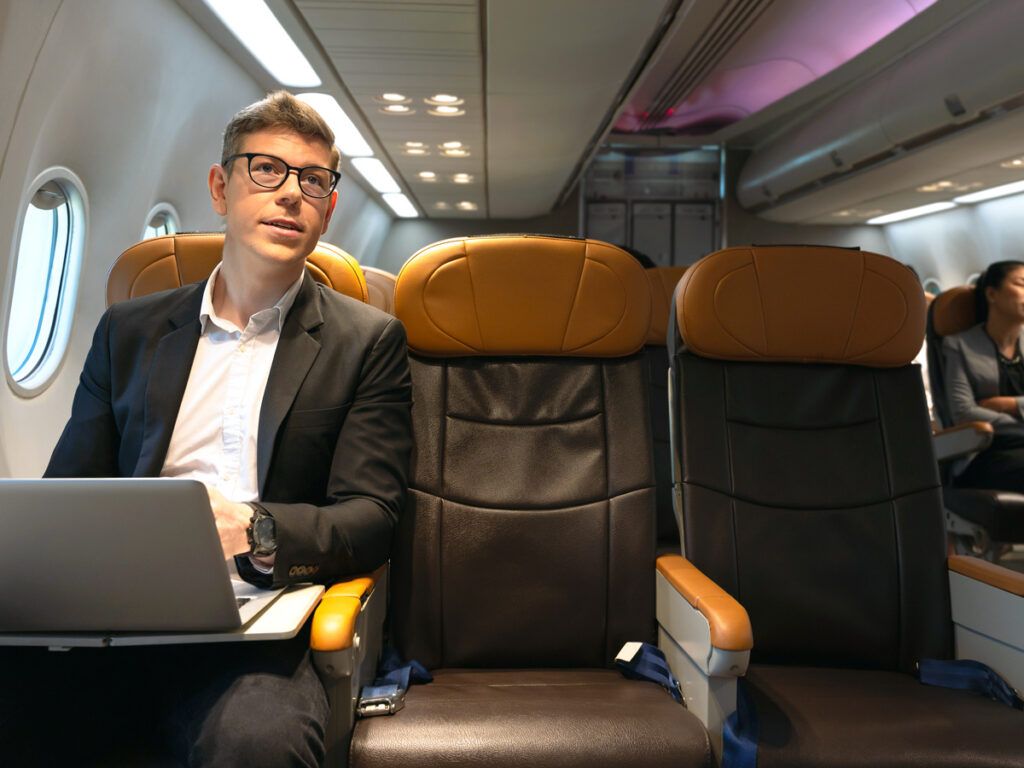
While many international carriers offer options similar to those on U.S. airlines, in which passengers can pay full price in advance for an empty adjacent seat, others allow passengers to purchase or bid on empty neighboring seats closer to departure, often at a discounted rate. This model benefits airlines by turning unsold seats into additional revenue rather than letting them go empty.
These discounted, last-minute empty seats are subject to availability and aren’t guaranteed until shortly before departure. If the airline can sell the ticket to another passenger at full fare, the seat will be taken, and the passenger who tried to purchase it as an extra seat will be refunded.
One example of this comes from Qantas, Australia’s largest airline, which offers “Neighbour Free” seating in economy class on eligible flights. Passengers may receive an email up to 48 hours before departure, inviting them to purchase the empty adjacent seat. Pricing varies based on route and demand. Some customers have reported prices as low as $50 — a steep discount compared to a full-fare ticket.
Another carrier, Philippine Airlines, allows passengers to purchase up to three adjacent seats through their “myPal Seat Select Neighbor-Free” program, with fees starting at $30 per seat. Fiji Airways has a similar policy called “”My Bubble,” in which a neighbor-free seat can be booked between 72 and four hours before departure. And with Air France, passengers can reserve up to three extra seats with the “My Extra Space” program, but only after check-in, so availability is often limited.
Those flying on Virgin Australia, meanwhile, can bid on an empty neighboring seat. Economy travelers submit the amount they’re willing to pay, and their card is charged only if the bid is accepted. Sometimes this doesn’t happen until two hours before departure, however, and there is no guarantee your bid will be accepted. Abu Dhabi-based Etihad Airways has a similar bidding system, allowing travelers to bid on up to three adjacent empty seats up to 72 hours before departure.
Other Ways To Improve Your Odds — And What To Avoid
Paying for a second seat is the only guaranteed way to secure an empty middle seat, but if this isn’t in the budget, there are still ways to improve your odds of flying without a neighbor. For example, strategically choosing less-crowded flights and avoiding peak travel times may help. Try midweek departures and early morning or late-night flights, and avoid holidays. And be strategic when selecting a seat, as seats toward the front tend to fill up before those at the back of the cabin.
Keep in mind, however, that many hacks that were popular in the past have become far less effective as airline technology is becoming increasingly sophisticated.
Waiting until the last minute to select your seat (in hopes of picking one next to an empty seat) doesn’t work as well now because the airline’s online seat map can be misleading. A half-empty seating chart doesn’t necessarily mean half the plane is unsold; it just reflects passengers who haven’t selected or been assigned seats yet. Airlines fill many of those seats with basic-economy passengers, standby passengers, airline employees, and last-minute bookings.
More from our network
Daily Passport is part of Inbox Studio, an email-first media company. *Indicates a third-party property.