




7 Dining Faux Pas To Avoid While Traveling Abroad
7 Dining Faux Pas To Avoid While Traveling Abroad

Every culture has its do’s and don’ts for eating. When you’re traveling abroad, certain actions that are considered polite or customary in the U.S. can quickly brand you as an uncouth foreigner in another country. From tipping culture to asking for tap water, here are some of the most common etiquette mistakes to avoid.
Asking for a “Doggie Bag”
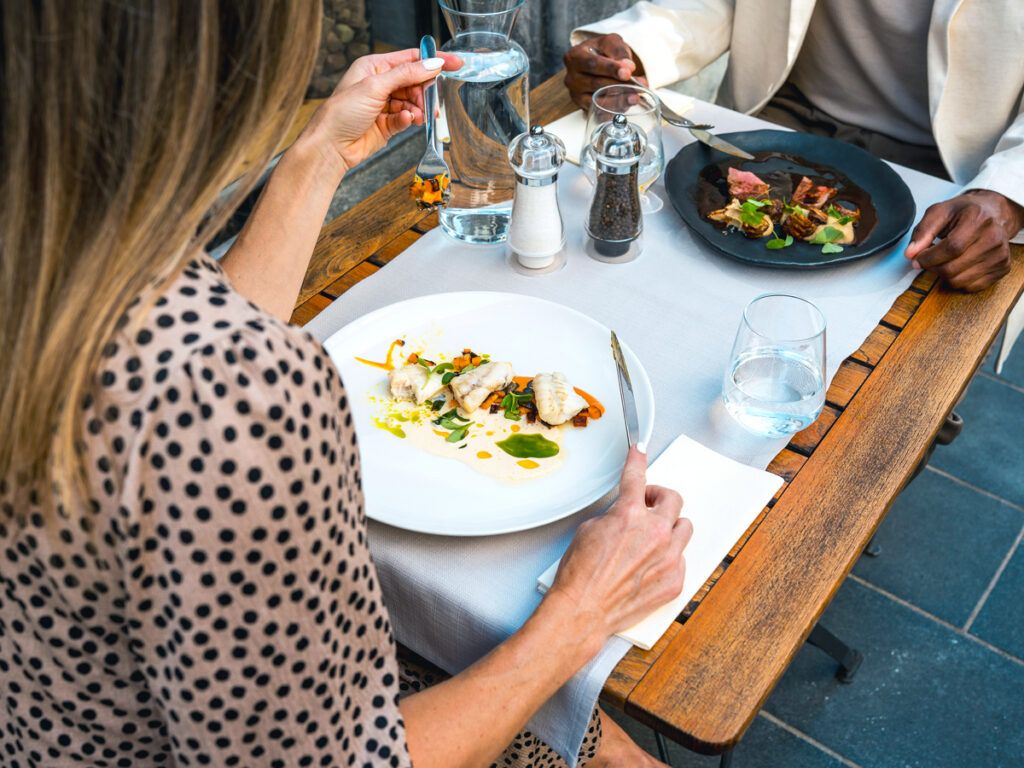
Although the practice allegedly originated in Rome, asking for takeout containers (aka “doggie bags”) was considered extremely gauche in Italy — and throughout most of Europe — 20 or so years ago. Today, a focus on food waste has made carrying home leftovers more acceptable, but ordering smaller portions is the more Italian way.
In Italy, other faux pas include combining seafood and cheese (though there are exceptions), ordering cappuccinos in the afternoon, dipping your bread in oil and vinegar (strictly for tourists), and drinking tap water instead of naturale (still) or frizzante (sparkling). In fact, according to a new court ruling, Italian restaurants are within their rights to refuse to provide tap water at all.
Using Your Left Hand
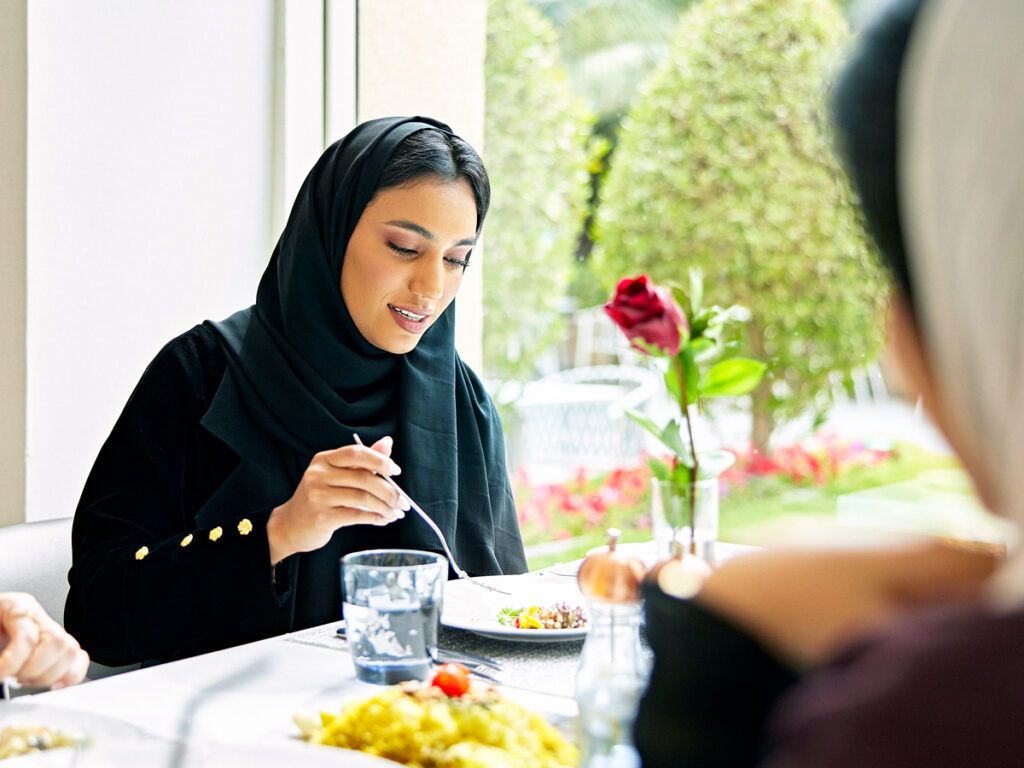
In the Muslim world, the left hand is used for activities that are considered unclean, such as washing after using the restroom. Therefore, when traveling in the Middle East and other regions with a strong Muslim influence, you should use only the right hand for eating, drinking, taking or offering things, and shaking hands. That said, if there’s a reason that prevents you from eating and drinking with the right hand, such as sickness or injury, using the left hand should not cause offense if you politely explain your situation.
Eating All Your Food — Or Not Eating Enough
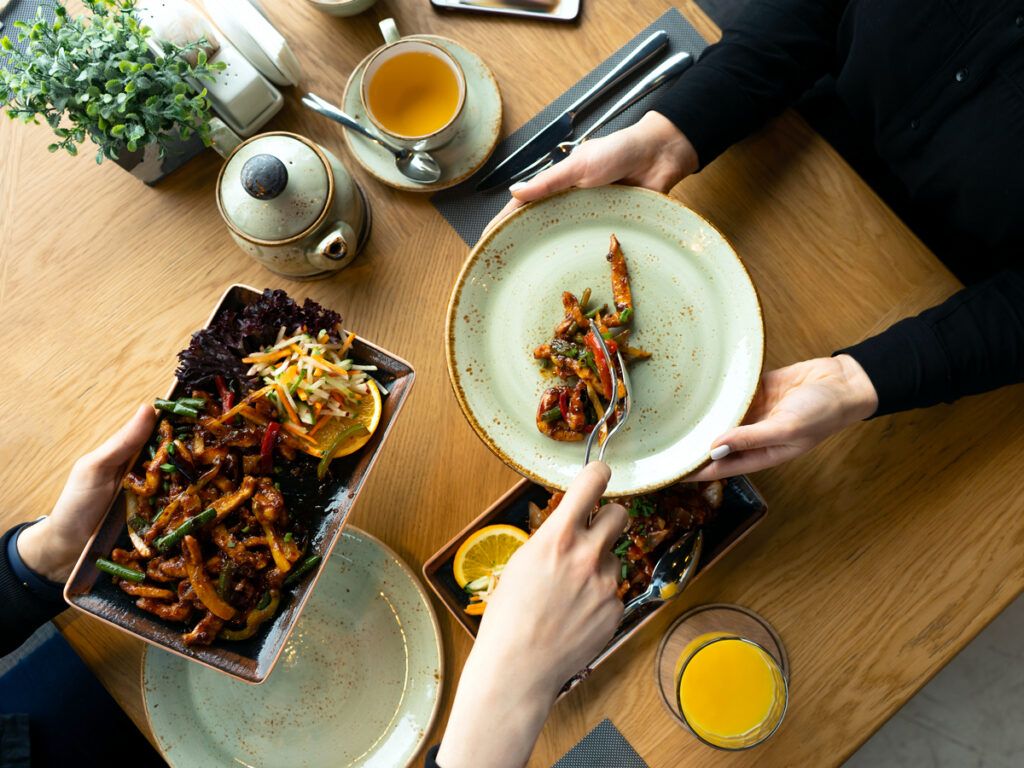
Scrupulously cleaning your plate in China signifies that the host has not served you sufficient food, and it’s likely that you will be fed until you leave at least a couple of bites. The custom is the exact opposite in India, where wasting food is considered quite impolite, and visitors should always attempt to finish a meal with a clean plate.
Tallying the Tips
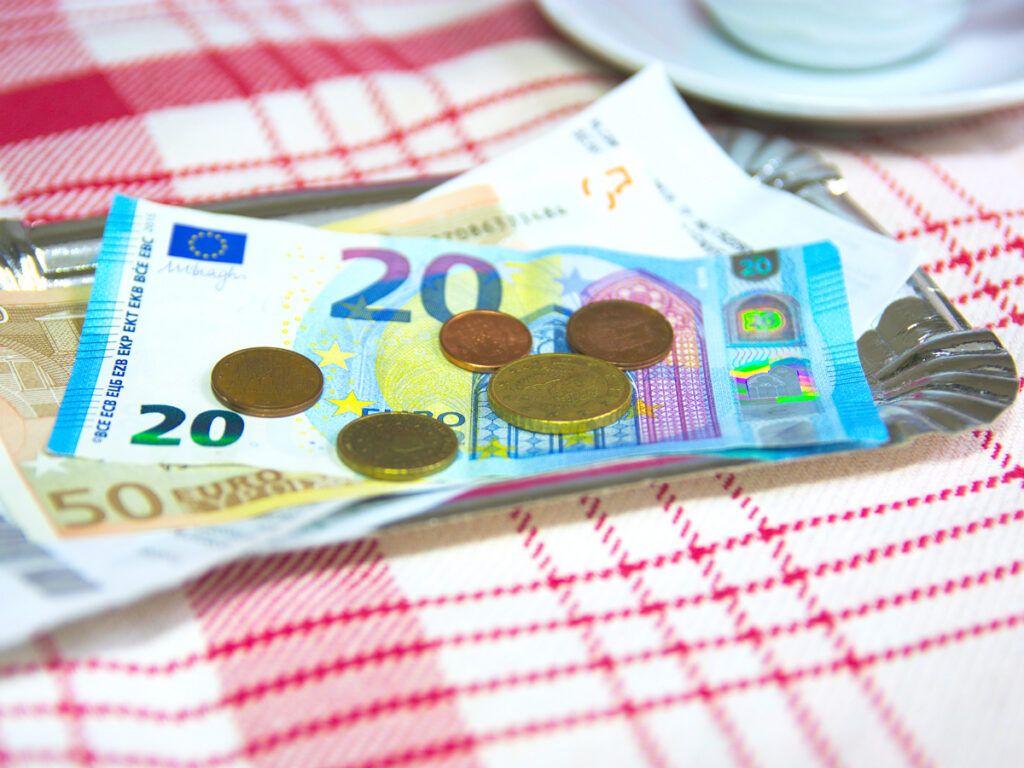
While Americans are accustomed to tipping 20% for everything from a restaurant meal to a taxi ride, that’s considered bizarre — and even rude — in many other destinations. Even if you’re feeling generous, grandiose tipping can disrupt the local economy and have an overall negative effect on the locals who live there. Read up and tip in line with local customs — in many cases, this often means just leaving any small change that’s returned with the check or rounding up to the nearest even denomination.
Eating on the Street
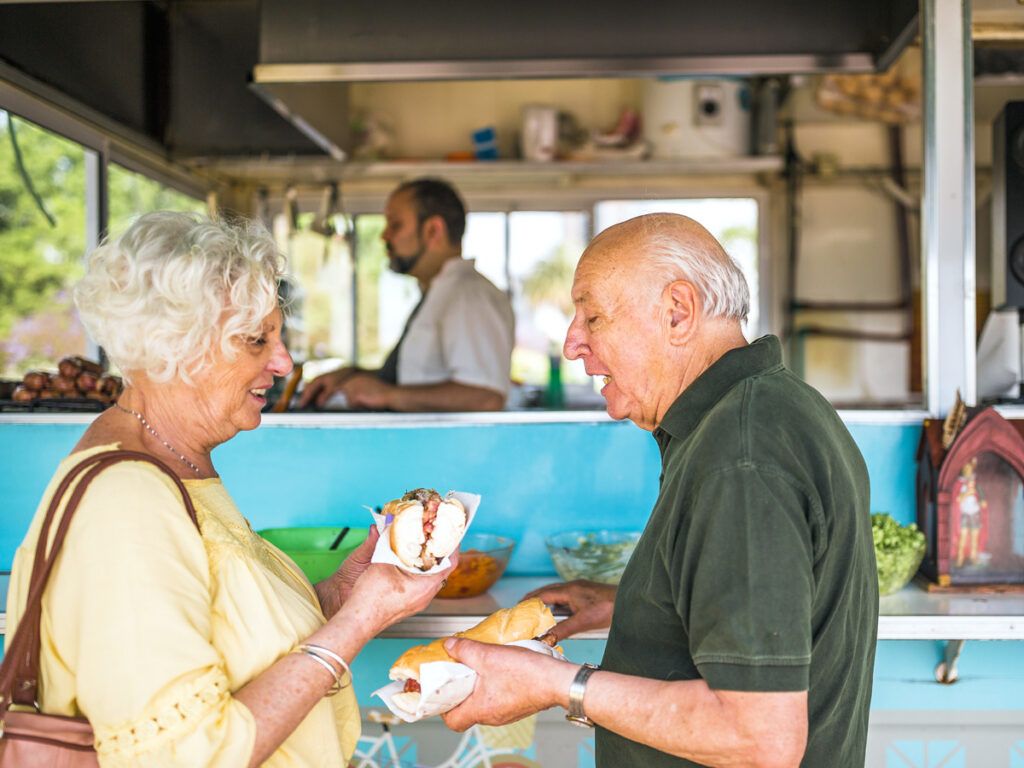
While you should definitely sample the local delicacies available from street carts, chowing down while walking is frowned upon in many places. It’s generally not banned — no one will arrest or fine you — but particularly in Japan and France, eating and drinking while walking on the street is often seen as uncouth. And although Singapore is legendary for its hawker outdoor food stalls, make sure to properly discard your food wrappers, as even a first offense for littering will earn you a hefty fine.
Using a Fork

Per traditional Thai etiquette, forks are used to guide food onto a spoon, and the spoon is then placed in the mouth. The people of Thailand are usually extremely polite to farang (foreigners) and will almost never correct someone; however, seeing a fork placed in someone’s mouth might give them the sort of “ick” Westerners feel while watching someone lick food from a butter knife.
Yucking Someone’s Yum
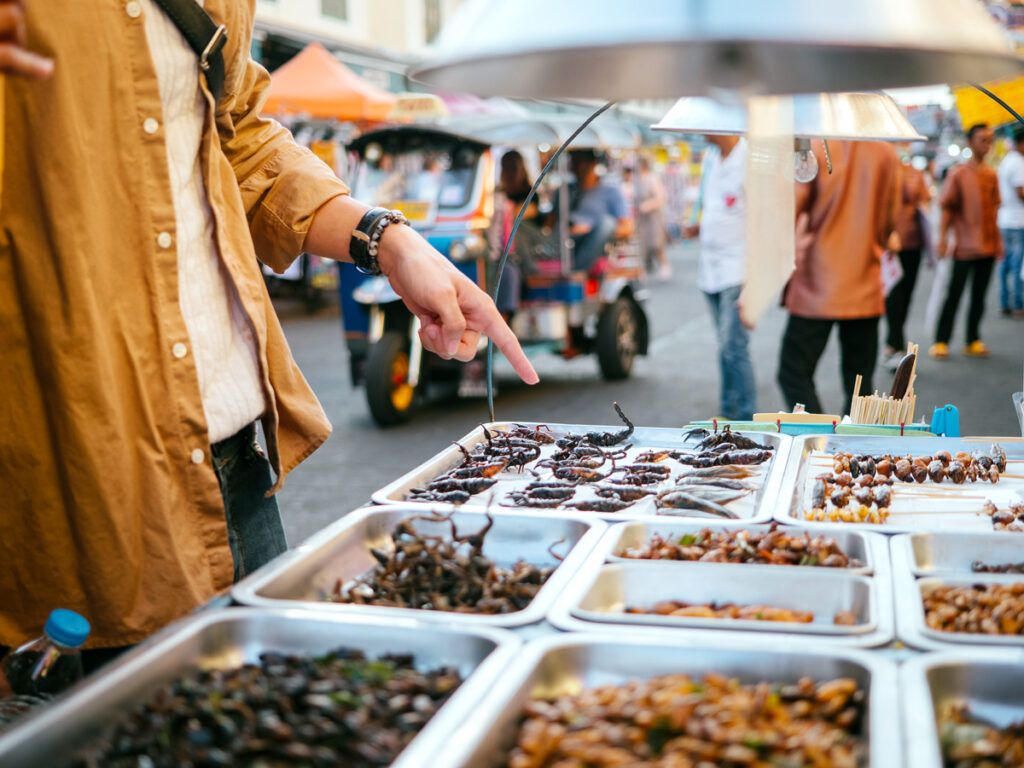
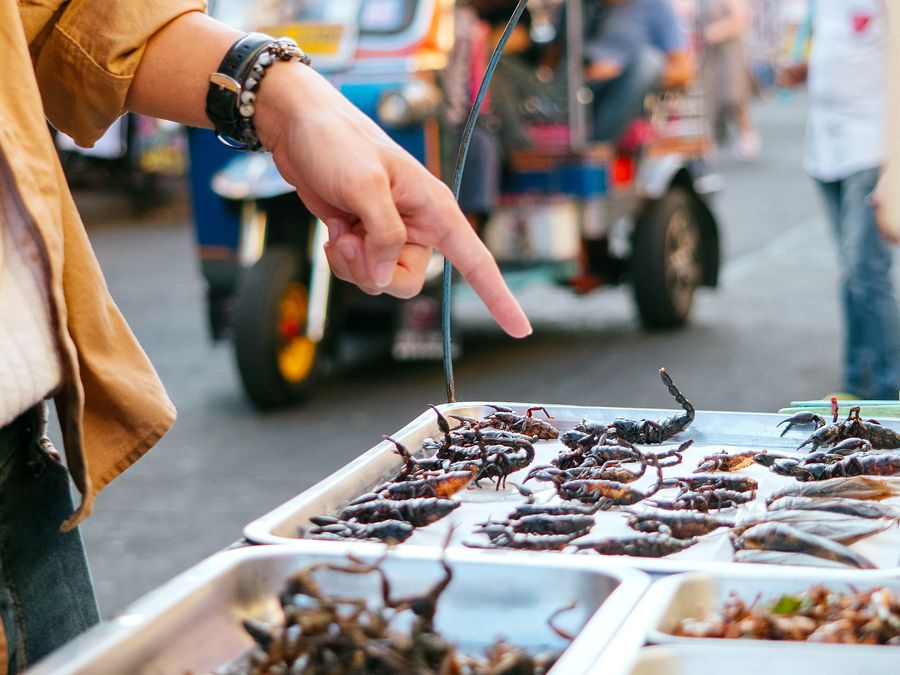
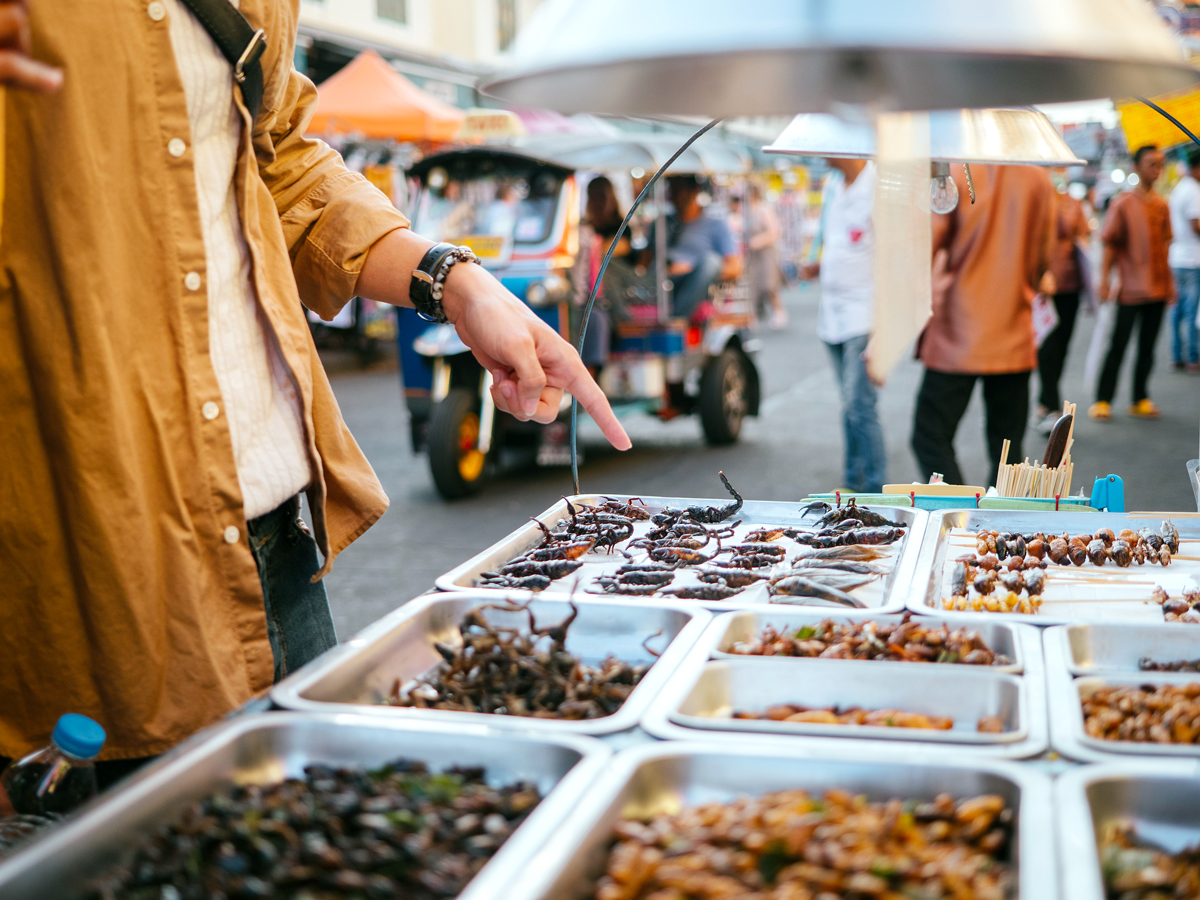
Lastly, this should go without saying, but avoid disparaging another country’s local delicacies. If you don’t want to try crispy fried grasshoppers, fresh durian, or stinky tofu, you’re missing out, but no one is going to force you. Insulting someone’s food is extremely poor manners, so always try to be polite when you encounter other cultures’ dining traditions.
More from our network
Daily Passport is part of Inbox Studio, an email-first media company. *Indicates a third-party property.