






7 Drinking Mistakes You’re Making Abroad
7 Drinking Mistakes You’re Making Abroad


Whether it’s coffee or alcohol, people enjoy various beverages all across the world. They do so in different ways, of course, and nearly every country has its own traditions. For example, ordering Guinness in Ireland comes with unwritten rules, as does sipping sake in Japan. No matter where you’re traveling, it’s best to do a little research on local drinking culture before your next trip. Here are a few interesting and unexpected drinking etiquette tips around the world.
Ordering Cappuccino in the Afternoon – Italy

As anyone who’s ever seen those viral videos of people breaking spaghetti in front of aghast Italians already knows, food is a way of life in Italy. This is equally true of coffee, which is unsurprising when you recall how many forms of it originated there: espresso, macchiato, and cappuccino, to name just a few.
If you try to order a cappuccino after 11 a.m. in Rome, however, you may get a funny look. It’s considered a morning drink due to the milk, and is usually consumed relatively quickly alongside a pastry or croissant. (Traditionally, breakfast in Italy is sweet rather than savory.)
Espressos and macchiatos, meanwhile, are meant to be savored and don’t have (much) added milk and sugar. This is rooted in practical concerns, as milk is considered difficult to digest — making it more suited to the morning, when your body has more time to process it.
Clinking Glasses – Hungary
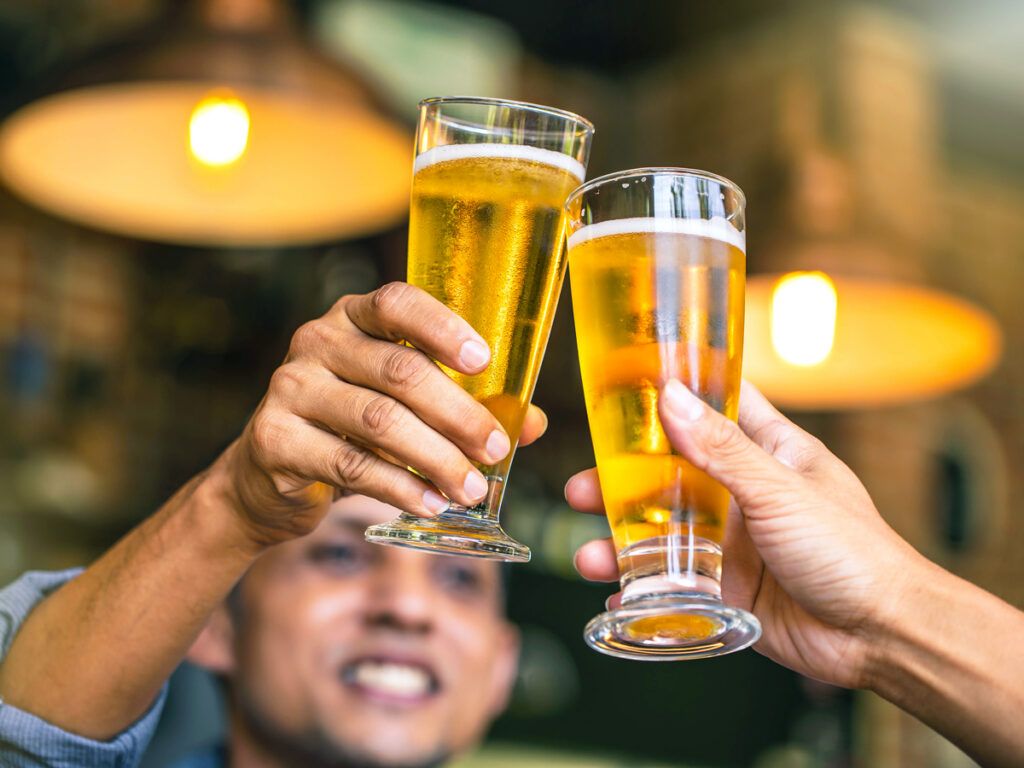
In many countries, it’s customary to touch glasses when toasting. Not so in Hungary, where this is a faux pas dating back more than a century and a half. It began in 1849, when the Austrians are said to have celebrated a military victory against Hungary by clinking beer glasses. (The story is likely apocryphal, but that’s never stopped a tradition from forming in the past.) While generally Hungarians aren’t opposed to clinking glasses for wine or cocktails, they uphold the legacy of not doing so with beer.
Pouring Your Own Drink – Japan and South Korea
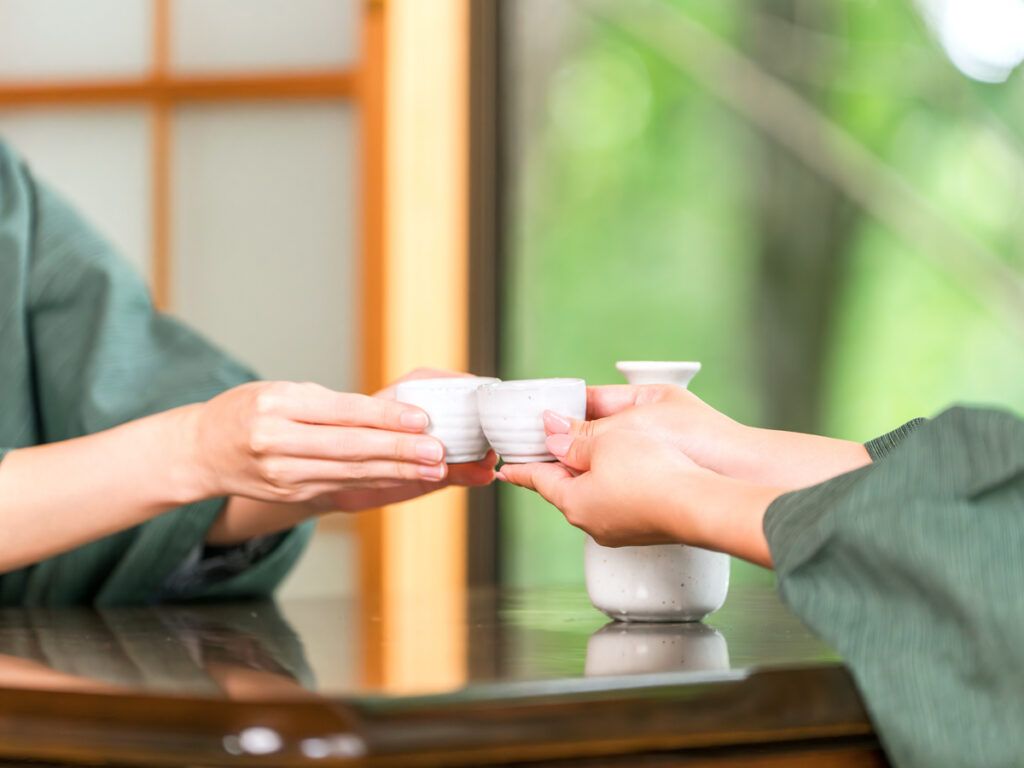
Whether it’s soju in South Korea or sake in Japan, drinking is a key social activity in both countries — and, as such, comes with unwritten rules. One of the most important is not to pour your own drink. Instead, you should wait for others to pour for you. In turn, you should pour their drinks for them. In Japan, this is known as shaku suru or kumu.
There are even more specific rules when drinking with elders in South Korea, namely holding your drink with both hands while they pour for you and turning your body away from them when taking a shot.
Not Maintaining Eye Contact – Denmark and Germany

The next time you find yourself raising a glass in Denmark or Germany, be sure not to break eye contact with your host. It’s considered poor form to do so — especially in Germany, where those who don’t observe this tradition may be cursed with seven years of bad sex.
Leaving Half-Full Glasses on the Table – Russia

Vodka is an integral part of the culture of Russia, where the average person is said to down around 17 shots per month — more vodka per capita than any other country in the world. As you might expect, there are a number of customs to go along with all that history. For starters, Russians don’t actually say, “Na zdorovye!” (nuh zdah-ROHV-yeh) when toasting. They don’t have a single equivalent to “cheers” at all; instead, they use different phrases on different occasions.
Just as importantly, proper etiquette is to down your entire shot in one go. Don’t put a glass on the table unless it’s empty, and place empty bottles on the floor rather than on the table. And as harsh as some consider the taste of vodka, in Russia, it’s almost always consumed neat rather than mixed.
Not Buying Your Friends a Round – Australia and Ireland
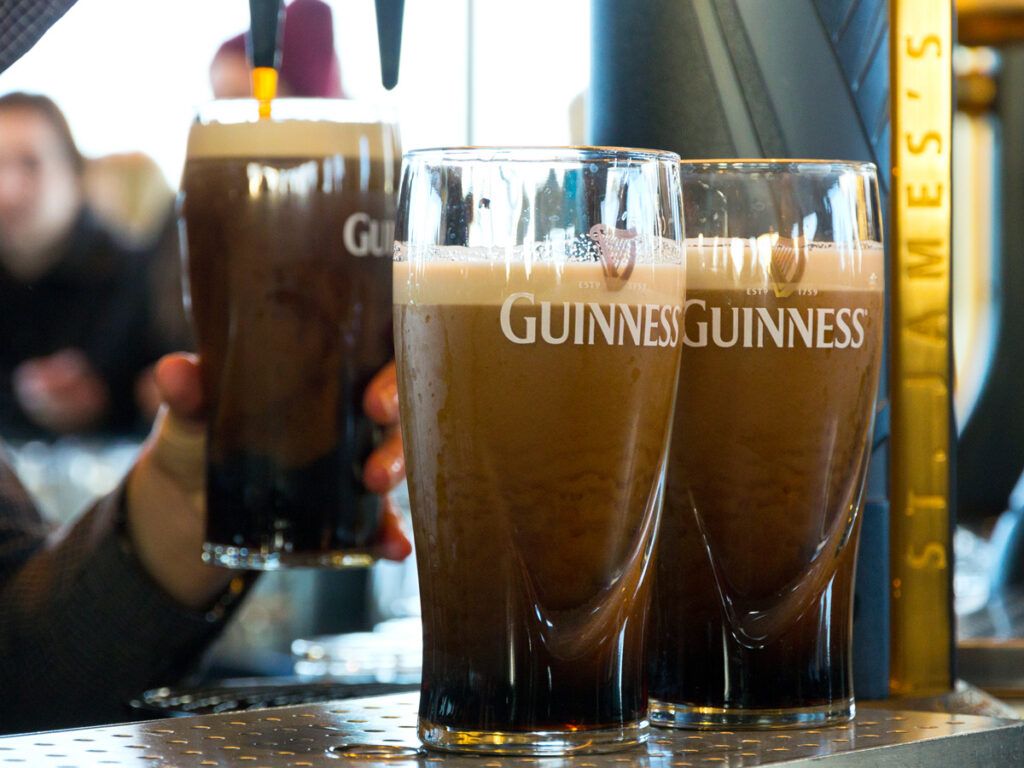
Should you be lucky enough to drink Guinness in an Irish pub anytime soon, don’t just buy one for yourself — get a round for everyone you’re with. According to tradition, the rest of your group will reciprocate your good deed. It’s simply how it’s done in Ireland, and in Australia, where buddies taking turns buying rounds is called shouting.
Not Deferring to Your Elders – China

Chinese drinking culture can be summed up by a famous proverb that translates loosely to, “With a close friend, a thousand cups of wine is far too little.” Another important term is “ganbei,” which means “empty cup” and is used for toasting.
But, as in many aspects of Chinese culture, respecting one’s elders is of the utmost importance when drinking. For starters, never raise your own glass higher than theirs when clinking glasses during a toast. And if you’re toasting several people during a special occasion, start with the oldest person first.
More from our network
Daily Passport is part of Inbox Studio, an email-first media company. *Indicates a third-party property.