





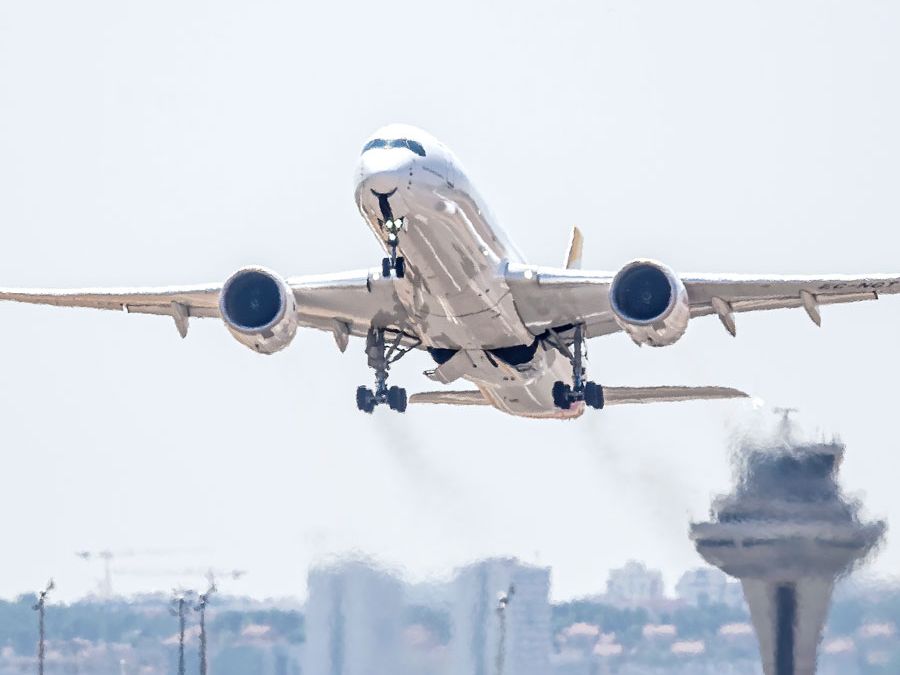
Why Some Planes Make a Barking Sound Before Takeoff
Why Some Planes Make a Barking Sound Before Takeoff
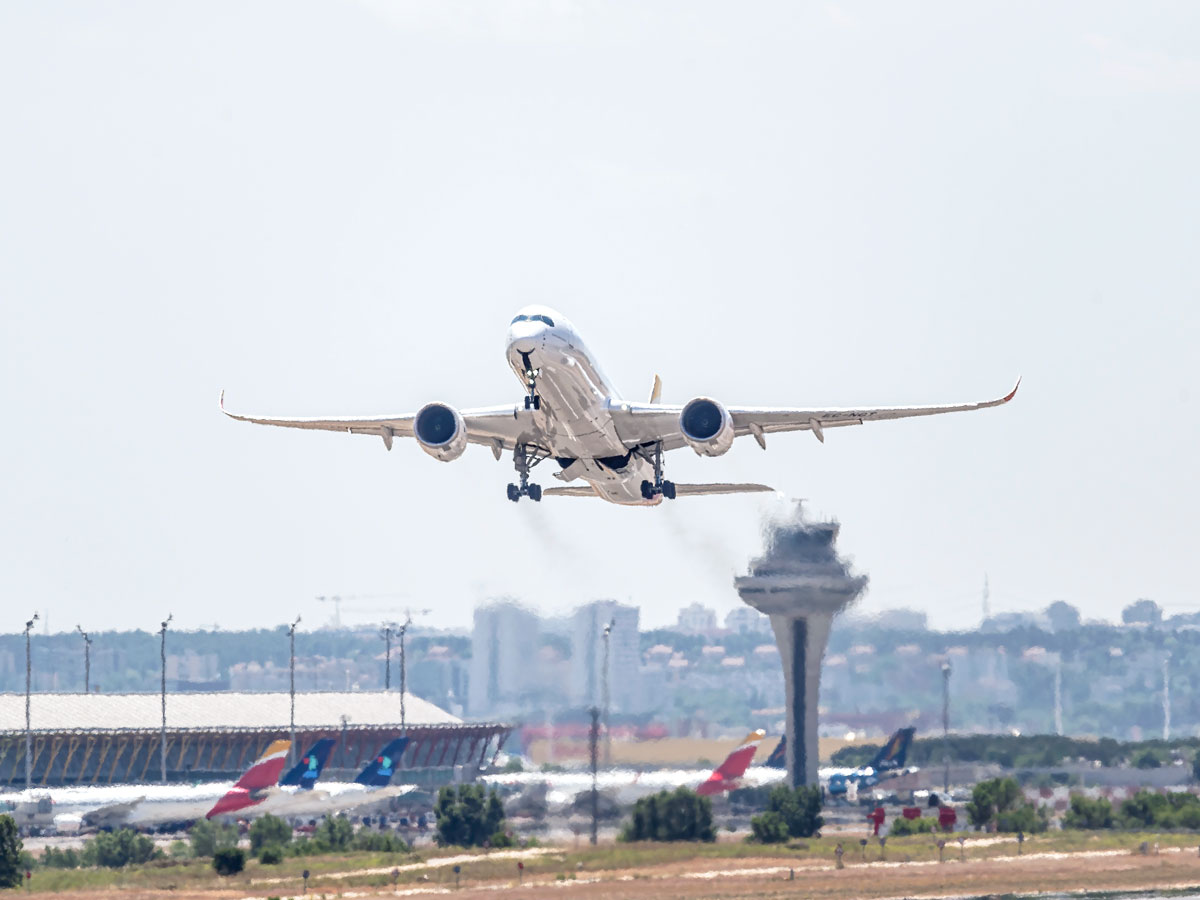

Airplanes make a lot of noises — some more unsettling than others — that most of us mere passengers don’t fully understand. The sound of the landing gear retracting shortly after takeoff? Easy to grasp, not scary at all. The ding of the overhead call button? Mostly fine, if a little annoying depending on the circumstances. But have you ever noticed a weird barking sound that some planes make? It’s unnerving the first time you hear it, and still fairly mysterious even once you’re used to it. So what exactly is it, and what causes it? Let’s find out.
More Bark Than Bite
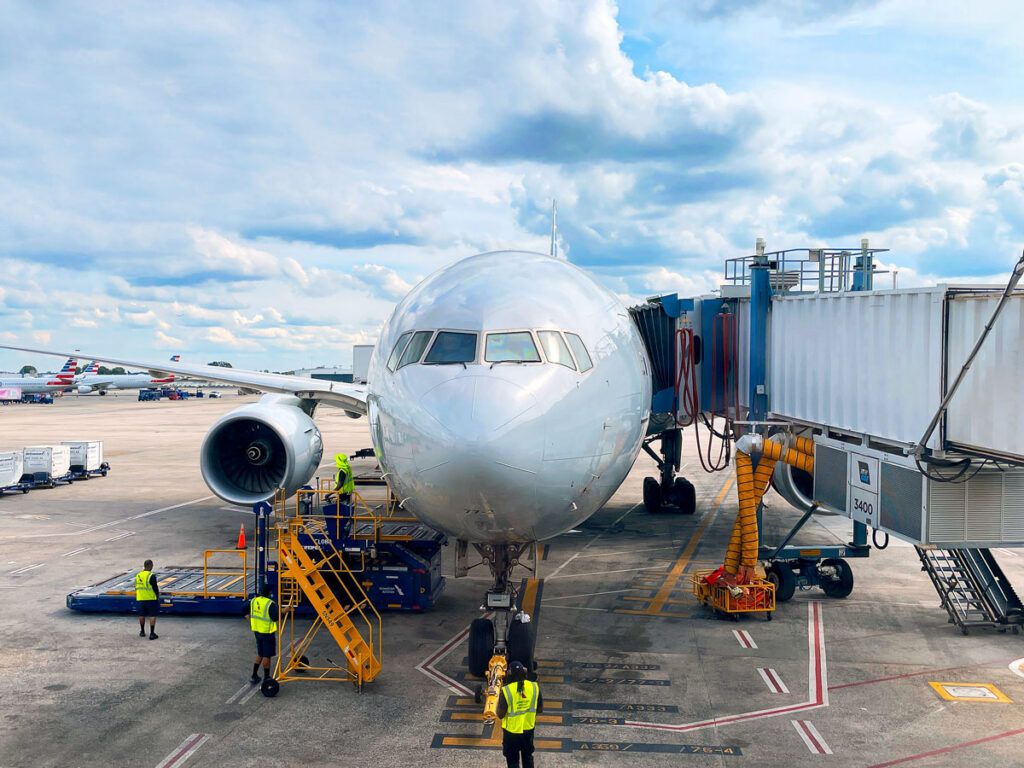
For starters, the aviation market is considered a duopoly, with European manufacturer Airbus on one side and Boeing on the other. Only one manufacturer’s planes make that distinctive sound: Airbus, which equips its aircraft with a power transfer unit (PTU) that works differently from that of its competitor.
It’s this feature that is responsible for that canine-esque cacophony, which can sound distinctly like the “woof” of a dog, a repetitive high-pitched whine, or a sawing sound emanating from the floorboards of the plane cabin. While the sound may be alarming at first, it’s perfectly normal — and a sign the plane is working exactly as designed. Because of the location of the PTU in the aircraft, passengers seated near the wings are more likely to hear the noise.
The device transfers hydraulic power between a plane’s hydraulic systems when one of them is turned off, which is why we most often hear them at the gate when an engine shuts on or off on the ground, or when a plane is taxiing. According to airline pilot and author Patrick Smith, it’s common for planes to use only one engine at this time in order to save fuel, which is when and why the PTU kicks in.
Its role is to balance the pressure differential between the plane’s hydraulic systems that results from one engine being turned off. (A plane’s hydraulic system is what powers critical operations such as the flight controls, landing gears, and wing flaps.) As the PTU does its job, it emits that characteristic sound — not unlike a dog barking out the window at a perceived threat that’s actually just the mailman.
That Dog in You
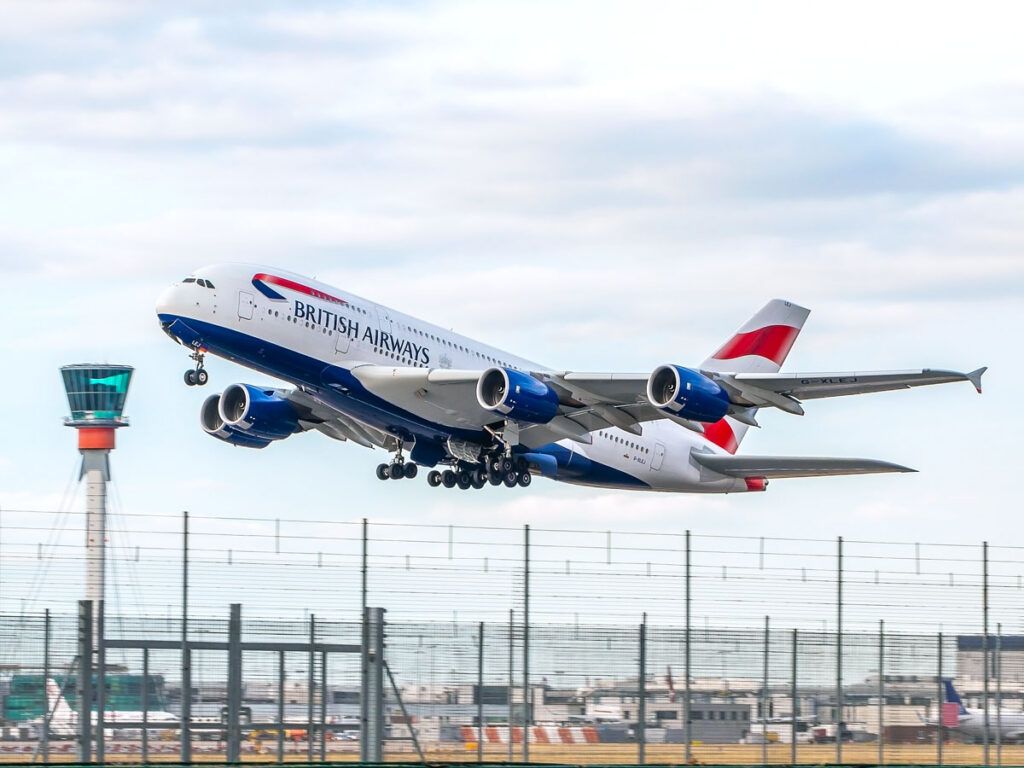
Airbus PTUs are in continuous use, whereas Boeing aircraft are designed differently, requiring them to be activated only as a backup while the plane is actually airborne (and it doesn’t make the same sound).
Additionally, only some Airbus models use them — namely twin-engine members of the A320 and A330 families. That doesn’t include the A320neo, a next-generation version of the original Airbus A320 family. During testing, the A320neo initially barked even louder than its predecessors; however, it has since been equipped with hydraulic dampers that reduce the noise.
So, the next time your plane barks, you’ll know a lot of important information: that you’re flying on an Airbus, not a Boeing, and that the noise signals a mundane mechanical operation rather than something actually being wrong with the aircraft. Sadly, for animal lovers, it won’t mean that a dog is on board with you.
Featured image credit: © MSCTpics—iStock Editorial/Getty Images
More from our network
Daily Passport is part of Inbox Studio, an email-first media company. *Indicates a third-party property.