





Which U.S. Airline Flies the Oldest Planes?
Which U.S. Airline Flies the Oldest Planes?

I’m an av geek, which means I’ll always look up the information of the plane I’m flying before any given flight. I remember boarding a Delta 767 from New York to Los Angeles a few years back and looking into when it was delivered to the airline. I was in my early 30s at the time, and to my surprise, the airplane flying me coast to coast was even older than I was. While the aircraft was obviously perfectly safe to fly, it got me thinking: How long do airlines typically fly their planes before they’re retired and sent to the great aviation boneyard in the desert? And how do the average fleet ages of the major U.S. airlines compare? Let’s find out.
How Long Do Planes Fly Before They’re Retired?
An aircraft’s absolute age matters less than two factors: flight hours and pressurization cycles. To enable planes to fly at high altitudes where oxygen levels are lower, aircraft cabins are pressurized to allow passengers and crew to breathe comfortably. However, the process of pressurization places stress on the fuselage of an aircraft, leading to metal fatigue over time. More hours spent in the sky exposed to environmental conditions at high altitudes can also lead to fatigue issues.
This is why aircraft manufacturers set a limit on the number of pressurization cycles (essentially, the number of takeoffs and landings) and the total number of flight hours an aircraft can endure. For example, a Boeing 747 maxes out at approximately 35,000 pressurization cycles or 135,000 to 165,000 flight hours, whichever comes first.
A long-range wide-body airliner like the 747 may have more flight hours, but it will have fewer pressurization cycles than smaller planes like the Airbus A320 or Boeing 737. Because the latter types fly multiple short hops a day, they rack up more pressurization cycles and often age out sooner.
Typically, passenger planes are retired after flying for around 25 to 30 years. Even if they don’t reach their cycle limits, airlines may choose to retire them sooner than they reach their limits because older planes are less fuel-efficient (particularly as fuel costs rise). Older planes also require more maintenance over time, and spare parts can be hard to source.
“It really doesn’t matter how old the aircraft is,” Bill Thompson, director of aviation firm EirTrade, told CNN. It “really comes down to the economics and whether it justifies doing it.”
In rare cases, planes stick around for much longer than the average if they aren’t flown as much throughout their lifetimes. Take the example of Canadian charter airline Nolinor Aviation, which currently operates a Boeing 737-200 that entered service in 1974 — over 50 years ago.
Average Fleet Ages of U.S. Airlines
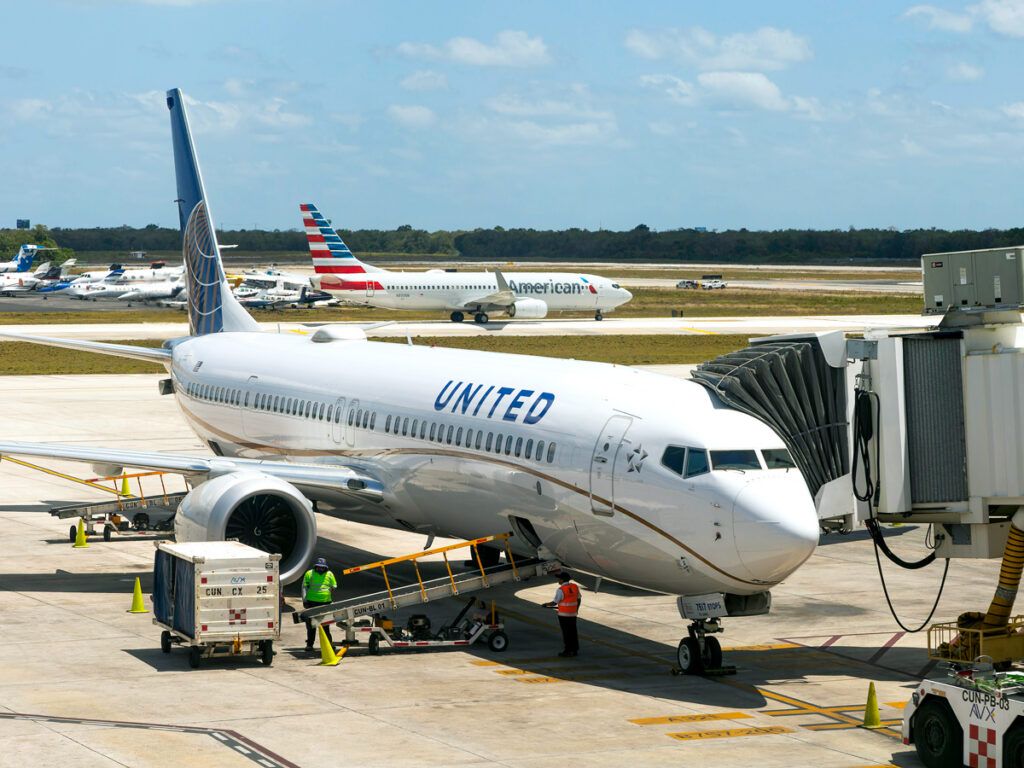
To find the average ages of the planes flown by the major U.S. carriers, we turned to aviation website Airfleets, a database of active civil aircraft around the world. The ages listed below represent the planes flown in the “mainline” fleets of these airlines, meaning they exclude the smaller regional planes operated by partner airlines, under brands such as Delta Connection or United Express. The numbers are accurate as of July 2026.
Alaska Airlines: 10.2 years
Until recently, Alaska Airlines operated an all-Boeing 737 fleet. But after its merger with Hawaiian Airlines, Alaska added the long-range Boeing 787 to begin flights to Asia and Europe from its Seattle hub. The latter aircraft are just 2.1 years old on average, while the Boeing 737s are around 10 years old.
Southwest Airlines: 11.4 years
Since its first flight in 1971, Southwest has famously operated only one fleet type: the Boeing 737. The Boeing 737-700 and Boeing 737-800 are the older models in service; they are being replaced by the Boeing 737-8 MAX and, when it enters service, the 737-7 MAX.
JetBlue: 12.4 years
JetBlue’s fleet consists of Airbus A220s and Airbus A320 family aircraft. The A320s are 20.8 years old on average, while the A220s are the newest members of the fleet, averaging 2.2 years of age.
American Airlines: 14.6 years
Overall, American’s average fleet age is similar to that of its biggest competitors, Delta and United, but the airline’s single oldest aircraft hasn’t been in service quite as long as those two airlines. American’s oldest Airbus A320 was delivered in 1998 to America West Airlines, which later merged with American. The airline’s newest type is the wide-body Boeing 787 (7.2 years old on average).
Delta Air Lines: 15 years
Delta’s oldest single plane in service is a Boeing 757-200 with the registration code N649DL. It entered service 37 years ago on March 25, 1989. When looking at average age by fleet type, the airline’s oldest aircraft family is the Airbus A320 (29.4 years), while the youngest is the Airbus A220 (4.7 years).
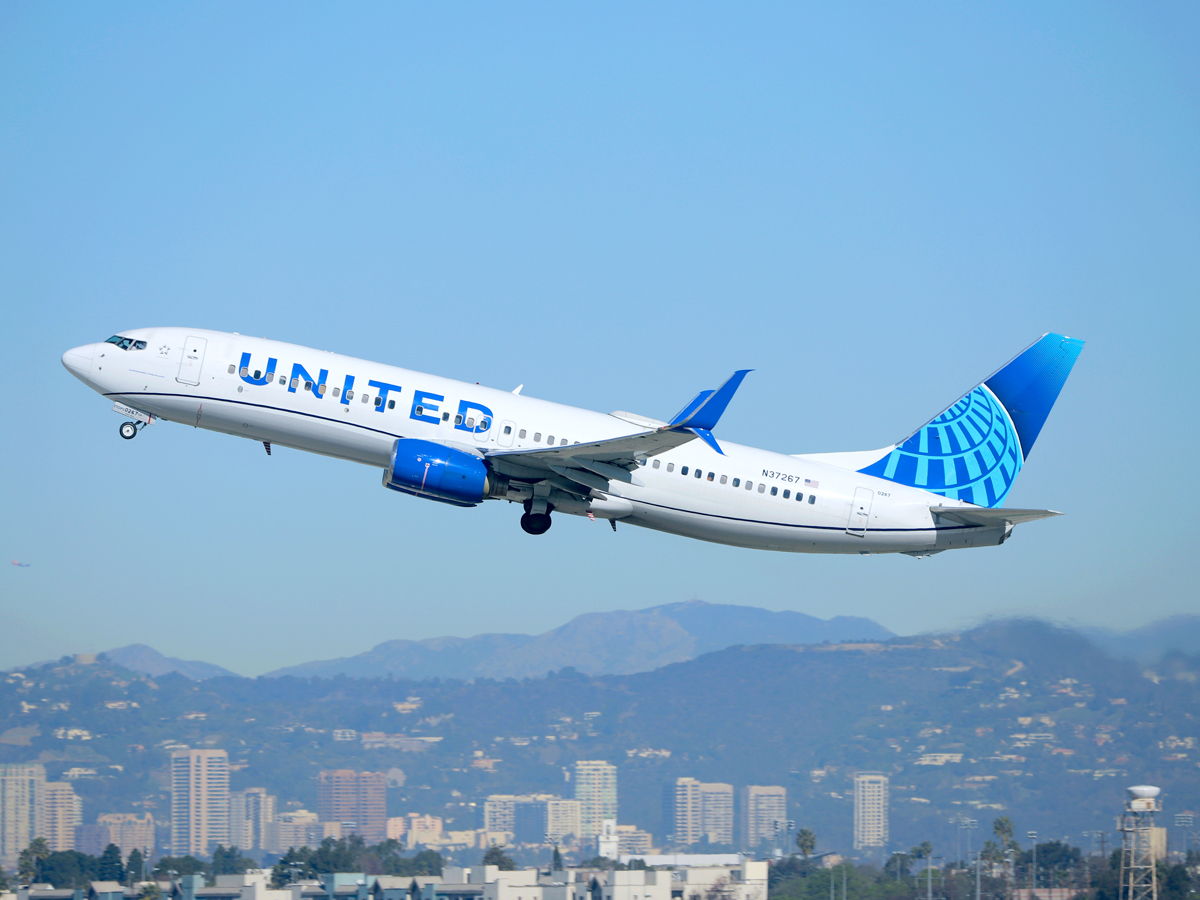
United Airlines: 15.1 years
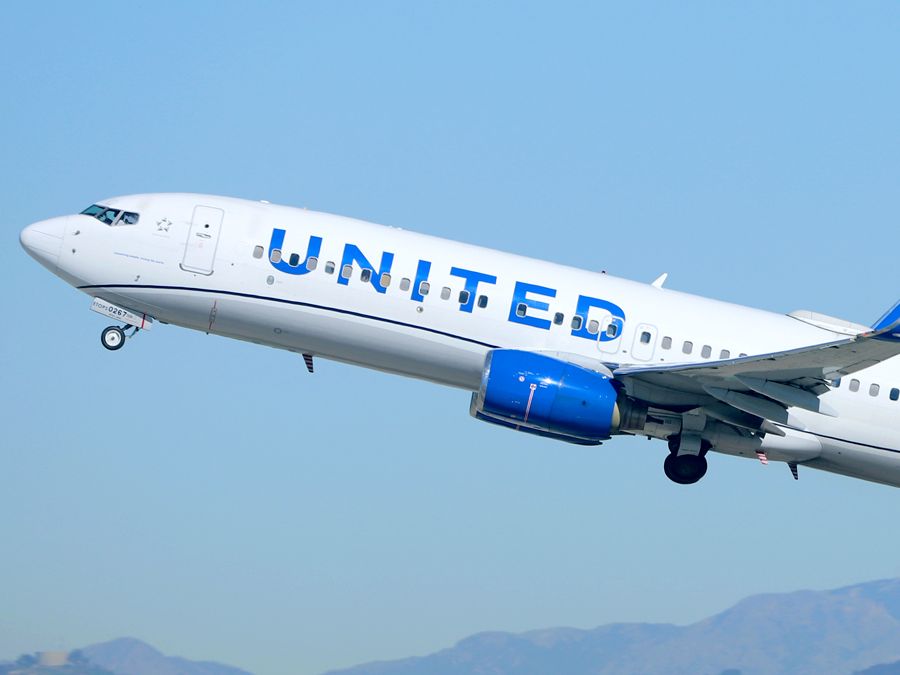
United edges out Delta for flying the oldest planes on average. The Chicago-based carrier’s oldest type is the Boeing 767; there are 53 of them flying at an average age of 28.7 years. The oldest individual 767 entered service in 1991. Meanwhile, United’s newest type, the Airbus A321NEOs, averages only 1.2 years old.
Do Passengers Even Notice?
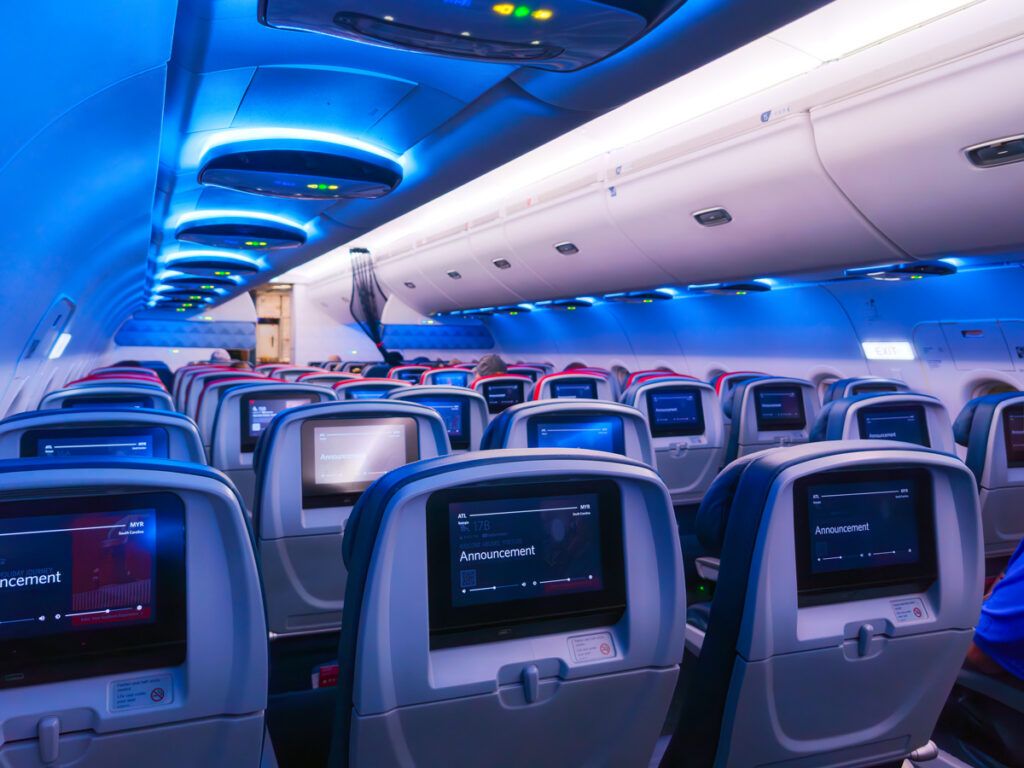
Unless you’re a bit obsessed with planes (like I am), you may have recently boarded an aircraft that’s been flying for decades without thinking twice. It all comes down to how airlines maintain the frames and invest in their cabins.
Air Canada, for example, has a 35-year-old Airbus A320 that’s still chugging along (though it’s set to be retired soon). The passenger seats haven’t been replaced since the 2000s, its outdated entertainment screens have been deactivated, and there isn’t any Wi-Fi to be found. If you board that particular aircraft, there’s a good chance you’d clock its age — or at least that it’s older than average.
However, step onto one of Delta’s oldest Airbus A320s, and you could easily mistake it for a much newer plane. Passengers are greeted by sleek mood lighting, updated seats, free high-speed Wi-Fi and in-flight entertainment screens, modern overhead consoles, and bigger luggage bins that can fit more carry-ons.
As CNN reports, more airlines are investing in updating their older planes to keep them flying longer — and making sure passengers can’t tell the difference. “If you’re on the airplane, it’s what you visually see,” Nathaniel Pieper, chief commercial officer for American Airlines, told the outlet. “You’re looking at bins, you’re looking at lighting, you’re looking at window shades, you’re looking at your seat. Those are the kinds of things that, again, you can invest in that are completely independent of how old that hull is.”
Featured image credit: © Laser1987—iStock Editorial/Getty Images
More from our network
Daily Passport is part of Inbox Studio, an email-first media company. *Indicates a third-party property.