





How Pilots Use the Seat Belt Sign To Convey Messages
How Pilots Use the Seat Belt Sign To Convey Messages
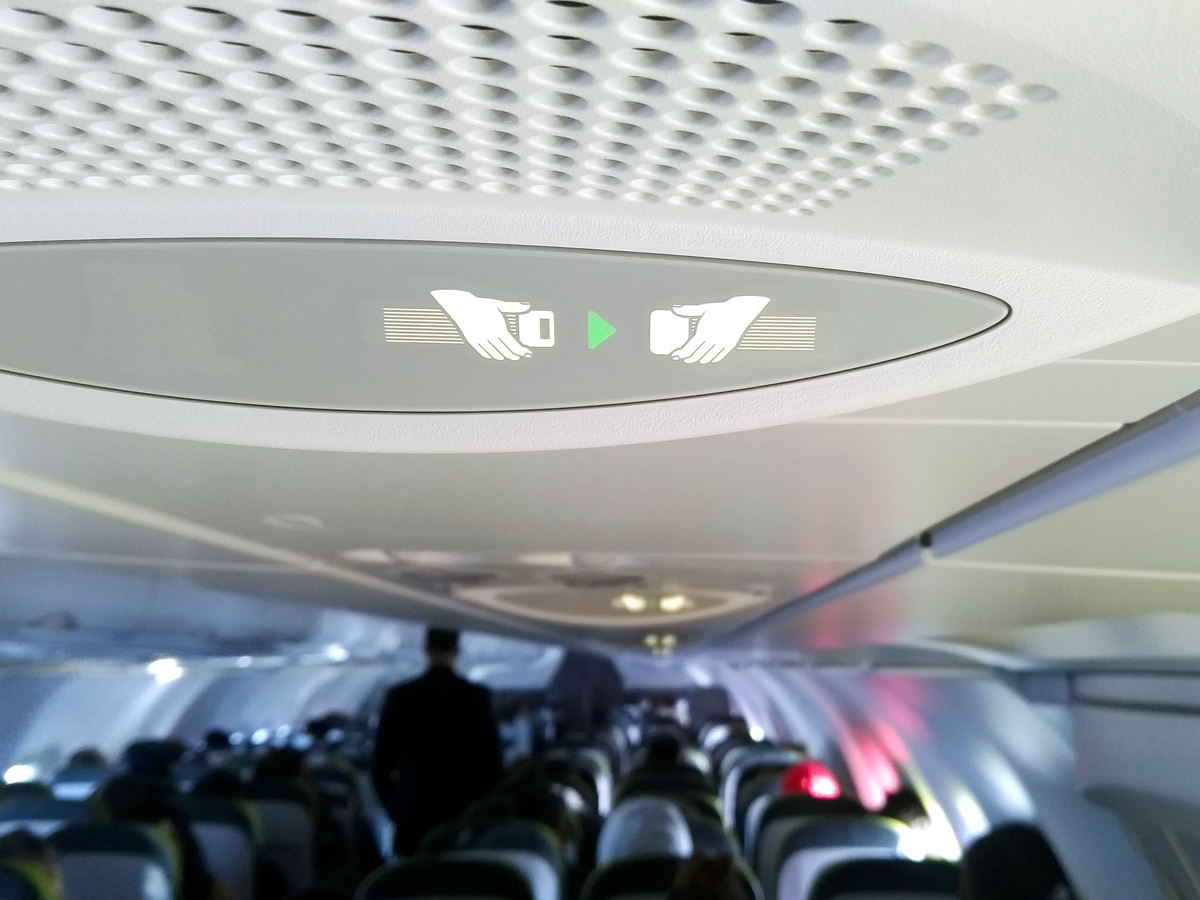

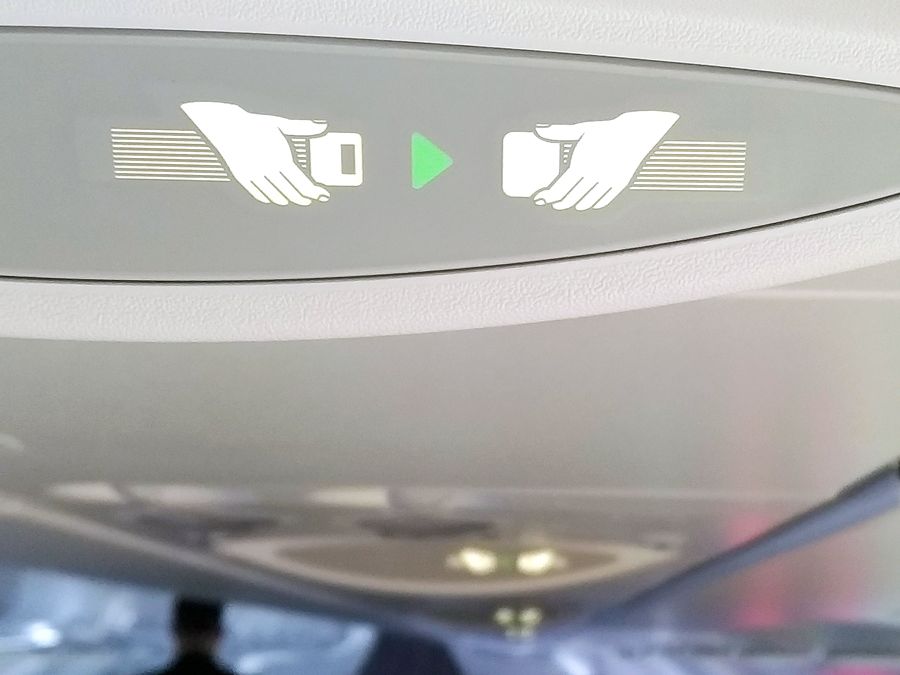
The “fasten seat belt” sign doesn’t always mean to fasten your seat belt. Or, rather, it doesn’t always mean just that. Because commercial airline pilots tend to be pretty busy flying the plane, and the cabin crew is occupied with, well, everything else, they sometimes need to get creative when it comes to communicating with one another. And since options are limited at cruising altitude, they often rely on something unexpected: the seat belt sign. If you pay attention during your next flight, you might be able to decode those messages as they’re being sent.
Chime In
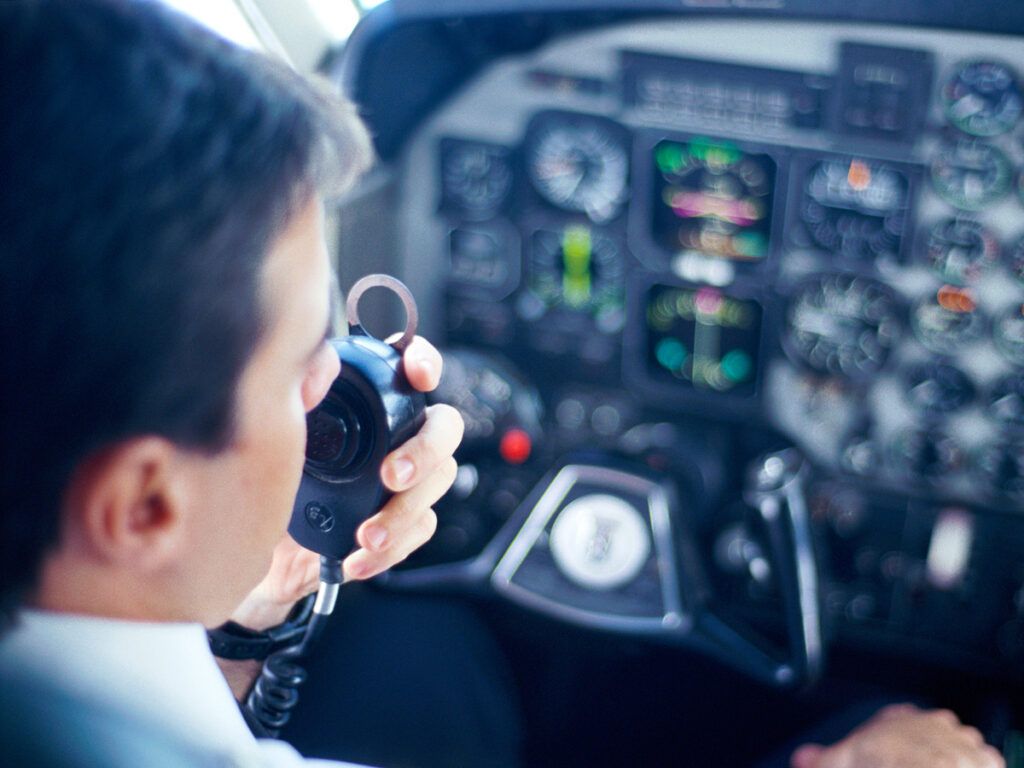
As anyone who’s flown is well aware, the seat belt sign doesn’t just light up when it’s turned on — it also makes a noise. Different chimes mean different things, as former U.S. Airways pilot John Cox explained to USA Today, and not all airlines use them the same way. But patterns do emerge.
When the seat belt sign flashes on and off, it is accompanied by a single chime over the plane’s loudspeaker. But according to Virgin Atlantic flight attendant Laura Hutcheson in an interview with the Washington Post, “A double chime and flash of the seat belt sign means that takeoff or landing is imminent, and it is the final sign from the captain for the crew to take their seats.”
Two chimes can also indicate that the aircraft is about to pass 10,000 feet — a key threshold that allows passengers to turn on their electronic devices and flight attendants to safely get up and begin their duties (or, upon descent, secure the cabin for arrival). Pilots have also been known to use the seat belt sign chime for other reasons, such as to politely ask for coffee at the cabin crew’s earliest convenience.
You may hear additional chimes beyond the one triggered by the seat belt sign turning on and off. A high-to-low chime indicates a call over the aircraft’s phone system, which means the flight deck is trying to get the attention of the cabin crew, or flight attendants in different parts of the plane are trying to communicate with each other, according to a TikTok video from flight attendant Tommy Climato. And during the flight, you might also hear a single chime indicating a passenger has pressed his or her call button for assistance.
Less Is More
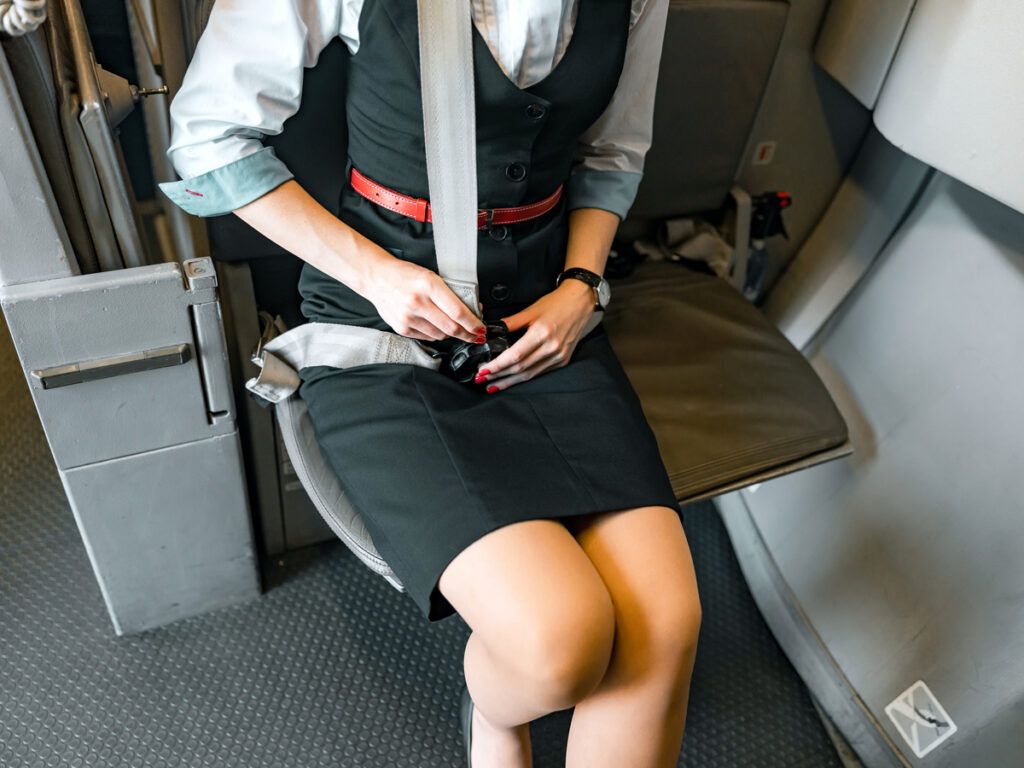
In rare situations, you might also hear three chimes in quick succession. Depending on which direction it’s coming from, a three-chime message could mean one of two things. If the pilot sends it, according to Cox, it means that the flight attendants should be immediately seated due to unforeseen turbulence. If the cabin crew sends it, they could be alerting the pilots to a passenger’s medical emergency that might require the entire flight to be rerouted.
At the end of the day, though, passengers shouldn’t worry too much about hearing more chimes — it doesn’t necessarily mean that anything is wrong. While it’s fun to know what these sounds could indicate, they aren’t exactly intended for passengers — even those savvy enough to decode them.
Featured image credit: © SMMP/stock.adobe.com
More from our network
Daily Passport is part of Inbox Studio, an email-first media company. *Indicates a third-party property.