





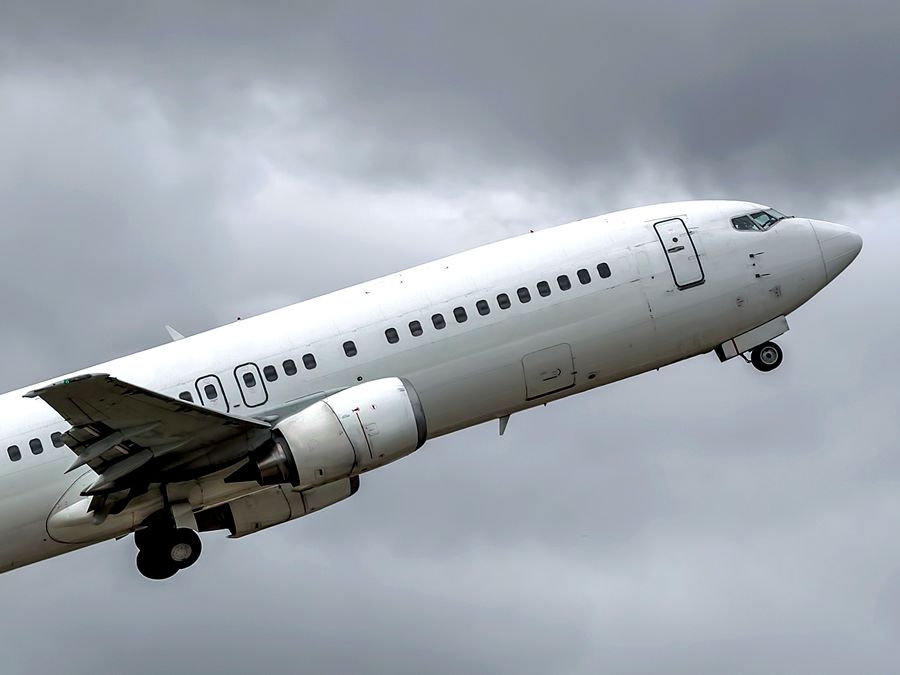
Is Flying in a Thunderstorm Dangerous?
Is Flying in a Thunderstorm Dangerous?
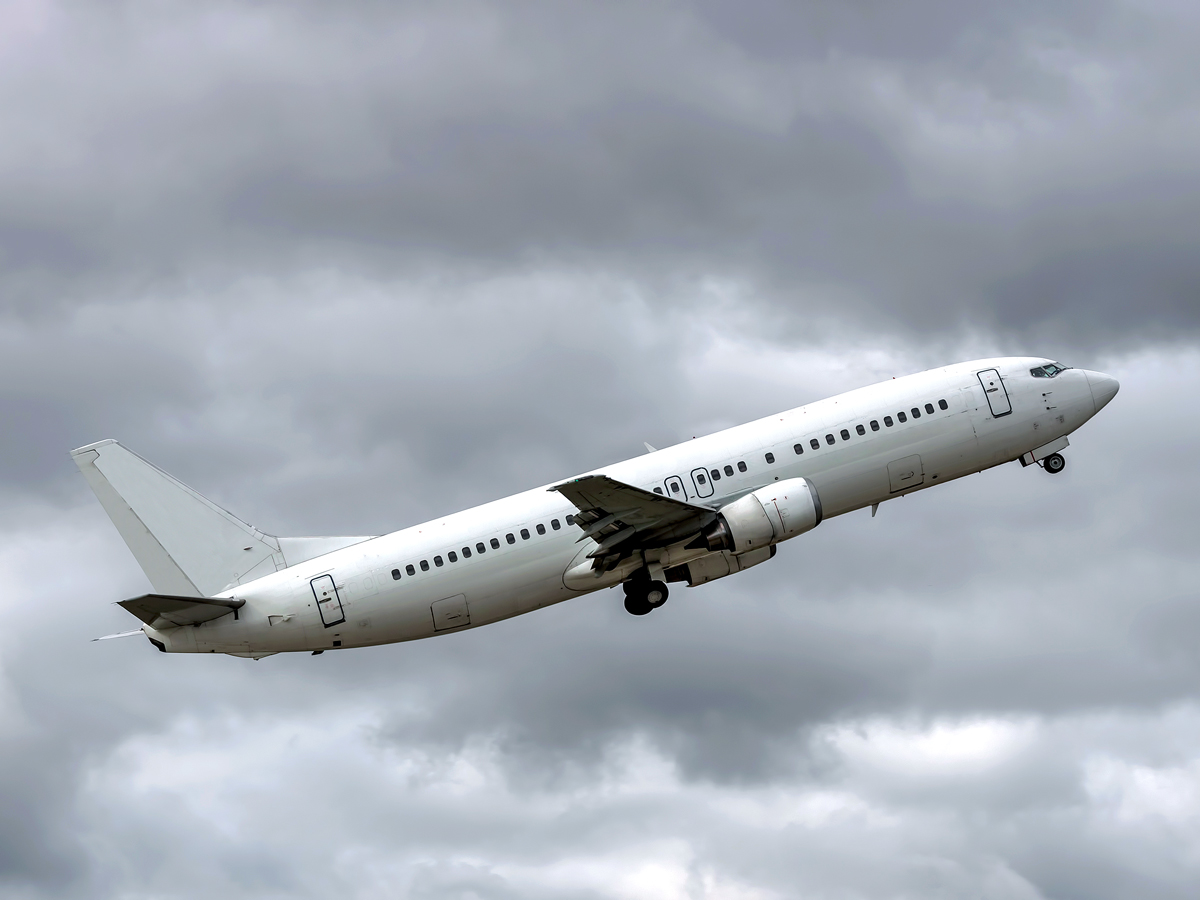

If you’re a nervous flyer, perhaps the only thing worse than getting on a plane is getting on a plane during inclement weather. It’s natural to feel some heightened nerves when a few raindrops start falling before you’re scheduled to depart, doubly so if you think you see storm clouds in the distance. But is it actually dangerous to fly during a thunderstorm? Here’s what the science says — and what it’s really like for pilots.
Safety First
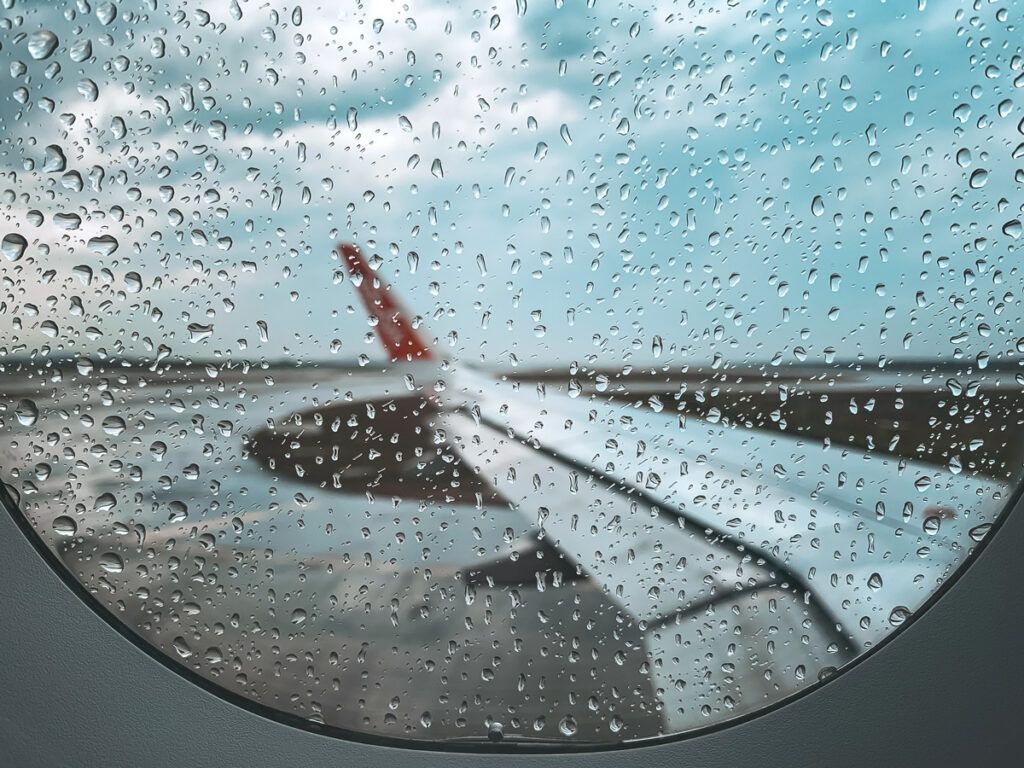
The short answer is that planes don’t actually fly through thunderstorms — they fly around them. According to the National Weather Service, pilots are strongly discouraged from flying in or near thunderstorms.
This is because there are several hazards that can result from a thunderstorm, namely lightning, hail, turbulence, icing, downbursts, and even tornadoes. Some of these are more serious than others, of course, but the good news is that — even if pilots are trained to avoid such threats — modern airliners are built to withstand them.
Lightning, for instance, isn’t much of a danger at all; in fact, the average plane is struck once or twice a year without incident. And turbulence, while unsettling depending on the severity, is a familiar part of flying for passengers and pilots alike. Extreme turbulence that can cause injuries or even damage an aircraft, whether it’s caused by thunderstorms or other factors, is incredibly uncommon.
Hail is more likely to cause damage to an aircraft, especially since it’s larger in the cloud than it is by the time it reaches the ground. Icing is likewise far from ideal, as it causes buildup on the wings that can make it more difficult for pilots to maneuver, which is why it’s safest to avoid flying directly through a storm.
The Friendly Skies
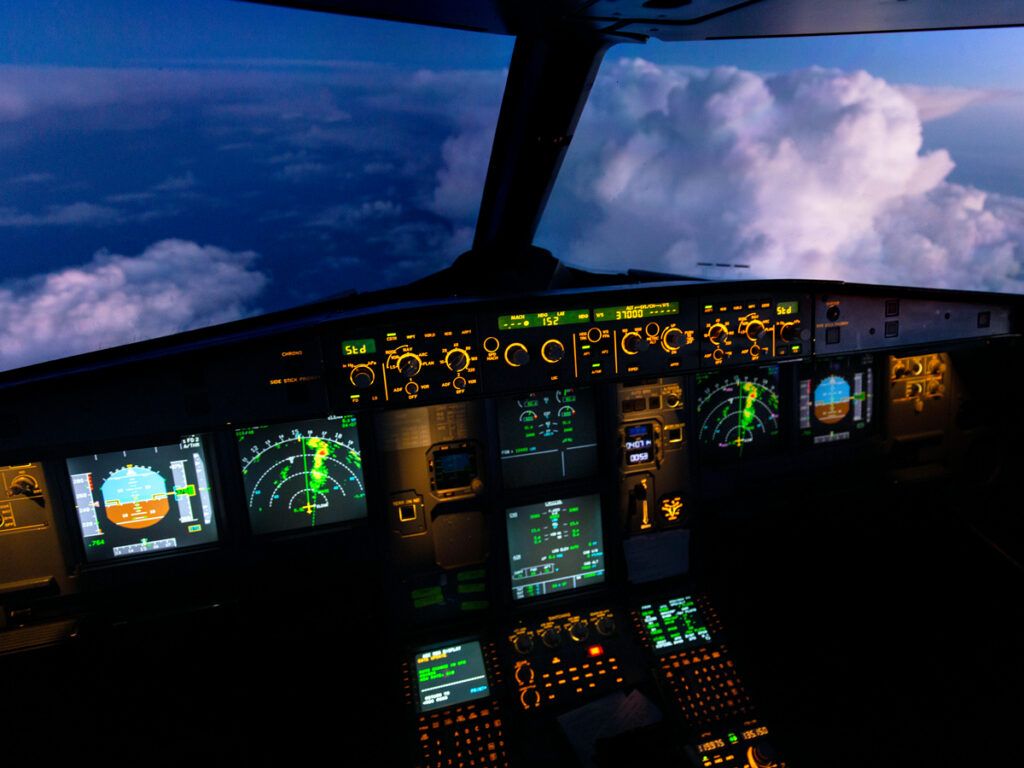
While flying in bad weather does require heightened caution, passengers can take comfort in the fact that flight crews are trained extensively to navigate such conditions. Weather forecasting and aviation are extremely advanced fields with a lot of overlap, making it routine for pilots to avoid storm systems that appear along their flight path by either raising or lowering their altitude or simply changing course.
In general, pilots aim to maintain a minimum distance of 10 to 20 miles from storms. They communicate with air traffic control and nearby pilots and make use of radar systems both on the ground and on the plane to get real-time weather information. The one on board the plane is called the Weather Avoidance System (WAS), which shows “where storms are, how high they are, how fast they’re moving, the direction they’re moving and so on,” according to airline captain Patrick Smith, who writes a blog called Ask the Pilot.
In fact, with these systems in place, the biggest inconvenience you’re likely to experience as the result of a storm is a delayed or canceled flight, though of course it’s better not to take off if you can’t do so safely.
Featured image credit: Dragunov1981—iStock/Getty Images
More from our network
Daily Passport is part of Inbox Studio, an email-first media company. *Indicates a third-party property.