





4 Liquids You Can Bring Through TSA in Any Size
4 Liquids You Can Bring Through TSA in Any Size

If you’ve ever been forced by airport security to throw out a large tube of toothpaste or a bottle of water, you’re certainly not alone. The TSA imposes a 3.4-ounce limit on most liquids, aerosols, and gels inside carry-on luggage — even if the product is completely harmless. The rule is pretty strict, but there are exceptions for specific liquids that are permitted beyond security in any size. Here are four notable examples of liquids that are exempt from the TSA’s standard size limitations.
A Refresher on Liquid Rules
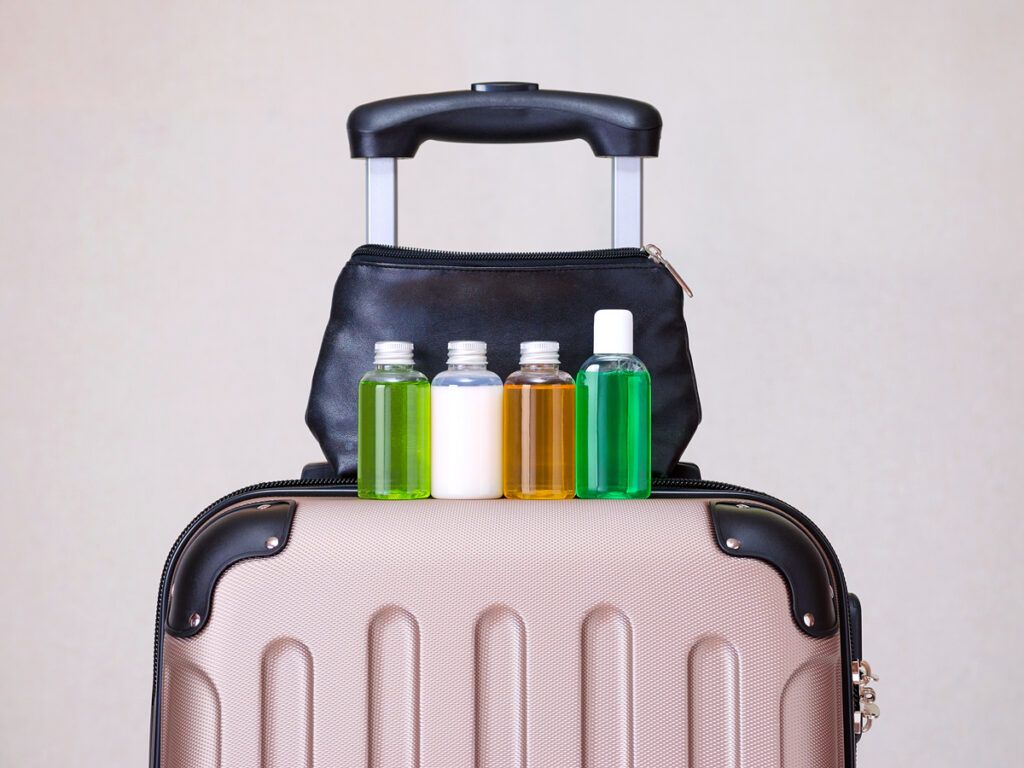
Before we dive into the exceptions, here’s a helpful reminder of the standard liquid limits allowed past the TSA checkpoint in carry-on luggage.
The TSA’s 3-1-1 rule states:
- Each liquid must be in a container of 3.4 ounces (100 milliliters) or less.
- All containers must fit inside one quart-sized clear plastic bag.
- Each passenger is allowed one such bag.
The 3-1-1 rule applies to anything that isn’t solid — not only liquids, but also aerosols, oils, gels, creams, lotions, and pastes. (The latter includes spreadable foods such as peanut butter or jam.) Importantly, the 3.4-ounce rule applies to the size of the container itself, not the amount of liquid inside it. Any bottle larger than 3.4 ounces must be packed in checked luggage or thrown away at the screening checkpoint.
Medical Necessities
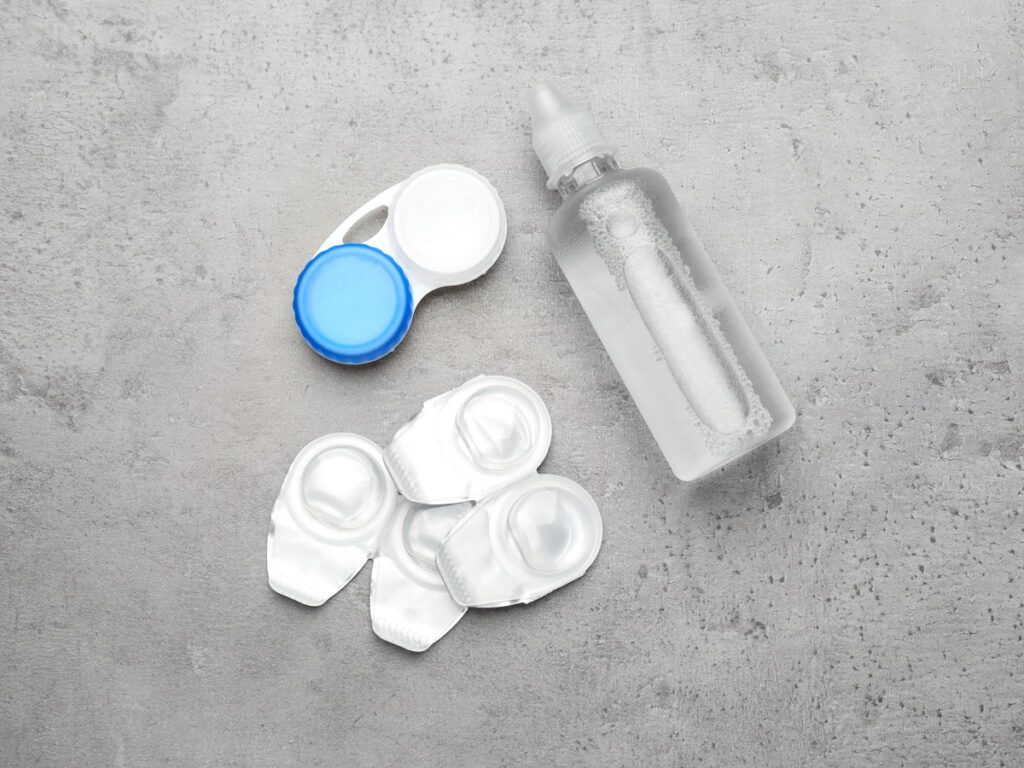
Now, on to the exceptions. As stated on the agency’s website, “TSA allows larger amounts of medically necessary liquids, gels, and aerosols in reasonable quantities for your trip.” This may include items such as cough syrup, over-the-counter creams or gels, decongestant sprays, distilled water for CPAP machines, or contact lens solution. However, the TSA adds that all such items must be declared to an officer at the checkpoint before undergoing a thorough inspection. After declaring any medications to the TSA officer, remove them from your bag or person and put them in a bin or bowl by themselves to allow for a more efficient inspection.
You may also bring frozen ice packs or gel packs that are intended to keep medications cool, as long as the packs remain frozen until you’re past security. If the pack is partially or fully melted, it may not be allowed through the checkpoint. Declare any ice or gel packs to the agent before going through security so that the agent can thoroughly inspect the items in question.
One rule to note with contact lens solution, in particular, is that certain solutions contain prohibited chemicals such as peroxide, which can raise alarms when officers test the liquid. If that’s the case, you’ll have no choice but to throw away the solution (or exit the checkpoint and return the item to your car).
Traveling with a pet? Our furry friends aren’t as lucky when it comes to bringing medically necessary liquids on a plane. If you’re traveling with a service dog that requires prescription wet food, that food must be stored inside your checked luggage, as it’s not allowed inside your carry-on.
Baby Food
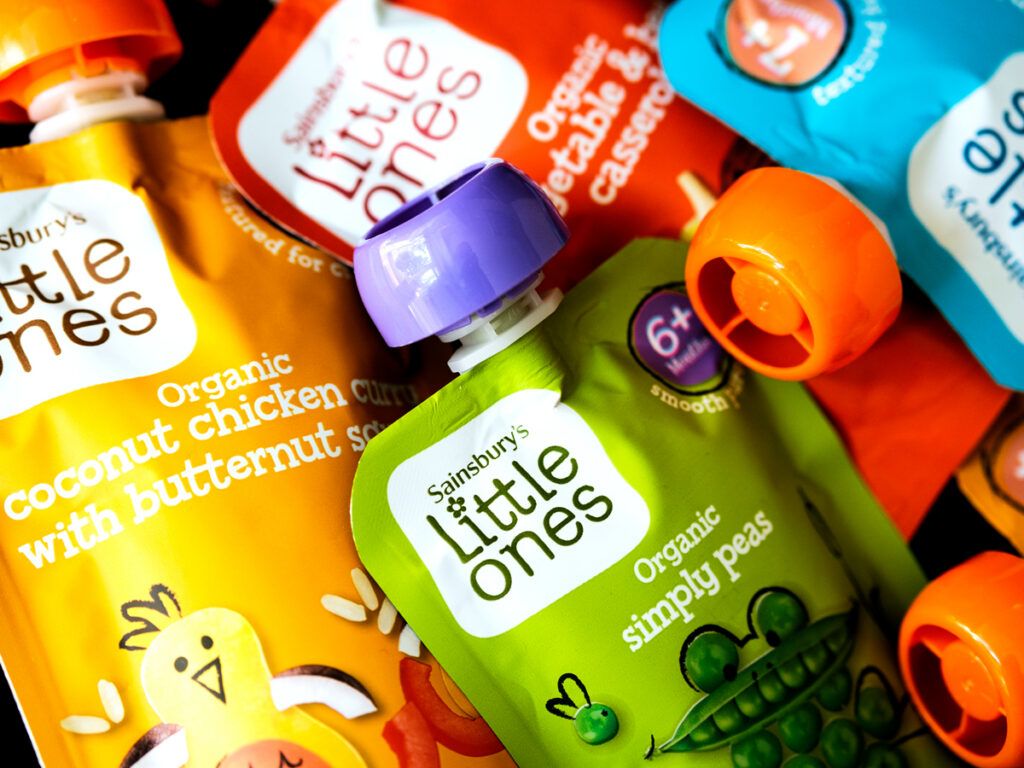
Whether you’re actually traveling with a baby or not, both liquid breast milk and baby formula are permitted as long as you follow careful steps. The same goes for drinks intended for toddlers, such as pouches of fruit puree. Simply inform the TSA officer that you have those items in your carry-on luggage and remove them so they can be tested and examined for concealed explosives.
To expedite the process, the TSA recommends storing all breast milk, baby formula, and any drinks intended for a toddler in clear bags or pouches, which makes it easier to see the contents. All tests are done to ensure the liquids aren’t tampered with and remain safe to drink.
Aquatic Environments
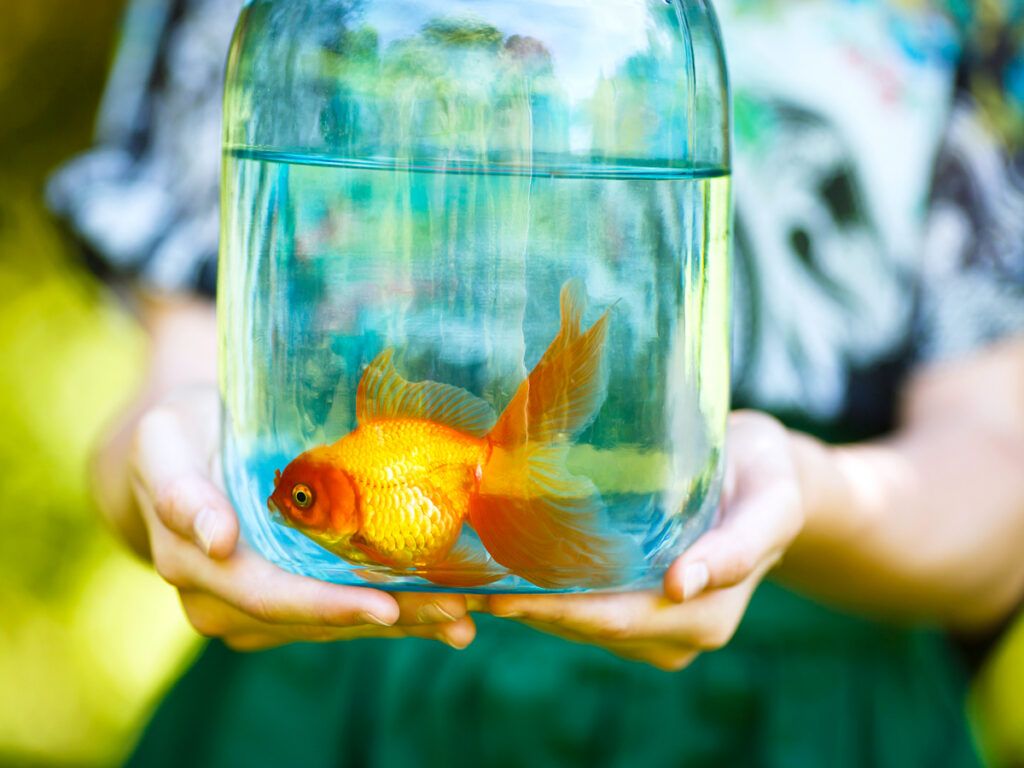
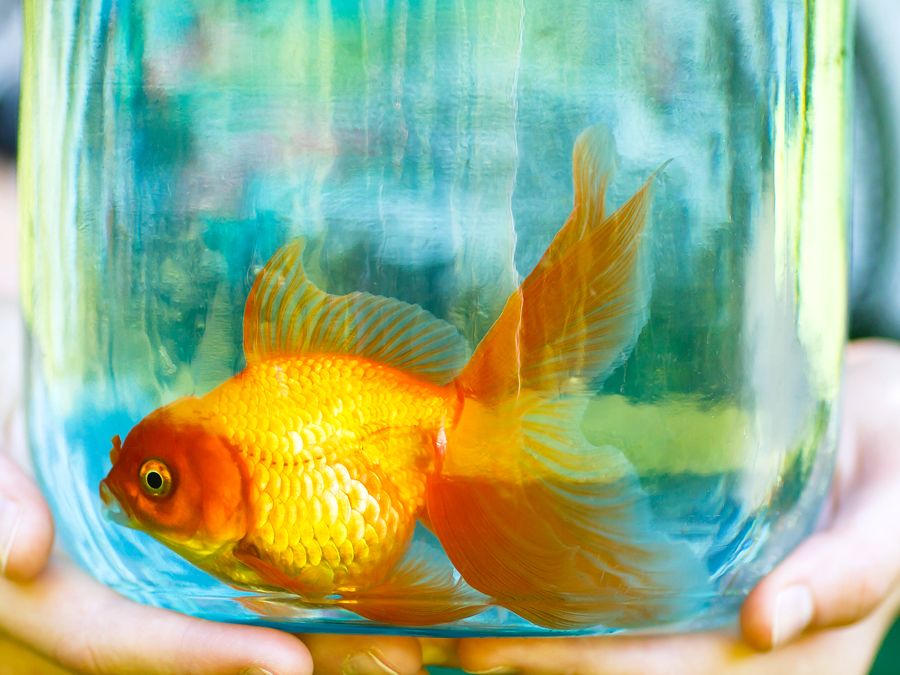
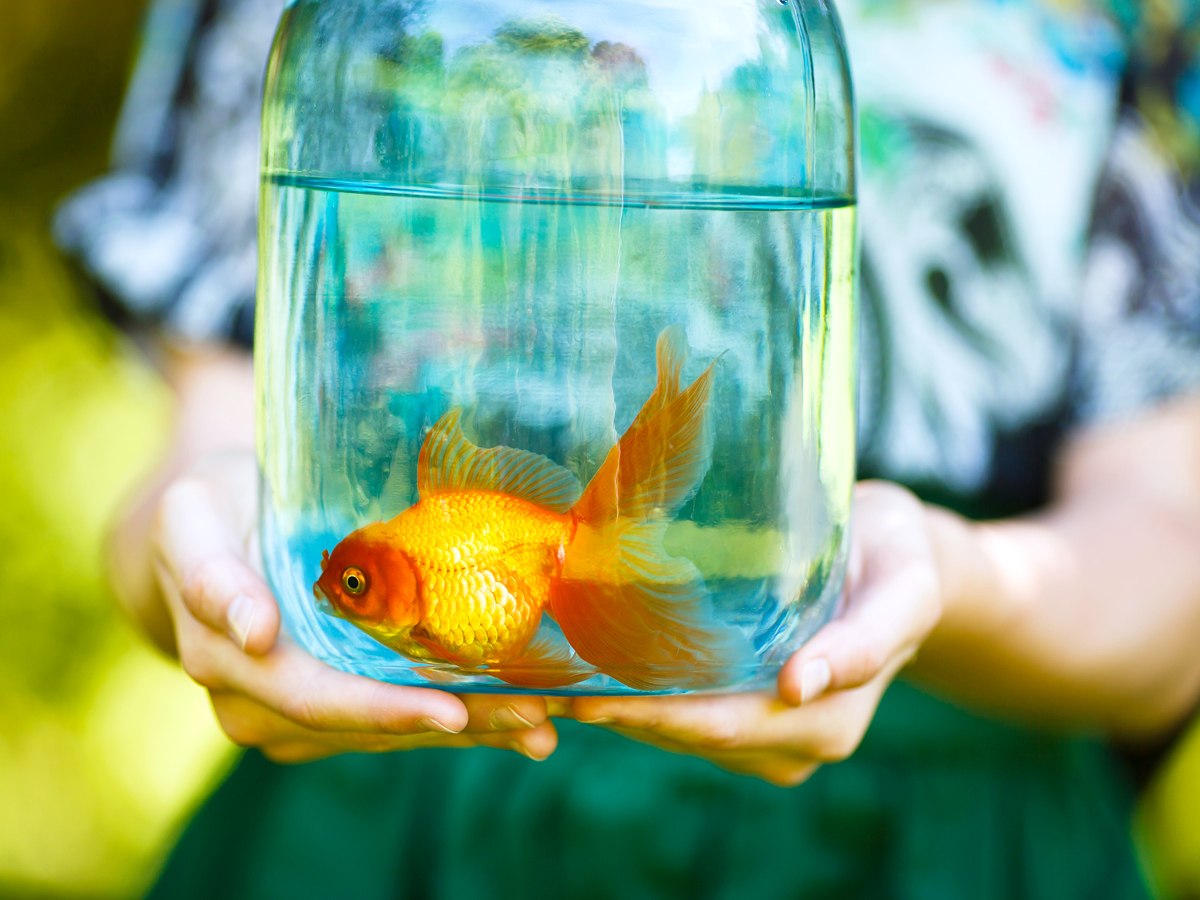
Certain aquatic animals require water to survive at all times, which makes traveling with such creatures — in those rare cases you might — a bit more of a hassle. Fortunately, flyers are allowed to bring however much water is necessary for the creature to survive.
Live fish and coral, for instance, are both allowed in any amount of water necessary for survival, so long as they’re stored in a clear, transparent container and inspected (and cleared) by a TSA agent. Lobsters are also allowed, though rules may vary depending on the airline, so contact whichever airline you’re flying with. Make sure they are inside clear, plastic, and spill-proof containers. Screening checks are performed safely in a way that won’t harm the animal, and you should be free to proceed as long as no alarms are raised during the process.
Sealed Duty-Free Items
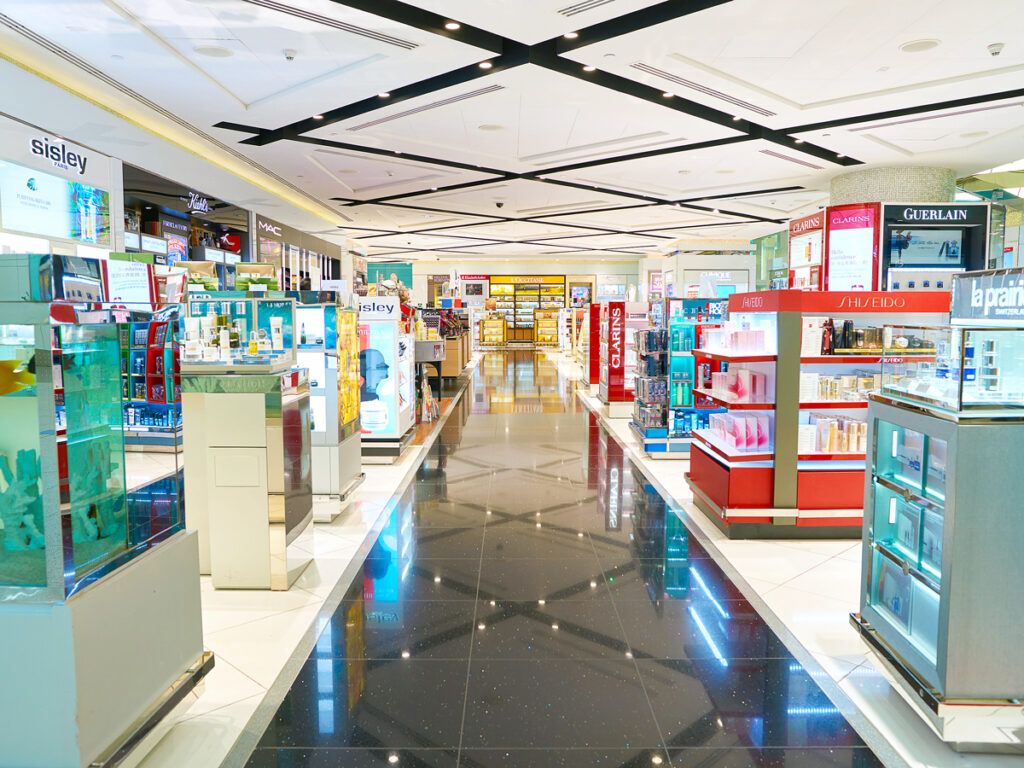
When flying internationally, many travelers stop by the duty-free shop to purchase tax-free liquor, perfume, or other goods. Sometimes you may stop at duty-free in one country before arriving in the U.S. and boarding a connecting flight, in which case there are certain rules you’ll need to follow in order to bring your duty-free purchase back home in your carry-on.
The TSA states that liquids purchased at duty-free are permitted past security so long as they follow three specific criteria. First, the liquids must have been purchased internationally prior to your connecting flight in the U.S. Second, they must remain inside a transparent, secure, tamper-evident bag. (The item will be packaged inside by the seller at the time of purchase.) Lastly, you must have the original purchase receipt showing that the item was bought within the last 48 hours.
More from our network
Daily Passport is part of Inbox Studio, an email-first media company. *Indicates a third-party property.