




6 Items the TSA Confiscates Most Often
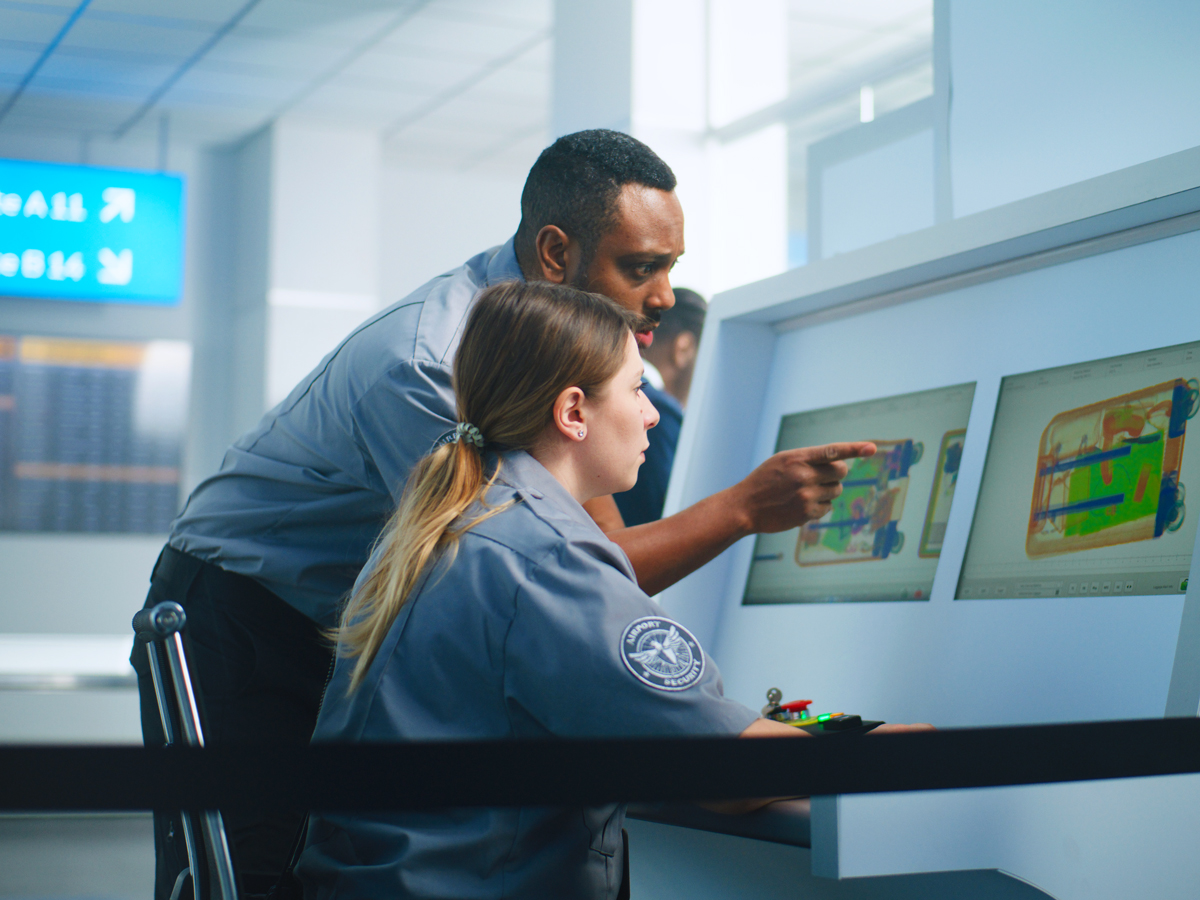

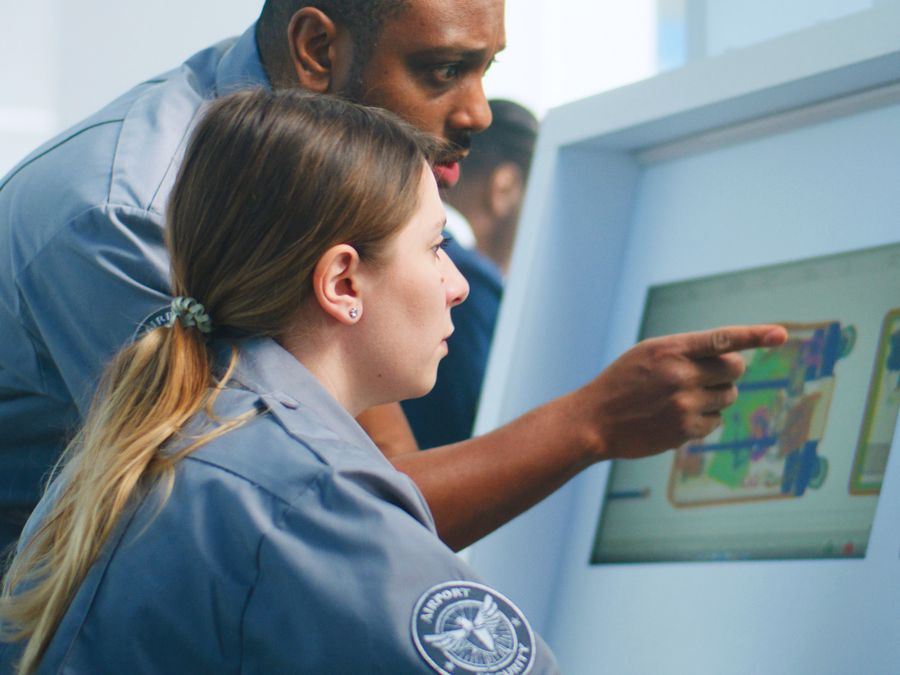
If life were more like a movie, TSA officers would spend their days intercepting dramatic contraband such as weapons or suspicious substances. But in reality, most of the items surrendered at airport checkpoints are quite ordinary. The TSA screens approximately 3.3 million carry-ons and 1.3 million checked bags each day, and officers say the overwhelming majority of prohibited items they find come from travelers who claim to have simply forgotten something was packed in their luggage. Here are some of the most common items TSA officers flag, so you know what to avoid before your next flight.
Water Bottles
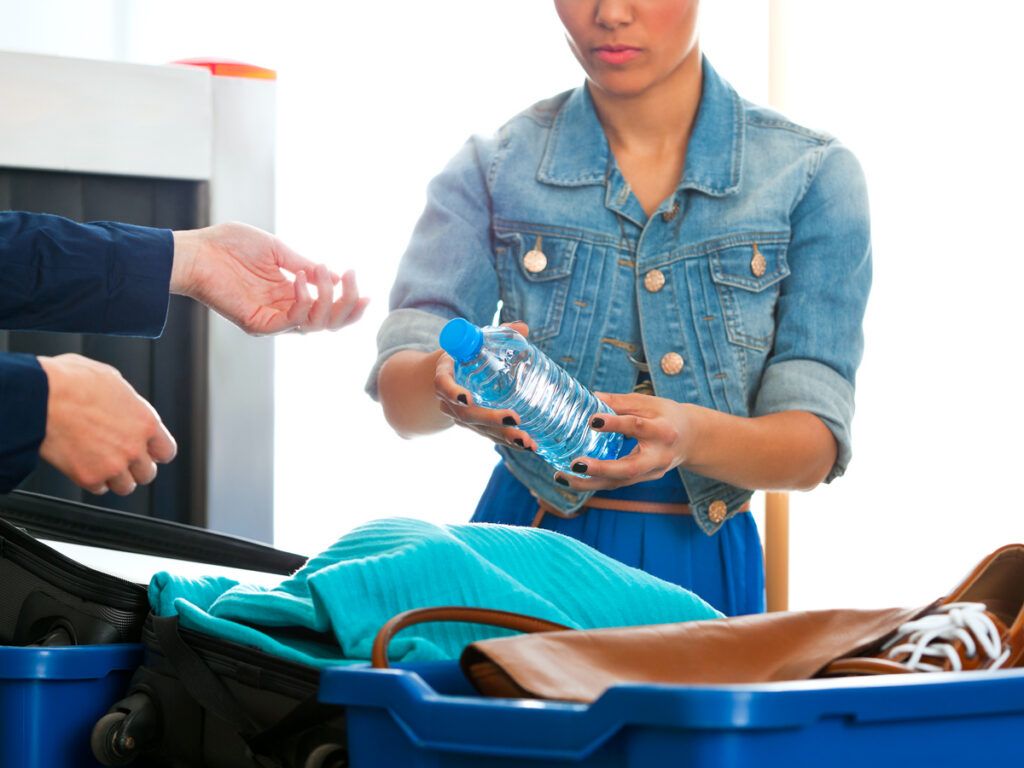
Former TSA officer Caleb Harmon-Marshall told Travel + Leisure that water bottles are by far the most commonly surrendered items at TSA checkpoints. The no-liquids rule is well known, but travelers may forget they’re still carrying their half-full tumbler from home or the coffee or water bottle they grabbed before security. The issue isn’t necessarily the bottle or mug itself, of course, but the question of what liquid is inside.
Under TSA’s 3-1-1 liquids rule, containers larger than 3.4 ounces or 100 milliliters generally aren’t allowed through screening. An exception is made for medically necessary items such as medications or breast milk, formula, toddler drinks, or baby food, pending disclosure and TSA examination. Most airports now have liquid disposal stations right before security and refill stations immediately after. This makes it easy to stay hydrated, but remember to finish your iced matcha early so you don’t end up dumping a perfectly good drink.
Full-Size Toiletries
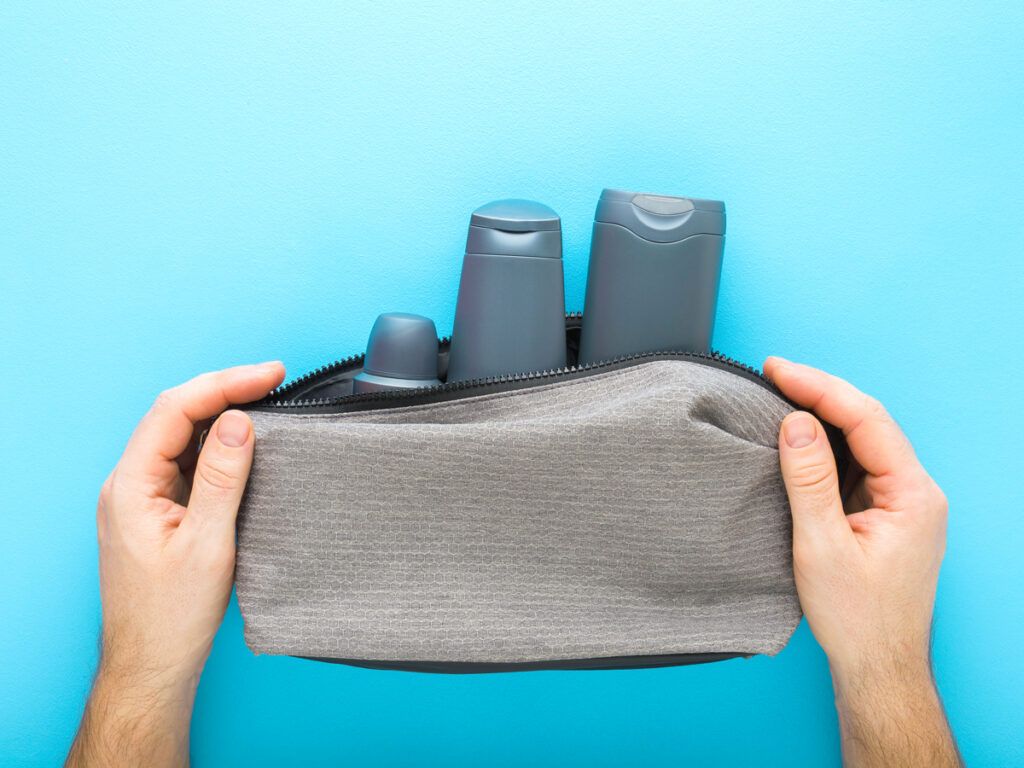
Despite the liquids rule being in place since 2006, oversized toiletries remain one of the biggest repeat offenders at TSA checkpoints. Body wash, sunscreen, hair and skin care products, and toothpaste are all regularly pulled from carry-ons because the containers exceed the volume limit. Former TSA officers have noted that oversized fragrances are also commonly confiscated.
Partially used larger bottles that contain less than 3.4 ounces of your favorite product won’t cut it. The container itself must be 3.4 ounces (100 milliliters) or less, and all containers must fit together in a single, clear, resealable quart-size bag — one per person.
Toy Weapons
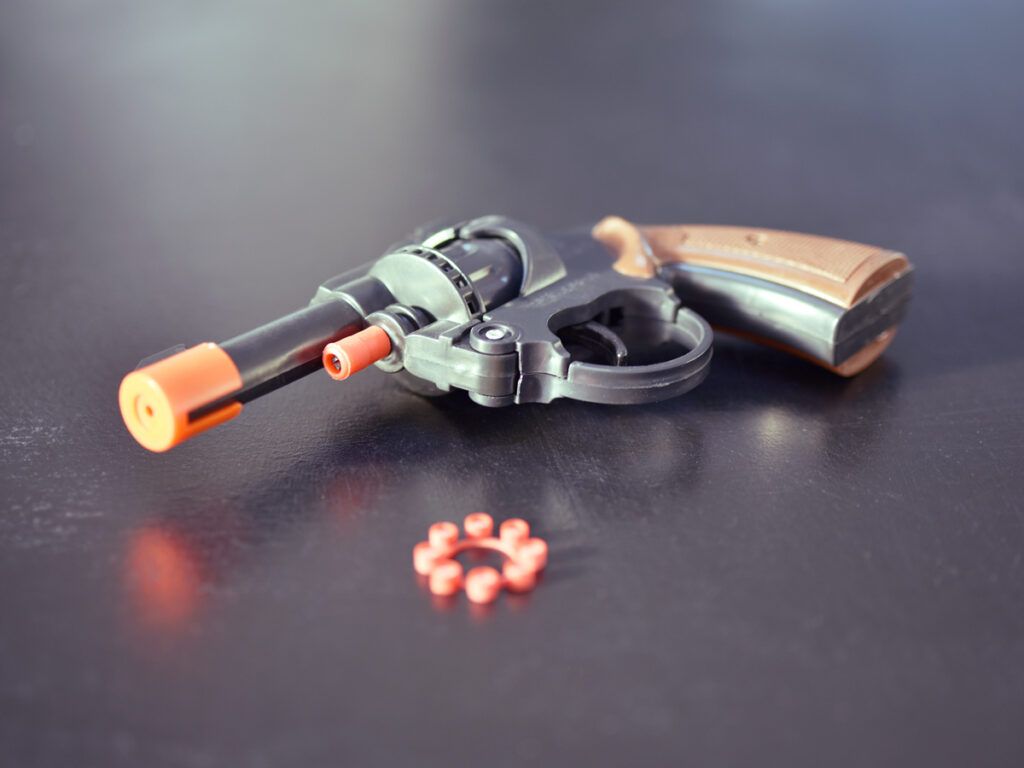
Toy guns, including some water pistols, are a surprisingly common issue at airport security, especially during busy summer travel months. While smaller versions are considered harmless toys and are technically allowed by the TSA, the agency advises passengers to pack them in checked luggage. The TSA also requires that any water toys be empty before going through security, and officers will draw the line at anything that looks too realistic, such as a massive Super Soaker that is made to resemble a real weapon.
Knives
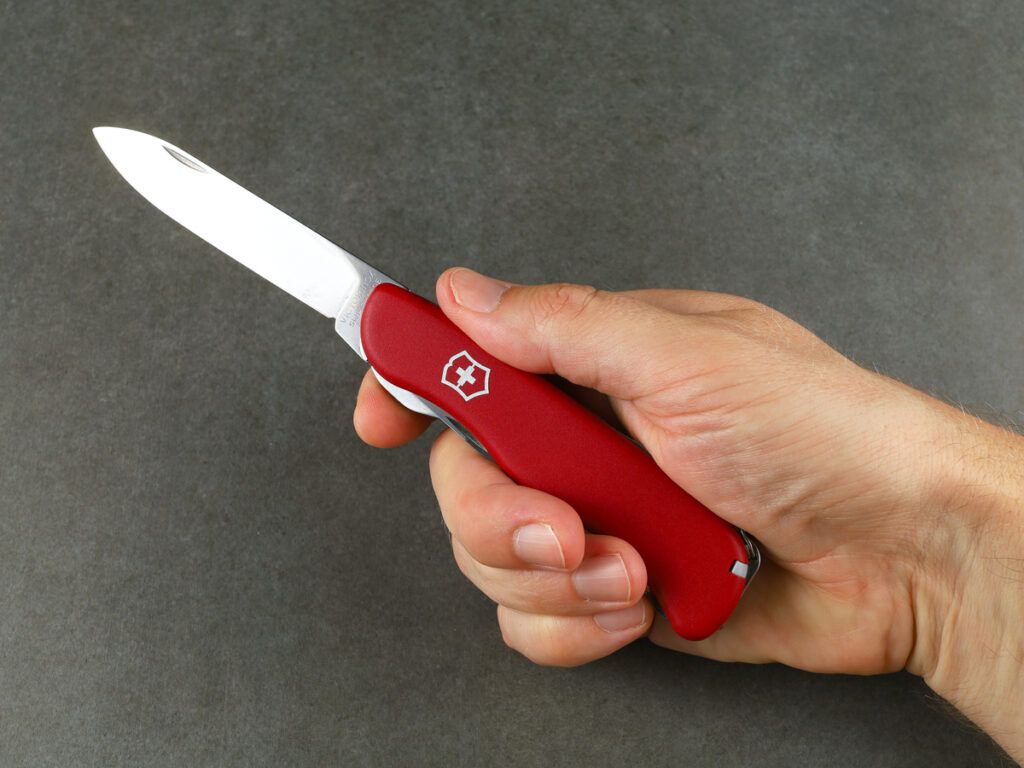
It might sound obvious to not put a knife in your carry-on, but the ones flagged by TSA are often everyday tools that can be easy for travelers to overlook. At the checkpoint, TSA officers see everything from small pocket knives to folding blades with belt clips and locking mechanisms.
Leatherman-style multi-tools are also commonly flagged. These small devices, which typically contain pliers, small blades, screwdrivers, scissors, and more, are popular with hikers, DIYers, and generally handy people — which is partly why they show up so often at airport security. Regardless of their intent, though, knives or multi-tools aren’t allowed in carry-on luggage; owners will need to surrender them or put them in a checked bag instead.
Corkscrews
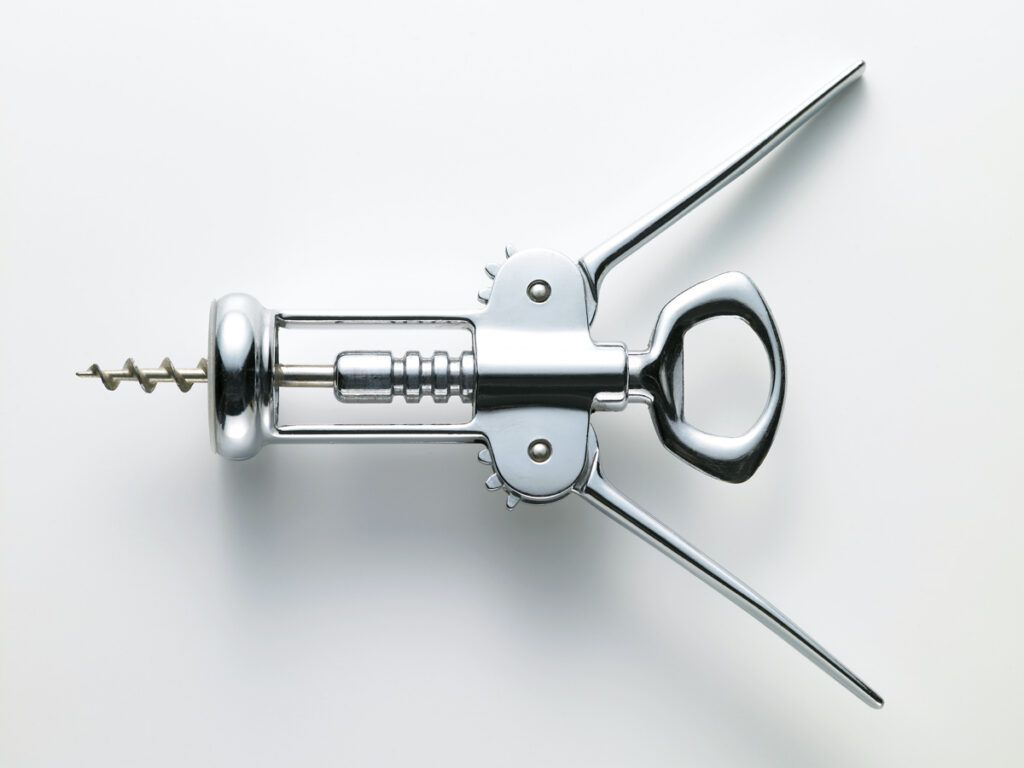
Another way that blades often sneak into a carry-on is in a corkscrew. Many designs are actually allowed on board, but corkscrews that include a small, folding, foil-cutting blade are not — they must be checked or surrendered to the TSA.
A TSA officer at LaGuardia airport in New York shared with a Wall Street Journal reporter that corkscrews, along with pocket knives, are among the top confiscated items at that airport. Like other items surrendered or left at the TSA checkpoint, they’re sent to a state surplus facility in Pennsylvania, where they’re often auctioned off online. If you want to bring home your wine-country souvenir in your carry-on, consider an electric or manual corkscrew without a blade instead.
Spreadable Foods
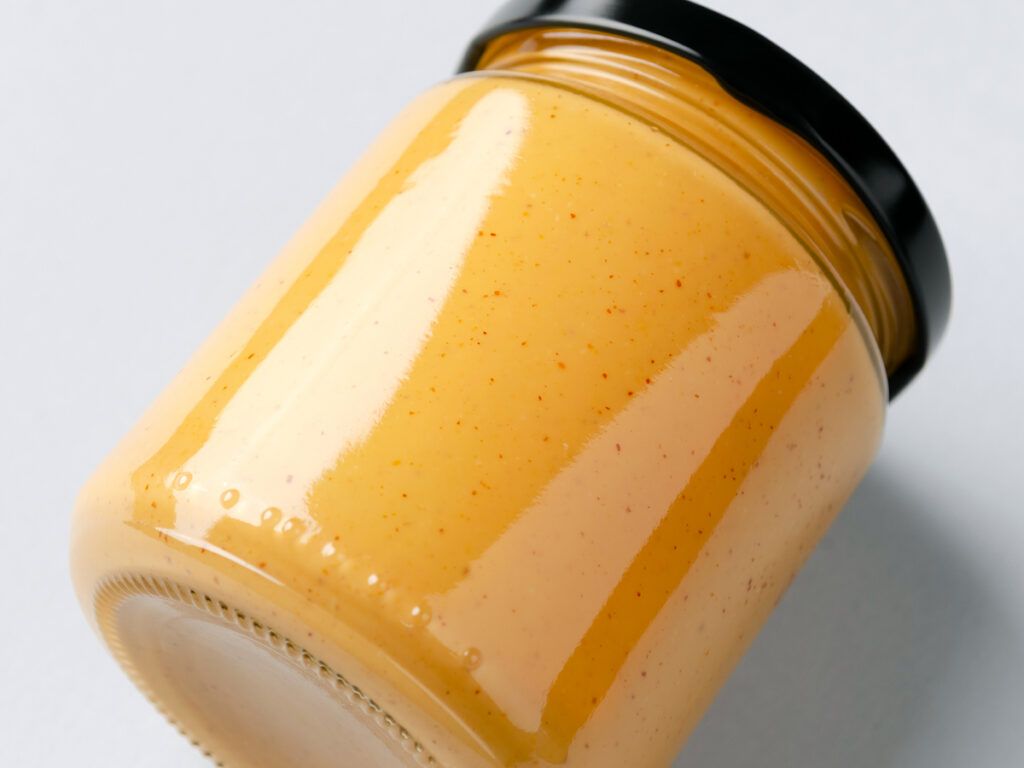
For those of us obsessed with snacks, don’t worry: Plenty of food items, from crackers to cookies to granola bars and even sandwiches, are indeed allowed on board. But when it comes to spreadable foods such as jars of peanut butter, jam, yogurt, hummus, or other similar items, they’ll likely be flagged if the container exceeds TSA’s liquid limit.
That’s because security rules treat semisolid foods such as these similarly to gels or pastes. While a standard-sized PB&J sandwich should be fine, an entire jar of peanut butter can technically violate the same rule as a full-sized bottle of shampoo. Many organic materials — including permitted food items such as coffee grounds or chocolate — also often look similar to explosives through the X-ray screener. Depending on how easy it is to tell the item’s shape, these may require an additional check but will still be allowed on board.
Featured image credit: © EvgeniyShkolenko—iStock/Getty Images
More from our network
Daily Passport is part of Inbox Studio, an email-first media company. *Indicates a third-party property.