





Why Do Planes Get So Hot Before Takeoff?
Why Do Planes Get So Hot Before Takeoff?
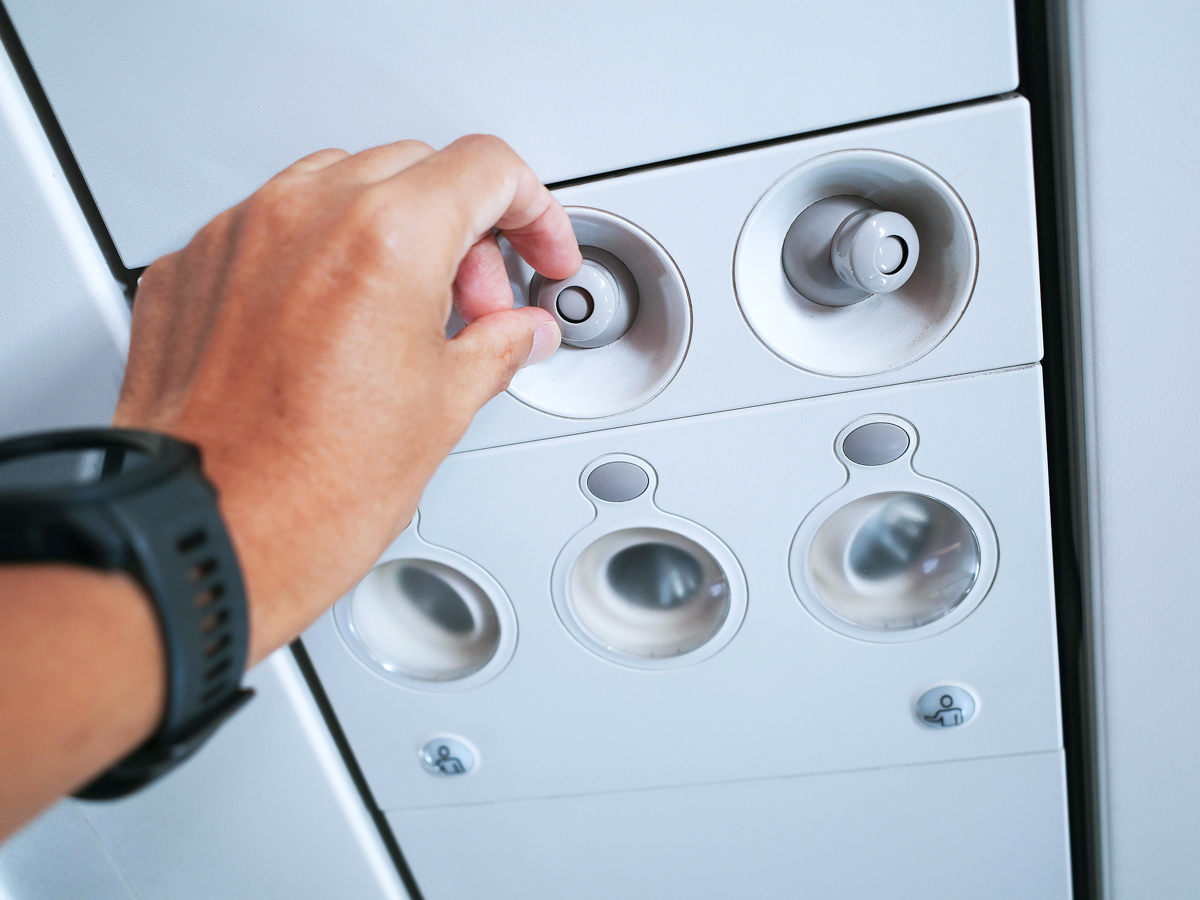

Airplane cabins are notoriously cold, but usually only once you reach cruising altitude. If you’ve taken a flight recently this summer, you may have faced a hot, stuffy cabin as you stepped onto the plane and waited for everyone to board. So, why does sitting at the gate sometimes feel like being in a sauna, while the opposite often holds true at 30,000 feet? As is the case for many things in commercial aviation, there’s an explanation, and the reason may surprise you.
The Role of the APU
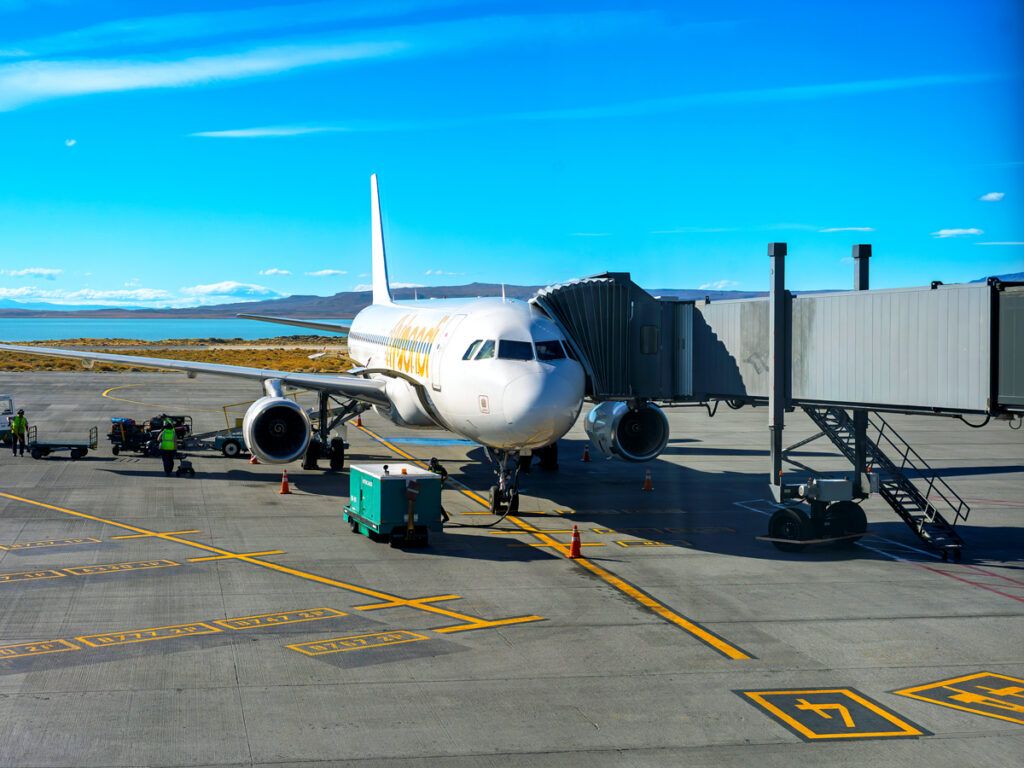
The method by which an aircraft cabin is cooled differs when the plane is parked at the gate versus when it is in flight.
At cruising altitude, the air for the plane’s air conditioning system is supplied by the engines that also power the aircraft. However, the main engines are turned off or idled between flights, which is when the plane switches to a small engine (usually located on or near the tail of the plane) called the auxiliary power unit, or APU. This unit provides electrical power and air conditioning when the plane is on the ground. Sometimes, planes even switch to ground power to save fuel, and air is supplied through large, flexible hoses connected to the aircraft.
After the plane leaves the gate, you may notice the air conditioning system shuts off entirely, and the cabin gets even hotter for a few moments as the engines spool up. This happens when the air supply source transitions from the APU to the aircraft’s engines.
The problem during boarding lies in the fact that, because the APU is a smaller unit, it is generally not strong enough to properly cool the plane during extremely warm temperatures, which are becoming increasingly common. (In fact, this July was the hottest on record in the contiguous U.S.) Ground air units also often don’t work well to cool the entire cabin to a comfortable level.
“Considering that the black tarmac can be well over 100 degrees and the jetway has little insulation, the temperature extremes are difficult to overcome,” Veronica Cote, an associate professor of aviation science at Bridgewater State University in Massachusetts, said in an interview with The New York Times. “Imagine trying to use a small air conditioner in a room with the door open and the outside air temperature is 100 degrees!”
The Times also reported that the APU systems frequently malfunction, and airlines sometimes choose to keep them off or run them at a lower setting to cut down on fuel costs, which results in higher temperatures during boarding.
How Hot Can It Get?

In recent years, there’s been a debate about how hot is too hot. In 2018, the Association of Flight Attendants officially asked the U.S. Department of Transportation to set minimum standards for cabin temperatures, which it has yet to do. In the letter, the group cited examples of airplane cabins regularly reaching temperatures in the high 90s Fahrenheit.
Some individual airlines have set their own standards for when it’s too hot to board the plane, according to a 2023 report from Politico. JetBlue sets the threshold at 85 degrees Fahrenheit, while American says 90 degrees is the limit. Above that temperature, passengers on American will not be asked to board except in “extreme cases,” with the final discretion lying with the pilot. Meanwhile, Delta, Southwest, and United don’t have a set temperature policy.
That has left passengers in an often uncomfortable position, faced with sweltering cabin conditions on the ground that can lead to health issues. There have been several high-profile incidents in recent years in which flights have been delayed or canceled due to high temperatures — with some passengers even passing out during long tarmac delays on the ground.
Are Some Planes Hotter Than Others?
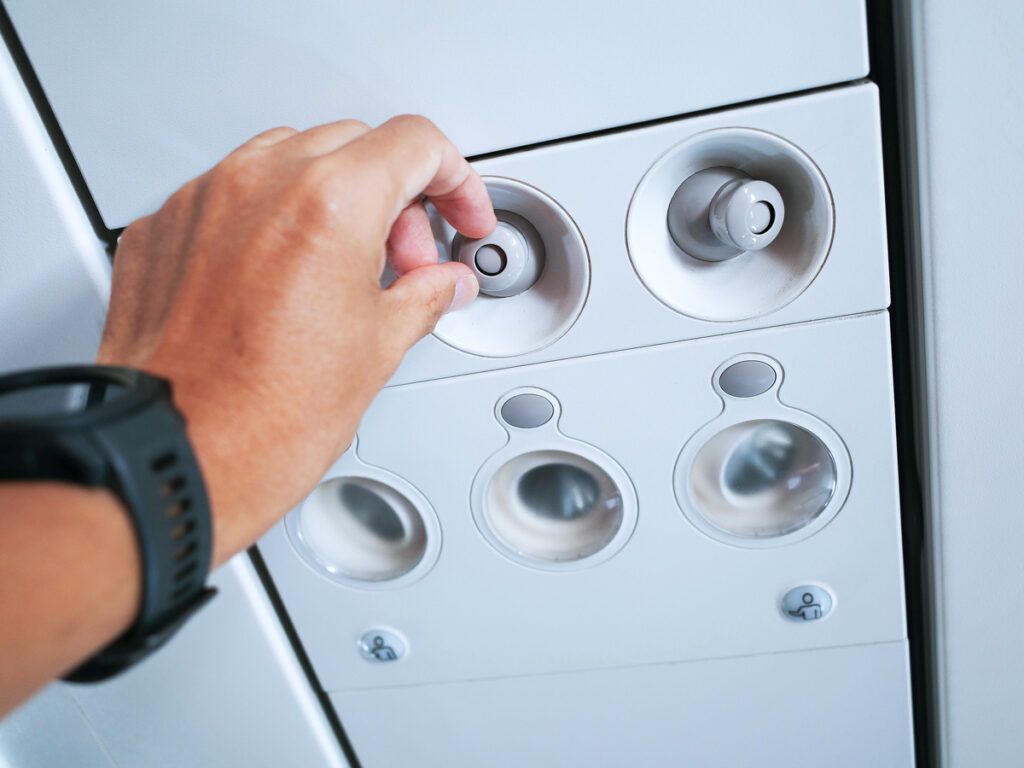
Interestingly, the plane you’re flying may play a role. In particular, look above you the next time you’re on a Boeing 737 and you might find one of two styles for the individual air nozzles that allow you to adjust the flow of air at your seat.
On older models, such as the Boeing 737-700 and Boeing 737-800, it’s a larger “eyeball”-style nozzle that protrudes down from the ceiling panel. Meanwhile, newer models have a lower-profile nozzle that is flush with the ceiling. Anecdotal reports suggest that the newer nozzles allow for less airflow than the previous models, which can contribute to the stuffiness you feel on board.
Tips To Stay Cool
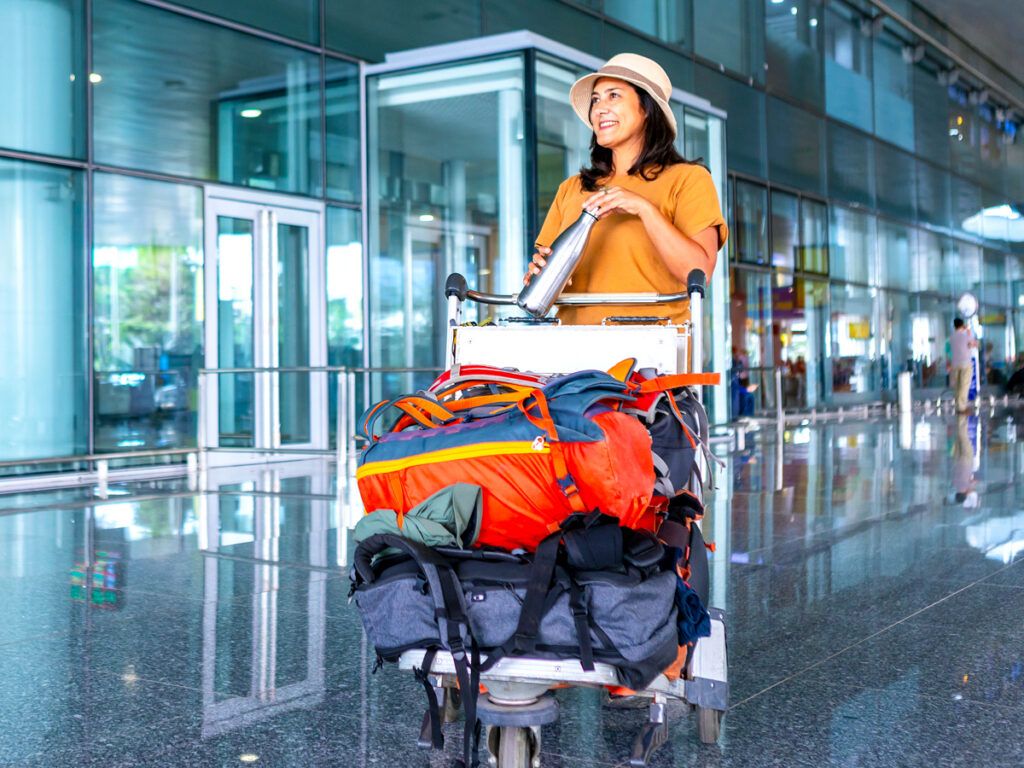
Fortunately, there are a few things passengers can do to make themselves more comfortable. Sara Nelson, the international president of the Association of Flight Attendants, told The New York Times that it’s a good idea to dress in layers to account for fluctuating temperatures on the ground versus in flight, and to bring a refillable travel water bottle to stay hydrated. Some passengers even bring a small, battery-operated personal fan to stay cool.
You can also do your part for the next flight: Upon arrival, you may hear instructions from the cabin crew to lower your window shade and open your individual air vent at your seat, which can help keep the cabin at least a bit cooler.
More from our network
Daily Passport is part of Inbox Studio, an email-first media company. *Indicates a third-party property.